Search Results for: silica sand for drying

Gray Venetian plaster wall texture with subtle irregular patterns

Plaster in Kitchens: Grease Contamination Tests and Primer Choices Before Painting

Introduction Plaster in kitchens means checking for grease contamination and choosing the right primer before you paint to ensure the finish sticks and cleans up later. I’ll walk you through quick, practical grease tests you can do with household items and what to look for so you know when surface conditioning is needed. This is […]

Plaster in Kitchens: Grease Contamination Tests and Primer Choices Before Painting Read More »
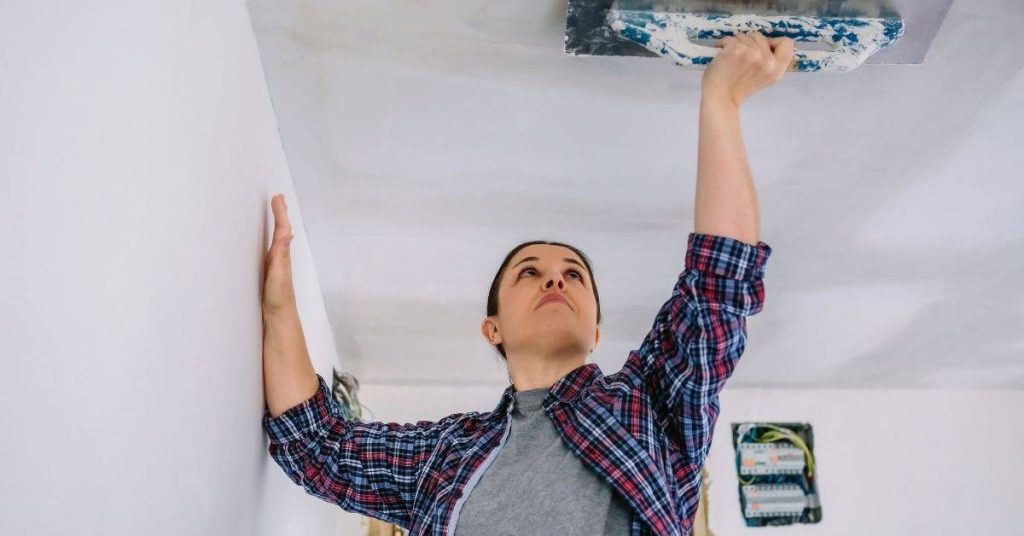
Person smoothing plaster on ceiling with trowel

Fixing Plaster Cracks at Ceiling Medallions: Stress Relief Cuts and Rebuild Strategy

Introduction Fixing plaster cracks at ceiling medallions means cutting relief gaps to stop old stresses and then rebuilding the substrate so the medallion sits on sound plaster, not cracked or loose bits. Start by exposing the damaged area cleanly, check the lath condition and how the medallion is attached, and decide whether to repair lath

Fixing Plaster Cracks at Ceiling Medallions: Stress Relief Cuts and Rebuild Strategy Read More »

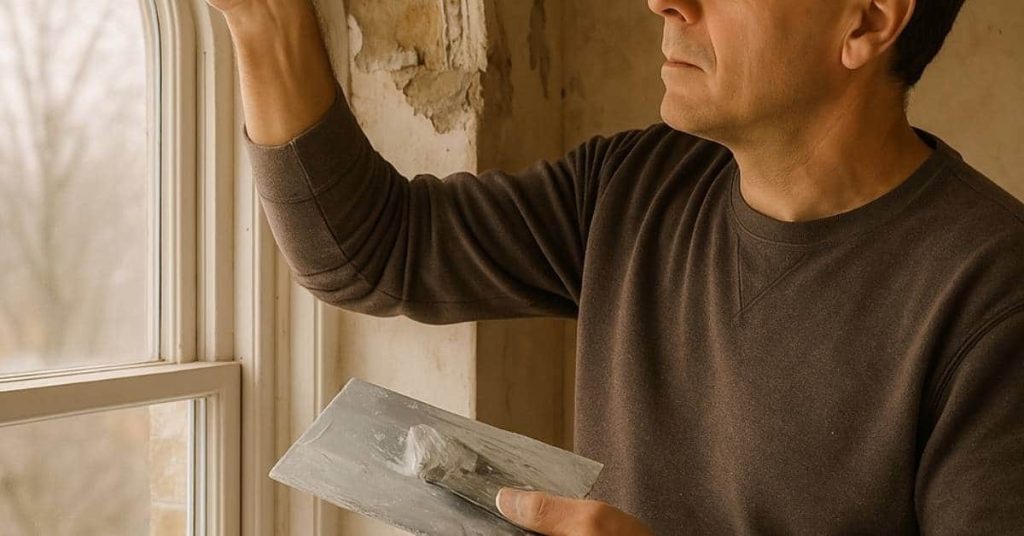
Man applying plaster near window casing with trowel

Repairing Plaster Around Window Casings: Keeping Returns Straight and Corners Crisp

Introduction Repairing plaster around window casings means removing loose material, backing up the returns, and filling and finishing so the casing meets the wall with straight returns and crisp corners. This is a hands‑on job that starts with good surface prep and the right tools—check product labels for compatibility and drying times before you buy.

Repairing Plaster Around Window Casings: Keeping Returns Straight and Corners Crisp Read More »

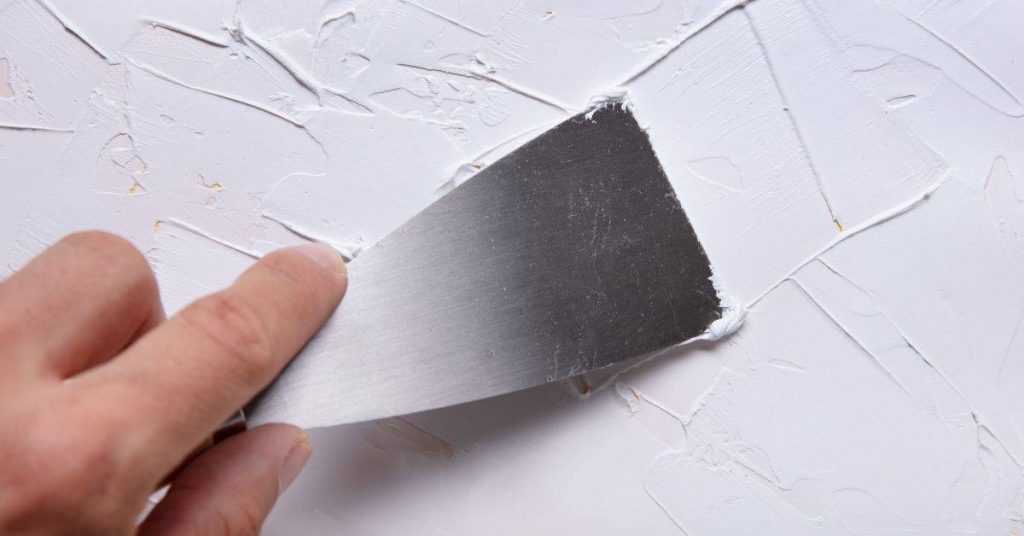
Hand applying white plaster with putty knife

How to Choose Lime Putty vs Hydrated Lime for Plaster: Workability and Strength Differences

Introduction Lime putty is hydrated lime that has been slaked and aged into a smooth, creamy paste, while hydrated lime (powder) is the dry product you mix on site; putty gives a softer, more workable mortar and powder is quicker to store and use. For a DIY plaster job, choose putty when you want long

How to Choose Lime Putty vs Hydrated Lime for Plaster: Workability and Strength Differences Read More »

Hand smoothing plaster on wall with trowel

Polished Lime Plaster in Wet Areas: What ‘Waterproof’ Really Means and Safe Details

Introduction Polished lime plaster in wet areas is not automatically waterproof; it’s a breathable finish that can resist splashes when detailed and sealed correctly. In practice that means treating the wall system—substrate, cement backer, membranes, and sealers—as a complete assembly rather than relying on the lime plaster alone. Check product labels and manufacturer instructions for

Polished Lime Plaster in Wet Areas: What ‘Waterproof’ Really Means and Safe Details Read More »

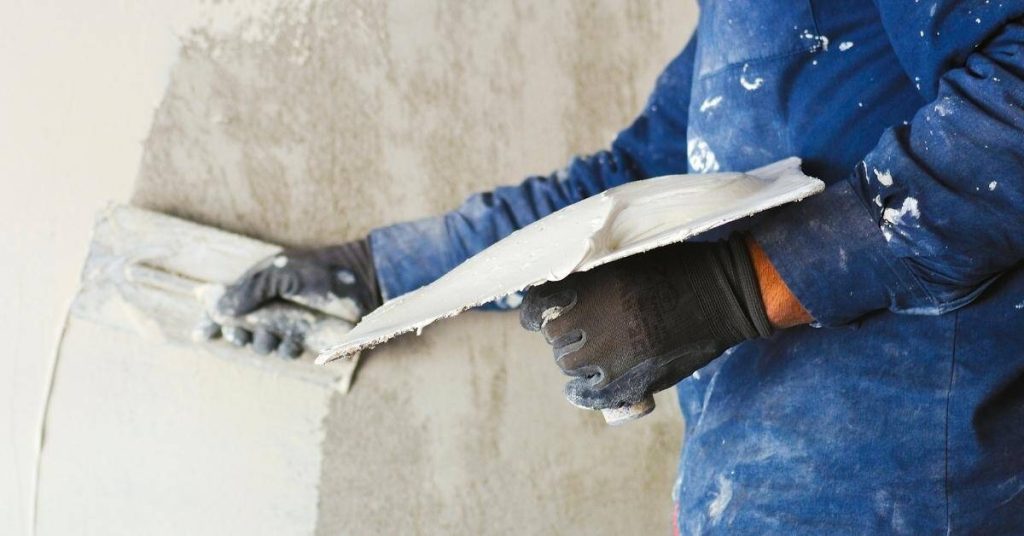
Person applying plaster to wall with trowel and hawk

Plaster Baseboard Dings and Gouges: Fast Patch Options That Don’t Shrink Back

Introduction Plaster baseboard dings and gouges are shallow to moderate damages along the plaster or drywall near the floor that you can tack quickly without later sinking or cracking. In plain terms: pick a stable, shrink-resistant patch material, prepare the area, and feather it to the surrounding surface so the repair bonds and stays flat.

Plaster Baseboard Dings and Gouges: Fast Patch Options That Don’t Shrink Back Read More »

Plaster wall niche with decorative dolphin and small pottery

How to Create a Plaster Shadow-Reveal Niche: Beads, Corners, and Crack Control

Introduction A plaster shadow-reveal niche is a recessed wall pocket finished with thin plaster edges that create a crisp, shadowed outline for shelves or display. It’s built by framing the cavity, setting straight beads and corner profiles, and planning for crack control where the plaster meets different materials. This is a hands-on job that rewards

How to Create a Plaster Shadow-Reveal Niche: Beads, Corners, and Crack Control Read More »

Hand with glove smoothing lime plaster on wall with straightedge

Microcracks in Lime Plaster: Normal Crazing vs Movement and How to Decide

Introduction Microcracks in lime plaster are usually small surface crazing that forms as the plaster dries and shrinks; they are often cosmetic and not a structural failure. Look at crack width, depth, and whether it goes into the substrate to decide; if unsure, check the product label or manufacturer guidance for allowed hairline cracking. In

Microcracks in Lime Plaster: Normal Crazing vs Movement and How to Decide Read More »

Thick yellow paint strokes on a white surface

Mineral Paint vs Acrylic on Masonry: Breathability, Washability, and Best Use Cases

Introduction Mineral paint is a thin, breathable coating made from mineral binders that soaks into masonry while acrylic is a film-forming paint that sits on the surface and sheds water. For DIY use, think mineral paint where you need vapor permeability and historical compatibility, and acrylic where you need tougher washability and abrasion resistance. Check

Mineral Paint vs Acrylic on Masonry: Breathability, Washability, and Best Use Cases Read More »

Hand painting wooden cabinet door with blue paint roller

Painting Over Old Limewash: Identification, Neutralization, and Best Primers

Introduction Painting over old limewash can be a challenge due to its unique composition and properties. This guide will help you identify, neutralize, and prime your limewashed surfaces for successful painting. Key takeaways Identify limewash by chalky finish, mineral content, and matte, breathable film. Test adhesion with scrape and moisture penetration before priming. Contain dust,

Painting Over Old Limewash: Identification, Neutralization, and Best Primers Read More »