Search Results for: sealer

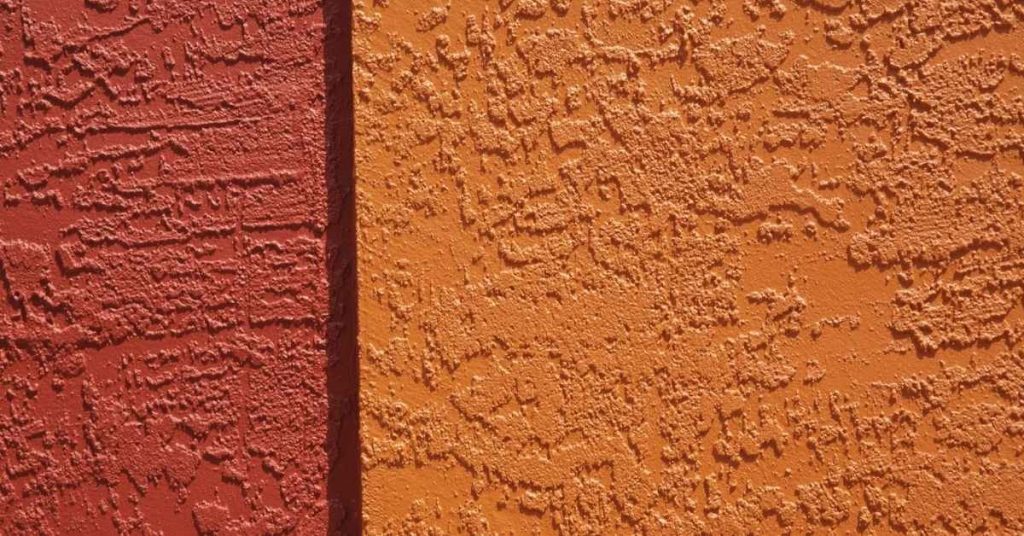
Close-up of two-tone orange and red textured stucco wall

Two-Tone Stucco Bands Without Cracks: Movement Joints and Sequencing

Introduction Two-tone stucco bands without cracks are achieved by using deliberate movement joints and proper sequencing to control where cracks form. This approach keeps the color bands crisp and the surface durable during temperature changes and settling. Avoid guessing—check labels and manufacturer guidance for allowable joint spacing and material compatibility. Identify crack types as they […]

Two-Tone Stucco Bands Without Cracks: Movement Joints and Sequencing Read More »
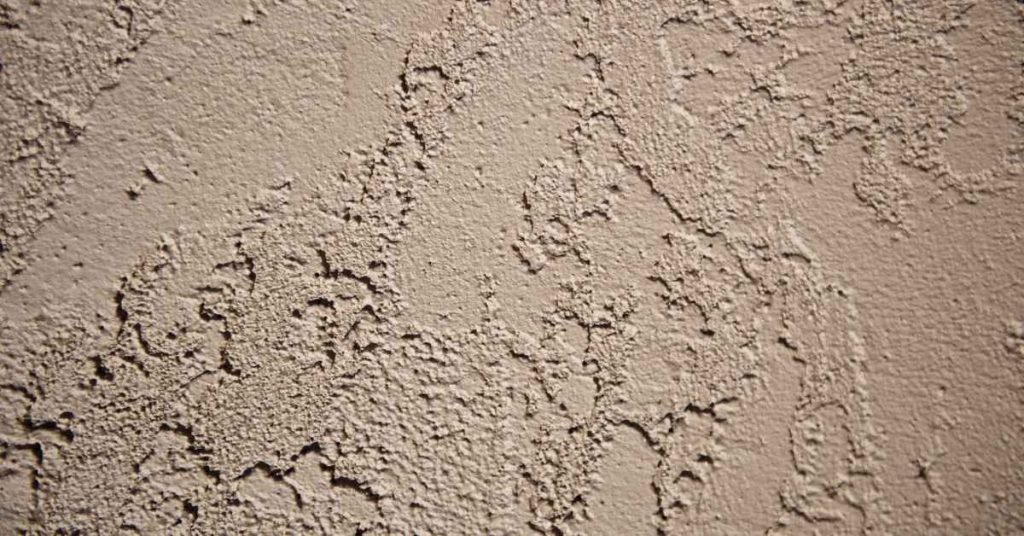
Close-up of rough stucco wall texture in neutral color

Blending Stucco Texture on Large Patches: Avoiding the “Panel” Look in Sunlight

Introduction Blending stucco texture on large patches means creating a continuous, uniform surface that hides seams and avoids the “panel” look when sunlight hits the wall. This article keeps things practical for DIY homeowners, focusing on how to feather textures, work in stages, and check for consistent saturation. You’ll want to match the base coat,

Blending Stucco Texture on Large Patches: Avoiding the “Panel” Look in Sunlight Read More »

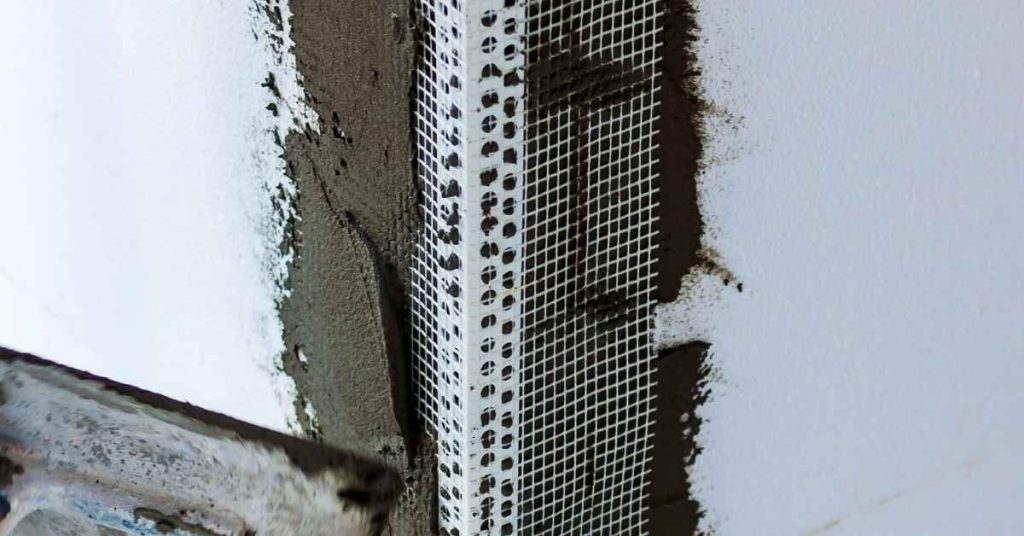
Stucco wall with reinforcing mesh and metal bead at corner

Corner Cracks at Stucco Windows: Mesh Orientation and Bead Choices

Introduction Proper mesh orientation and bead selection help prevent corner cracks around stucco windows. The way the mesh is aligned and the type of bead you use influence how the stucco moves at the casement and sill transitions. Choose options based on manufacturer guidance and local methods, then apply consistently. Bead installation techniques matter, especially

Corner Cracks at Stucco Windows: Mesh Orientation and Bead Choices Read More »

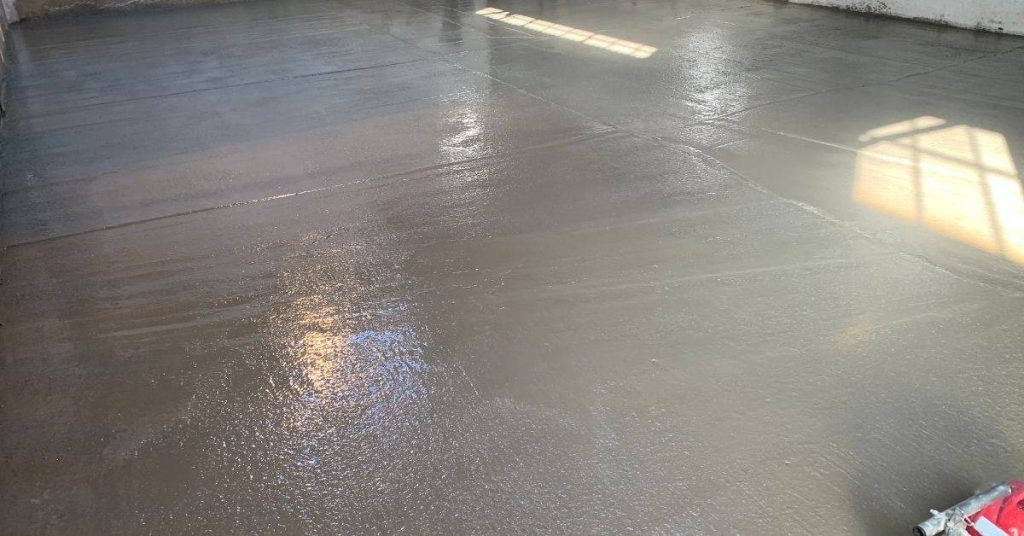
Freshly poured smooth wet concrete slab inside a building

Concrete Slab Curling on Small Pours: How to Measure It and Prevent the Next One

Introduction Curling is when a concrete slab lifts in the middle as it cures. Causes include moisture differences, improper edge drying, and uneven shrinkage during curing. On small pours, wind and heat shifts can worsen the effect. To measure curling, check for a ridge or gap at the edges by placing a straightedge across the

Concrete Slab Curling on Small Pours: How to Measure It and Prevent the Next One Read More »

Concrete beam skeleton frame under clear blue sky

Stopping Leaks at Concrete Cold Joints: Injection Options and Negative-Side Coatings

Introduction A concrete cold joint is a seam that forms when pours stop and then resume, creating a potential weak point where water can seep through. Leaks at these joints happen when the joint isn’t bonded or sealed well enough, especially under pressure or through capillary paths. For a DIY approach, this article covers practical

Stopping Leaks at Concrete Cold Joints: Injection Options and Negative-Side Coatings Read More »

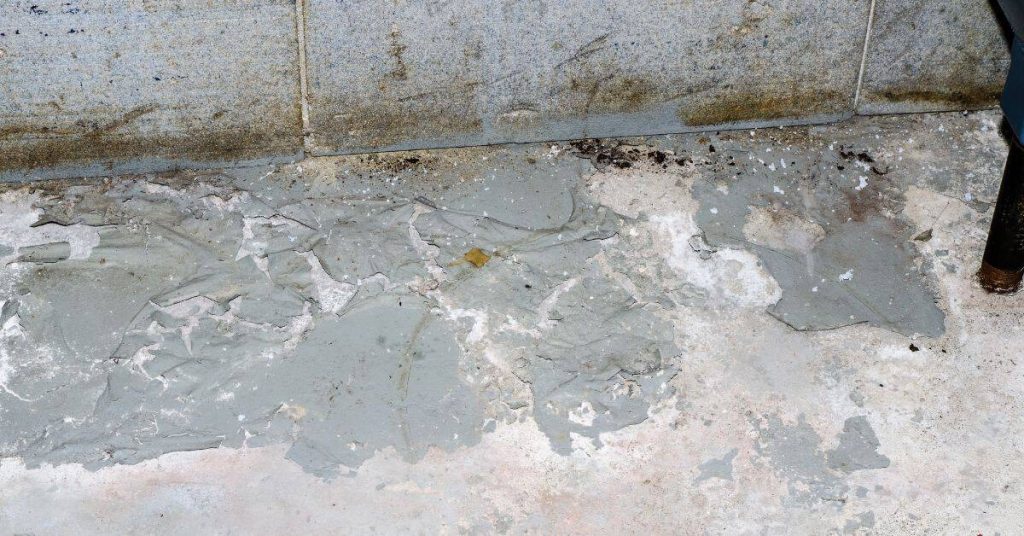
Peeling gray coating on damaged concrete surface

Waterproofing a Concrete Birdbath: Liners vs Coatings and How to Prevent Peeling

Introduction Waterproofing a concrete birdbath involves choosing between liners or coatings to prevent water from penetrating the concrete. This guide focuses on practical, hands-on basics to help you decide what to use and why. This choice affects durability, ease of repair, and how you plan to fill and maintain the basin, so compare options like

Waterproofing a Concrete Birdbath: Liners vs Coatings and How to Prevent Peeling Read More »

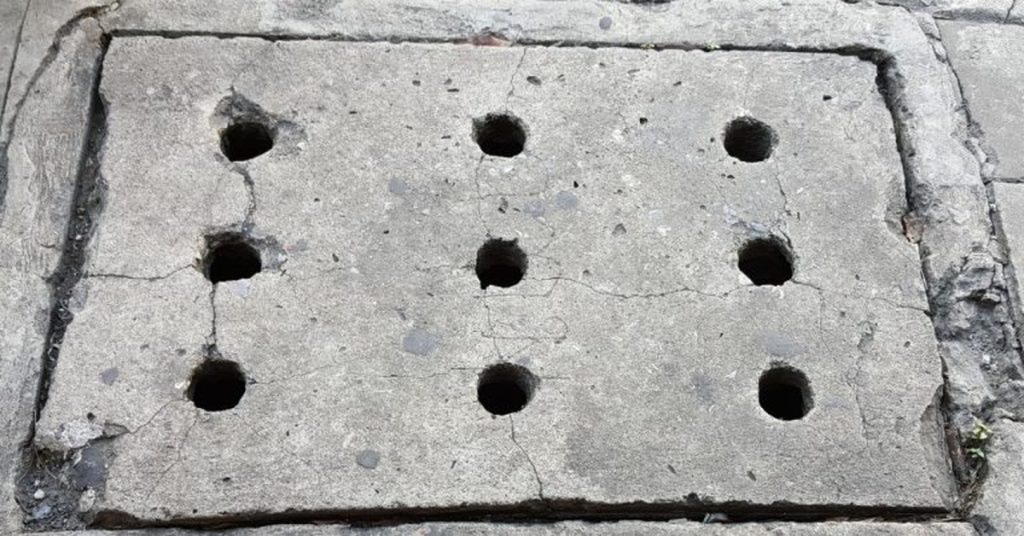
Concrete slab with multiple drainage holes and visible cracks

Concrete Planters Without Efflorescence: Mix Design, Drainage, and Breathable Waterproofing

Introduction Concrete planters without efflorescence come from a careful mix, proper drainage, and breathable waterproofing that lets moisture escape. This is a hands‑on guide, built from real-world steps you can follow in a DIY project. Always check product labels and local rules if a spec or method seems unclear. We touch on practical techniques for

Concrete Planters Without Efflorescence: Mix Design, Drainage, and Breathable Waterproofing Read More »

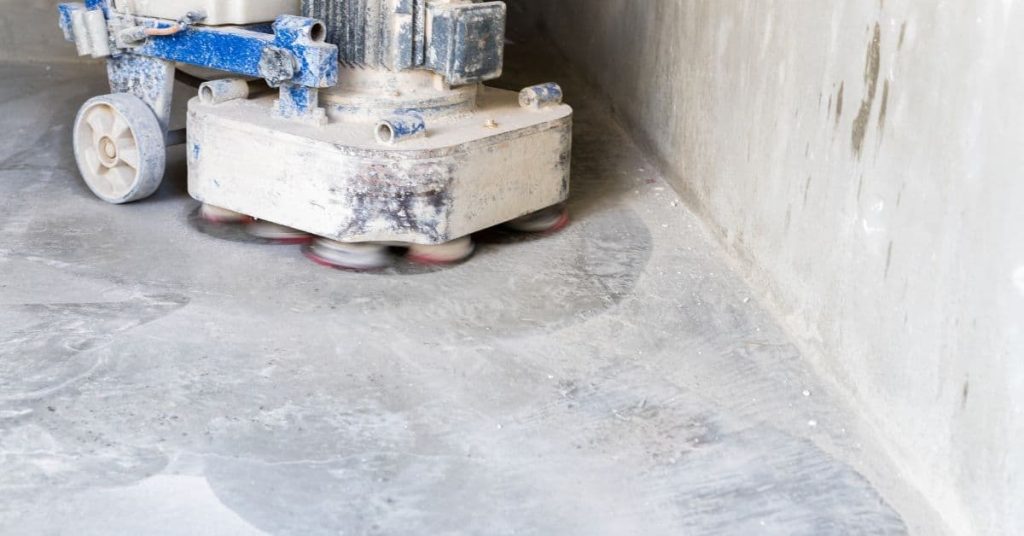
Close-up of floor grinding machine smoothing concrete floor

Tarp Lines on Concrete After Curing: Cleaning vs Light Grinding vs Patience

Introduction Tarp lines on concrete after curing are the visible creases or texture lines where a tarp overlapped during the curing process. They show up as different shading or ridges on the surface. You can address them by cleaning, light grinding, or letting time and use soften or blend them in. Start with a simple

Tarp Lines on Concrete After Curing: Cleaning vs Light Grinding vs Patience Read More »

Closeup of wooden decking planks with natural grain patterns

Breathable Concrete Coatings: When Vapor Permeability Beats “Tougher” Paint

Introduction Breathable concrete coatings allow water vapor to pass through the film while still protecting the surface. For DIY folks, that means you get a protective layer without sealing in moisture or trapping dampness. Check the product label and manufacturer instructions for exact permeability guidance and proper preparation steps. Compared to traditional paints, these coatings

Breathable Concrete Coatings: When Vapor Permeability Beats “Tougher” Paint Read More »

Close-up of cracked concrete surface with fine fissure

Concrete Moisture Testing for Coatings: Plastic Sheet vs RH Probes vs Real-World Clues

Introduction Concrete moisture testing for coatings is how you check if a slab is dry enough for coatings using plastic sheet tests, RH probes, or real-world clues. Plastic sheet tests give a quick yes/no read, RH probes measure in-the-mix or at the surface over time, and real-world clues come from how coatings behave in practice.

Concrete Moisture Testing for Coatings: Plastic Sheet vs RH Probes vs Real-World Clues Read More »