
Introduction
Waterproofing a concrete birdbath involves choosing between liners or coatings to prevent water from penetrating the concrete.
This guide focuses on practical, hands-on basics to help you decide what to use and why. This choice affects durability, ease of repair, and how you plan to fill and maintain the basin, so compare options like physical liners versus surface coatings and consider your climate and usage. If you’re curious about tools or finish options, look at general product categories and plan for thorough surface prep.
Key takeaways
- Compare liners and coatings for birdbaths: performance, ease, and longevity considerations.
- Estimate material needs conservatively using coverage guides from multiple competitors.
- DRYLOK Visualizer helps preview finishes before selecting waterproofing method.
- Always follow manufacturer instructions and wear PPE during application.
- Prep and surface prep is critical to prevent peeling and ensure adhesion.
- Durability factors include material type, workmanship, and maintenance practices.
Table of Contents
- Introduction
- Key takeaways
- Product Overview and Types of Waterproofing
- How Much Product Do You Need? (Estimating and Coverage)
- Planning and Surface Preparation
- Step-by-Step Application: Coatings
- Step-by-Step Installation: Liners and Inserts
- Maintenance, Troubleshooting, and Longevity
- Safety, Costs, and Project Planning Tips
- Drylok® Visualizer
- Conclusion
- FAQ
Product Overview and Types of Waterproofing
Waterproofing concrete birdbaths falls into two broad camps: coatings and liners. Coatings include penetrating sealers, elastomeric coatings, and epoxy or urethane systems. Liners cover rubber, preformed inserts, and epoxy-molded shapes for bulk protection.
Each approach has distinct chemistry, durability, and typical outdoor use. Consider climate, exposure, substrate condition, and the bird-friendly environment when choosing. Quick decision cues help you decide between frequent re-coating and a longer-term liner solution.
Coatings: penetrating vs film-forming
Concrete birdbath coatings fall into two main categories: penetrating sealers and film-forming coatings. Each has its own strengths and weaknesses.
Penetrating Sealers soak into the concrete, lining pores to repel water. They don’t change the surface look much but offer good protection against moisture ingress. They’re great for minimal surface alteration but may require more frequent reapplication.
Film-Forming Coatings, like elastomeric and epoxy/urethane, create a barrier on top of the concrete. They provide robust waterproofing and can bridge minor cracks. However, they might alter the concrete’s appearance and could peel if not applied correctly.
Liners and preformed bowls
For heavy-duty waterproofing, consider liners. They come in various materials:
Rubber Liners are flexible, DIY-friendly, and great for irregularly shaped basins. They provide bulk waterproofing but may degrade under prolonged sun exposure.
PVC Liners offer similar benefits to rubber but with added durability. They’re ideal for multi-tier fountains due to their flexibility.
Preformed Bowls, usually made of rigid plastic or fiberglass, fit right into your birdbath. They’re easy to install and maintain but may not be suitable for complex shapes.
Mapping product categories to birdbath types
Choosing the right waterproofing method depends on your birdbath’s design:
For shallow decorative baths, penetrating sealers or thin film-forming coatings are usually sufficient. They won’t significantly change the concrete’s appearance.
For multi-tier fountains, flexible liners like rubber or PVC work best. They can conform to complex shapes and provide robust waterproofing.
For lived-in garden features, consider elastomeric or epoxy/urethane coatings. They offer excellent durability and can withstand frequent use and harsh weather conditions.
How Much Product Do You Need? (Estimating and Coverage)
Start by measuring the birdbath’s surface area, including bowls, rims, and any irregular nooks. Distinguish linear feet from square footage to feed into coverage estimates. Irregular shapes may need a few extra calculations to get it right.
Porosity and texture affect absorption and required thickness. Compare manufacturer coverage rates per coat for liners versus coatings, then convert those figures into total quantities. Plan the number of coats based on porosity and desired waterproofing level, plus a sensible waste factor.
Measuring and surface-area calculation
First, measure the linear dimensions of your birdbath’s flat surfaces – the base, rim, and any supporting structures. For curved surfaces like the bowl, use a flexible tape measure or string to find the circumference.
Convert these measurements into area:
- For rectangles: Length x Width
- For circles (bowl): π x Radius²
Example: A 2’x3′ base, 1′ rim, and a 1.5′ diameter bowl gives 6 sq ft + 3 sq ft + 2.07 sq ft = 11.07 sq ft.
Adjusting for porosity, texture, and coats
Bare concrete absorbs water. Rough or repaired surfaces need more product. Smooth surfaces may require less.
Account for this by adding 10-25% to your area estimate based on surface condition:
- Smooth: +10%
- Moderately rough/repaired: +15-20%
- Very rough or repaired: +20-25%
Most products need 2 coats. Add another 100% to your area estimate for the second coat.
Using manufacturer calculators and cross-checks
Many brands offer online coverage calculators or visualizers. Input your measured area to get a product quantity estimate.
Check the label for coverage rate per coat (e.g., ‘Covers up to 10 sq ft per coat’). Divide your total area by this rate to find out how many jars/cans you need:
Example: With 11.07 sq ft and a 10 sq ft/coat rate, you’d need 2 jars/cans for 2 coats.
Planning and Surface Preparation
Align waterproofing goals with the chosen method and set success metrics like adhesion and water repellency. Document how you’ll verify the plan before starting. A clear objective helps prevent peeling later on.
Inspect the birdbath for cracks, chips, efflorescence, and any existing coatings. Note movement risks and porosity that could affect adhesion. A clean slate is worth extra time upfront.
Tools and Materials Checklist
Before you start, make sure you have all the necessary tools and materials on hand. This list will help you stay organized and avoid mid-project trips to the hardware store.
- Cleaners: Degreaser, mild detergent, pressure washer soap (if using)
- Repair Mortars: Concrete patch, crack filler, seam sealer
- Primer: Bonding primer suitable for concrete and chosen waterproofing system
- Applicators: Paintbrushes, rollers, sprayer (if using), trowel (for mortars)
- PPE: Safety glasses, gloves, dust mask, protective clothing
- Drying/Curing Aids: Fans, heat lamps, moisture barriers
- Measuring Tools: Tape measure, surface area calculator (if not using manufacturer’s)
- Testing Tools: Moisture meter, pH testing kit
Quick rule: Always double-check your list before starting to avoid delays.
Surface Inspection and Repair Steps
Inspecting and repairing the birdbath’s surface is crucial for a successful waterproofing job. Here are the key areas to check and repair.
- Cracks: Inspect for hairline cracks or larger gaps; use crack filler for small cracks, concrete patch for larger ones
- Spalling: Remove any loose concrete using a chisel and hammer; fill with concrete patch
- Efflorescence: Clean off white powdery deposits with a wire brush and mild detergent; rinse thoroughly
- Existing Coatings: Check for old coatings that may need removal or preparation before applying new waterproofing
- Joint Integrity: Inspect mortar joints; repair any missing or crumbling sections with mortar
- Movement Risks: Look for signs of settling, heaving, or other movement; address underlying issues if necessary
Quick rule: A thorough inspection and repair will save you time and money in the long run.
Visual Checkpoints Before Application
Before applying your chosen waterproofing method, ensure the surface is ready by checking for these visual signs of readiness.
- Dryness: Surface should be completely dry; no visible moisture or damp spots
- Uniform Texture: Surface should have a consistent texture with no major defects; minor imperfections can be addressed with primer
- Absence of Salts or Oils: No signs of efflorescence, grease, or other contaminants that could hinder adhesion
- No Standing Water: Ensure there’s no pooled water in the basin; allow to dry if present
Quick rule: Trust your eyes; if something doesn’t look right, it probably isn’t.
Step-by-Step Application: Coatings
Outline the workflow from cleaning to priming (if needed) and coating. Decide whether to prime based on the coating type and surface condition. Plan the layering sequence and appropriate drying intervals between coats.
Know the coating type’s behavior: penetrating versus film-forming, and how that affects coverage. Consider tools, environmental conditions, and irregular shapes to avoid streaks or pooling. Keep cure guidance in mind for long-term performance.
Step-by-Step Process
Follow these practical steps to apply coatings to your concrete birdbath, ensuring a durable and long-lasting waterproof seal.
- Inspect the birdbath for cracks or damage. Repair as needed before proceeding.
- Clean the surface thoroughly using a suitable cleaner or degreaser to remove dust, dirt, and contaminants.
- Check your coating type and manufacturer’s guidelines. If required, apply a primer to enhance adhesion and seal the surface.
- Choose the right application method: brush, roller, or sprayer. Apply the first coat evenly, following the manufacturer’s recommended film thickness.
- Allow the first coat to dry according to the manufacturer’s instructions. Inspect for any missed spots or uneven areas before applying the second coat.
- Apply a second coat, ensuring even coverage and proper overlap with the first coat.
- Let the birdbath cure undisturbed in ideal conditions (as per manufacturer’s guidelines) to ensure optimal performance.
- Inspect the finished product for any imperfections or missed spots. Make adjustments as needed before finalizing your work.
Proper surface prep for coatings
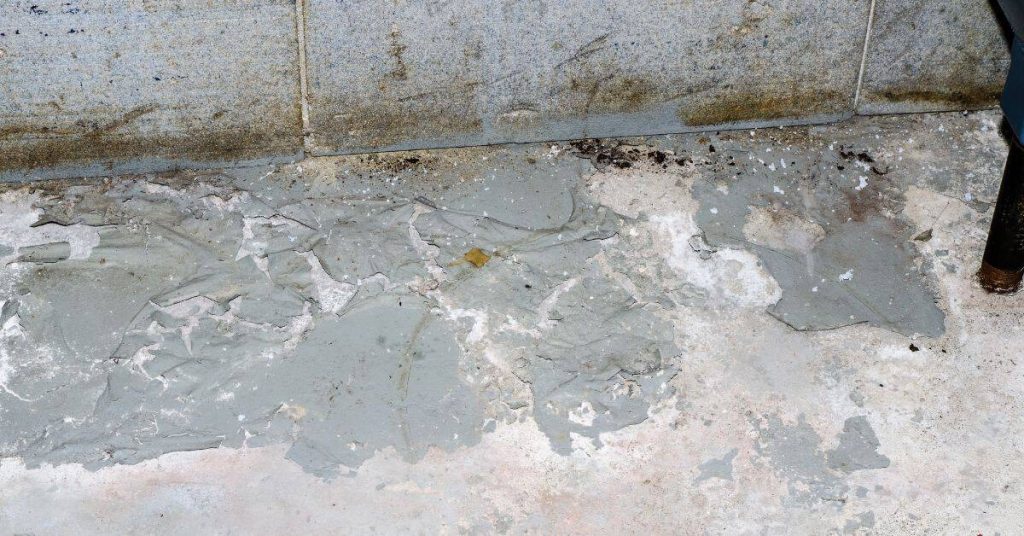
Preparing the concrete surface correctly is crucial to ensure proper adhesion and long-lasting results. Start by inspecting the birdbath for any signs of efflorescence, a white powdery substance that can indicate moisture below the surface.
Remove efflorescence using a wire brush or acid etcher, following the manufacturer’s guidelines. Rinse thoroughly with clean water and allow to dry completely.
If the birdbath is extremely porous or has deep cracks, consider applying a concrete sealer or bonding agent before applying the coating to enhance adhesion and seal the surface.
Application methods and tips
Choose the right application method based on your comfort level, the size of the birdbath, and the manufacturer’s recommendations. Brushes are ideal for small areas or intricate details, while rollers provide even coverage for larger surfaces.
Sprayers offer quick coverage but require proper setup and technique to avoid overspray and waste. Always follow the manufacturer’s guidelines for film thickness and application techniques.
Control environmental factors during curing: keep temperatures between 50°F (10°C) and 90°F (32°C), maintain humidity above 40%, and protect from direct sunlight or wind to ensure proper curing and prevent premature drying.
Preventing peeling with coatings
Peeling can occur due to poor surface preparation, incompatible products, or moisture below the surface. To avoid these issues:
Avoid applying coatings over damp surfaces. Ensure the birdbath is completely dry before application and check for any signs of moisture during the curing process.
Choose compatible products by following manufacturer guidelines and cross-referencing with other materials used in your project. Incompatible products can lead to adhesion failures and peeling.
Proper surface preparation, including thorough cleaning, removing efflorescence, and repairing cracks, is essential for optimal adhesion. Always follow the manufacturer’s guidelines for surface preparation and application techniques.
Step-by-Step Installation: Liners and Inserts
Choose a compatible liner or insert that matches the concrete birdbath’s size and water exposure. Confirm thickness and fit before proceeding. A well-fitting liner reduces edge issues and leakage risk.
Measure height, diameter, and rim clearance, then develop a fitting workflow. Compare chemical bonding versus mechanical fastening, and prep clean surfaces for adhesion or a good gasket seal. Seal edges carefully and follow up with testing for leaks.
Step-by-Step Installation Process
This section guides you through the practical steps of