Search Results for: match texture plaster

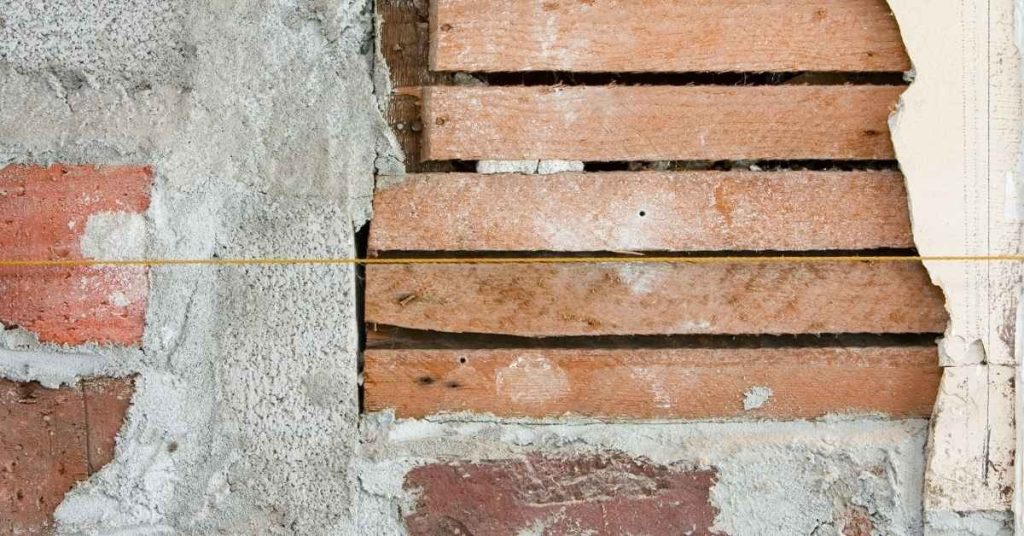
Exposed wooden lath under cracked plaster wall section

Rusting Stucco Lath in a Patch: Safe Cutback Limits and Better Refastening

Introduction Rusting stucco lath in a patch means the metal lath under the plaster has corroded and loosened, reducing support for the patch. That corrosion can cause the patch to crack or fall away if not addressed. Start by pulling back loose plaster and securing any loose lath pieces, then replace or tie back missing […]

Rusting Stucco Lath in a Patch: Safe Cutback Limits and Better Refastening Read More »

Worker applying fresh stucco with trowel to wall surface

Soft Stucco Diagnosis: Probe Tests to Separate Erosion from Lath Failure

Introduction Soft stucco indicates exterior plaster that feels soft or hollow, signaling potential erosion or lath failure. You’ll see blistering, crumbling edges, or patches where the wall sounds hollow when tapped. This intro helps you spot trouble before you rip into major repairs. Probe tests involve gently tapping or lifting at suspect spots to feel

Soft Stucco Diagnosis: Probe Tests to Separate Erosion from Lath Failure Read More »

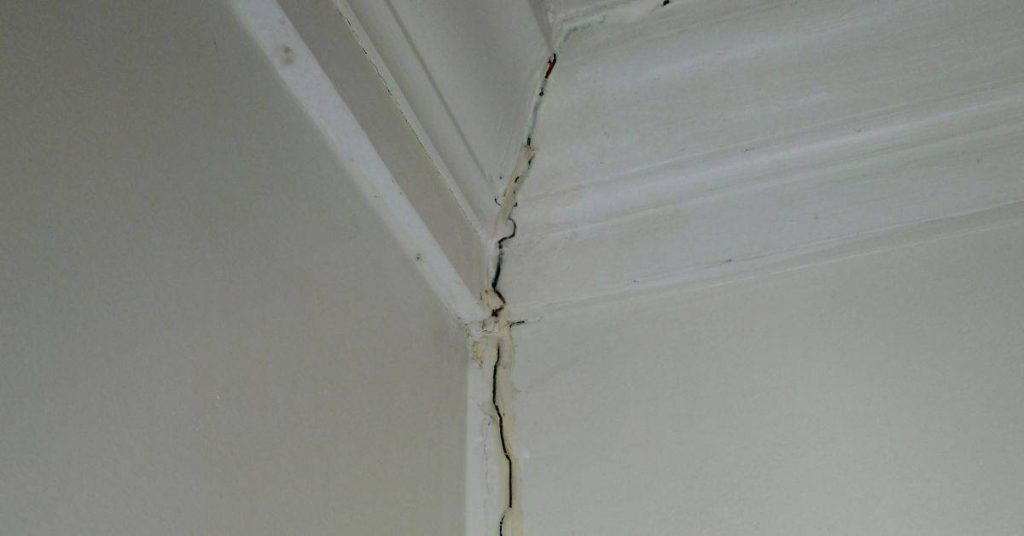
Hairline crack in plaster wall corner near ceiling trim

Hairline Crack Repairs That Don’t Show: Routing vs Injection vs Surface Fill

Introduction Hairline crack repairs that don’t show are methods that seal the crack and restore a smooth, uniform surface without visible seams. Routing, injection, and surface fill are common DIY options you can choose based on access and how the crack behaved. The goal is to blend the repair so it’s hard to notice after

Hairline Crack Repairs That Don’t Show: Routing vs Injection vs Surface Fill Read More »

Hand holding trowel with wet concrete inside container

Feather-Edge Patch Failures: Minimum Thickness Rules and Better Edge Details

Introduction Feather-edge patch failures occur when the thin edge of a patch is not thick or stable enough to grip the surrounding concrete. In plain terms, the edge can erode or chip and the patch pulls away. Make sure you follow the material’s directions and local rules for edge prep. To avoid failures, clean and

Feather-Edge Patch Failures: Minimum Thickness Rules and Better Edge Details Read More »

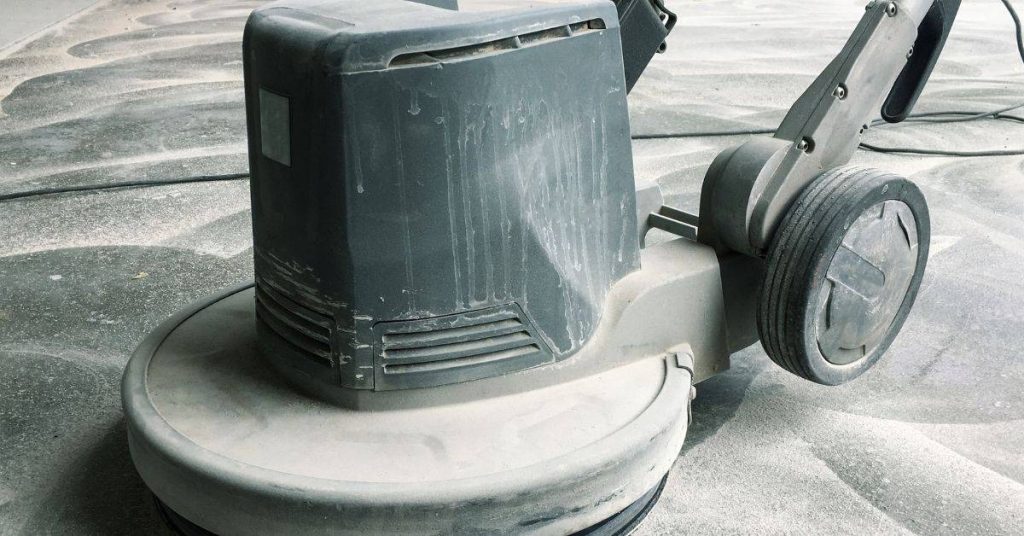
Concrete floor grinding machine on concrete surface

Concrete Trowel Blade Burnishing: When It Makes a Floor Stronger and When It Creates Dark Swirls

Introduction Concrete trowel blade burnishing is the act of using a trowel blade on a fresh slab to seal the surface and tighten the paste, which can harden the floor but may leave dark swirl marks if done too aggressively. In practice, it can give a slick finish and extra density when conditions are right,

Concrete Trowel Blade Burnishing: When It Makes a Floor Stronger and When It Creates Dark Swirls Read More »

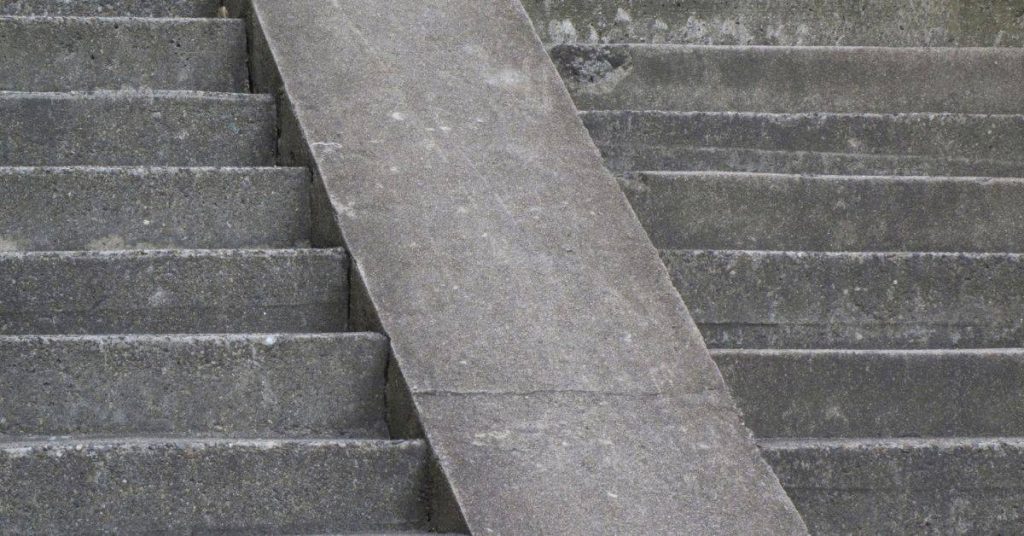
Concrete stairs with a smooth concrete ramp in the middle

Finishing Concrete Along Stairs and Steps: Clean Risers, Tight Corners, and No Ragged Edges

Introduction Finishing concrete along stairs and steps means smoothing and shaping risers and treads to remove ridges and achieve clean, even faces. This work uses hand tools and careful edging to keep joints tight and consistent along each stair edge. The goal is a safe, neat look that lasts without ragged edges. Start by outlining

Finishing Concrete Along Stairs and Steps: Clean Risers, Tight Corners, and No Ragged Edges Read More »

Blue painted stucco wall texture close-up

Mineral Paint on Stucco: When It Outlasts Acrylic and How to Prep Properly

Introduction Mineral paint on stucco provides a durable, breathable finish that can outlast typical acrylic when the surface is prepped properly. In plain terms, you start with clean, sound stucco, protect surrounding areas, and choose a mineral-based paint designed for masonry. The prep and technique matter more than color or brand. The application hinges on

Mineral Paint on Stucco: When It Outlasts Acrylic and How to Prep Properly Read More »

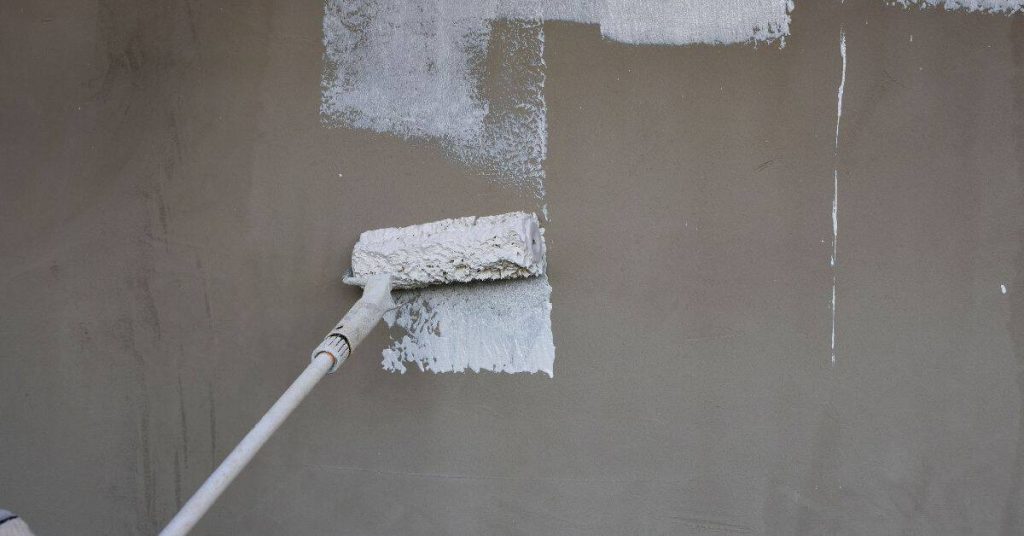
Paint roller applying white paint on brown stucco wall

Elastomeric Paint Over Hard Coat Stucco: When It Bridges Cracks and When It Blisters

Introduction Elastomeric paint over hard coat stucco is a flexible coating designed to bridge small cracks in the surface. It can improve weather resistance but may blister if the surface is dirty, damp, or improperly prepped. Proper prep and careful application are essential to a durable coat. Preparation and proper application are key to avoiding

Elastomeric Paint Over Hard Coat Stucco: When It Bridges Cracks and When It Blisters Read More »

Residential exterior wall with stucco finish and windows

Mounting Hose Reels on Stucco: Blocking, Fasteners, and Sealing Without Crushing the Finish

Introduction Mounting hose reels on stucco requires careful blocking, fasteners, and sealing to protect the finish. This article walks you through practical steps that respect the surface and the underlying structure. You’ll learn how to prep, choose safe fasteners, and avoid crushing the texture. Understanding stucco composition and the wall behind it helps you pick

Mounting Hose Reels on Stucco: Blocking, Fasteners, and Sealing Without Crushing the Finish Read More »

White stucco coated brick wall texture close-up

Stucco Control Joint Layout: Where They Belong and Why Random Cracks Follow Bad Layout

Introduction Control joints in stucco are deliberate gaps that guide where cracks will form, instead of letting random cracks run everywhere. They serve as a planned break for movement due to temperature, moisture, and framing shifts. Placement guidelines depend on factors like height, openings, and changes in plane; check manufacturer instructions for specifics. Use appropriate

Stucco Control Joint Layout: Where They Belong and Why Random Cracks Follow Bad Layout Read More »