
Introduction
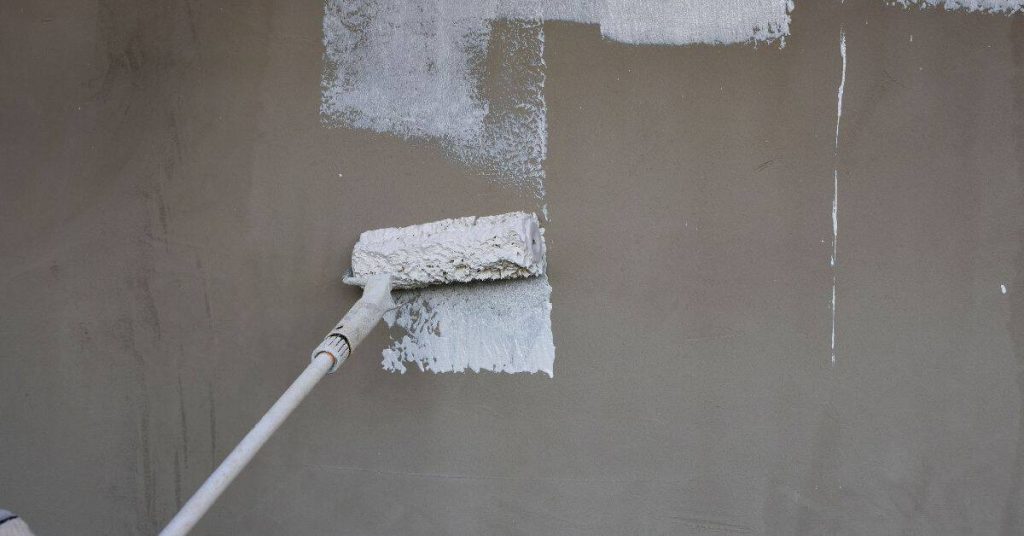
Elastomeric paint over hard coat stucco is a flexible coating designed to bridge small cracks in the surface. It can improve weather resistance but may blister if the surface is dirty, damp, or improperly prepped. Proper prep and careful application are essential to a durable coat.
Preparation and proper application are key to avoiding cracks and blisters. Inspect the stucco for cracks, clean and dry the surface, and repair any damaged areas before painting. Choose an elastomeric coating that suits your climate and follow the label for surface prep, weather, and layering to stay within safe, tested guidelines.
Key takeaways
- Inspect stucco for existing cracks and loose patches before coating.
- Choose elastomeric product labeled for masonry; verify breathability and vapor permeance.
- Wear eye protection and respirator; clean surfaces and avoid dusty debris.
- Prepare surface by cleaning, removing flaking paint, and damp but not wet.
- Apply in thin, even coats and follow manufacturer’s recoat timing.
- Schedule coatings during mild dry weather; avoid freezing or excessive heat.
Table of Contents
- Introduction
- Key takeaways
- Quick Overview: Elastomeric Coatings and Hard Coat Stucco
- When Elastomeric Paint Can Bridge Cracks
- Why and How Elastomeric Coatings Blister on Stucco
- Inspection and Surface Preparation Before Coating
- Choosing the Right Elastomeric Product and Materials
- Application Best Practices and Environmental Timing
- Troubleshooting: Diagnosing Bridging Vs. Blistering and Repair Options
- Maintenance, Inspection Schedule, and Long-Term Care
- Conclusion
- FAQ
Quick Overview: Elastomeric Coatings and Hard Coat Stucco
Elastomeric coatings are flexible polymer films designed to stretch and recover as substrates move. They typically feature high elongation, substantial film build, and vapor permeability, which helps manage movement and moisture at the surface. Understanding these properties helps you predict how the coating will behave on a hard coat stucco substrate, where movement and moisture dynamics are common.
Hard coat stucco is a cementitious finish that relies on a dense substrate and proper curing. Its substrate composition and curing behavior influence how well any coating adheres and how it performs under stress. The interaction between elastomeric coatings and hard coat stucco can offer crack bridging and waterproofing potential, but it also risks adhesion problems, blistering, or delamination if the substrate is not prepared or maintained correctly. A careful review of surface prep, cleanliness, moisture management, and substrate temperature is essential, along with an assessment of expected movement and cracking in the wall assembly. A quick, practical pre-application check helps you decide when elastomeric is appropriate, and when it isn’t, based on moisture, drying conditions, and adhesion tests.
What elastomeric coatings do
Elastomeric coatings are like a flexible skin for your walls. They’re designed to stretch and move with the surface they’re on, rather than cracking or peeling off.
Here’s what they do:
Bridging cracks: Elastomeric coatings can span small cracks in the wall, preventing them from getting bigger and letting water in. They’re not a cure-all though; if cracks are too big, you’ll need to fix those first.
Protecting against moisture: These coatings let water vapor out but keep liquid water out. That means they help prevent moisture buildup behind the coating, which could cause problems later on.
Characteristics of hard coat stucco
Hard coat stucco is a strong, durable finish for your home’s exterior. It’s made by applying a layer of cement-based plaster over a wire mesh (lath) embedded in a base coat.
The surface you’ll see has a textured finish, often with small pits and valleys. This texture helps the final coat stick better, but it also means you might need to use more paint to cover it.
Substrate matters: The lath and cement plaster underneath can affect how well your elastomeric coating sticks. If the surface is smooth or has been washed with a wire brush, you might have adhesion issues.
When Elastomeric Paint Can Bridge Cracks
Elastomeric coatings bridge cracks by combining elasticity with a reasonably thick film, allowing the coating to span small to moderate cracks as the substrate moves. Performance depends on the coating’s modulus, bonding strength, and its ability to tolerate movement without debonding. Results vary by product, so rely on the manufacturer’s data for crack-bridging capabilities and limits.
Crack size and movement limits for bridging depend on the product, but you should check each formulation’s guidance for ranges and thresholds. Active movement or expanding cracks typically exceed coating capability, while some small, stable cracks may bridge under proper film thickness and surface readiness. Always review the specific product’s crack-bridging specifications and perform a field test patch before full application to verify compatibility and performance.
Crack size and manufacturer limits
Elastomeric coatings can bridge small to moderate cracks, but their performance varies by product. Always check the manufacturer’s data sheet for specific crack-bridging capabilities.
Generally, elastomerics are designed for hairline cracks (a few mils) up to 1/16″–1/8″. They may not perform well on active or wide, expanding cracks.
Key: Don’t rely on these coatings to seal large gaps or shifting cracks. They’re meant to span minor imperfections, not replace structural remediation.
How film build and elongation work together
Adequate wet film thickness is crucial for bridging cracks. Apply enough product to create a thick, elastic layer once dry.
Proper drying allows the coating to achieve its full elasticity and elongation potential. This enables it to stretch and span small cracks without tearing or debonding.
Tip: Follow manufacturer guidelines for recommended film thickness and drying times to maximize bridge performance.
Best-case substrate conditions for bridging
For optimal crack-bridging results, ensure the stucco surface is clean, dry, and sound. Remove any efflorescence, laitance, or loose material.
Use a compatible primer to enhance adhesion and prepare the surface for the elastomeric coating. Proper patching materials should also be used to address any minor defects before application.
Remember: A well-prepared substrate maximizes the chances of successful crack-bridging and improves overall coating performance.
Why and How Elastomeric Coatings Blister on Stucco
Blistering on elastomeric coatings happens when moisture gets trapped behind the film, or when adhesion to the substrate is weak. Contaminants or non-breathable top layers can prevent moisture from escaping, creating tension that forms blisters. Application errors, such as over-application or applying in unsuitable conditions, also contribute to film stress that triggers blistering.
Assessing substrate condition and prep is essential to prevent blistering. Inspect for flaking, powdery surfaces, or loose coatings that indicate poor adhesion. Cleaning, etching, or profiling as needed helps, and selecting breathable primers and coatings compatible with hard coat stucco reduces blister risk. Environmental factors like temperature, humidity, and curing conditions should be controlled to avoid rapid moisture movement that fosters blistering.
Moisture and humidity-related blistering
Blisters on your elastomeric coating can form when moisture gets trapped between the paint and the stucco. This happens in a few ways:
Substrate Moisture: If your stucco is wet or damp, applying an elastomeric coating traps that moisture. When it heats up, the water turns to vapor and pushes against the paint, forming blisters.
High Humidity: Painting in high humidity can also cause problems. The moisture in the air gets trapped under your paint and does the same thing as substrate moisture when it heats up.
To avoid this, use a moisture meter or infrared scan to check for excess moisture before painting. If you find any, wait until it’s dry before applying your elastomeric coating.
Adhesion failure and incompatible layers
Blisters can also form when your elastomeric paint doesn’t stick properly to the stucco. This happens due to a few reasons:
Non-breathable Coatings: If you’ve applied a non-breathable coating on top of your stucco, it traps moisture and prevents it from evaporating. When this moisture gets trapped under your elastomeric paint, blisters form.
Improper Primers: Using the wrong primer can also cause adhesion problems. Make sure to use a primer that’s compatible with both your stucco and your elastomeric coating.
Contaminants: Dust, efflorescence, release agents, or curing compounds on your stucco surface can prevent proper adhesion. Always clean and prepare your surface properly before painting.
Application-related blister triggers
Blisters can also form due to mistakes made during the application process:
Over-application: Applying too much paint at once can trap air and solvents under the film. When these get heated, they turn into gas and push against the paint, forming blisters.
Painting Too Soon: Painting before the previous coat is completely dry can also cause blistering. Always allow each coat to dry fully before applying the next one.
Inadequate Drying Between Coats: Not allowing enough drying time between coats can trap moisture and solvents, leading to blisters. Follow your paint’s recommended drying times for best results.
Inspection and Surface Preparation Before Coating
Start with a thorough moisture check to identify leaks, rising damp, or penetrating moisture that could undermine adhesion. Document any evidence of moisture sources and plan remediation before coating begins. Structural or non-structural cracks should be identified and categorized for repair or control joint consideration.
Next, assess prior coatings for failures such as peeling or non-permeable layers, and note any contamination like mold, dirt, or efflorescence. Plan a cleaning, repair, and roughening sequence to create a sound, bonding-ready surface. Finally, outline priming and sealing steps tailored to elastomeric coatings, and set environmental guardrails for temperature, humidity, and ventilation to support successful adhesion.
Cleaning methods and pressure-washing guidance
Before applying any elastomeric coating, it’s crucial to clean the stucco surface thoroughly. Use this checklist to ensure a proper cleaning job.
- Remove loose material: Brush off or vacuum loose stucco, dirt, and debris. Skipping this can lead to poor adhesion.
- Detergent wash (if needed): Use a mild detergent solution to remove stubborn dirt and stains. Highly alkaline cleaners can damage the surface.
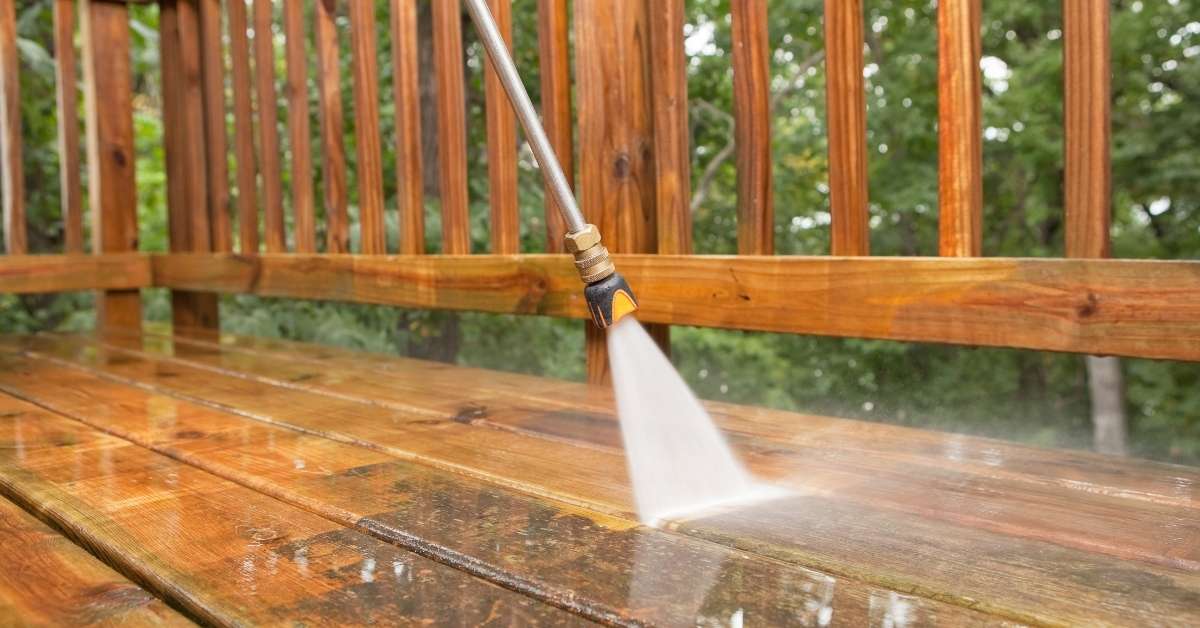
- Pressure-wash gently: Rinse with low-pressure water spray, holding the wand at least 12 inches away from the surface. High pressure can damage the stucco.
- Degrease (if applicable): Use a degreaser to remove oil or grease stains that may be present.
- Rinse thoroughly: Ensure all cleaner residue is removed to prevent coating failure.
- Check manufacturer’s instructions: Always follow the specific cleaning guidelines provided by your elastomeric paint manufacturer.
- Avoid high-pressure washing: High pressure can damage the stucco, causing it to crumble or delaminate.
- Allow surface to dry: Ensure the surface is completely dry before proceeding with any repairs or priming.
Quick rule: Always follow manufacturer’s cleaning instructions and avoid high-pressure washing to prevent stucco damage.
Repairing cracks, joints, and flashings
Before applying elastomeric paint, it’s essential to repair any cracks or damaged areas on the stucco surface. Use this checklist for effective repairs.
- Inspect for cracks: Look for hairline cracks (less than 1/8 inch) and wider gaps (over 1/8 inch).
- Classify cracks: Distinguish between non-structural (hairline, static) and structural (wide, moving) cracks.
- Repair hairline cracks: Use a compatible cement or plaster repair to fill these cracks. Skipping this can cause the elastomeric paint to bridge over them, leading to further cracking.
- Use backer rod and sealant for wider gaps: Insert a backer rod into the crack, then apply an exterior-grade sealant. This ensures proper filling and prevents water intrusion.
- Repair damaged flashings: Check and repair any damaged or missing flashings around windows, doors, and roof edges to prevent moisture entry.
- Fill visible cracks before coating: Even if the crack is too wide for a single coat of elastomeric paint to bridge, fill it with an appropriate repair material first.
- Ensure proper curing: Allow repaired areas to cure according to manufacturer’s instructions before proceeding with priming and painting.
Quick rule: Always fill visible cracks before coating to prevent elastomeric paint from bridging over them, which can lead to further cracking.
Visual checkpoints and moisture testing
Before applying any elastomeric coating, perform these visual checks and moisture tests to ensure the substrate is ready for painting.
- Check for efflorescence: Look for white, powdery deposits on the surface. If present, clean with a solution of muriatic acid (5% concentration) followed by thorough rinsing.
- Inspect for soft or crumbly areas: Gently tap the stucco with a hammer. Soft or hollow-sounding areas indicate delamination and should be repaired before painting.
- Look for staining: Dark stains can indicate moisture intrusion, which may require further investigation and remediation.
- Test for moisture (non-destructive): Use a non-invasive moisture meter or calcium-carbide test to check for excess moisture in the substrate. Skipping this step can lead to blistering and coating failure.
- Compare readings with manufacturer’s thresholds: Ensure your moisture readings fall within the acceptable range provided by the elastomeric paint manufacturer.
- Check for rising damp or penetrating moisture: Look for signs of water damage, such as stains or mold growth, that may indicate a more serious moisture issue.
- Inspect previous coatings: Check for any peeling, bridging, or non-permeable layers from prior coatings. Incompatible layers can cause adhesion failure and blistering.
Quick rule: Always perform visual checks and moisture testing before painting to ensure the substrate is ready for elastomeric coating.
Choosing the Right Elastomeric Product and Materials
Compare core elastomeric attributes such as vapor permeability, elongation, recommended film thickness, UV resistance, and resistance to cracking or bridging on hard coat stucco. These factors influence moisture management, crack response, and long-term appearance. Understanding the product’s behavior on EIFS or hard coat stucco helps you pick a formulation that suits your wall assembly.
Substrate compatibility matters because elastomeric products must be formulated for the specific backing and finish you have. Read the substrate readiness criteria and limitations provided by the manufacturer, and verify approved substrates, surface preparation requirements, and recoat windows. A simple decision framework—covering permeability, elongation, film thickness, UV resistance, and substrate compatibility—can guide you toward 1–2 recommended products, while noting any exceptions where a more breathable or more waterproof option is preferable.
Material specs and standards explained
The right materials make all the difference. They’ll give you a durable, good-looking finish that lasts.
- Elastomeric Coating: Used for sealing and protecting surfaces. Look for elongation percentage (200-350% is good) on the label. It should stretch without breaking to accommodate surface movement. Avoid cheap, low-quality coatings with elongation below 150%. They crack easily.
- Primer: Prepares surfaces for coating. Check adhesion tests. A good primer sticks well to various surfaces. Bad adhesion leads to peeling. It’s cheap, but don’t skimp on quality.
- Water Vapor Transmission (WVT): Measures how much water vapor can pass through the coating. Look for WVT ratings. Lower numbers mean less moisture buildup, preventing mold and mildew. Don’t go too low (<5 perms), or it might trap moisture.
- Recommended Dry Film Thickness (DFT): Tells you how thick to apply the coating. Follow this for best results. Too thin, it won’t protect; too thick, it cracks and wastes money.
Pro tip: Always check product labels and manufacturer instructions before buying. Store materials properly to maintain quality. Mix only what you need to avoid waste and ensure a consistent finish.
Tools and materials checklist
Before you start applying your elastomeric product, use this checklist to ensure you have everything you need for a successful job. Check each item off as you verify it.
- Elastomeric Paint/Coating: Ensure it’s specifically designed for stucco and matches the texture of your existing finish. (Check product label)
- Sprayer or Back-Roller: Choose between an airless sprayer (for large, smooth areas) or a back-roller (for textured surfaces). (Consider surface area and texture)
- Primer: Select a primer that’s compatible with your chosen elastomeric product. (Check manufacturer instructions)
- Sealant: Have a flexible sealant on hand for filling any cracks or gaps before application. (Choose one suitable for exterior use and compatible with your stucco)
- PPE (Personal Protective Equipment): Include safety glasses, gloves, and a respirator to protect yourself during the job. (Follow local regulations for PPE)
- Drop Cloths/Tarps: Protect surrounding areas from overspray or drips with drop cloths or tarps. (Avoid damaging landscaping or neighboring surfaces)
- Tape Measure: Ensure you have one to measure and calculate how much product you’ll need for your specific surface area. (Accurate measurement prevents running out mid-job)
- Cleaning Supplies: Have soap, water, and rags ready for cleaning tools and surfaces before and after application. (Proper cleaning maintains tool lifespan and job quality)
Quick rule: Always check your local building codes and manufacturer instructions to ensure you’re using the right products and following proper safety guidelines.
Estimating material needs and costs
The right materials ensure your elastomeric coating job lasts and looks good. Here’s what you need, their specs, and how they affect your project.
- Elastomeric Coating: Used to seal and protect surfaces. Look for coverage rate (sq ft/gal) and recommended mils (thickness). A good range is 20-30 sq ft/gal at 15-25 mils.
- Primer: Prepares surface, improves adhesion. Choose one compatible with your coating. Check label for suitable substrates.
- Caulk: Fills cracks and gaps before painting. Opt for acrylic latex caulk, paintable, flexible. Avoid silicone-based if you plan to paint over it.
- Tape: Protects edges from overspray. Use painter’s tape, blue or green. Don’t use masking tape; it leaves residue.
- Gloves and Safety Glasses: Essential for safety. Gloves protect hands from chemicals, glasses shield eyes from debris.
- Paint Brushes/Rollers: For application. Choose based on surface area and coating type. A cheap homeowner-grade brush or roller is fine.
- Power Washer (Rent): Cleans surfaces before painting. Necessary for thorough cleaning, but not a must-buy if you can rent.
Using cheaper, incompatible materials can lead to poor adhesion, cracking, or staining. Always check local rules and manufacturer instructions. Safety first: always wear gloves and glasses when handling chemicals.
Pro tip: Buy materials in manageable quantities to avoid waste. Store properly to maintain quality. Mix only what you need for each session to prevent spoilage.
Application Best Practices and Environmental Timing
Follow a precise sequence: start with cleaning and crack repairs, then prime or bond as required, perform spot repairs, and apply elastomeric in the specified coats with proper wet-on-wet handling. The coating should be applied only after surface readiness is confirmed and the product’s recoat window is understood. Maintain consistent film thickness and avoid overbuilding in one pass to reduce stress.
Before you coat, verify substrate checks and repairs, especially moisture content, stucco integrity, and control joints. Manage environmental timing by respecting recommended temperature and humidity ranges, dew point, and forecasts for rain or freezing conditions. Use proper surface preparation methods, including cleaning, sanding if needed, dust control, and selecting a compatible primer or bonding agent to maximize adhesion and cure quality.
Step-by-step application sequence
The following is the typical order of operations for applying elastomeric paint over hard coat stucco. This sequence ensures a durable, long-lasting finish.
- Clean and prepare the surface: Remove dirt, mildew, and loose material using a pressure washer or stiff brush. Allow to dry completely.
- Repair cracks and defects: Fill cracks with an appropriate elastomeric caulk or patching compound. Replace any damaged sash if needed.
- Mask off areas: Protect windows, doors, and other non-painted surfaces using painter’s tape and drop cloths.
- Prime the surface: Apply a primer specifically designed for hard coat stucco to seal the surface and improve paint adhesion. Follow manufacturer’s instructions for application and drying times.
- Apply first coat of elastomeric paint: Using a roller or sprayer, apply the first coat evenly, following the manufacturer’s recommended coverage rate. Allow to dry according to the specified time.
- Back-roll second coat (if required): Some manufacturers recommend back-rolling the second coat to ensure even coverage and adhesion. Follow their specific instructions for this step.
Environmental and timing considerations
Applying elastomeric paint within ideal temperature and humidity ranges ensures proper curing and adhesion.
Temperature: Most manufacturers recommend applying their products between 50°F (10°C) and 90°F (32°C). Avoid painting in extreme heat or cold.
Humidity: Ideal humidity levels for application are typically below 85%. High humidity can lead to poor curing and blistering. Check the dew point forecast as well; avoid painting when the dew point is above 60°F (15°C).
Always wait for substrate and ambient conditions to meet manufacturer’s curing requirements before applying subsequent coats or exposing the surface to rain or freezing temperatures.
Safety and jobsite precautions
Personal Protective Equipment (PPE): Wear appropriate clothing, gloves, safety glasses, and a respirator when handling solvents or applying paint.
Elevated Work: When working on multi-story facades, use secure scaffolding or ladders. Ensure they are level, stable, and properly secured before starting work.
Ventilation: Ensure adequate ventilation when using solvents or applying paint. Open windows and doors if possible, or use fans to create cross-ventilation.
Solvent Handling: Always follow manufacturer’s instructions for solvent handling and disposal. Never mix different types of solvents together.
Troubleshooting: Diagnosing Bridging Vs. Blistering and Repair Options
Use a practical diagnostic flow to distinguish true crack-bridging from coating failures. Observe crack behavior under moving conditions, check for moisture indicators, and inspect surface condition to separate bridging from blistering or adhesion loss. Field clues like crack widening, movement, or persistent moisture help guide repairs.
Blister categorization includes moisture-related, solvent/chemical, osmotic, or vapor-driven types, each with distinct tests and visual cues. For repairs, address moisture sources first, perform blister removal or re-flashing as needed, allow the substrate to dry, and resume with breathable, compatible coatings. For bridging failures, plan non-structural crack sealing, consider reinforcement where recommended, and follow a careful recoat sequence to restore film integrity while avoiding moisture entrapment.
Diagnostic checklist and visual cues
Use this checklist when you suspect bridging or blistering issues in your concrete. Regular checks help prevent costly rework.
- Crack Reappearance: Check if cracks are reappearing after initial sealing. If so, bridging might not have been successful.
- Isolated Blisters: Look for small, raised areas on the concrete surface. These could indicate localized blistering.
- Widespread Lifting: Check if large sections of the concrete are lifting or separating from the base. This is a sign of widespread blistering.
- Crack Line Width: Measure crack widths. Narrow cracks (less than 1/8″) might still be sealable, but wider ones may require repair before sealing.
- Blister Size: Measure the size of blisters. Small blisters can often be repaired, but larger ones may need professional attention.
- Concrete Surface Temperature: Feel or use a non-contact thermometer to check concrete temperature. Blistering can occur if concrete is too hot during curing.
- Moisture Content: Check moisture content in the concrete and subgrade. Excessive moisture can cause blistering and bridging issues.
- Crack Pattern: Observe crack patterns. Random cracks may indicate settlement or other structural issues, while regular patterns could suggest poor joint placement.
Quick rule: Always address any signs of blistering or bridging immediately to prevent further damage and costly repairs.
Repair methods for bridged cracks and blisters
Alright, listen up. You’ve identified the problem, now let’s fix it.
For cracks: First, scrape off any failing coating around the crack. You don’t want to paint over a problem. Then, depending on the size and depth of the crack, you might need to fill it with an appropriate sealant or repair mortar. Always check the product label for the right one. Once dry, sand smooth if needed, then recoat.
For blisters: Grab your utility knife and cut out those blisters. Be careful not to damage the surrounding area. Let the substrate dry out completely – could take a few days. Before you repair, test for moisture using a simple moisture meter. You can pick one up at any hardware store. If it’s damp, wait until it’s dry. Then, patch with a compatible system – check your manufacturer’s instructions for this. Finally, recoat.
When to call a professional and warranty issues
If you’ve followed the diagnostic checklist and repair methods for bridged cracks and blisters, but the problem persists or worsens, it’s time to consider calling in a pro.
Structural problems or signs of moisture intrusion could indicate a bigger issue. Don’t mess around with these – they can lead to serious damage down the line. Check your local building codes and consult with a structural engineer if you suspect a structural problem.
As for warranties, don’t overlook them. If you’ve used manufacturer-recommended products and followed their application procedures, you might be covered. Check your product warranties – they often cover issues like these within a certain timeframe after installation. Make sure to document all steps of the process too, as some warranties require this.
Lastly, if you’ve hired contractors for any part of the job, check their warranties as well. Some offer workmanship warranties that can cover issues like these. But remember, DIY repairs might void these warranties, so be sure to read the fine print.
Maintenance, Inspection Schedule, and Long-Term Care
Establish an annual maintenance routine that includes cleaning, minor touch-ups, and reapplication as needed to extend coating life and support warranty claims. Document findings with dates and photos to track progress and detect trends over time. Seasonal checks help catch early signs of trouble before they escalate.
Keep detailed records of cleaning methods, patching work, and any repairs, including product batches and surface areas. Use a maintenance log to support warranty claims and plan long-term care strategies that address moisture control, UV exposure, and stucco movement. When significant cracking, water intrusion, or substrate movement is suspected, involve a professional and factor in budgeting for an annual recoat cadence.
Annual Inspection Checklist
Conduct this annual check-up to ensure your elastomeric paint over hard coat stucco remains in tip-top shape. Early detection prevents minor issues from becoming major problems.
- Sealants and Flashings: Check for any cracks or gaps that may have formed due to movement or aging. Reapply sealant if necessary to prevent water intrusion.
- Visible Cracks: Inspect the entire surface for new cracks. Document their size, location, and appearance with photos and notes.
- Disbonding: Look for any areas where the paint is peeling or lifting from the substrate. This could indicate a moisture problem or improper application.
- Staining: Check for stains that may indicate water intrusion or other underlying issues. Address promptly to prevent further damage.
- Moisture-Prone Areas: Inspect areas around windows, doors, and roof intersections where moisture tends to accumulate. Ensure proper drainage and ventilation.
- Coating Adhesion: Perform a simple adhesion test by pressing firmly on the coating with your thumb. If it feels loose or lifts off, there may be an underlying issue that needs attention.
- Efflorescence: Look for white, powdery deposits on the surface, which can indicate moisture intrusion or improper drainage.
- Substrate Movement: Check for any signs of movement in the stucco itself, such as cracks at corners or around openings. This could indicate a structural issue that needs professional attention.
Quick rule: Always document your findings with dates and photos to track changes over time and support future claims.
Cleaning and Touch-Up Procedures
Regular cleaning and touch-ups are key to maintaining the longevity of your elastomeric paint. Here’s how to keep it looking its best.
- Mild Cleaner: Use a mild cleaner suitable for elastomeric coatings to remove dirt, mildew, or other contaminants. Avoid harsh chemicals that can damage the coating.
- Soft-Bristle Brush: Gently scrub the surface with a soft-bristle brush to avoid damaging the coating. Be sure to rinse thoroughly afterwards.
- Low-Pressure Rinsing: Rinse the surface with low-pressure water to remove any remaining cleaner or dirt. High pressure can damage the coating.
- Patching Small Cracks: If you find small cracks, use a compatible elastomeric patching compound to fill them in. Prime before repainting.
- Priming: Always prime any areas you’ve patched or touched up to ensure proper adhesion of the new coating.
- Compatible Coating: When touching up, use a compatible elastomeric paint to match the existing color and sheen. Applying an incompatible coating can cause bridging and other issues.
- Address Underlying Issues: If you notice signs of failure like blistering or delamination, address the underlying issue before repainting to prevent further problems.
Quick rule: Never paint over damaged areas without addressing the underlying cause. This will only lead to further deterioration and costly repairs down the line.
Recordkeeping and Preventive Planning
Maintaining detailed records of your maintenance efforts helps simplify future repairs, supports warranty claims, and ensures you’re proactive in preventing deterioration.
- Before/After Photos: Take photos before and after any maintenance or repair work. These can serve as visual evidence for insurance claims or to track progress over time.
- Product Data Sheets: Keep records of the product data sheets for all materials used, including paint, sealants, and primers. This information is crucial for future repairs and warranty claims.
- Application Notes: Document the conditions under which you applied the coating, such as temperature, humidity, and weather. This can help troubleshoot any issues that arise in the future.
- Maintenance Log: Keep a log of all maintenance activities, including dates, surface areas treated, weather conditions, repairs performed, and any notes related to warranty claims.
- Weather Tracking: Keep track of severe weather events that may impact your stucco. This can help explain any sudden deterioration or damage.
- Stucco Movement Monitoring: Document any signs of movement in the stucco itself. This can help identify structural issues early on.
Quick rule: Regular recordkeeping is not just about having a neat file; it’s about being proactive in protecting your investment and ensuring its longevity.
Conclusion
Elastomeric coatings can extend the life of hard coat stucco, but success hinges on proper prep, correct product choice, and timely maintenance. Prioritizing safety and avoiding overcoating or trapping moisture will protect your siding’s appearance and structure for years to come.
First, inspect a small area, clean and dry the surface, and verify the coating and substrate compatibility before full application. Next, choose the right elastomeric product for hard coat stucco, apply in suitable weather, and follow manufacturer instructions for thickness and cure time. Finally, schedule a simple maintenance routine: recheck for cracks, moisture intrusion, and blistering after each season and after heavy storms, and touch up as needed rather than letting issues fester.
Common mistakes to avoid are applying elastomeric paint over damp or dirty surfaces, using the wrong product for the substrate, and skipping a surface test or small-area trial. Never rush the cure or coat in temperatures outside the recommended range, and always keep a clean, dry edge to prevent trapping water behind the coating. If you encounter persistent cracking, ongoing blistering, or uncertain substrate conditions, consider bringing in a pro—it can prevent costly damage and save time. Stay practical, follow the steps, and you’ll keep walls protected and looking solid.
FAQ
What are the benefits of elastomeric coating over hard coat stucco?
Elastomeric coatings can bridge minor surface imperfections and shed water better than plain paint. They add a protective layer that helps curb continued deterioration if the substrate is sound and properly prepared.
How do I properly apply elastomeric coatings on stucco?
Follow the product label for surface prep, priming, and application thickness. Work in dry conditions, use clean rollers or sprayers, and avoid overworking the coating to keep a uniform film and prevent mud cracking.
How should I inspect and repair cracks before painting?
Look for active cracks, movement, and moisture signs. Repair by cleaning, filling with an appropriate crack filler, and letting it cure per instructions before coating.
How do I choose the right elastomeric product and plan for maintenance?
Compare product labels for durability, breathable films, and warranty details. Plan regular inspections, clean as needed, and address any new cracking or moisture issues promptly to extend coating life.