Search Results for: grinding

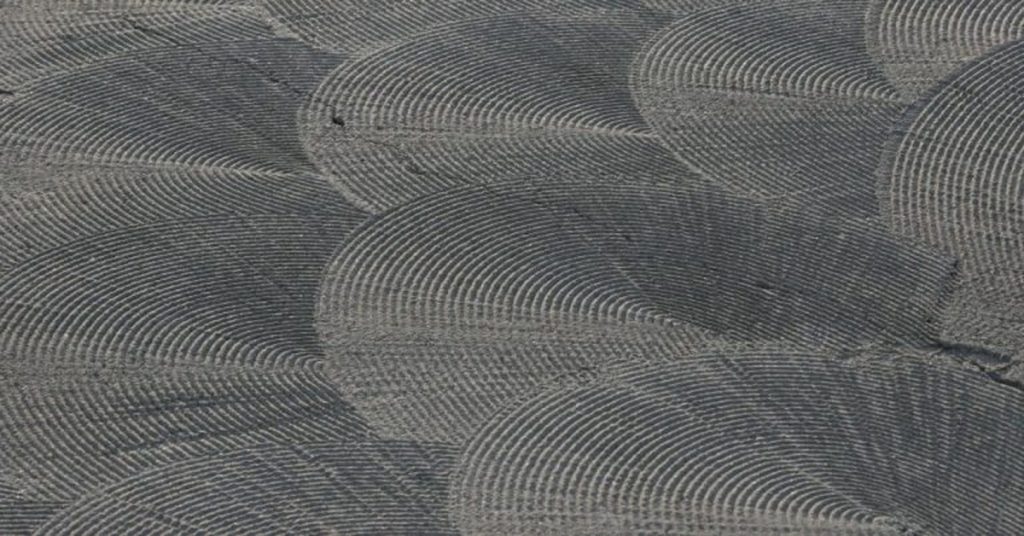
concrete surface with circular textured pattern

Adding Texture to Slick Concrete: Mechanical vs Chemical Methods and What Holds Up

Introduction Texturing slick concrete means creating a non-slip, patterned surface using either mechanical tools or chemical treatments. Mechanical methods bite into the surface with grinder discs, scarifiers, or brushes, while chemical methods react the surface to leave a grip pattern. Both approaches require clean, dry conditions and a plan for the look you want, plus […]

Adding Texture to Slick Concrete: Mechanical vs Chemical Methods and What Holds Up Read More »
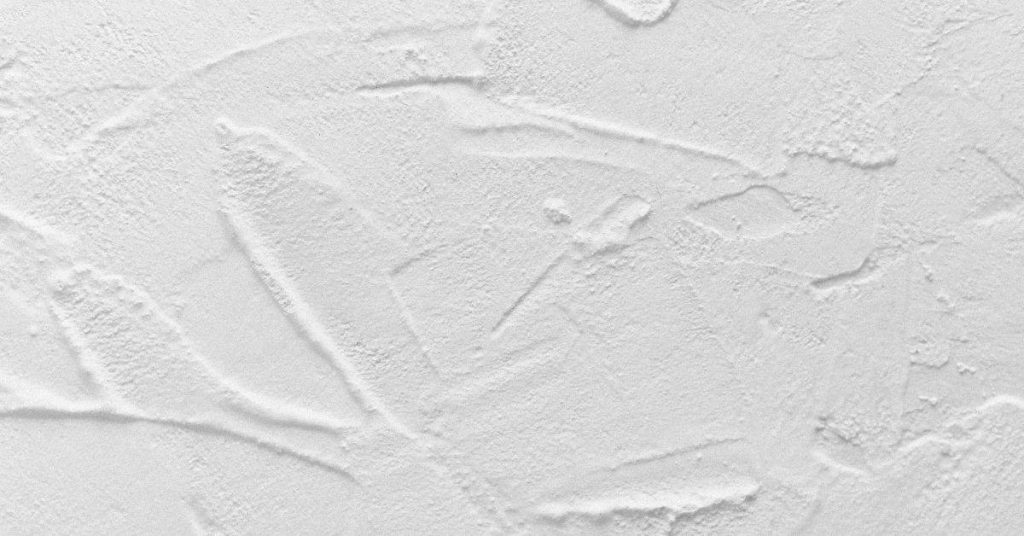
Close-up of white textured plaster wall surface

Blending Broom Finish Patches: Matching Texture Without Creating a ‘Patch Rectangle’

Introduction Blending broom finish patches means you extend the texture so the repair doesn’t look like a clean, rectangular patch. Aim for a seamless transition by aligning the finish direction with the surrounding concrete and feathering the edges. This is a practical, hands-on approach you can try on a weekend. Prepare the patch by cleaning

Blending Broom Finish Patches: Matching Texture Without Creating a ‘Patch Rectangle’ Read More »

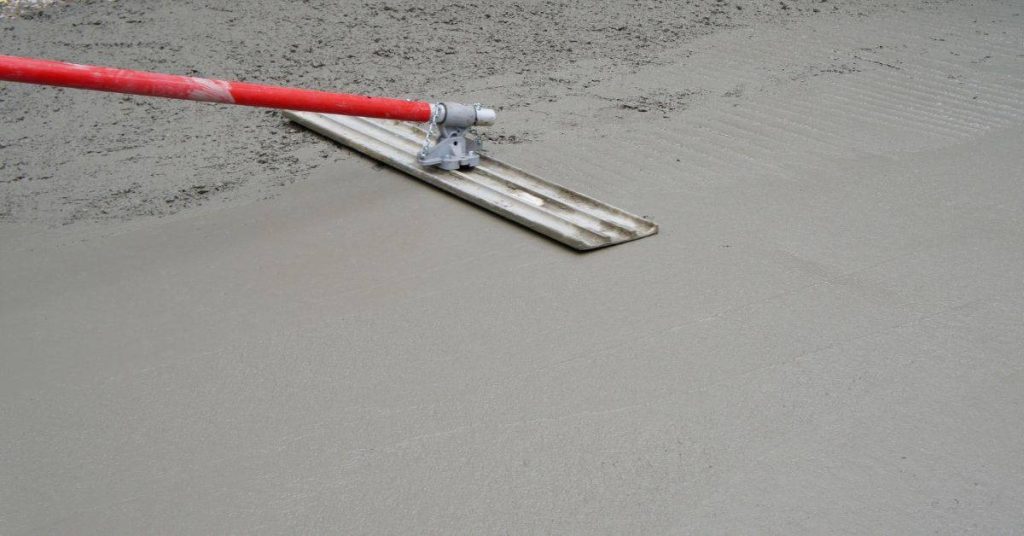
Red-handled tool smoothing wet concrete surface

Concrete Crack Stitching for DIYers: When Staples Help and When They Don’t

Introduction Concrete crack stitching is a repair method that uses staples to grab and hold cracked slabs together. It aims to slow opening and transfer movement across the crack when appropriate. This DIY intro explains when staples help and when they don’t in plain language. Before you start, check manufacturer instructions, local rules, and the

Concrete Crack Stitching for DIYers: When Staples Help and When They Don’t Read More »

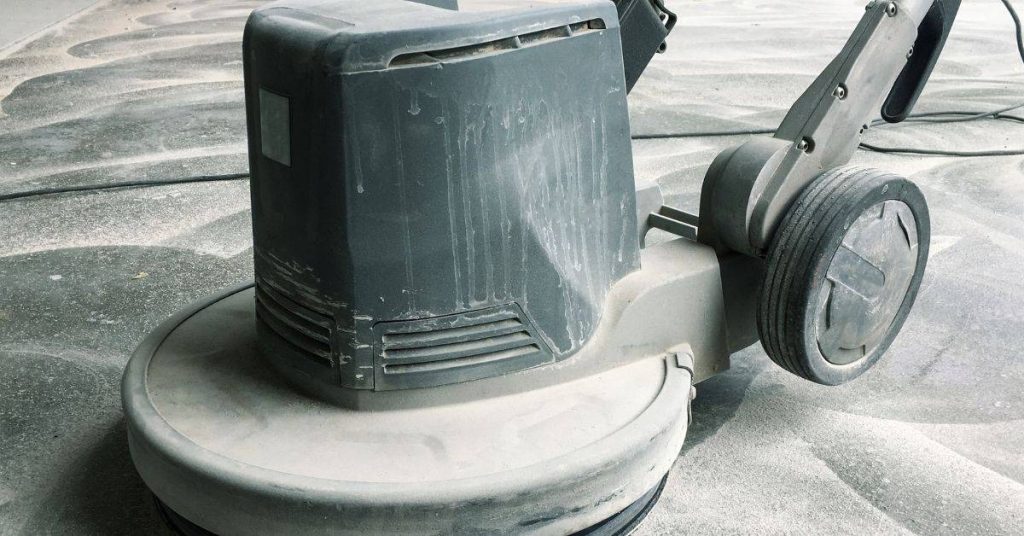
Concrete floor grinding machine on concrete surface

Concrete Trowel Blade Burnishing: When It Makes a Floor Stronger and When It Creates Dark Swirls

Introduction Concrete trowel blade burnishing is the act of using a trowel blade on a fresh slab to seal the surface and tighten the paste, which can harden the floor but may leave dark swirl marks if done too aggressively. In practice, it can give a slick finish and extra density when conditions are right,

Concrete Trowel Blade Burnishing: When It Makes a Floor Stronger and When It Creates Dark Swirls Read More »

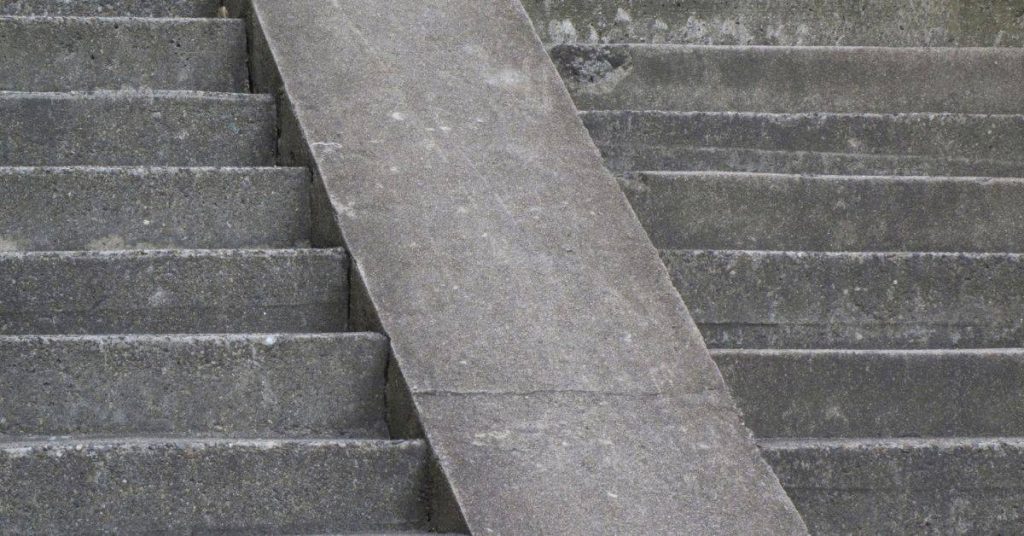
Concrete stairs with a smooth concrete ramp in the middle

Finishing Concrete Along Stairs and Steps: Clean Risers, Tight Corners, and No Ragged Edges

Introduction Finishing concrete along stairs and steps means smoothing and shaping risers and treads to remove ridges and achieve clean, even faces. This work uses hand tools and careful edging to keep joints tight and consistent along each stair edge. The goal is a safe, neat look that lasts without ragged edges. Start by outlining

Finishing Concrete Along Stairs and Steps: Clean Risers, Tight Corners, and No Ragged Edges Read More »

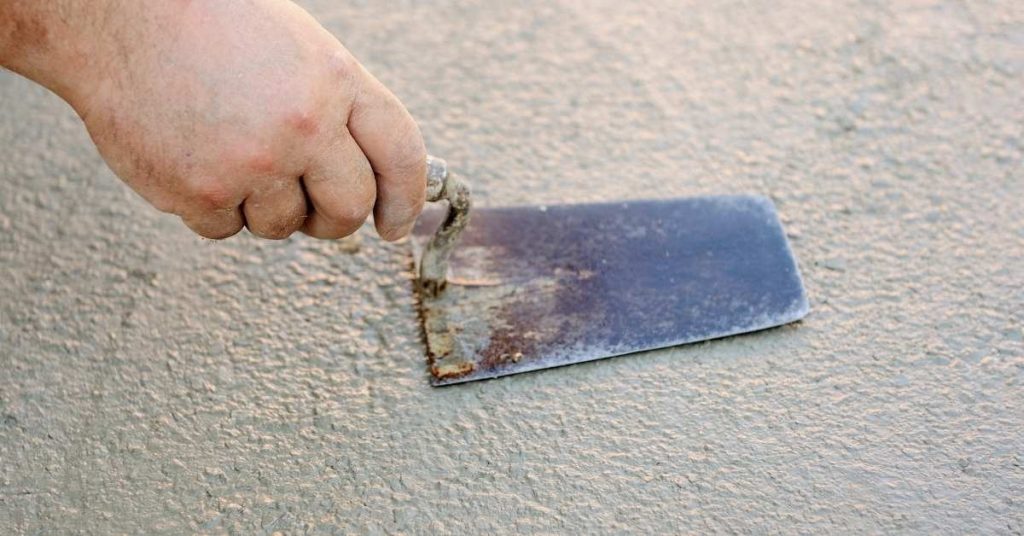
Hand holding trowel smoothing wet stucco surface

Repairing Stucco Control Joints: When to Reseal vs Replace the Accessory

Introduction Repairing stucco control joints means deciding whether to reseal the joint or replace the accessory. This article helps you assess condition and choose the practical path for a DIY project. You’ll find plain-language steps to reseal or replace without guesswork. Watch for signs like wide cracks, loose trim, or staining that suggest movement or

Repairing Stucco Control Joints: When to Reseal vs Replace the Accessory Read More »

Black freestanding bathtub on dark floor with faucet stool and plant

Concrete Birdbath Waterproofing: Coatings vs Liners and Maintenance Reality

Introduction Waterproofing a concrete birdbath involves choosing between coatings and liners to keep water in and debris out. Coatings seal the surface, while liners create a separate interior barrier—each has pros and cons you can verify on product labels. You’ll want to compare how durable, easy to install, and repairable each option is for your

Concrete Birdbath Waterproofing: Coatings vs Liners and Maintenance Reality Read More »

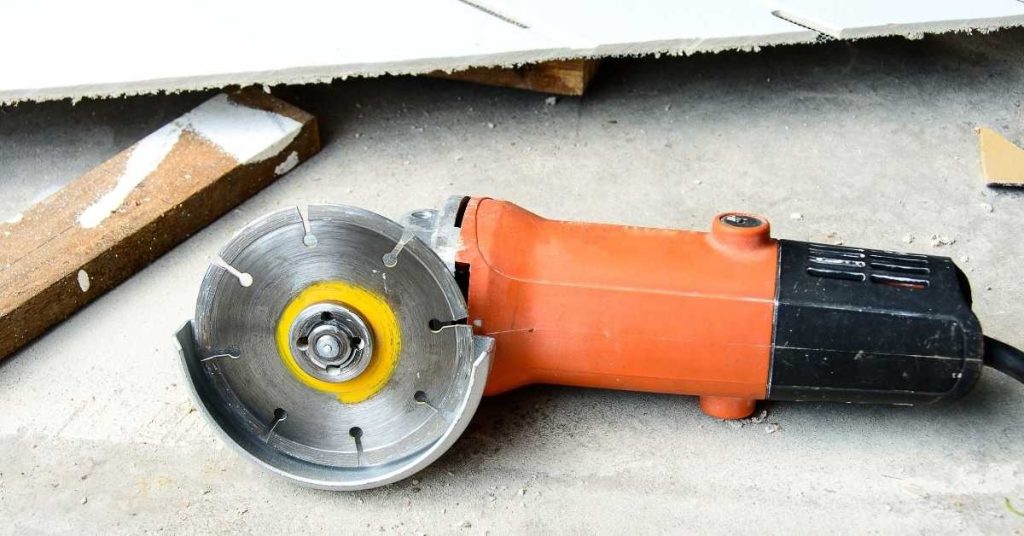
Corded angle grinder lying on dusty concrete floor

How to Avoid Grinder ‘Swirl Marks’: Technique, Tool Path, and When to Cross-Hatch

Introduction Grinder swirl marks are fine scratches left by abrasive motion, and you avoid them with the right technique. Choose the right grinder and disk for the wood task, keep the surface clean, and maintain steady, even pressure. Work in small, overlapping passes and check your progress often before moving to a finer abrasive. Use

How to Avoid Grinder ‘Swirl Marks’: Technique, Tool Path, and When to Cross-Hatch Read More »

Close-up of rough concrete wall with wood formboard texture

Concrete That Looks Mottled After Sealing: Moisture Trap vs Uneven Absorption

Introduction Mottled concrete after sealing is uneven color that shows up on the surface due to moisture movement or uneven absorption. This isn’t a failure of the seal alone—it’s how the color beneath the seal reacts to the moisture levels in the slab. In plain terms, small differences in how the concrete absorbed the mix

Concrete That Looks Mottled After Sealing: Moisture Trap vs Uneven Absorption Read More »