Search Results for: grinding

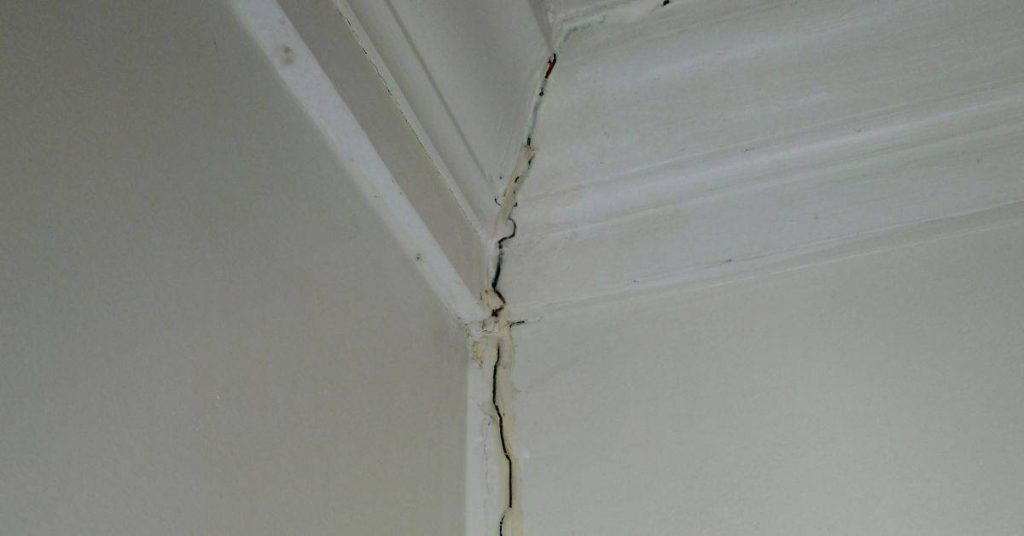
Hairline crack in plaster wall corner near ceiling trim

Hairline Crack Repairs That Don’t Show: Routing vs Injection vs Surface Fill

Introduction Hairline crack repairs that don’t show are methods that seal the crack and restore a smooth, uniform surface without visible seams. Routing, injection, and surface fill are common DIY options you can choose based on access and how the crack behaved. The goal is to blend the repair so it’s hard to notice after […]

Hairline Crack Repairs That Don’t Show: Routing vs Injection vs Surface Fill Read More »

Hand holding trowel with wet concrete inside container

Feather-Edge Patch Failures: Minimum Thickness Rules and Better Edge Details

Introduction Feather-edge patch failures occur when the thin edge of a patch is not thick or stable enough to grip the surrounding concrete. In plain terms, the edge can erode or chip and the patch pulls away. Make sure you follow the material’s directions and local rules for edge prep. To avoid failures, clean and

Feather-Edge Patch Failures: Minimum Thickness Rules and Better Edge Details Read More »

Hand smoothing plaster on white wall with trowel

Repair Mortar That Debonds: Surface Prep Mistakes and How to Reattach Correctly

Introduction Repairing mortar that debonds means reattaching loose mortar to the wall or joint using proper prep and bonding steps. Start by cleaning away loose bits and finding solid edges so the new mix has something solid to grab. Check the product label or manufacturer instructions for bond requirements and suitable mixes, and follow local

Repair Mortar That Debonds: Surface Prep Mistakes and How to Reattach Correctly Read More »

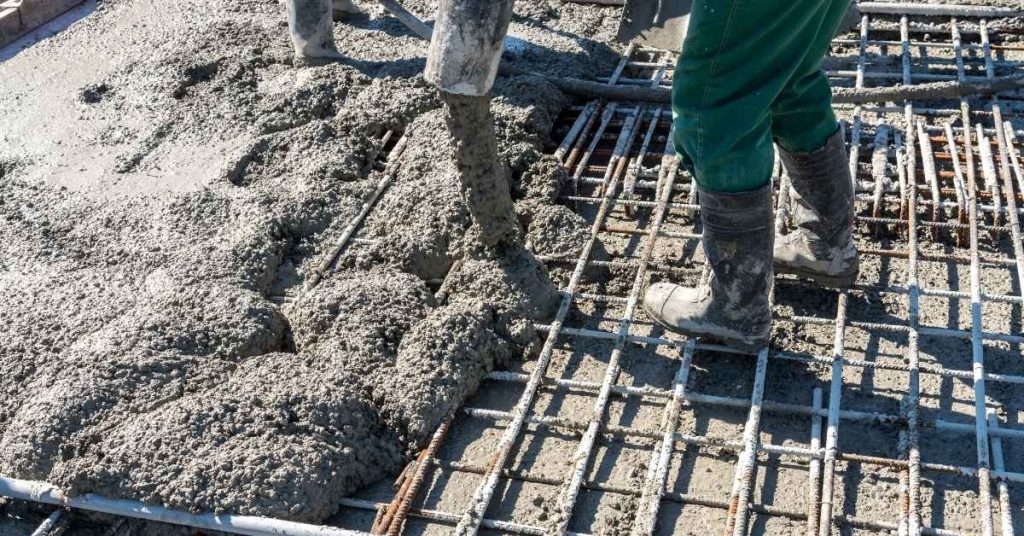
Worker pouring wet concrete over steel rebar grid

Repairing Concrete After Jackhammering Nearby: Microcracks, Prep, and Patch Adhesion

Introduction Repairing concrete after jackhammering nearby means fixing hairline cracks and damaged patches so the surface can take load again and look even. Microcracks form from vibration and shifts, and prep is needed to keep new material from pulling away. Start by cleaning dust and debris, then let the area dry. Roughen the surrounding concrete

Repairing Concrete After Jackhammering Nearby: Microcracks, Prep, and Patch Adhesion Read More »

Hand painting metal frame with orange paint roller

Sealing Cracks Before Painting Concrete: Fillers That Don’t Telegraph Through Topcoats

Introduction Sealing cracks before painting concrete means filling and sealing gaps so the finished surface looks uniform and the cracks don’t telegraph through the topcoat. It’s a practical, hands-on step you can tackle with basic fillers and simple tools. Always check the product label for curing time and application temperature before you start. Choose a

Sealing Cracks Before Painting Concrete: Fillers That Don’t Telegraph Through Topcoats Read More »

painted concrete porch floor with chairs and small table

Concrete Floor Paint Blistering Months Later: Vapor Drive vs Cleaning Residues

Introduction Blistering on a finished concrete floor is when paint bubbles and lifts away months after you painted. Two common culprits are vapor drive from the slab and leftover cleaning residues. Both causes require different fixes, so identify which is at fault before touching up. To tell which is the cause, check for moisture or

Concrete Floor Paint Blistering Months Later: Vapor Drive vs Cleaning Residues Read More »

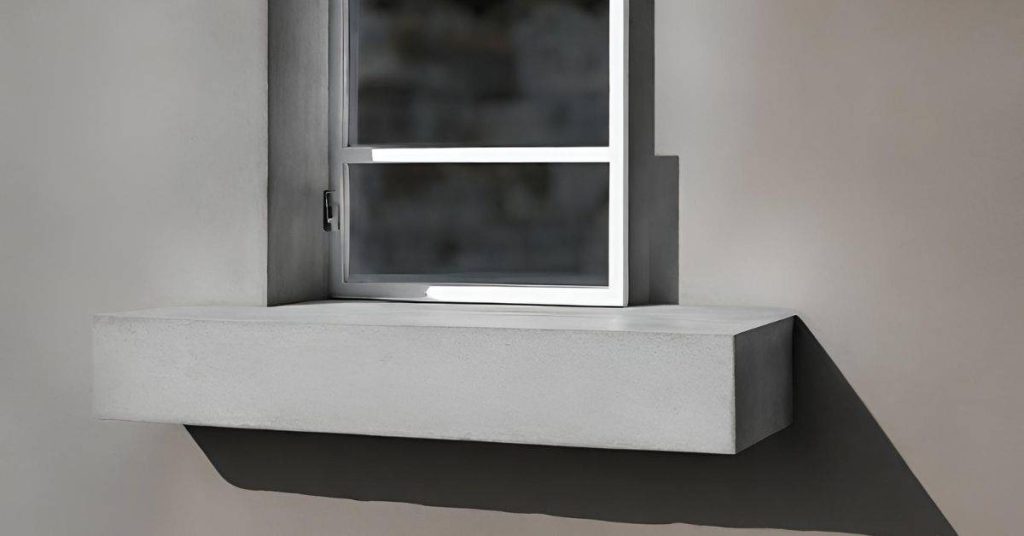
Concrete window sill beneath an open window

Removing Silicone Smears From Concrete: Why Sealers Fish-Eye and How to Fix It

Introduction Silicone smears on concrete are leftover sealant residues that can ruin a finish. They create spots where new coatings won’t adhere properly. That adhesion gap is what we mean by fish-eye and it shows up as specks or craters. Plan a careful cleanup: choose a remover that matches the sealant and the concrete, and

Removing Silicone Smears From Concrete: Why Sealers Fish-Eye and How to Fix It Read More »

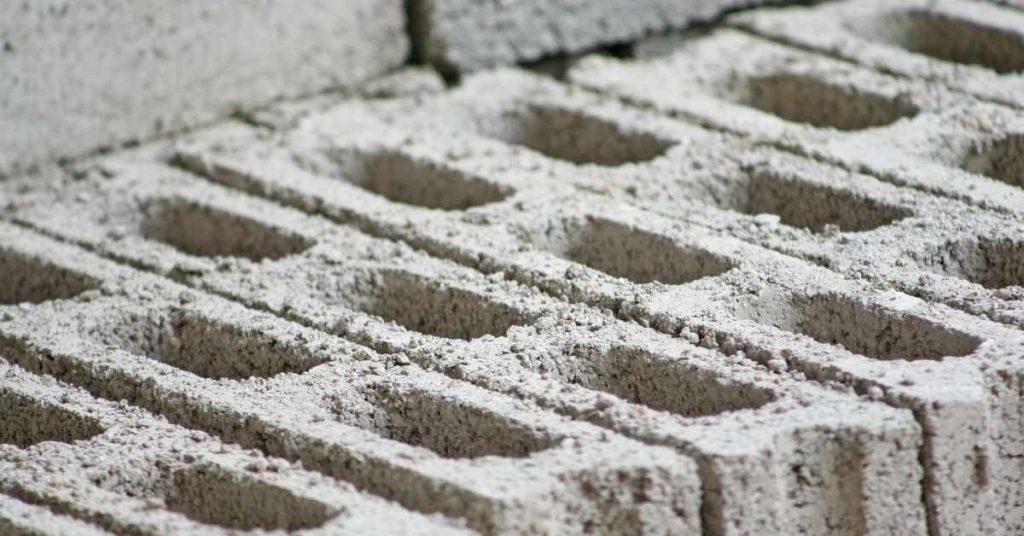
Closeup of stacked gray concrete cinder blocks

Removing Mulch Dye Stains on Concrete: Why They Stick and How to Lift Them

Introduction Mulch dye stains are color residues left on concrete after mulch pigments dry. Key takeaways Act quickly on fresh dye stains; blot, rinse, and avoid spreading. Identify stain type before treatment: dye stain, discoloration, or finish film. Test cleaner on a small area first to prevent damage. Use least-aggressive methods in sequence; wear eye/skin

Removing Mulch Dye Stains on Concrete: Why They Stick and How to Lift Them Read More »

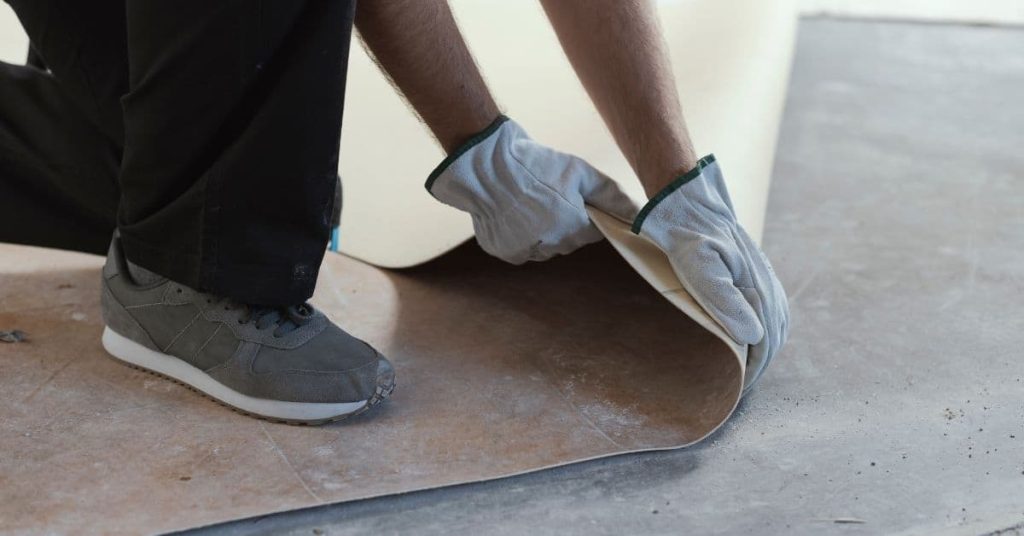
Person peeling linoleum flooring off concrete floor

Removing BBQ Grease From Concrete: Heat, Degreasers, and When to Use Poultice

Introduction Removing BBQ grease from concrete means using heat, cleaners, and poultices to lift and dissolve oil stains from a concrete surface. It’s a hands-on process you can tackle in stages, starting with a test spot and moving to the bigger area. Check the surface, ventilation, and local rules before you begin, and read product

Removing BBQ Grease From Concrete: Heat, Degreasers, and When to Use Poultice Read More »

Empty residential garage with concrete floor and closed garage door

Cleaning Concrete After Fertilizer Spills: Salts, Staining, and Rinse Rules

Introduction Cleaning concrete after fertilizer spills involves removing salts and stains while rinsing away residue. Fertilizers can leave mineral salts that pull water from the surface and leave pale or dark spots. This guide keeps it practical for DIY work and warns you to follow product labels and local rules. Start by rinsing the area

Cleaning Concrete After Fertilizer Spills: Salts, Staining, and Rinse Rules Read More »