Search Results for: grinding

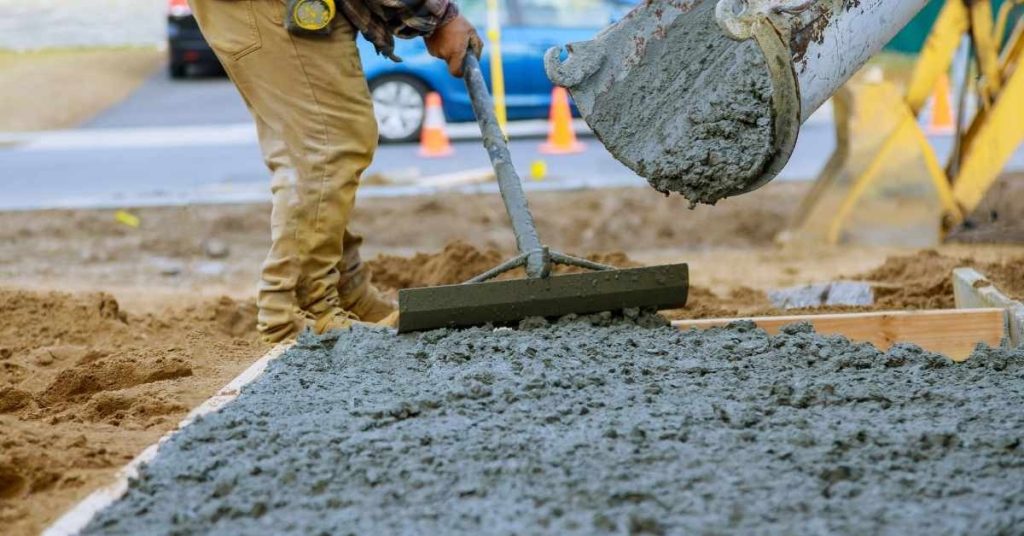
Worker smoothing wet concrete with rake near pouring excavator

Concrete Discoloration From Plastic Curing: Preventing ‘Tarp Lines’ and Blotches

Introduction Concrete discoloration from plastic curing happens when the surface dries unevenly under plastic sheeting, creating lighter and darker patches. Tarp lines and blotches form where edges or wrinkles trap moisture or restrict evaporation. That’s a common DIY issue when you want a smooth, uniform finish without waiting longer. To prevent it, lay the plastic […]

Concrete Discoloration From Plastic Curing: Preventing ‘Tarp Lines’ and Blotches Read More »
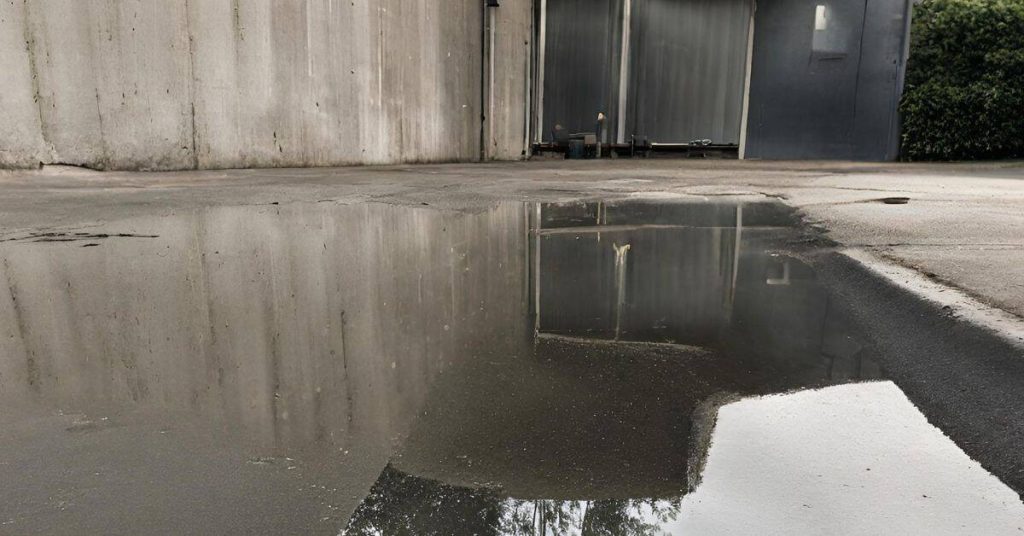
Concrete floor with large water puddle near wall

Concrete Dark Spots After Cure: Water, Curing Plastic, or Contamination—How to Tell

Introduction Dark spots on cured concrete usually indicate moisture issues, improper curing, or contamination. This article will help you tell which cause is at play and what to check on a DIY jobsite. We’ll cover practical signs to look for and simple checks you can do with common tools. Curing methods include keeping moisture with

Concrete Dark Spots After Cure: Water, Curing Plastic, or Contamination—How to Tell Read More »

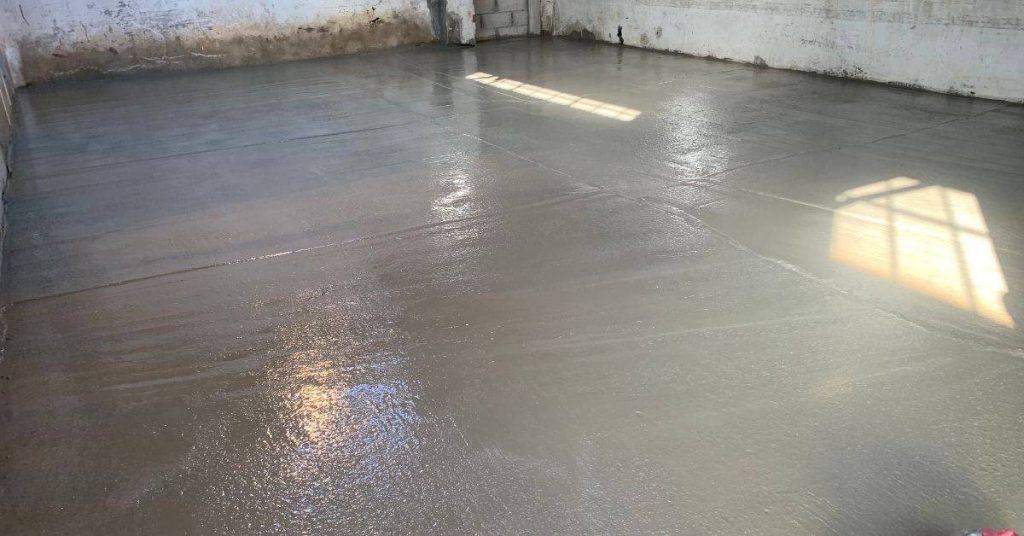
Freshly poured concrete floor inside a building

Why New Concrete Gets Soft Spots: Bleed Water, Overworking, and Local Fixes

Introduction Soft spots in new concrete are areas where the surface feels mushy or weak while it cures. They commonly form when extra bleed water rises to the surface or when the mix is overworked during finishing. Identifying the cause helps you choose the right fix and prevent this from reoccurring. Watch for shiny patches,

Why New Concrete Gets Soft Spots: Bleed Water, Overworking, and Local Fixes Read More »

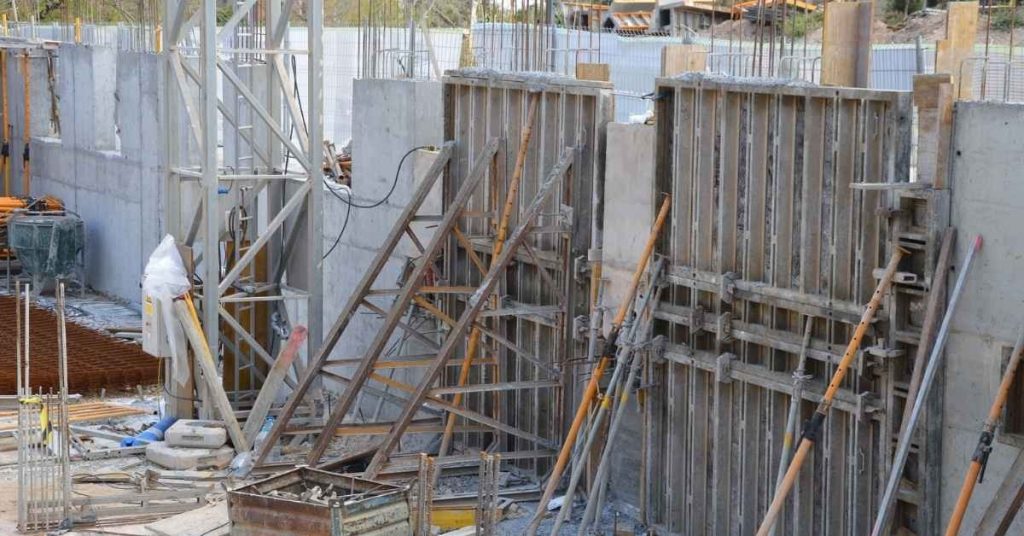
Concrete wall formwork with bracing supports at construction site

How to Fix Concrete That Starts Dusting Early: Curing Mistakes and Densifier Options

Introduction Dusting concrete early means the surface is wearing away, leaving a chalky film. It often comes from curing mistakes that kept the slab too dry or too wet during early hardening. This basic guide covers how to spot it and what you can do next. Densifiers and similar surface hardeners can help bind the

How to Fix Concrete That Starts Dusting Early: Curing Mistakes and Densifier Options Read More »

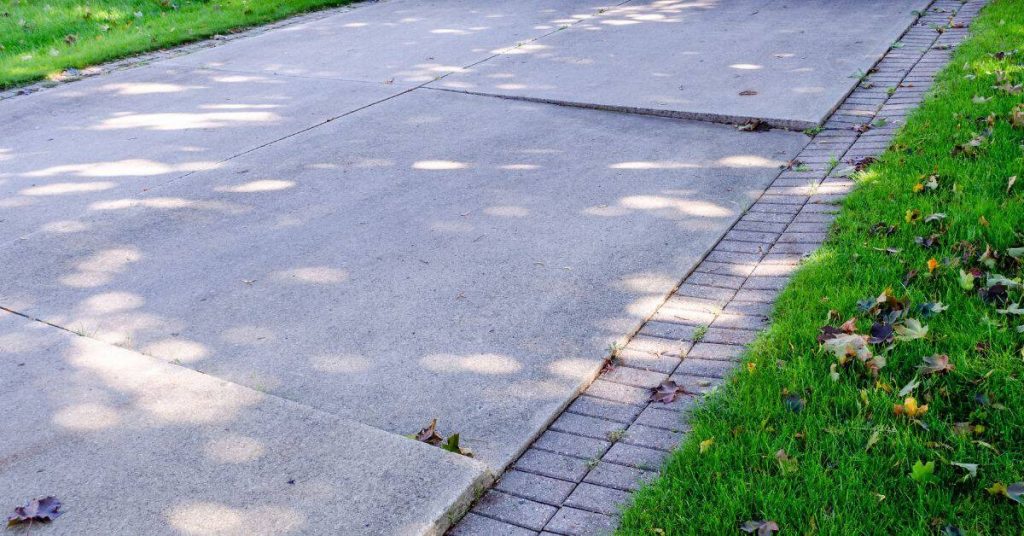
Concrete driveway with brick border and straight control joints

Concrete Groover Techniques: Keeping Joints Straight Without Chatter Marks

Introduction Concrete groover techniques are methods to create clean, straight control joints in fresh concrete. Using a groover or tool designed for joint lines helps you guide the surface and reduce wavy chatter. It’s a practical, hands-on step you can do with basic tools and steady effort. To keep joints straight without chatter marks, plan

Concrete Groover Techniques: Keeping Joints Straight Without Chatter Marks Read More »

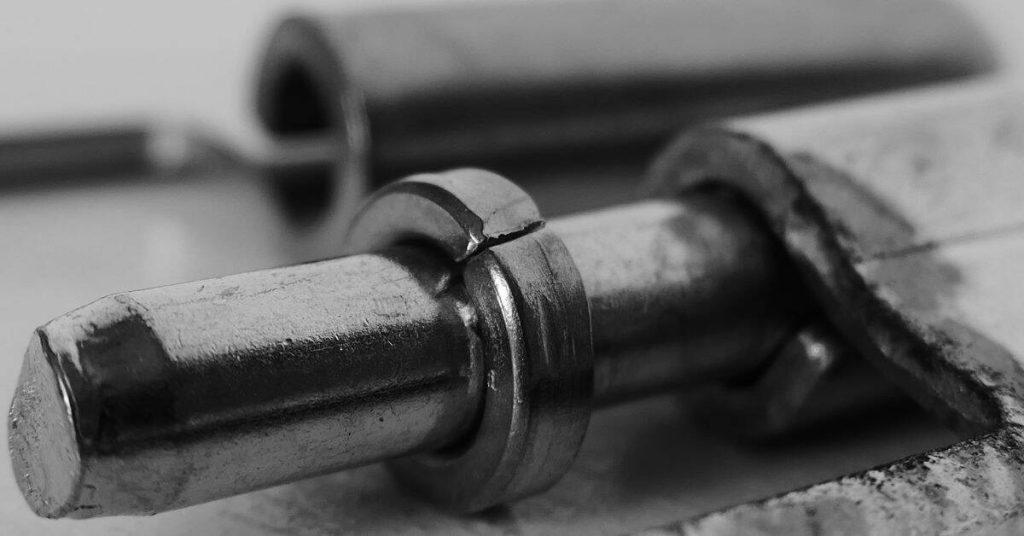
Close-up of metal rod with cracked retaining ring

Ring-Anode Spalls Explained: Why Repairs Can Accelerate Corrosion Next Door

Introduction Ring-anode spalls are corrosion damage around a ring-shaped anode where nearby metal starts spalling due to accelerated attack. In plain terms, you’re seeing how the ring setup can push galvanic action into surrounding metal. It’s a local deterioration issue that can spread if the ring current isn’t balanced or protected from moisture. For a

Ring-Anode Spalls Explained: Why Repairs Can Accelerate Corrosion Next Door Read More »

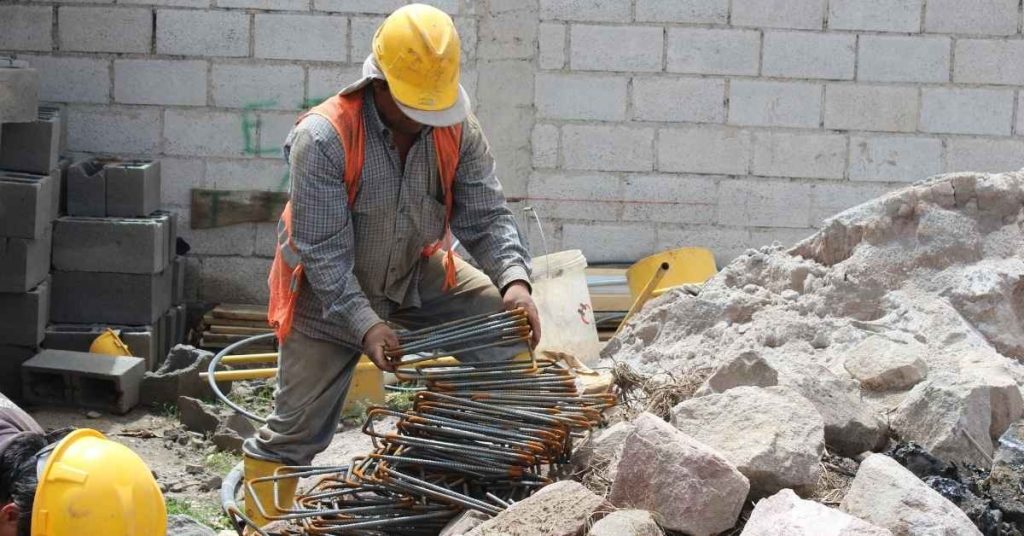
Worker in safety gear handling rusty rebar on construction site

Cleaning Rebar for Small Repairs: When Wire-Brushing Is Enough and When It Isn’t

Introduction Wire-brushing rebar is a surface cleaning method used to remove loose rust and scale from small repair bars before patching. It can be enough when the rust is light and the bar is still solid, with clean steel showing through. Check that the metal is not deeply pitted or flaky; if it is, further

Cleaning Rebar for Small Repairs: When Wire-Brushing Is Enough and When It Isn’t Read More »

Clear glass bowl with white powder under shoe rack

Urethane Topcoat Blushing: Humidity, Solvents, and How to Clear It

Introduction Blushing is a cloudy, milky haze that forms on a polyurethane topcoat surface when moisture or solvents react with the film. In humid conditions or when solvents evaporate too quickly, this haze can appear and stay until the finish dries. Recognizing it early helps you decide whether to slow down, adjust the environment, or

Urethane Topcoat Blushing: Humidity, Solvents, and How to Clear It Read More »

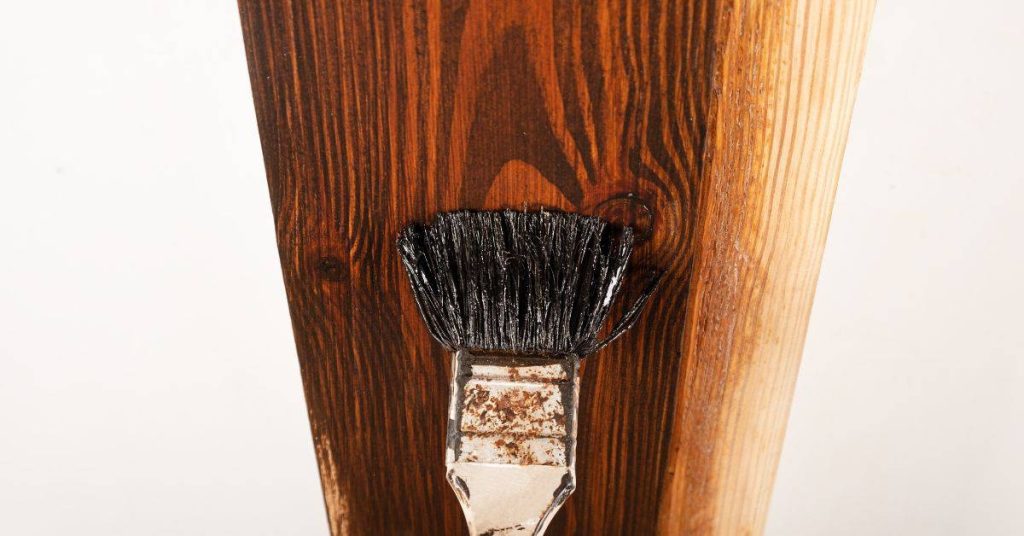
Paintbrush applying dark varnish to wooden plank

Coating Over Damp Wood Near Concrete: Why Blisters Form and Better Breathable Systems

Introduction Blisters form when moisture underneath the coating pushes through and splits the film over damp wood near concrete. You’ll see raised bubbles or pockets as the coating tries to cure in a wet, alkaline environment. Work is risky if you skip drying and proper surface prep. Look for breathable coating options and follow proper

Coating Over Damp Wood Near Concrete: Why Blisters Form and Better Breathable Systems Read More »

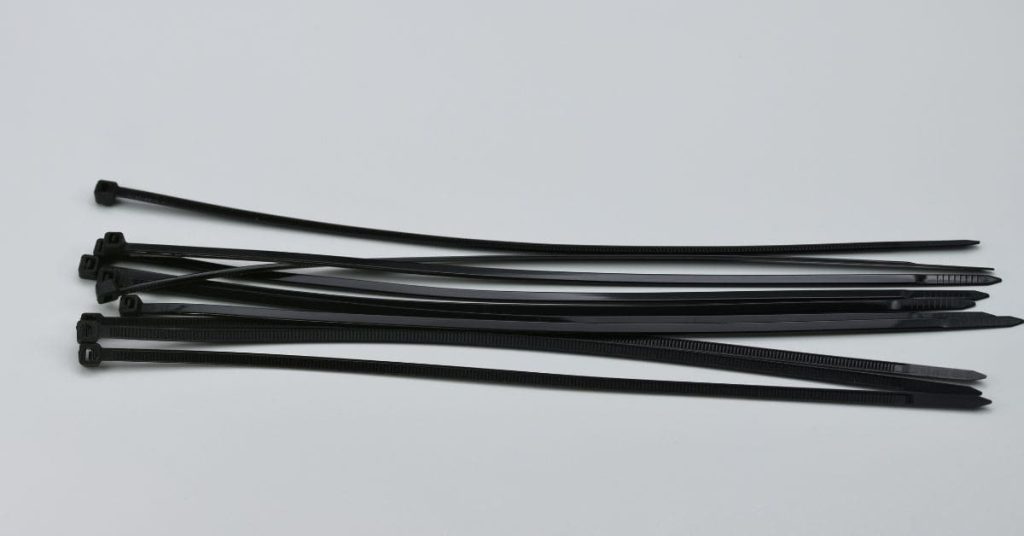
Black plastic cable ties of various lengths on white surface

Spraying Paint in a Garage: Overspray Containment With Cheap Plastic and Filters

Introduction Overspray containment is the quick setup of cheap plastic barriers and filters to keep paint mist from drifting outside your garage. This approach is meant to be practical and affordable for a DIY project. You’ll learn how to tape plastic, hang it securely, and use simple filters to curb debris. Plan the work area,

Spraying Paint in a Garage: Overspray Containment With Cheap Plastic and Filters Read More »