
Introduction
Overspray containment is the quick setup of cheap plastic barriers and filters to keep paint mist from drifting outside your garage. This approach is meant to be practical and affordable for a DIY project. You’ll learn how to tape plastic, hang it securely, and use simple filters to curb debris.
Plan the work area, pick plastic sheeting and a basic filtration plan before you start spraying. Always check the sprayer manufacturer instructions and any local rules on ventilation and containment. Keep the space organized, replace filters as needed, and monitor for any leaks or gaps.
Key takeaways
- Plan ventilation and containment before grinding or masking, avoid cross-contamination.
- Use cheap plastic drop cloths and tape to create a basic enclosure.
- Verify filter compatibility and replace regularly during long paint runs.
- Seal seams and doors to minimize drafts and overspray escaping.
- Light the area well with diffuse, shadow-free illumination for even coating.
- Test setup in a small area before full-room painting to check airflow.
Table of Contents
- Introduction
- Key takeaways
- Planning and Safety Considerations
- Tools and Materials Checklist
- Material Specs and Standards Explained
- Designing Your Containment: Layouts and Dimensions
- Building the Containment with Cheap Plastic
- Controlling Airflow and Filtration
- Lighting, Visibility, and Work Ergonomics
- Operating the Setup: Step-by-Step Painting Process
- Conclusion
- FAQ
Planning and Safety Considerations
Outline the risks and the basic safety priorities before any spray work. Identify permit and code checks that may apply to your space.
Recommend checking local regulations and product labels for ventilation and flammability guidance. Avoid shortcuts that increase fire, health, or legal risks.
Hazard assessment and workspace selection
Before you start painting, walk through your garage to identify any potential hazards. Look for ignition sources like electrical outlets, light switches, or power tools that could spark.
Check for combustible materials too. Cars, gasoline cans, oily rags, and other flammable items should be removed from the workspace. Keep them at least 20 feet away from your painting area.
Choose a layout that minimizes risk. If possible, paint in an open garage door to improve ventilation. Keep your workspace clear of clutter to prevent trips or falls.
Permits, local codes, and insurance considerations
Before you start any work, check with your local building department to see if you need a permit. Painting might seem simple, but if it involves structural changes or affects the exterior of your home, you may need one.
Also, review local fire codes. They’ll tell you how much ventilation you need and what kind of paint is allowed in your area.
Contact your insurance provider too. Let them know about your plans. Some policies might require a permit or could be voided if you don’t follow certain guidelines.
Basic emergency preparedness
Safety should always be your top priority. Before you start, make sure you have a fire extinguisher rated for flammable liquids (like Class B fires) nearby.
Accidents can happen. If paint gets in your eyes or on your skin, wash it off immediately. Have a first aid kit ready and know where the nearest hospital is.
Plan for emergencies too. Make sure everyone knows what to do if there’s a fire or other accident. A quick response could prevent serious damage or injury.
Tools and Materials Checklist
Put together a concise DIY-friendly inventory of plastics, fasteners, fans, filters, and PPE. Prioritize items that are affordable and practical for containment.
Advise checking product labels and ratings rather than relying on brand claims. Look for safety notes on ventilation and material compatibility.
Cheap plastics, tape, and support options
Before you start spraying, set up a temporary containment area to keep overspray in check. Use this checklist to ensure you’ve got the right materials.
- Plastic sheeting: Thickness matters. Go for 6-mil or thicker to prevent tears and maintain integrity.
- Tape: Use painter’s tape, not duct tape. It won’t leave residue and is easier to remove.
- Support poles: PVC pipes work great. They’re cheap, durable, and easy to cut.
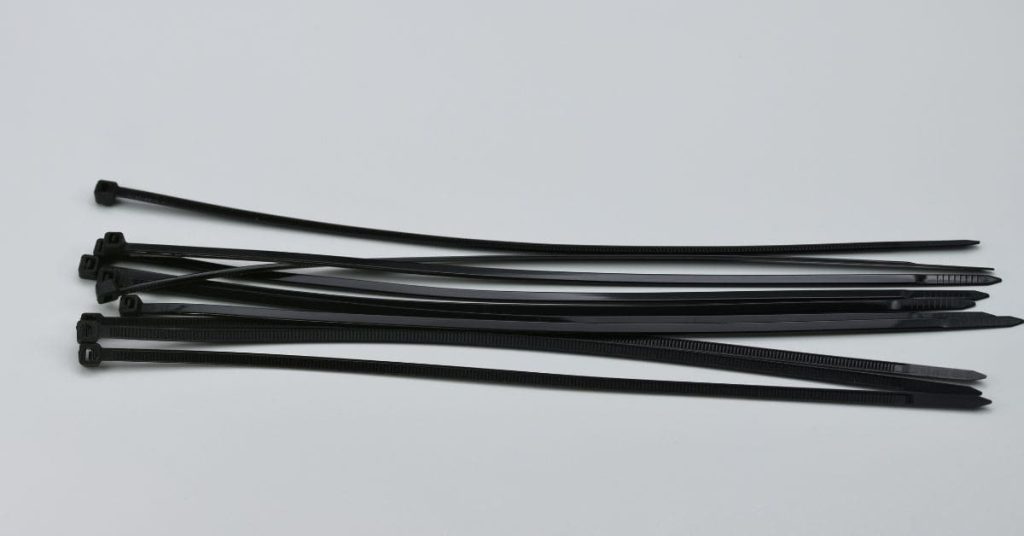
- Fasteners: Zip ties are your friend. They’re quick, secure, and won’t damage surfaces.
- Drop cloths: Old sheets or canvas tarps can help catch drips and overspray on the floor.
- Door seals: Use tape to seal any gaps around doors. Overspray loves finding new places to hide.
Quick rule: Don’t skimp on plastic thickness or tape quality. Cheap materials mean more trips to the store and a messier job.
Filters, fans, and temporary frames
Proper ventilation is key to keeping your garage air clean. Here’s what you need:
- Box fan: A simple box fan will do the trick. No need for fancy features.
- Filter material: Use a MERV-8 or higher filter. They’re affordable and effective at trapping paint particles.
- Frame material: Use 2x4s to build a simple frame. You can disassemble it when you’re done.
- Filter size: Make sure your filter fits the frame snugly. Too loose, and paint will bypass the filter.
- Duct tape: Use it to secure the filter to the frame. It’s cheap and easy to apply.
Quick rule: Don’t forget to test your setup before you start spraying. Make sure air is flowing in the right direction.
PPE and fire-safety gear
Safety first, always. Here’s what you need to protect yourself and your workspace:
- Respirator: Choose a half-face respirator with P100 filters for solvent-based paints or an N95 mask for waterborne.
- Goggles: Safety glasses aren’t enough. Get goggles that seal around your eyes.
- Gloves: Disposable gloves are fine, but make sure they’re rated for the paint you’re using.
- Fire extinguisher: Have one on hand. Choose a multi-purpose (ABC) type for most paints.
- Grounding/anti-static measures: For solvent-based paints, use anti-static spray or conductive paint to prevent static buildup.
Quick rule: Always read and follow the manufacturer’s safety guidelines for your specific paint. Don’t rely on general advice alone.
Material Specs and Standards Explained
Translate common product labels into practical buying guidance. Focus on what filters and plastics actually guarantee in use.
Encourage choosing higher-efficiency filters and flame-resistant materials where available. Always verify packaging details and data sheets for exact specs.
How to read filter and plastic labels
When shopping for filters and plastics, don’t get overwhelmed by the labels. Here’s what you need to know:
Filter Efficiency: Look for MERV (Minimum Efficiency Reporting Value) ratings. Higher numbers mean better particulate capture. For garage painting, aim for MERV 8 or higher.
Plastic Thickness: Thicker isn’t always better. Too thin can tear easily, too thick might be hard to work with. Aim for 6-10mil (mils are thousandths of an inch).
When to choose paint-rated or fire-retardant materials
Choosing the right material can make your job easier and safer. Here’s when to consider higher-rated options:
- Large Area Covers: If you’re covering a big area, like an entire garage wall, heavier-duty plastics will last longer without tearing.
- Fire Risk: If you’re painting near heat sources or open flames, fire-retardant materials can help prevent accidents. Look for ‘FR’ in the product name.
- Paint Spraying: For spray painting, use paint-rated plastics. They won’t warp or crack under paint fumes.
- Avoid Cheap Plastics: They can tear easily, stain with overspray, and have weak bond with tape.
Designing Your Containment: Layouts and Dimensions
Compare curtain-style enclosures, temporary spray tents, and near-booth solutions for different garage sizes and budgets. Consider the footprint and access flow.
Advise measuring and planning for access, ventilation, and staging before cutting plastic. Think about how you will move coats, rags, and equipment efficiently.
Single-station spray curtain layout
For small projects, a simple spray curtain is all you need. This layout focuses on containing overspray around one object or panel.
Start by measuring your workpiece’s height and width. Add a few feet extra for clearance.
Use clear plastic sheeting, like polyethylene, to create a ‘curtain’ around your workspace. Secure it at the top with tape or clamps, then let it hang down to the floor.
At the bottom, tuck the excess plastic under your workpiece to seal it off. This minimal setup keeps overspray contained and reduces plastic usage.
Full-garage temporary booth layout
For larger projects, you’ll need a more comprehensive containment solution. A temporary booth lets you isolate your workspace while keeping the rest of your garage usable.
First, measure your garage’s length and width. Divide it into two sections: one for painting, another for staging and cleanup.
Use heavy-duty plastic sheeting, like 6-mil polyethylene, to create walls between these zones. Seal any gaps with tape or clamps.
For the ceiling, hang plastic sheets from the rafters, leaving enough space for ventilation fans. This creates a makeshift booth that contains overspray within your painting area.
Positioning workpieces and staging areas
Efficient workflow is key to a successful paint job. Plan separate clean and dirty zones to prevent cross-contamination.
Start by positioning your workpiece in the center of your containment area, leaving enough space around it for easy access.
Set up a staging area outside your containment zone for prepping workpieces, mixing paint, and storing supplies. Keep this area clean to avoid tracking contaminants into your workspace.
Designate another area for painted parts to dry. This should be away from any airflow that could disrupt the drying process or introduce dust.

Building the Containment with Cheap Plastic
Step through cutting, hanging, and sealing plastic sheeting. Fasten to rafters or frames and form floors and seams to control overspray.
Avoid drafts and sagging with simple, low-cost methods. Use available hardware rather than expensive setups to keep edges secure.
Hanging and sealing plastic walls and ceilings
Start by measuring your garage’s dimensions. Cut the plastic sheets to size, leaving a few inches extra for overlap.
Hang the sheets from the rafters or frame using staples or tape. Keep tension on the plastic to minimize sagging and flapping. Overlap sheets by at least 6 inches and seal with duct tape.
At the ceiling, fold the plastic over itself and staple it to create a tight seam. Use a piece of cardboard or a broom handle to keep the fold neat while stapling.
Creating access doors and glove ports
For an access door, cut out a rectangle in one of the plastic sheets. Attach a zipper or create a flap using duct tape to seal it shut when not in use.
For glove ports, cut small circles (around 6 inches) into the plastic. Seal around the edges with duct tape. This allows you to reach through and work on your project without letting out too much overspray.
Pro tip: Use a sharp utility knife for clean cuts and avoid puncturing the plastic.
Controlling Airflow and Filtration
Explain how to set up directional airflow with intake versus exhaust. Choose fan placement that supports containment without drawing overspray around openings.
Integrate low-cost filters to capture overspray before it escapes the garage. Note that adequate ventilation rates depend on paint type and local safety guidance.
Intake, exhaust, and cross-ventilation strategies
Setting up airflow is key to keeping overspray contained. Here’s how:
Exhaust: Place your exhaust fan near the spray area. It should blow air out of the garage, pulling overspray towards filters.