

Introduction
Mottled concrete after sealing is uneven color that shows up on the surface due to moisture movement or uneven absorption. This isn’t a failure of the seal alone—it’s how the color beneath the seal reacts to the moisture levels in the slab. In plain terms, small differences in how the concrete absorbed the mix or age affect the look after sealing.
To keep it from looking blotchy, check the curing method, surface prep, and the sealers’ instructions before sealing. Watch for common colored concrete mistakes and uneven coloring, and consider how efflorescence can impact tone over time. If you see mottling, reassess curing and sealing steps and use a compatible sealer, then recheck product labels and local rules for guidance.
Key takeaways
- Quick check: observe sheen and residual dampness after curing to spot moisture traps.
- Uneven absorption creates patchy color; inspect surface prep, curing, and sealer compatibility.
- Common colored concrete mistakes include inconsistent pigments and mismatched seal coats.
- Perform a small patch test to guide whether moisture or absorption dominates.
- Safety: wear PPE, avoid contact with fresh sealant, and ventilate work area.
- Prevent repetition with proper curing, moisture barriers, and staged sealing across surfaces.
- Leave a Reply Cancel reply prompts user interaction; ensure forms remain accessible.
Table of Contents
- Introduction
- Key takeaways
- Quick Visual Diagnosis: Is It Moisture or Absorption?
- Common Causes of Mottling After Sealing
- In-Depth: How Moisture Traps Form and Their Effects on Sealed Concrete
- In-Depth: How Uneven Absorption Creates Mottling
- How to Test and Diagnose the Real Cause (Step-by-Step)
- Repair and Remediation Options, Prioritized by Severity
- Prevention, Planning and Long-Term Maintenance
- Practical Next Steps and Trusted Sources
- Conclusion
- FAQ
Quick Visual Diagnosis: Is It Moisture or Absorption?
Start with a simple visual check to separate moisture entrapment from uneven absorption. Look for signs that appear soon after sealing and how they behave as the coating cures. Use observable cues to guide your next steps.
Notice if a cloudy or whitish haze shows up quickly and lingers, or if color variation follows grain or texture without a persistent haze. Pay attention to timing, whether patterns stay fixed or shift with moisture exposure. Use a touch test and a dry wipe to confirm suspect areas before proceeding with remediation.
Key visual indicators of a moisture trap
A moisture trap under your sealer can cause a cloudy, whitish haze on your concrete. This usually appears soon after sealing and persists.
Blistering or sealer delamination might also occur if water is trapped beneath the surface. These signs point to upwards moisture movement or trapped vapor.
Moisture traps often form cloudy patches, halos around high-porosity areas, or irregular blotches. They may feel slightly damp and cooler to touch compared to surrounding areas.
Key visual indicators of uneven absorption
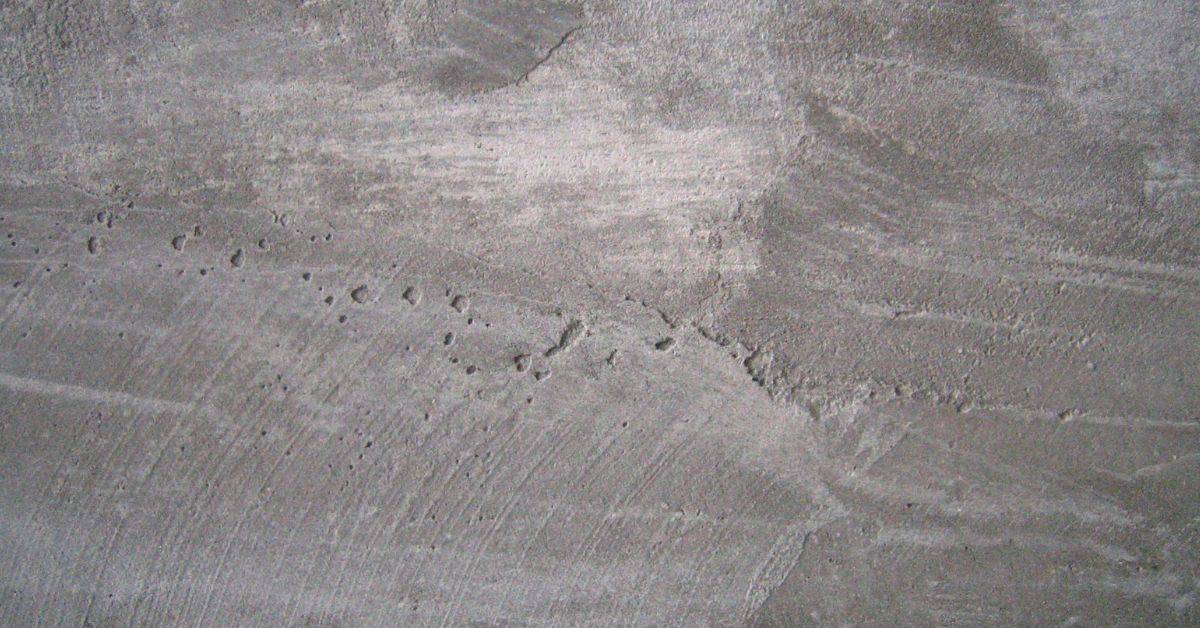
Uneven absorption results in patchy sheen, tone variation, or ‘splotchy’ color on your concrete. This usually happens due to variable porosity or surface contamination.
The color variation matches the grain, porosity, or surface texture of your substrate. It doesn’t typically resolve with time and isn’t accompanied by a persistent haze.
Uneven absorption tends to follow consistent substrate features. You might see it aligning with brush/roller strokes or density changes in the concrete.
When to call a pro vs DIY checks
Before you decide, do some basic on-site checks. Wipe with a dry cloth to see if residue remains. A moisture trap might leave behind a sticky or damp feeling.
If the issue appears quickly and resolves with time or moisture drift, it’s likely a moisture trap. In this case, consider moisture-control steps like improving ventilation or addressing waterproofing.
However, if the problem persists, worsens, or you suspect underlying structural issues, call a professional. They can perform a thorough moisture assessment and provide expert solutions.
Common Causes of Mottling After Sealing
Think through the full range of factors that produce mottling, from moisture movement to finishing choices. Compare how each cause could manifest in your concrete and sealer results. This helps map out the most likely culprit.
Look for moisture movement from humidity or migration, differences in porosity across the surface, and any finishing or curing missteps. Consider contamination or pigment-sealer incompatibility as possible contributors, and relate them to observed color variation.
Moisture-related causes
Sub-slab moisture, trapped water, and improper curing can all lead to mottling after sealing. Here’s how:
Moisture migration: If concrete is still drying when sealed, moisture can rise to the surface, pushing sealers around and creating color variations.
Trapped water: Water trapped within the slab during curing can also cause issues. When it finally escapes after sealing, it pushes sealers around, leaving mottled patches.
Proper curing is crucial to prevent these moisture-related problems. Keep concrete damp but not wet for the first 7 days, then allow it to dry slowly and evenly.
Surface and absorption-related causes
Differences in your concrete’s surface can cause sealers to absorb unevenly, resulting in mottling:
Laitance: This is a weak, cement-rich layer that forms on the surface during concreting. If not removed properly before sealing, it absorbs sealer differently than the rest of the slab.
Dust and curing compounds: These can leave residue on the surface, preventing even absorption of sealers and causing mottling.
Before sealing, ensure your concrete is clean and free from laitance, dust, and curing compounds. A thorough wash with water and a stiff brush should do the trick.
Application, product and pigment issues
Mistakes in application and product selection can also lead to mottling:
Wet tools: Using wet tools for finishing can leave water marks that show up after sealing.
Over-application: Applying too much sealer can cause it to puddle, leading to dark spots once absorbed.
Wrong sealer type or pigment separation: Using the wrong type of sealer for your concrete or applying reactive stains that haven’t been mixed properly can result in color variations and mottling.
Always follow manufacturer’s instructions for application, and ensure you’re using the right product for your specific concrete. Mix pigments thoroughly before application to prevent separation.
In-Depth: How Moisture Traps Form and Their Effects on Sealed Concrete
Explain the main moisture-trap mechanisms such as vapor rise from the slab, impermeable toppings, and sealing before the slab is fully dry. Describe how these forces create cloudy or mottled appearances and can affect adhesion over time. Tie visuals to expected performance changes.
Identify practical indicators and simple checks to gauge moisture risk before sealing, such as readings or field cues that hint at under slab conditions. Note how short term appearance and long term durability may diverge if moisture is not managed properly.
Sources of excess moisture and migration paths
Concrete can trap moisture from various sources. Here’s what to watch out for:
Residual curing moisture: Even after initial curing, concrete can still hold onto some water.
Groundwater: If your slab is in contact with the ground, it might draw up moisture from below.
Failed vapor barriers: A compromised vapor barrier can let moisture seep through and into your slab.
Seasonal moisture cycles: Changes in weather can drive moisture up through your slab. This is especially true in spring or after heavy rainfalls.
How sealers interact with trapped moisture
When you apply a sealer, it can either trap moisture or allow it to escape. Here’s how:
Non-breathable sealers: These can trap vapor underneath, causing issues like whitening, bubbling, or even sealer failure.
On the other hand, breathable options allow moisture to escape, reducing these risks. But they might not provide the same level of protection against liquid water.
Always check your sealer’s manufacturer guidelines to ensure it’s suitable for your specific situation.
Visual and structural consequences to watch for
Moisture trapped under a sealer can cause several issues. Here are some signs to look out for:
Efflorescence: This is when white salt deposits appear on the surface, often looking like a powdery dusting.
Loss of sheen: Trapped moisture can dull your sealer’s gloss or matte finish, making it look lackluster.
Delamination: In severe cases, trapped moisture can cause the sealer to peel or flake off, leaving your concrete unprotected and vulnerable.
Accelerated wear: Moisture can speed up the degradation of your sealer and underlying concrete, leading to premature wear and tear.
In-Depth: How Uneven Absorption Creates Mottling
Explain how porosity variations lead to differential uptake of sealer and cause color or sheen differences. Clarify how denser areas respond differently from more porous zones. Relate this to the resulting mottling pattern.
Discuss how surface residues, dust, or cure compounds block or alter absorption, and how finishing techniques leave texture differences that influence appearance. Include timing and moisture considerations that can amplify or reveal these effects.
Causes of variable porosity on the same slab
Porosity in concrete, those tiny air voids and capillary channels, isn’t always uniform. This variation leads to differential sealer uptake, creating mottling.
Here’s what causes these differences:
Broom finish vs trowel: Broom finishes create more porous surfaces for better traction, while troweling densifies the surface, reducing absorption.
Aggregate exposure: Exposed aggregates have varying sizes and types, leading to different absorption rates. Sandstone absorbs slower than limestone, for instance.
Patch repairs: Patching with new concrete creates zones of higher porosity until the patch ages and cures evenly with the rest of the slab.
Inconsistent finishing pressure: Too much or too little pressure while troweling can leave some areas denser, others more porous.
Role of surface contaminants and residual products
Contaminants on your concrete’s surface can disrupt even sealer penetration, causing splotching. Here are the culprits:
Curing compounds: Residual curing compounds create a barrier that prevents sealers from penetrating evenly.
Form release agents: These oils and waxes can repel sealers, leading to inconsistent absorption.
Laitance or oils: Laitance is the weak, cement-rich layer that forms on concrete surfaces during curing. Oils from spills or leaks can also interfere with sealer penetration.
Timing and tooling mistakes that worsen absorption issues
Proper timing and tool use are crucial for even sealer absorption. Here’s what can go wrong:
- Over-troweling: Too much troweling densifies the surface, reducing absorption and leading to mottling.
- Wet tools: Using wet tools during finishing leaves moisture pockets that absorb sealers unevenly. Rentable tool cleaners are around $50/day.
- Incorrect timing: Sealing too soon traps moisture, causing white or gray mottling. Wait until the slab’s relative humidity is below 75%.
- Improper tool pressure: Too much or too little pressure with trowels leaves micro-variations in texture, affecting absorption.
- Inadequate surface preparation: Not removing all curing compounds, laitance, or other contaminants before sealing leads to uneven absorption.
How to Test and Diagnose the Real Cause (Step-by-Step)
Identify the likely pattern by comparing moisture-trap discoloration to uneven absorption indicators. Localized damp spots and light halos point toward moisture, while streaks or blotching often follow surface texture. Use this as a starting framework.
Use non-destructive checks such as feeling for cool dampness and inspecting for film inconsistencies. Perform simple tests on a small area to observe absorption behavior and tack or residue changes before committing to repairs.
Step-by-Step Process
Follow these practical steps to test and diagnose the cause of mottling on your sealed concrete.
- Preparation: Gather necessary tools (tapes, water, moisture meters), ensure safety by wearing gloves and protective clothing. Why: Safety first, tools help in accurate testing.
- Visual Inspection: Check for localized damp spots, salt halos, white efflorescence, streaking or blotching. Sign it’s right: You see clear patterns indicating likely cause.
- Non-Destructive Checks: Feel surface for cool, damp areas; inspect for delamination or sealing film inconsistencies; compare affected vs. unaffected areas. Why: To identify moisture traps or absorption issues early on.
- DIY Tests: Perform water absorption test on a small sample slab; do a quick tape/adhesion check if sealant seems uneven. Sign it’s right: You observe clear absorption/bleedback patterns and timing of change.
- Moisture Testing: Use pin-type or RH meters for surface and sub-slab readings; note test locations relative to problem areas. Why: To quantify moisture levels and confirm suspicions.
- Professional Consultation: If tests are inconclusive, consider hiring a pro. When: When DIY methods aren’t yielding clear results.
- Document Results: Record all test results, tolerances for future reference. Why: Helps in tracking progress and making informed decisions.
- Cleanup: Remove tapes, dispose of used materials properly. Sign it’s done: Jobsite is clean, ready for next steps.
Quick DIY checks and visual checkpoints
Use this checklist before further testing to narrow down likely causes of mottling on your sealed concrete.
- Check for localized damp spots: Moisture traps often show as small, damp areas. Confirm: Feel the surface, it should be cool and damp.
- Look for salt halos or white efflorescence: These indicate moisture migration from below. Confirm: They’ll appear as rings or patches of white powdery substance.
- Inspect for streaking or blotching: Uneven absorption can cause these patterns. Confirm: Patterns follow surface texture or aggregate exposure.
- Feel the surface: Trapped moisture feels cool and damp to touch. If skipped: You might miss localized moisture traps.
- Check sealant film consistency: Inconsistencies can cause mottling. Confirm: Film should be even, no bubbles or gaps.
- Compare affected vs. unaffected areas: This helps identify if the issue is localized or widespread. If skipped: You might overlook isolated problems.
- Perform a quick tape/adhesion check: Apply and remove tape to see if sealant lifts off. Confirm: Uneven lifting indicates uneven absorption or adhesion issues.
- Observe water droplet behavior: Place small droplets on the surface, watch how they’re absorbed. If skipped: You miss crucial clues about absorption rates.
- Check for delamination: Peeling or lifting of the sealant layer. Confirm: Gently push or tap the surface to feel for movement.
Quick rule: Always start with visual checks and simple DIY tests before moving on to more complex methods.
Recommended professional tests and what they reveal
Professional moisture testing provides quantitative data to help diagnose the cause of mottling on your sealed concrete.
In-situ relative humidity (RH) testing involves inserting probes into drilled holes to measure moisture content. What it reveals: RH levels in the slab and sub-slab areas, helping identify if excess moisture is present.
Moisture emission tests, like the ASTM F2170 test, use a calcium chloride salt pill to measure moisture vapor emissions. What it reveals: The rate at which moisture is migrating through the slab, indicating potential absorption issues or moisture traps.
Professional testing results should be evaluated against product manufacturers’ moisture tolerances. Why: To ensure that the measured moisture levels are within acceptable ranges for your specific sealers and concrete mix.
When laboratory analysis or core removal is needed
In some cases, deeper investigation is required to fully understand the cause of mottling on your sealed concrete.
Persistent or unusual failures may warrant core analysis. Why: To examine the internal structure and composition of the concrete, helping identify issues like poor curing, inadequate ventilation, or incompatible sealers.
Salt testing can help determine if excess salts are causing efflorescence or other moisture-related problems. When needed: When visual checks and professional tests suggest salt migration is an issue.
Petrographic assessment involves examining thin sections of concrete under a microscope. Why consider it: To identify microscopic defects, voids, or other internal issues that might be causing absorption problems or moisture traps.
Repair and Remediation Options, Prioritized by Severity
Begin with diagnosis to distinguish moisture behind the seal from absorption differences, and perform simple observations to confirm the cause. Choose the least invasive path first and plan for dry-out and re-sealing if needed. Use practical steps to stabilize conditions.
Address deposits or efflorescence with careful removal and re-evaluation of color uniformity after re-sealing. If issues persist, consider targeted repairs such as patching or light grinding to blend patches and reduce contrast.
Immediate surface fixes for mild mottling
For minor mottling, start by cleaning the concrete. Use a suitable cleaner to remove any dirt or contaminants that could be causing discoloration.
Efflorescence, those white salt deposits, can also cause mottling. Remove them using a wire brush and a solution of muriatic acid (one part acid to ten parts water). Be careful not to scrub too hard or you might damage the surface.
Once clean, apply a compatible tinted sealer or stain system to help blend minor issues. Make sure the slab is completely dry before sealing. Follow manufacturer’s instructions for application and drying times.
Corrective work for moisture-driven failures
If mottling is due to trapped moisture, address the source first. Improve slab drying by ensuring proper ventilation and allowing enough time for the concrete to cure. If there’s a non-breathable coating causing moisture buildup, remove it.
Consider installing a vapor mitigation system if the issue persists. These systems help control moisture migration into the concrete. Alternatively, use breathable coatings that allow moisture to escape.
Professional evaluation is recommended for severe moisture issues. They can perform tests like the calcium chloride test to quantify the moisture content and provide tailored solutions.
When resurfacing or overlay is the best option
For severe mottling or when the substrate has significant variability, consider microtoppings or overlays. These can restore a uniform appearance and address substrate issues.
Before applying, prep the surface by cleaning it thoroughly to remove any sealers, contaminants, or loose material. Lightly grind or sand the surface to open up the pores and improve adhesion.
Ensure the slab is dry before application. Follow manufacturer’s instructions for mixing, application, and curing times. Remember, overlays can hide imperfections but don’t fix underlying issues, so address those first if possible.
Prevention, Planning and Long-Term Maintenance
Set up a proactive workflow that accounts for environmental conditions and substrate preparation before sealing. Outline when to test moisture and how results influence timing for coatings. Build in checks to prevent future mottling.
Cover curing and finishing practices that promote color uniformity, select compatible sealers, and plan maintenance so issues are caught early. Include documentation to support ongoing projects and quick troubleshooting.
Pre-seal planning and surface preparation
Before you apply any sealer, it’s crucial to plan ahead and prep your concrete surface properly. This helps prevent mottling caused by moisture-related issues.
Moisture Testing: Test for moisture using in-situ calcium chloride (CM), relative humidity, or pin/mineral tests. Do this before any sealing work begins. Timing is key – test when conditions are representative of the slab’s typical environment.
Clean and Contaminant Removal: Ensure your surface is clean and free from contaminants like curing compounds, form oil, or laitance. Use appropriate cleaning methods to remove these before sealing.
Consistent Surface Profile: Achieve a consistent surface profile using mechanical or chemical means. This helps ensure even sealer absorption and prevents mottling due to uneven surfaces.
Sealer selection, application timing and safety precautions
Choosing the right sealer and applying it at the correct time are vital for preventing mottling. Always follow manufacturer’s instructions.
Sealer Selection: Match your sealer’s permeability to your slab’s conditions. Water-based sealers are typically more permeable than solvent-based ones. Consider using a compatible sealer if you’ve added additives or pigments.
Application Timing: Don’t rush the process. Allow enough time for the concrete to cure and dry properly before sealing. This could take anywhere from 28 days to several months, depending on conditions.
Safety Precautions: Always use proper ventilation when applying sealers. Wear appropriate PPE, including gloves, safety glasses, and a respirator if needed. Follow mixing ratios carefully to avoid contamination that could cause uneven absorption.
Long-term maintenance and cost implications
Proper sealing extends your concrete’s service life, reduces maintenance costs, and prevents expensive repairs. Here’s how:
Regular Inspections: Conduct routine inspections to check for signs of wear, damage, or moisture issues. This helps catch problems early before they become costly.
Re-sealing Intervals: Re-apply sealers as needed, typically every 3-5 years depending on traffic and weather conditions. Regular re-sealing prevents water intrusion and reduces maintenance needs.
Preventive Testing and Correct Sealer Choice: By testing for moisture regularly and choosing the right sealer initially, you can significantly reduce long-term costs. Improper sealing increases maintenance, shortens service life, and leads to higher repair costs.
Practical Next Steps and Trusted Sources
Provide a practical tools and materials list for diagnosing moisture and absorption issues, plus a clear action plan to verify conditions before sealing. Outline remediation steps that fit a DIY approach and know when to pause and test further. Keep it actionable.
Offer links to testing standards and manufacturer guidelines you can consult, and explain how to interpret them in real work. Invite readers to ask questions and share photos to help diagnose and refine methods.
Tools and materials checklist for diagnosis and remediation
Before you start, gather these tools and materials to diagnose moisture-related issues and address them effectively.
- Concrete Moisture Meter (Pour-off or In-slab): Measures slab moisture content. Skipping this can lead to incorrect diagnoses.
- Desiccant Packs: Absorbs excess moisture from the slab. Ignoring this step may result in incomplete drying.
- Plastic Sheeting: Covers the slab during drying to prevent reabsorption of moisture from the air.
- Taped-on Moisture Testing Probes: Monitors relative humidity within the slab. Neglecting this can cause inaccurate readings.
- Scrub Brushes: Cleans the surface before testing and sealing. Inadequate cleaning may affect test results and sealer adhesion.
- pH-neutral Cleaner: Prepares the surface for testing and sealing. Using the wrong cleaner can damage the slab or interfere with tests.
- Compatible Sealers (Water-based and Solvent-based): Protects the slab from moisture intrusion. Applying incompatible sealers may cause further issues.
- Applicators: Spreads sealers evenly. Using incorrect applicators can lead to uneven sealing.
- PPE (Personal Protective Equipment): Ensures safety during testing and sealing. Neglecting PPE increases the risk of injury or illness.
Quick rule: Always check product compatibility before use to avoid damaging your slab or wasting materials.
References, standards and who to contact
Consult these resources for guidance on testing, remediation, and professional assistance.
Start with manufacturer instructions for your specific sealant. They provide detailed application guidelines and troubleshooting tips.
Next, refer to applicable testing standards. For instance:
- ASTM F2170: Standard Test Method for Determining Relative Humidity in Concrete by the In-situ Probe Sensor Method.
- ASTM D4263: Standard Test Method for Relative Humidity in Concrete by the Calibration Chamber Method.
For complex issues, consider hiring a certified concrete/masonry specialist. They can provide expert advice and perform specialized tests.
Leave a Reply / Cancel reply
Got questions or need further clarification? We’re here to help!
Post your question in the comments section below. Be sure to include:
- The age of your slab.
- Any previous treatments or sealers applied.
- The timing and symptoms of the mottling issue.
For even better assistance, consider posting a photo of the affected area. This helps us diagnose the problem more accurately.
Remember: Always respect other users’ privacy and follow our community guidelines when posting.
Conclusion
What matters now is getting a solid, measurable plan that protects the surface, prevents costly mistakes, and keeps the project moving safely toward a durable finish.
Check in one smooth flow: assess whether moisture or absorption is the culprit, verify with small-area tests, choose the least invasive remediation that addresses the real cause, then seal and maintain with a clear, repeatable plan. Start by testing a small, inconspicuous patch, document the result, and only scale up once you know the cause and have a proven method in hand. Safety first means wearing proper PPE, working in dry conditions, and avoiding aggressive chemicals or aggressive grinding without a plan.
Common mistakes to avoid are rushing tests, assuming moisture or absorption without verification, and skipping a documented maintenance plan. Keep the steps simple: confirm the diagnosis with step-by-step checks, apply the appropriate repair or remediation in the recommended order, and re-test before sealing again. Test in a small area and respect the guidance in the remediation sections to prevent irreversible damage.
If moisture control or complex sealing issues persist, or if the surface is heavily mottled or structurally suspect, call a professional for a targeted assessment. When in doubt, pause, plan, and bring in help rather than pushing forward blindly. Stay focused, stay careful, and you’ll finish with a durable, even finish that resists future damage.
FAQ
What are common colored concrete mistakes that lead to mottling after sealing?
Color variance often comes from inconsistent batching or improper surface prep. Check that color hardener or dye was mixed evenly and that the surface was clean and dry before sealing. If you see patchy color, re-check the product instructions and batch records for any missed steps.
How does uneven coloring show up in decorative concrete, and what should I do first?
Uneven coloring usually shows as blotches or bands after sealer. Verify the sealer choice matches your decorative finish and that application conditions were appropriate. If mismatch is obvious, consult the manufacturer instructions and re-evaluate preparation and application technique before trying a recoat.
How can I prevent efflorescence and moisture from causing mottling after sealing?
Efflorescence appears as white, powdery deposits from moisture moving through the concrete. Ensure proper curing, control moisture ingress, and use a breathable sealer if appropriate. If efflorescence is present, remove any loose deposits and follow product labels for suitable cleaning and sealing steps.
What steps should I follow for proper curing and sealing of colored concrete to avoid future discoloration?
Keep the surface protected during the initial curing period as recommended by the concrete or color product. Use compatible sealers and apply per label instructions, avoiding incompatible products. If you’re unsure, check the label or contact the manufacturer for curing and sealing compatibility before proceeding.