Search Results for: control joint

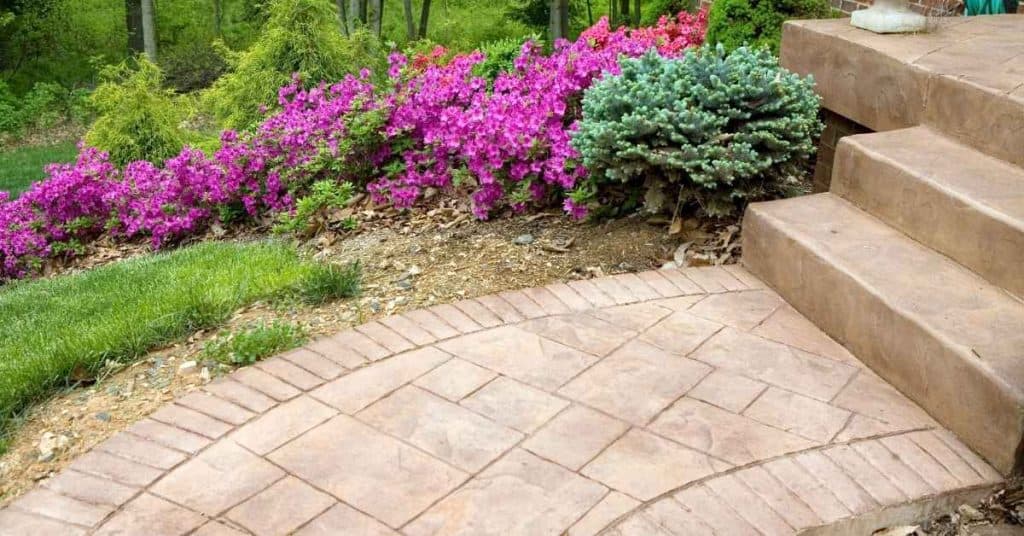
Curved stamped concrete patio edge beside stair steps and garden bed.

Plow-Friendly Concrete Edging for Gravel Drives: Low-Profile Forms and Crack Control

Introduction Plow-friendly concrete edging is a low-profile edge along a gravel drive designed to resist plow damage while keeping the edge neat. It uses lightweight forms set close to grade and poured with care to avoid raised lips. Keep it simple and plan for a smooth transition from drive surface to edging. To make it […]

Plow-Friendly Concrete Edging for Gravel Drives: Low-Profile Forms and Crack Control Read More »

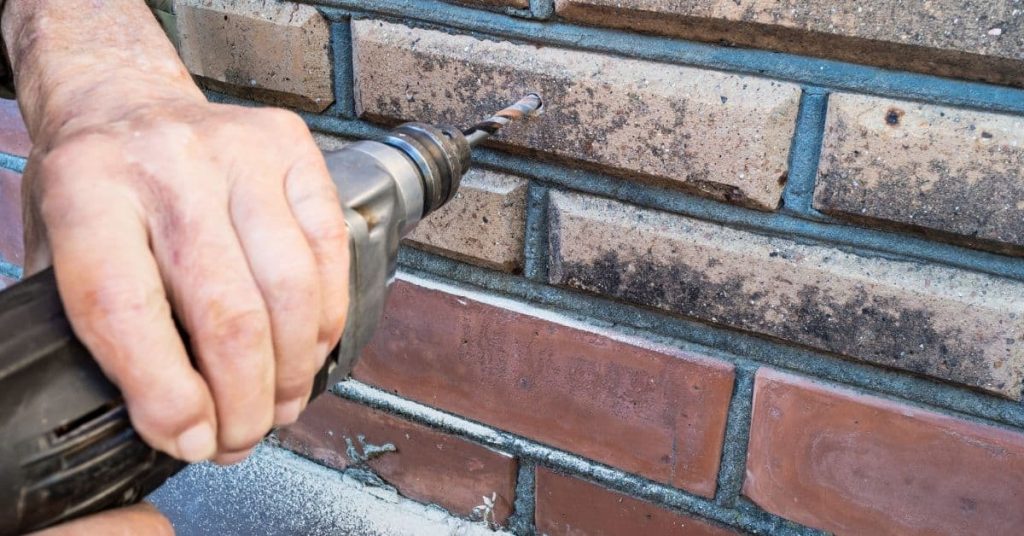
Drill bit partially inserted in concrete dust pile

Sleeve Anchors in Concrete Block Without Cracking Faces: Edge Distance and Drill Control

Introduction Sleeve anchors are expansion fasteners used in concrete block to grip the wall, and proper edge distance and drill control help prevent cracking of the face. When you install them, always check the product label and manufacturer instructions for edge distance guidelines and drill depth. Use a steady drill pace, keep the hole clean,

Sleeve Anchors in Concrete Block Without Cracking Faces: Edge Distance and Drill Control Read More »

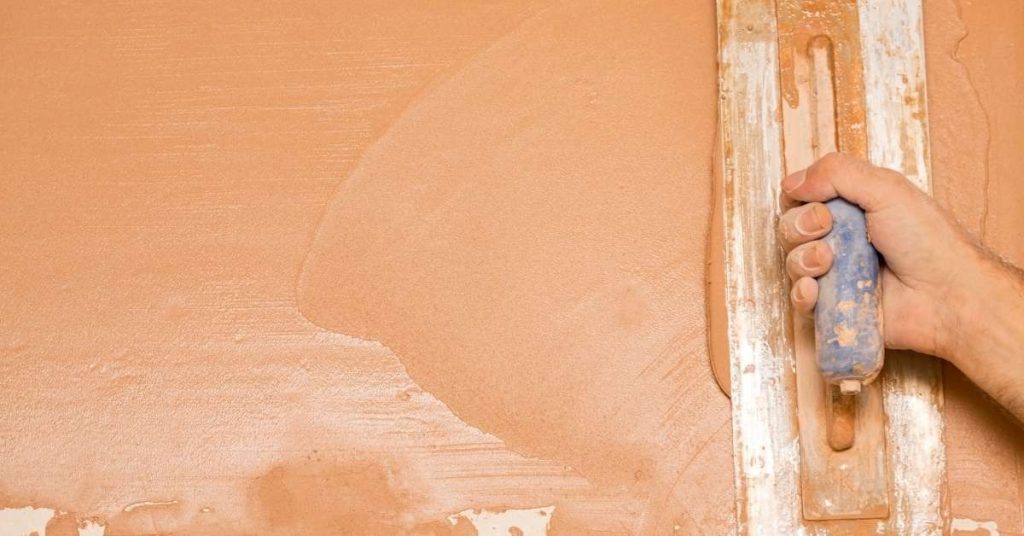
Hand applying brown stucco coat with trowel on wall

Stucco Over AAC or Soft Masonry: Suction Control and Base Coat Choices

Introduction Stucco over AAC or soft masonry requires managing suction and choosing a suitable base coat to ensure a durable finish. Prepare the substrate properly and assess suction levels before applying any finish coat. Always check the product labels and manufacturer instructions for compatible base coats and local requirements. Practice proper application techniques for plaster

Stucco Over AAC or Soft Masonry: Suction Control and Base Coat Choices Read More »

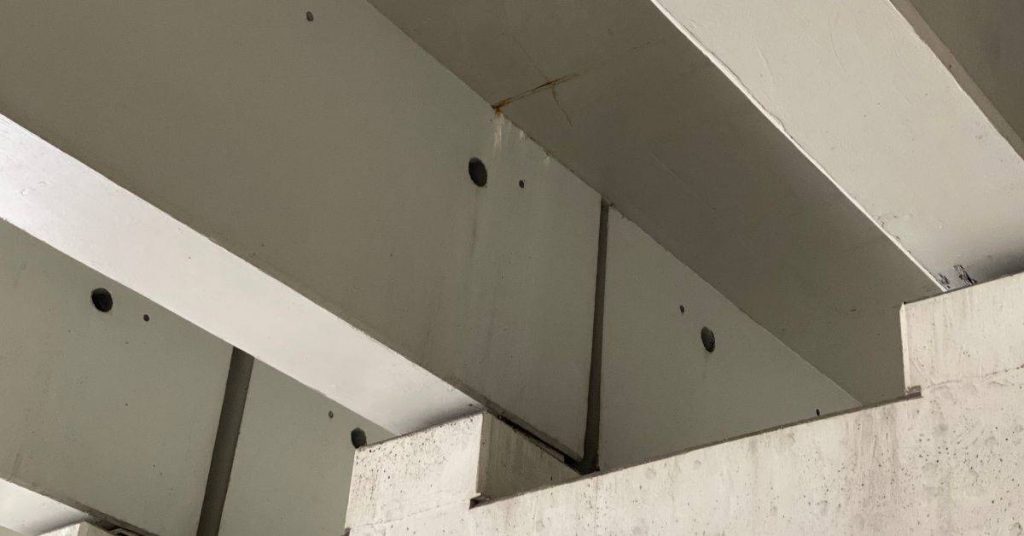
Close-up of concrete beam to column connection with visible joint

Choosing Caulk for Concrete Block Joints: Polyurethane vs Hybrid vs Silicone (and why it matters)

Introduction Caulk for concrete block joints is a flexible sealant used to close gaps between concrete blocks to keep out water and air. Choosing the right sealant starts with the joint type and weather exposure, then applying it with the right tools. Keep in mind it should bond to masonry, cure properly, and be compatible

Choosing Caulk for Concrete Block Joints: Polyurethane vs Hybrid vs Silicone (and why it matters) Read More »

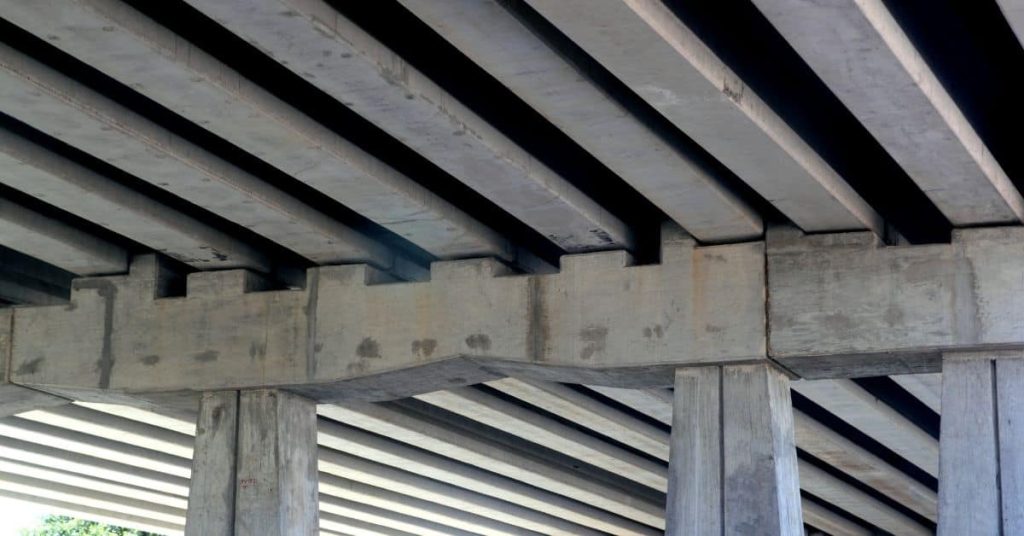
Concrete beams and columns supporting a bridge structure

Backer Rod for Wide Concrete Block Joints: Open vs Closed Cell and Correct Depth

Introduction Backer rod is a foam filler placed in wide concrete block joints to create an even, stable space for sealant. Open-cell backer rod compresses more and allows ventilation, while closed-cell resists moisture and reduces absorption. Always check the product label and manufacturer instructions to pick the right type and depth and to meet any

Backer Rod for Wide Concrete Block Joints: Open vs Closed Cell and Correct Depth Read More »
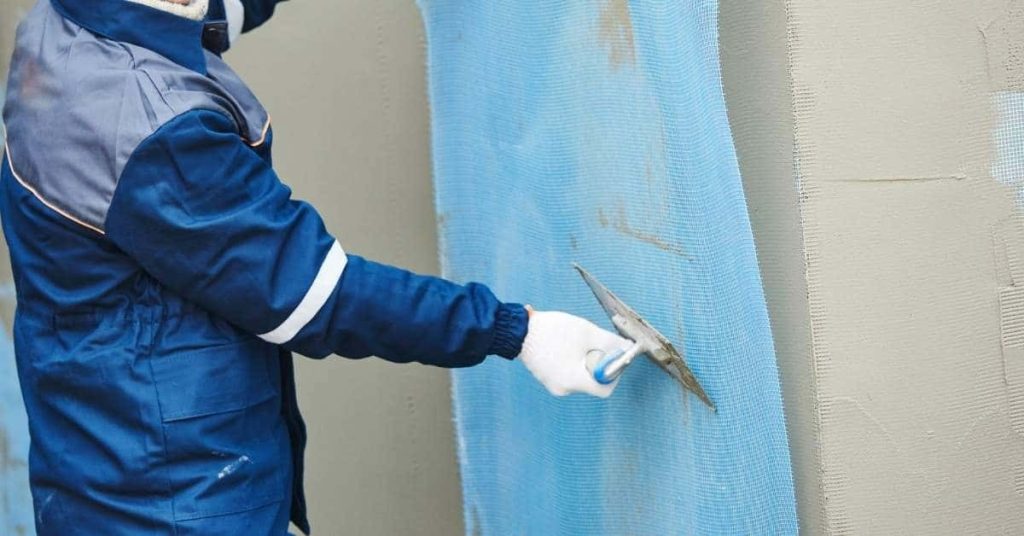
Person applying plaster over blue mesh on wall

Clay Plaster Over Plywood: Movement Joints, Mesh Choices, and Crack-Reduction Tricks

Introduction Clay plaster over plywood is a traditional finish that you apply to plywood walls, using joints and mesh to control movement and cracks. This article gives practical, hands-on steps for choosing joint spacing, mesh types, and tricks to reduce cracking. Expect a process that favors small batches, careful bonding, and testing along the way.

Clay Plaster Over Plywood: Movement Joints, Mesh Choices, and Crack-Reduction Tricks Read More »

Hand applying textured plaster to wall with a red trowel

Clay Plaster Basics: Mixing, Application, and Crack Control That’s Realistic

Introduction Clay plaster basics are simple, old-fashioned wall coverings made from clay, sand, and water that you mix and trowel onto a surface. This article gives a practical, hands-on look at mixing, applying, and why cracks happen. You’ll learn how to handle the mix and what to watch for on site. Expect a straightforward, honest

Clay Plaster Basics: Mixing, Application, and Crack Control That’s Realistic Read More »

Exposed brick wall partly covered with gray stucco render

Stucco-to-Brick Transitions: Movement Joints and Water Breaks That Don’t Crack

Introduction A movement joint at a stucco-to-brick transition is a deliberate gap that lets the siding materials expand and contract without cracking. Its job is to separate the two substrates so stresses don’t transfer and crack the finish. This article shows practical, hands-on steps for placing joints and installing water breaks so the transition stays

Stucco-to-Brick Transitions: Movement Joints and Water Breaks That Don’t Crack Read More »

Person using joint roller on brick wall mortar joints

Brick Tuckpointing for DIY: Joint Prep, Tooling, and Curing Basics

Introduction Brick tuckpointing is the process of repairing mortar joints to restore strength and appearance. This article gives a practical, hands-on approach you can use at home. You’ll learn basic prep, tooling, and curing ideas without fancy jargon. Begin with a close inspection of the joints and determine whether you need to rake out damaged

Brick Tuckpointing for DIY: Joint Prep, Tooling, and Curing Basics Read More »

Close-up of cracked concrete surface with fine fissure

A Concrete Curb That Won’t Crack Off: Keyways, Dowels, and Joint Strategy

Introduction A concrete curb that won’t crack off relies on proper keyways, dowels, and joints to control movement. Keyways help lock the curb to the adjoining slab, dowels transfer load across joints, and joints manage where cracking can safely occur. This DIY overview will explain the ideas in plain language and what to check on

A Concrete Curb That Won’t Crack Off: Keyways, Dowels, and Joint Strategy Read More »