
Introduction
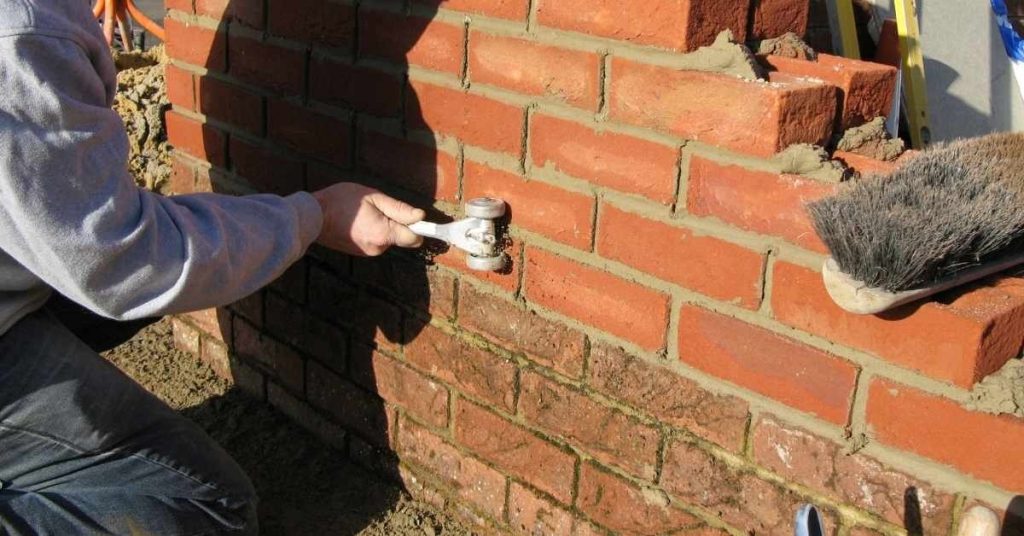
Brick tuckpointing is the process of repairing mortar joints to restore strength and appearance. This article gives a practical, hands-on approach you can use at home. You’ll learn basic prep, tooling, and curing ideas without fancy jargon.
Begin with a close inspection of the joints and determine whether you need to rake out damaged mortar. Follow general steps for cleaning, tooling, and curing, and always check manufacturer instructions and local rules for mortar type and curing time. Keep it practical: work in small sections, clean as you go, and verify you’re not over-replacing or wasting material.
Key takeaways
- Assess project scope and masonry condition before starting any DIY tuckpointing.
- Safety first: protect eyes, lungs, and footing; set up stable scaffolding.
- Choose compatible mortar and matching joint profiles to prevent cracking.
- Rake joints evenly and clean excess mortar for a neat finish.
- Mix mortar in small batches; test workability before full application.
- Cure under proper conditions; avoid direct sun, wind, and freezing.
Table of Contents
- Introduction
- Key takeaways
- Project Overview and Deciding When to DIY
- Safety and Site Preparation
- Tools and Materials Checklist
- Joint Assessment and Preparation
- Mortar Selection, Mixing, and Testing
- Tooling Techniques and Mortar Profiles
- Curing, Drying, and Weather Considerations
- Troubleshooting, Quality Checks, and Maintenance
- Conclusion
- FAQ
Project Overview and Deciding When to DIY
Tuckpointing focuses on renewing the mortar at the joints between bricks without removing the brick units themselves. It differs from a full repointing job, which typically involves deeper joint removal and brick work. You’ll want to weigh the scope, height, and access, plus your comfort with masonry work, before deciding to DIY or hire a pro.
Use a clear plan to determine if the project is within your skill set. Check local rules or HOA guidelines if applicable, and verify any required inspections or permits that might apply. When in doubt, consult the manufacturer instructions for materials and seek a professional opinion for safety and warranty considerations.
DIY vs Professional Scope Checklist
Before you grab your trowel, check these points to ensure a successful DIY tuckpointing job.
- Joint condition: Cracks should be less than 1/4 inch wide. Wider cracks may need full repointing or structural inspection.
- Brick condition: No missing, cracked, or loose bricks. If so, replace them first.
- Wall stability: Walls should be plumb and level. Any movement could indicate structural issues.
- Accessibility: You can reach all joints easily with your tools. Safety ladders may be needed.
- Time commitment: Tuckpointing takes time. Ensure you have enough to complete the job properly.
- Skill level: Previous masonry experience helps, but patience and careful work are key.
- Weather conditions: Temperatures should be above freezing and no rain is forecast for at least 24 hours after tuckpointing.
- Job size: Small to medium-sized jobs (up to a few hundred square feet) are best for DIY.
Quick rule: If you’re unsure about any of these points, consider hiring a professional.
Permits, Regulations, and Structural Concerns
Before starting, check if your local building department requires permits for tuckpointing. Some areas may need inspections or have restrictions on DIY work.
Structural concerns: If you notice any movement, leaning, or excessive cracking in the walls, stop and consult a structural engineer before proceeding. These signs could indicate serious issues that need professional attention.
Also, check for any hidden utilities (like gas lines) before digging out old mortar. You can call your local utility companies to have them marked.
Lastly, ensure you’re following any homeowner association (HOA) rules or neighborhood guidelines regarding tuckpointing and exterior modifications.
Safety and Site Preparation
Start with a safety mindset. Wear eye protection, gloves, and a dust mask or respirator as needed. Footing and a solid ladder setup are essential for any elevated work.
Protect the work area by setting up plastic or tarps to catch dust, and create a clear perimeter to keep children and pets away. Check weather conditions and plan for consistent moisture control to avoid freeze-thaw damage during curing.
Personal protective equipment and hazard controls
Safety comes first when working with masonry. Here’s what you’ll need to protect yourself and control hazards.
- Hard Hat: Protects against falling debris. Choose one that fits well and meets ANSI Z89.1 standards. Around $20-$50.
- Safety Glasses: Shields eyes from dust and small particles. Look for ones with side shields or wrap-around style. About $10-$30.
- Dust Mask or Respirator: Essential for protecting against mortar and silica dust. Use a NIOSH-certified N95 mask or respirator. Around $10-$20 each.
- Work Gloves: Protect hands from cuts, burns, and vibrations. Leather or synthetic gloves work well. Expect to pay $10-$30 per pair.
- Ear Protection: Reduces noise levels from tools. Disposable foam earplugs are cheap ($5-$10 for 200 pairs) or consider reusable earmuffs ($10-$30).
Worksite setup and scaffolding tips
Setting up a safe workspace is crucial for successful tuckpointing. Here’s how to do it right.
First, clear the area of any debris or obstacles. Then, lay down drop cloths or tarps to protect adjacent surfaces from mortar splatter and dust. You can rent these for around $10-$20 each.
Next, consider your access needs. If you’re working above ground level, you’ll need scaffolding. Renting a scaffold will cost around $50-$150 per day, depending on size and type. Always ensure it’s set up properly:
- Level: Make sure the scaffold is level and stable before climbing.
- Secure: Tie off the scaffold to a secure point every 10 feet or so using ropes or chains.
- Guardrails: Use guardrails to prevent falls. Rent them for around $5-$10 each.
Lastly, if there are any plants or vegetation near your work area, cover them with plastic sheeting to protect against mortar and dust. You can buy a roll for about $10-$20.
Tools and Materials Checklist
Gather basic hand tools such as chisels, trowels, joint rakes, and a stiff brush. You may also need a mixer or drill with a paddle for small batches of mortar.
Choose compatible mortar types for your brickwork and have a mortar bag or hawk for placement. Verify material bags and labels for suitability, and follow any manufacturer or local guidelines for storage and handling.
Essential hand and power tools
Before you start tuckpointing, make sure you have the right tools for the job. Here’s a checklist to help you.
- Masonry chisels: 1/2″ and 3/4″ widths for removing old mortar.
- Tuckpointing tool (or joint raker): For cleaning out joints.
- Grinder with diamond blade: For grinding out deep or hard-to-reach areas. Use it sparingly to avoid damaging bricks.
- Pointing irons: Various sizes for applying new mortar.
- Hammer: For tapping pointing irons and chisels.
- Trowel (hawk): For mixing and carrying mortar.
- Broom or stiff brush: For cleaning up after work.
- Safety glasses: Protect your eyes from debris. Don’t skip this!
Quick rule: Always have the right tool for the job to avoid damage and rework.
Mortars, additives, and colorants
Choosing the right mortar is crucial. Here’s what you need to know.
- Type of mortar: Use an N or M type for tuckpointing. N-type is stronger but harder to work with.
- Cement-to-sand ratio: Aim for 1:3 or 1:4 by volume. Too much cement makes the mortar strong but brittle.
- Additives (plasticizers, accelerators): These improve workability and set time. Follow package instructions.
- Pigment/colorant: Match the existing color as closely as possible. Start with a small batch to test.
Quick rule: The right mortar mix ensures strong, durable joints that match your wall’s appearance.
Mixing and storage equipment
Proper mixing and storage of mortar ensure a good final product. Here’s what you need.
- Mixing container: A large, flat-bottomed tub or wheelbarrow works best.
- Hoe or drill mixer: A hoe is manual; a drill mixer is faster but requires power and water.
- Water source: Clean water for mixing. Don’t use salty or contaminated water.
- Mortar hawk (trowel): For carrying mixed mortar to the wall.
- Plastic sheeting: Cover mixed mortar to keep it moist during storage.
- Sealed container: Store bagged products in a sealed container to keep them dry.
Quick rule: Proper mixing and storage ensure your mortar stays workable and strong.
Joint Assessment and Preparation
Inspect joints for cracking, softness, or missing mortar. Note any signs of moisture damage or gypsum patching that might affect adhesion.
Measure or estimate joint depth and width, and remove deteriorated mortar to a stable base. Ensure the joint walls are clean and dry before applying new mortar, and verify your approach with the product instructions.
How to inspect and measure joints
Start by visually checking your brickwork. Look for cracks, crumbling mortar, or missing pieces. These are signs that the joint needs repair.
Next, use a flat-bladed tool like a trowel or a wide chisel to gently tap along the joints. A hollow sound indicates empty spaces inside the wall, which could mean water damage or instability.
Now, measure the depth and width of the joint using a ruler or a combination square. You’ll need this info to decide how much old mortar to remove and what type of new mortar to use. Document these measurements for each section you plan to repair.
Mortar removal methods and best practices
For narrow joints, a cold chisel and hammer work well. Start at the outer edge of the joint, tapping gently to avoid damaging bricks.
For wider joints or large areas, consider using an angle grinder with a diamond blade. This method is faster but requires more control to prevent brick damage. Always wear safety glasses and a dust mask.
Some pros use vacuum-controlled grinders for dust-free removal. If you’re renting equipment, this could be an option. But remember, the more complex the tool, the more skill you need to operate it safely.
Cleaning, dust control, and pre-wetting
After removing old mortar, clean out the joint using a stiff-bristled brush or compressed air. This removes any remaining debris that could weaken your new mortar bond.
Dust control is crucial. If you’re not using a vacuum-controlled grinder, wear a dust mask and safety glasses. Consider wetting down the area slightly to keep dust to a minimum.
Before applying new mortar, consider dampening the bricks with a spray bottle or a wet sponge. This helps the new mortar bond better and reduces suction that could cause cracking. But be careful not to oversaturate the bricks, as this can also lead to problems.
Mortar Selection, Mixing, and Testing
Choose a mortar mix that matches the surrounding masonry in texture and color as closely as possible. If in doubt, check the brick type and bond pattern for guidance from the manufacturer or local codes.
Mix in small batches according to label directions and do a quick test on a scrap joint or inconspicuous area. Always document and follow the product data sheet or manufacturer instructions for mixing ratios and curing times.
Matching mortar strength and appearance
To match existing mortar, first inspect the joints. You’re looking for hardness, color, and texture.
Hardness: Gently scratch a joint with a screwdriver. If it’s hard, you’ll need a strong Type N or Type M mortar. Soft? Go for Type O.
Color: Match the old color as best you can using pigments. It won’t be perfect, but close is good enough.
Texture: Feel the joint. If it’s smooth, use a smooth mix. Rough? Add some sand or aggregates to your mortar.
Mixing techniques and workability checks
Mixing is key. Start with clean water, then add cement, lime, and sand in that order.
Control water. Too much makes a soupy mix. Too little? It’s crumbly. Aim for a consistency like stiff cookie dough.
Workability: Check it by squeezing a handful of mortar. It should hold together but not be too sticky or dry.
Adhesion: Test on a scrap brick. If it sticks, you’re good to go.
Storage, shelf life, and batch sizing
Plan your batches right. Mix only what you can use in a few hours. Leftover mortar hardens fast.
Sto