Search Results for: control joint

Vinyl plank flooring pieces and tools on concrete floor

Supplementary Cementitious Materials for Efflorescence Control: What Actually Reduces Salts

Introduction Supplementary Cementitious Materials reduce efflorescence by limiting the salts that migrate to the surface. They work with the cement mix to slow water movement and bind minerals. In DIY terms, think of them as additives that help the concrete breathe less and stay drier. Efflorescence is the white, powdery salt that shows up on […]

Supplementary Cementitious Materials for Efflorescence Control: What Actually Reduces Salts Read More »

Yellow construction helmet tape measure pencils on architectural plans

Replacing Failed Expansion Joint Filler: Removal, Priming, and Resealing Workflow

Introduction Replacing failed expansion joint filler means removing the old filler, prepping the joint, and applying new material to restore sealing and movement space. The workflow typically covers removal, priming, and resealing, using basic hand tools, caulk guns, and compatible filler products. Always check product labels, manufacturer instructions, and local code or permit rules to

Replacing Failed Expansion Joint Filler: Removal, Priming, and Resealing Workflow Read More »

Newly poured smooth concrete floor inside an unfinished room

Plastering Directly Over Concrete Ceilings: Bonding Bridges, Suction Control, and Crack Isolation

Introduction Plastering directly over concrete ceilings means applying plaster straight onto a bare concrete surface without a separate bonding layer. It’s a DIY-friendly approach when the surface is solid and clean, but it needs careful prep. I’ll walk you through what to expect and how to stay on track. Bonding bridges help the plaster grab

Plastering Directly Over Concrete Ceilings: Bonding Bridges, Suction Control, and Crack Isolation Read More »

Stone water well with bucket hanging from pulley system

How to Prevent Concrete ‘Mud Cracks’ in Patches: Water Control and Layer Thickness

Introduction Mud cracks in patches occur when water leaves the mix faster than the concrete sets and the patch is too thick. Keep forms tight and manage moisture so the surface cures evenly, not with a runny or dry edge. Always check the product label or local guidance for curing and thickness recommendations before you

How to Prevent Concrete ‘Mud Cracks’ in Patches: Water Control and Layer Thickness Read More »

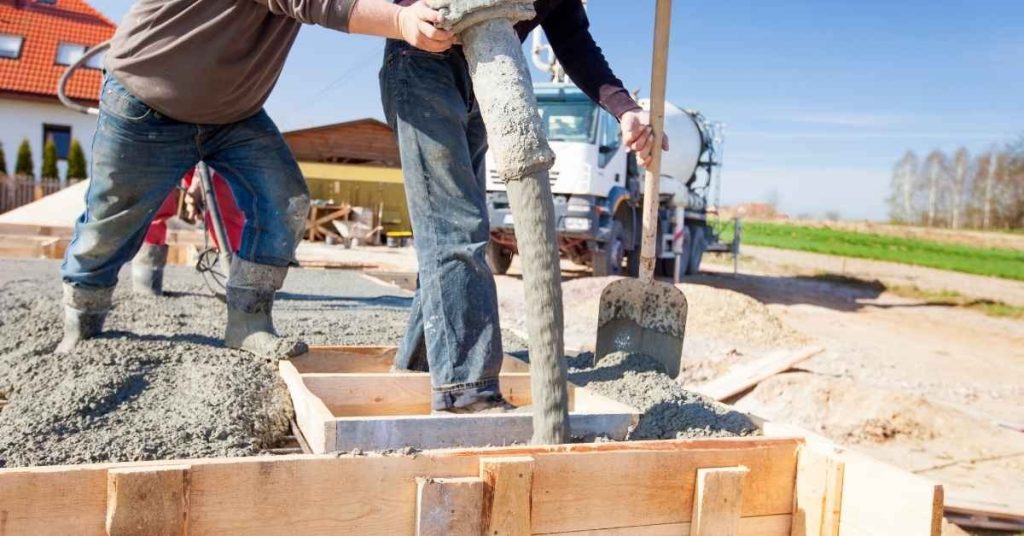
Two workers pouring concrete into wooden formwork outdoors

Pouring Concrete in Two Lifts: Cold Joint Risks and How to Make the Interface Strong

Introduction Pouring concrete in two lifts means placing concrete in one lift, pausing, and then adding a second lift later, which creates a joint between pours. That joint, or cold joint, can be weaker if the surfaces don’t bond well or if the second pour doesn’t integrate with the first. Understanding how this joint forms

Pouring Concrete in Two Lifts: Cold Joint Risks and How to Make the Interface Strong Read More »

Man in red cap applying joint compound to drywall ceiling

Plaster vs Joint Compound for Repairs: Where Each Cracks and How to Combine Them

Introduction Plaster and joint compound are traditional wall repair options that serve different purposes. Plaster gives a hard, durable finish when applied over lath or backing, while joint compound is a softer patch material for seams and small repairs. Your choice depends on the location, the surface, and the level of patch you need. In

Plaster vs Joint Compound for Repairs: Where Each Cracks and How to Combine Them Read More »

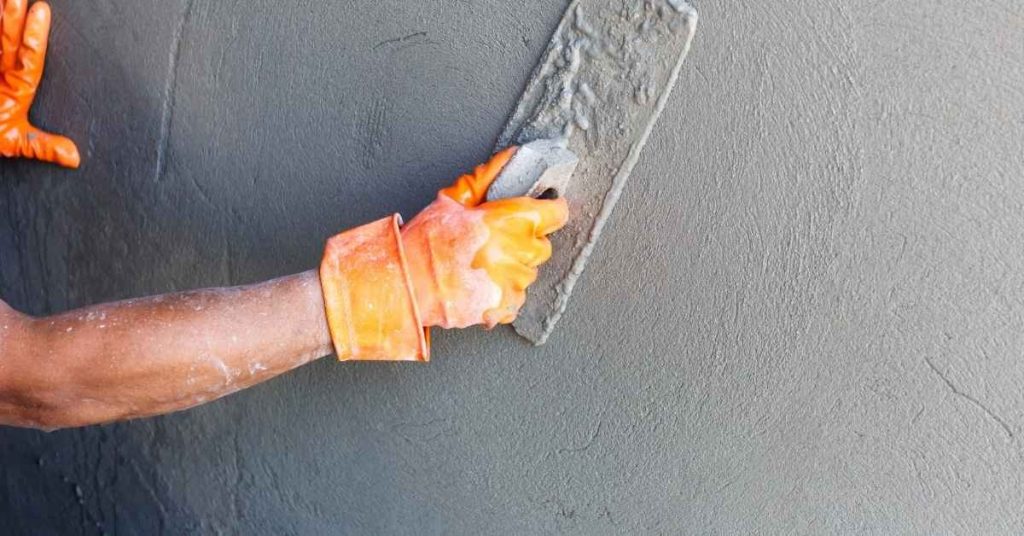
Hand wearing orange gloves smoothing gray stucco with trowel

Stucco Expansion Joints at Additions: Detailing Differential Movement Without Water Traps

Introduction Expansion joints in stucco at additions accommodate differential movement between the new addition and the existing structure while avoiding water traps. Plan for joints at the connection and detail how the joint will be filled and flashed without creating water traps. This article keeps the language plain and focuses on practical steps you can

Stucco Expansion Joints at Additions: Detailing Differential Movement Without Water Traps Read More »

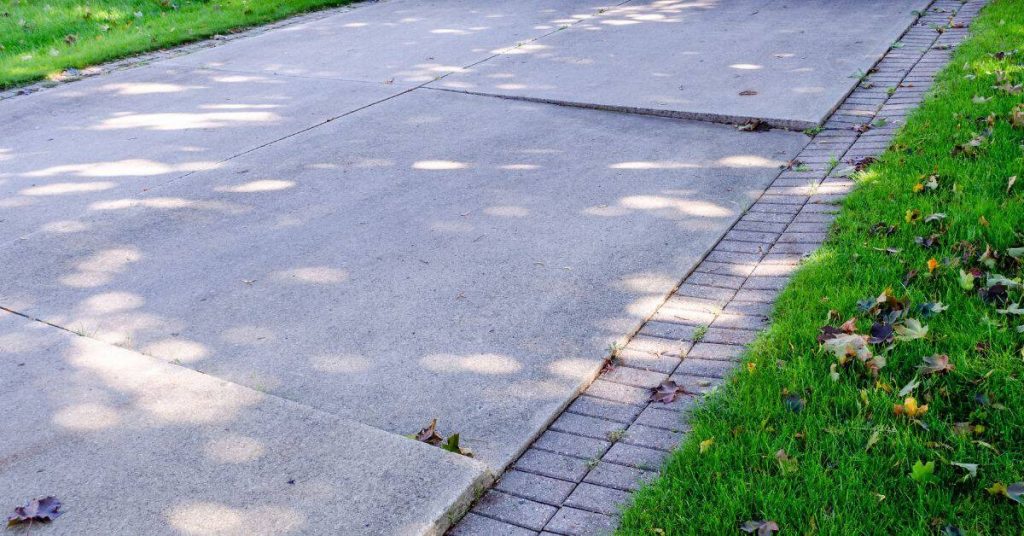
Concrete driveway with brick border and straight control joints

Concrete Fountain Leaks: Pinholes, Cold Joints, and Repair Options That Hold Water

Introduction Concrete fountain leaks happen when tiny holes or seams let water escape. Common causes are pinholes and cold joints that form gaps as concrete cures and settles. If you notice damp spots, dripping, or a steady seep near joints, that signals a leak to investigate. To fix it, you’ll seal pinholes and address cold

Concrete Fountain Leaks: Pinholes, Cold Joints, and Repair Options That Hold Water Read More »

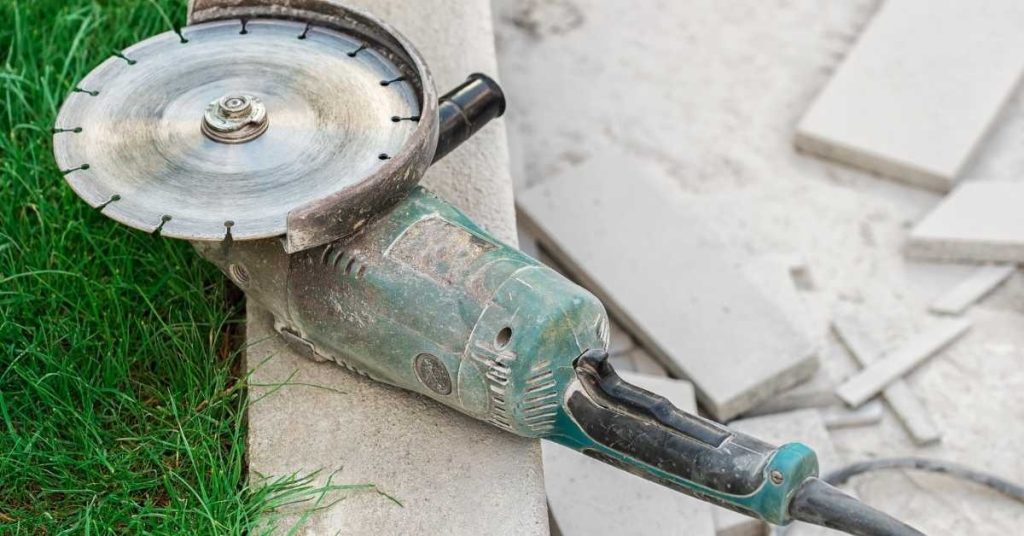
Angle grinder with diamond blade lying on concrete edge

How to Cut Concrete Without Chipping Edges: Score Cuts, Support, and Blade Control

Introduction Cutting concrete without chipping edges means making clean, controlled cuts by scoring first, supporting the cut edge, and maintaining steady blade control. In practice, plan your score line, use light, steady passes, and let the blade do the work without forcing it. Always verify that your blade and tool are suitable for the concrete

How to Cut Concrete Without Chipping Edges: Score Cuts, Support, and Blade Control Read More »

Electric concrete cutting angle grinder resting on curb

Concrete Sawcut Dust Control: Dry vs Wet Cutting and How to Protect Indoor Spaces

Introduction Dry cutting creates concrete dust that must be controlled, while wet cutting uses water to suppress dust. This article gives a practical, hands-on look at how each method works in real spots around the house. You’ll see what to check on equipment and what to expect when cutting indoors vs outdoors. We’ll cover how

Concrete Sawcut Dust Control: Dry vs Wet Cutting and How to Protect Indoor Spaces Read More »