Search Results for: control joint

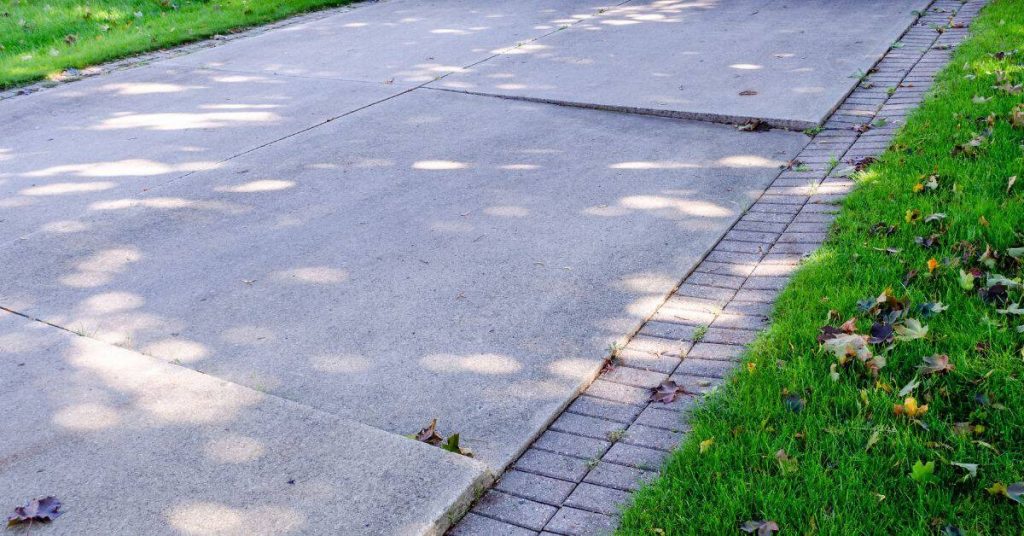
Concrete driveway with brick border and straight control joints

Concrete Groover Techniques: Keeping Joints Straight Without Chatter Marks

Introduction Concrete groover techniques are methods to create clean, straight control joints in fresh concrete. Using a groover or tool designed for joint lines helps you guide the surface and reduce wavy chatter. It’s a practical, hands-on step you can do with basic tools and steady effort. To keep joints straight without chatter marks, plan

Concrete Groover Techniques: Keeping Joints Straight Without Chatter Marks Read More »

Orange concrete bucket silo suspended against blue sky

Concrete Joint Sawcut Chipping: Blade Choice and Timing to Reduce Spalls

Introduction Concrete joint sawcut chipping is the controlled removal of material around a sawcut to reduce spalls. Choosing the right blade and timing the cut helps minimize chipping and keeps the surface smoother. Always check the blade label and the manufacturer’s instructions, and follow local rules for your project. Soff Cut style saws are designed

Concrete Joint Sawcut Chipping: Blade Choice and Timing to Reduce Spalls Read More »

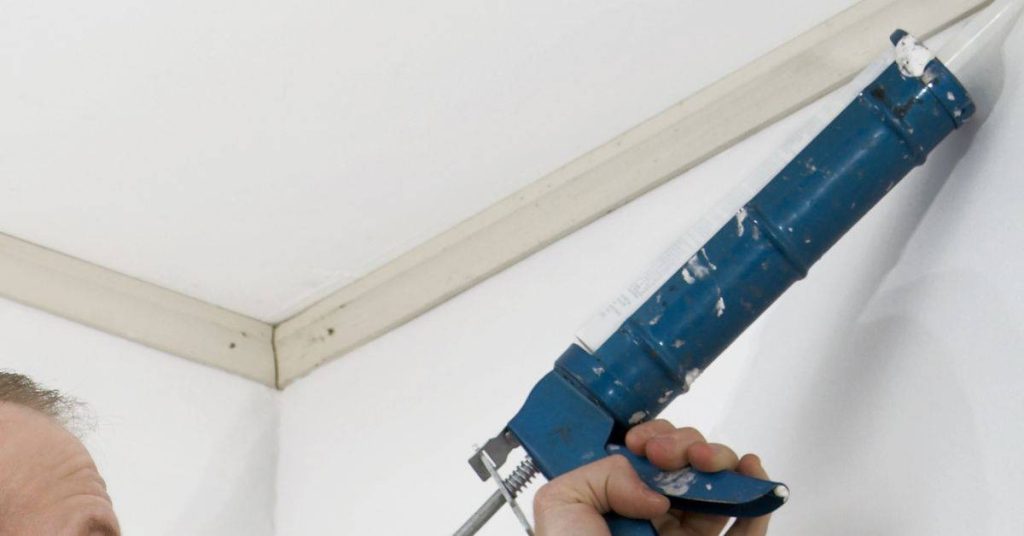
Hand holding blue caulking gun near ceiling joint

Why Joint Sealant Bubbles: Offgassing, Moisture, and How to Prevent It

Introduction Bubbles in joint sealant are air pockets that form as the material cures, usually from offgassing or trapped moisture. In DIY work, you may see these as foamy spots or gaps that weaken the seal. Check the label and manufacturer guidance to know what conditions or temps are allowed. Prevention comes from clean joints,

Why Joint Sealant Bubbles: Offgassing, Moisture, and How to Prevent It Read More »

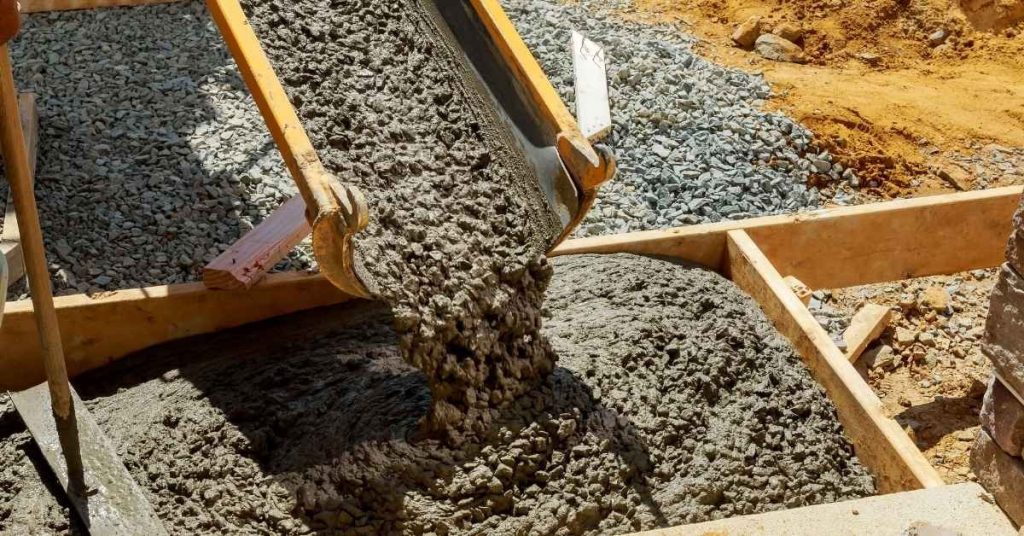
Concrete pouring into wooden formwork on construction site

How to Repair a Failed Joint Sealant Bead: Cutback, Primer, and Reseal Steps

Introduction A failed joint sealant bead needs to be cut back, primed, and resealed. This article walks you through the cutback, primer, and reseal steps so you can fix it yourself. You’ll assess the joint, remove old material, and prep the surface for a new bead. Carefully trim back the old sealant according to what

How to Repair a Failed Joint Sealant Bead: Cutback, Primer, and Reseal Steps Read More »

Red-handled tool smoothing fresh concrete surface

Concrete Joint Sealant That Won’t Track Dirt: Profile Shape and Cleanup Methods

Introduction A concrete joint sealant that won’t track dirt is a smooth, well-profiled sealant that stays put and is easy to wipe clean. The profile shape you choose affects how debris collects and how easy cleanup is. This intro covers practical, hands-on steps to plan and apply a dirt-resistant joint. Choose a profile that minimizes

Concrete Joint Sealant That Won’t Track Dirt: Profile Shape and Cleanup Methods Read More »

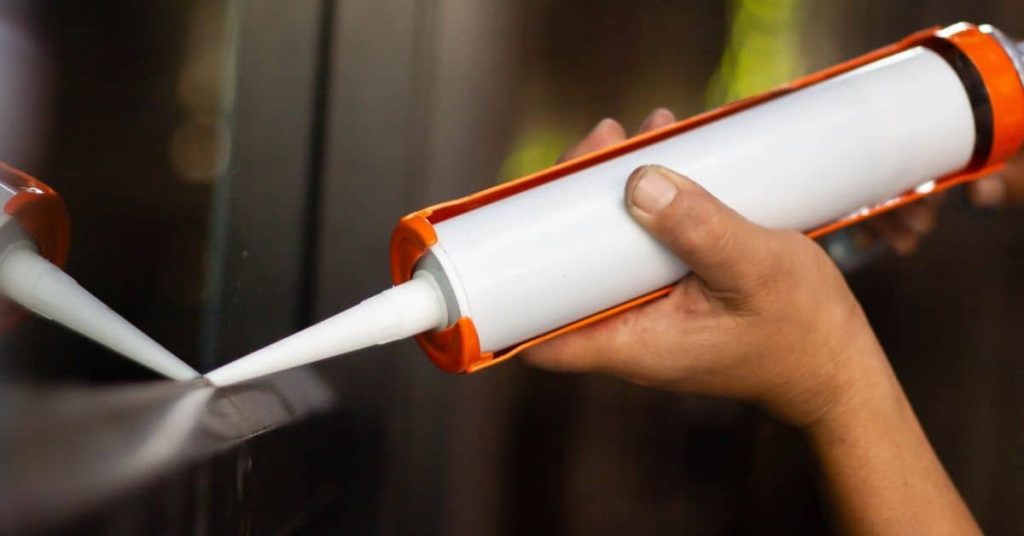
Hand applying white caulk from a caulking gun onto a surface

How to Seal Form Joints to Stop ‘Fins’: Tape vs Caulk vs Foam Strategies

Introduction Sealing form joints means choosing a method to close gaps in the formwork so fins don’t form. Tape, caulk, and foam are common options, each with its own pros and limits. Look at the product label and the concrete conditions to decide what to use. Tape works best for clean, straight joints, caulk fills

How to Seal Form Joints to Stop ‘Fins’: Tape vs Caulk vs Foam Strategies Read More »

Person applying plaster over blue mesh on wall

Clay Plaster Over Plywood: Movement Joints and Mesh Choices That Reduce Cracking

Introduction Clay plaster over plywood is a breathable, clay-based wall finish bonded to a plywood base. If you’re DIYing, expect a more flexible layer that can absorb minor movement without cracking. Plan for movement joints and appropriate reinforcement to guide cracks where you want them. Placement of joints and the right mesh help the plaster

Clay Plaster Over Plywood: Movement Joints and Mesh Choices That Reduce Cracking Read More »

rusty masonry trowel with wooden handle on white background

Choosing Caulk for Masonry Joints: Polyurethane vs Hybrid vs Silicone Where Each Wins

Introduction Polyurethane, hybrid, and silicone caulks each have different strengths for masonry joints, and the right choice depends on movement, exposure, and adhesion. In practice, ‘caulk’ and ‘sealant’ are terms you’ll hear used for similar products, but the key is how much they can stretch and how well they grip masonry. This article walks through

Choosing Caulk for Masonry Joints: Polyurethane vs Hybrid vs Silicone Where Each Wins Read More »