Search Results for: control joint

curved brick paver pathway with stone wall and landscaping

Brick Paver Edging That Won’t Spread: Restraints, Bedding, and Joint Choices

Introduction Edging that won’t spread is a border for brick paver layouts that stays in place and keeps the line looking sharp. Getting it right means using sturdy restraints, a solid bedding layer, and properly selected joints. Always check the product label and local rules for any installation limits that apply to your area. Choose […]

Brick Paver Edging That Won’t Spread: Restraints, Bedding, and Joint Choices Read More »

Close-up of gas-powered cutting saw blade in front of red truck

Cutting Brick Pavers Cleanly: Blades, Chipping Control, and Dust Safety

Introduction Cutting brick pavers cleanly means using the right blade and technique to produce straight, square cuts with minimal chipping. Choose a blade rated for masonry and masonry-specific cutting, and align your cut with the paver face for a clean edge. Take your time to steady the paver and clamp it, then make a shallow

Cutting Brick Pavers Cleanly: Blades, Chipping Control, and Dust Safety Read More »

Construction worker cutting joint in brick wall outdoors

Movement Joints in Long Brick Walls: Spacing, Backer Rod, and Tooling Tips

Introduction Movement joints in long brick walls relieve stress from expansion and contraction. They are intentional gaps that let the wall flex without cracking. When you plan the joints, follow the manufacturer’s guidance and local rules, and choose backer rod and sealant accordingly. Use proper tooling by cleaning joints, applying backing, and smoothing with the

Movement Joints in Long Brick Walls: Spacing, Backer Rod, and Tooling Tips Read More »

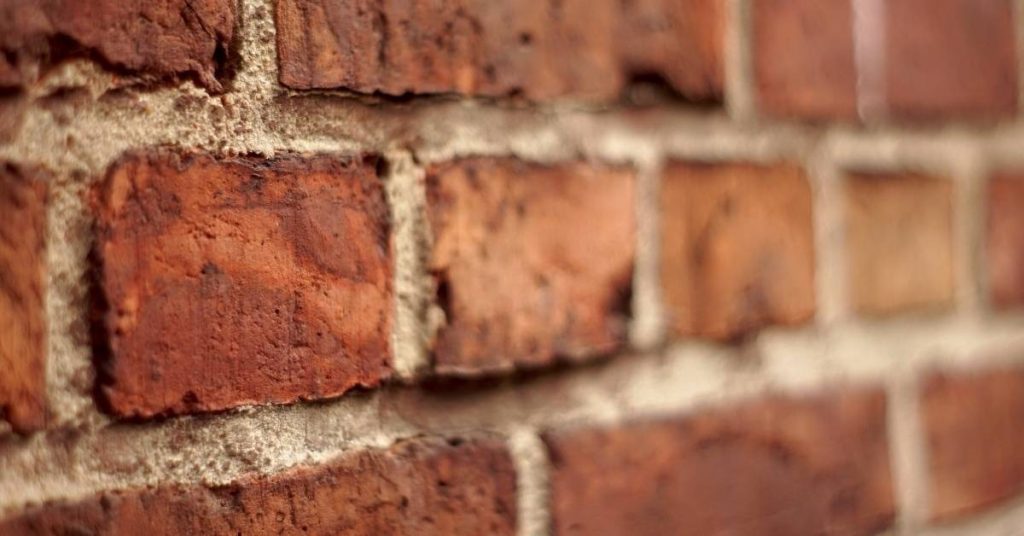
close-up of red brick wall with mortar joints

Choosing Caulk for Brick Joints: Polyurethane vs Hybrid vs Silicone (and why it matters)

Introduction Caulk for brick joints is the sealant you install between bricks to keep water out and allow for some movement. Common options are polyurethane, hybrid, and silicone, each with trade-offs for adhesion, flexibility, and durability. Always check the product label for brick or masonry compatibility and whether it can be painted if you need

Choosing Caulk for Brick Joints: Polyurethane vs Hybrid vs Silicone (and why it matters) Read More »

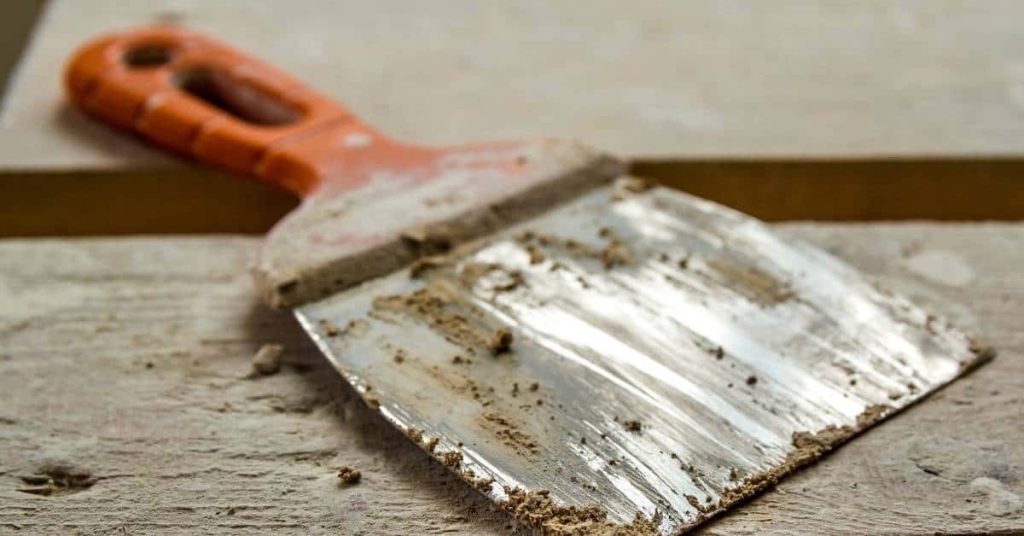
Putty knife with dried plaster on wooden surface

Leveling Wavy Lath Before Plastering: Shimming, Tension, and Straightedge Control

Introduction Leveling wavy lath before plastering means making the wall lath flat and true so the plaster can set evenly. Start by mapping high and low spots and use thin shims or temporary battens to bring the lath into line. Always refer to the lath type’s instructions and local rules to choose the right method.

Leveling Wavy Lath Before Plastering: Shimming, Tension, and Straightedge Control Read More »

Closeup of red brick wall with mortar joints

Sealant for Stucco Joints: Primer, Backer Rod, and Tooling That Lasts

Introduction A sealant for stucco joints is a flexible filler placed in joints with primer and backer rod to move with the wall. It helps keep water out and avoids cracking as the stucco expands and contracts. Always check the product label for surface prep and curing times. Proper tooling and backer rod selection make

Sealant for Stucco Joints: Primer, Backer Rod, and Tooling That Lasts Read More »

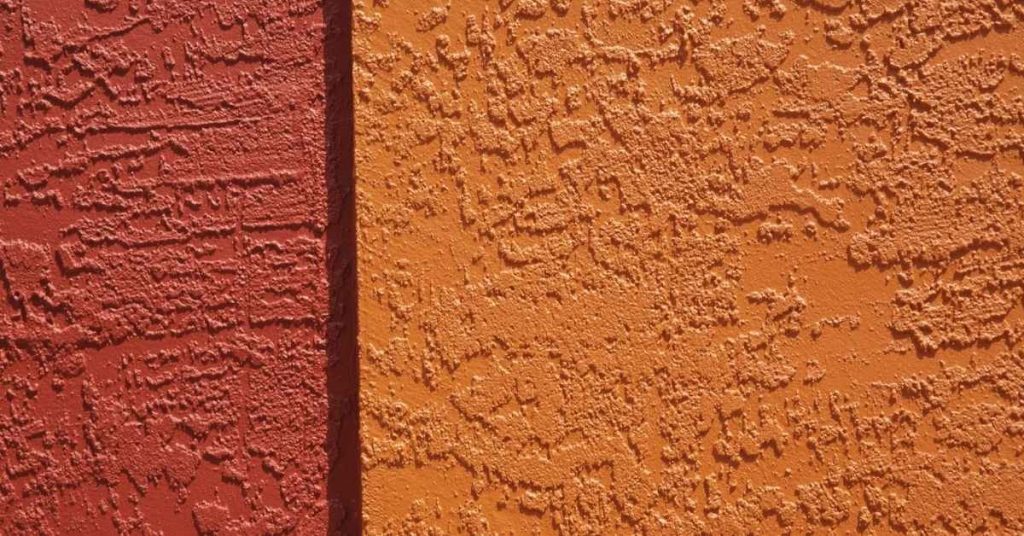
Close-up of two-tone orange and red textured stucco wall

Two-Tone Stucco Bands Without Cracks: Movement Joints and Sequencing

Introduction Two-tone stucco bands without cracks are achieved by using deliberate movement joints and proper sequencing to control where cracks form. This approach keeps the color bands crisp and the surface durable during temperature changes and settling. Avoid guessing—check labels and manufacturer guidance for allowable joint spacing and material compatibility. Identify crack types as they

Two-Tone Stucco Bands Without Cracks: Movement Joints and Sequencing Read More »

Concrete beam skeleton frame under clear blue sky

Stopping Leaks at Concrete Cold Joints: Injection Options and Negative-Side Coatings

Introduction A concrete cold joint is a seam that forms when pours stop and then resume, creating a potential weak point where water can seep through. Leaks at these joints happen when the joint isn’t bonded or sealed well enough, especially under pressure or through capillary paths. For a DIY approach, this article covers practical

Stopping Leaks at Concrete Cold Joints: Injection Options and Negative-Side Coatings Read More »

Worker welding metal plate with protective gloves and clothing

Preventing Rust Stains on Brick: Metal Isolation and Runoff Control

Introduction Rust stains on brick happen when metal fasteners or components contact brick and moisture carries iron to the surface. This article covers simple ways to isolate metal and manage runoff so stains don’t form. Think of it as a practical, DIY approach you can do with common tools. Inspect all metal that sits against

Preventing Rust Stains on Brick: Metal Isolation and Runoff Control Read More »

Hand holding drill bit drilling into brick mortar joint

Backer Rod for Wide Brick Joints: Open vs Closed Cell and Correct Depth

Introduction Backer rod is a foam spacer you push into a wide brick joint before sealing, to set the right depth for the sealant. Choice between open-cell and closed-cell matters for moisture and flexibility; open-cell is softer, closed-cell resists water better. For a DIY job, pick the type based on the joint’s exposure and consult

Backer Rod for Wide Brick Joints: Open vs Closed Cell and Correct Depth Read More »