Search Results for: contractor cement

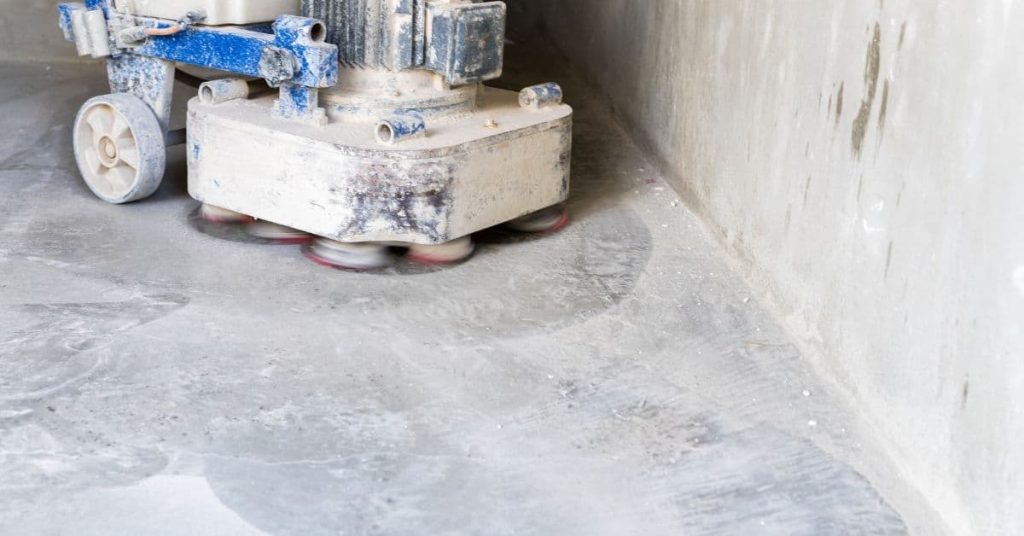
Concrete floor grinding machine smoothing surface near wall

Fixing Trip Hazards by Grinding: How Much You Can Remove Before You Create New Problems

Introduction Grinding to fix trip hazards is removing small amounts of material from high spots so the surface becomes even. Do not remove more than necessary, since over-grinding can create new problems. Check the material, tool, and surface before you start, and follow manufacturer instructions and local rules. Do small passes and check your progress […]

Fixing Trip Hazards by Grinding: How Much You Can Remove Before You Create New Problems Read More »
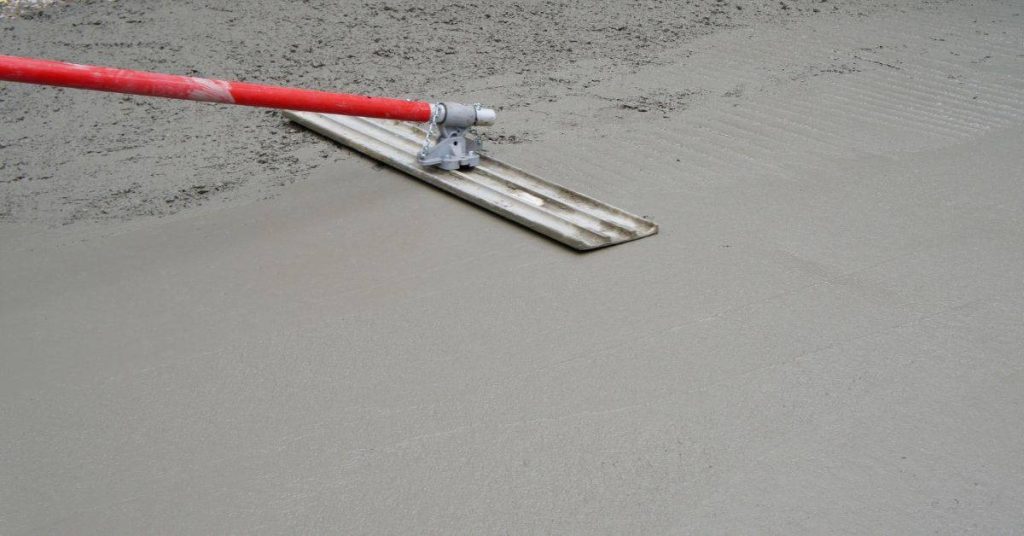
Red-handled tool smoothing wet concrete surface

Concrete Crack Stitching for DIYers: When Staples Help and When They Don’t

Introduction Concrete crack stitching is a repair method that uses staples to grab and hold cracked slabs together. It aims to slow opening and transfer movement across the crack when appropriate. This DIY intro explains when staples help and when they don’t in plain language. Before you start, check manufacturer instructions, local rules, and the

Concrete Crack Stitching for DIYers: When Staples Help and When They Don’t Read More »

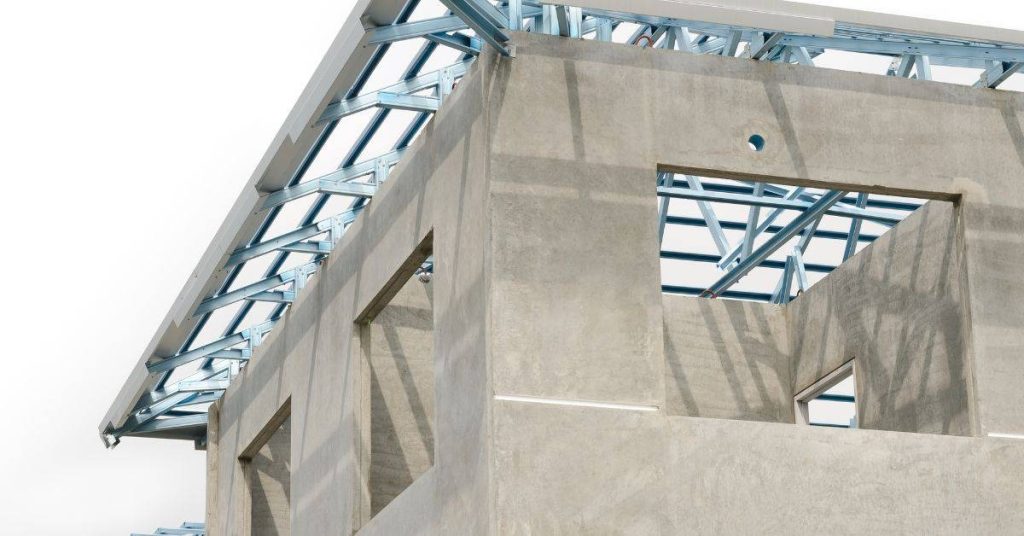
Precast concrete wall panels and steel roof framing

Repairing Honeycombed Concrete: When to Patch, When to Inject, and When to Rebuild

Introduction Repairing honeycombed concrete means fixing voids and loose pockets in the surface by choosing patching, injecting, or rebuilding. You evaluate how severe the honeycombing is and start with the simplest, most straightforward method. If the concrete has hollow spots you can reach, patching is usually the first option; deeper voids may need injecting, and

Repairing Honeycombed Concrete: When to Patch, When to Inject, and When to Rebuild Read More »

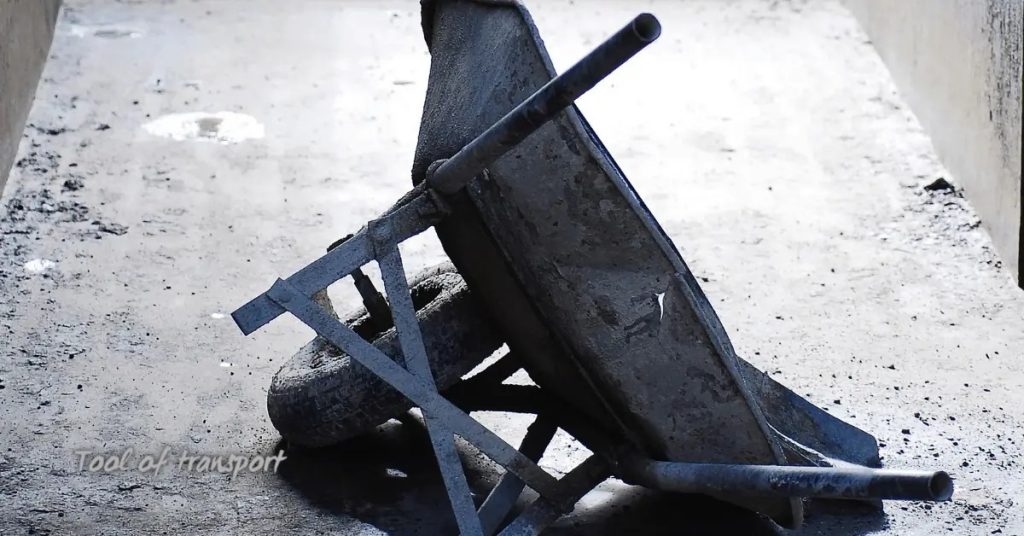
Empty wheelbarrow resting on concrete surface

Concrete Near Downspouts: Slopes, Splash Blocks, and How to Stop Undermining

Introduction Concrete near downspouts needs proper slope and splash protection to prevent water from undermining the footing. Gutters and splash blocks channel roof runoff away from the foundation and concrete edge. This article explains what splash blocks are, why they matter, and how to position them so water moves away from the wall. Choosing a

Concrete Near Downspouts: Slopes, Splash Blocks, and How to Stop Undermining Read More »

Concrete formwork with rebar and metal anchors in soil

Setting Wedge Anchors in Weak Concrete: When They Spin and Better Options

Introduction Wedge anchors spin in weak concrete when the anchor’s wedging action can’t grab solid material. That spinning often means the fastener won’t hold the load you expect. In practice, it’s a sign the substrate or hole preparation isn’t up to the task. If they spin, stop and check that the hole size and depth

Setting Wedge Anchors in Weak Concrete: When They Spin and Better Options Read More »

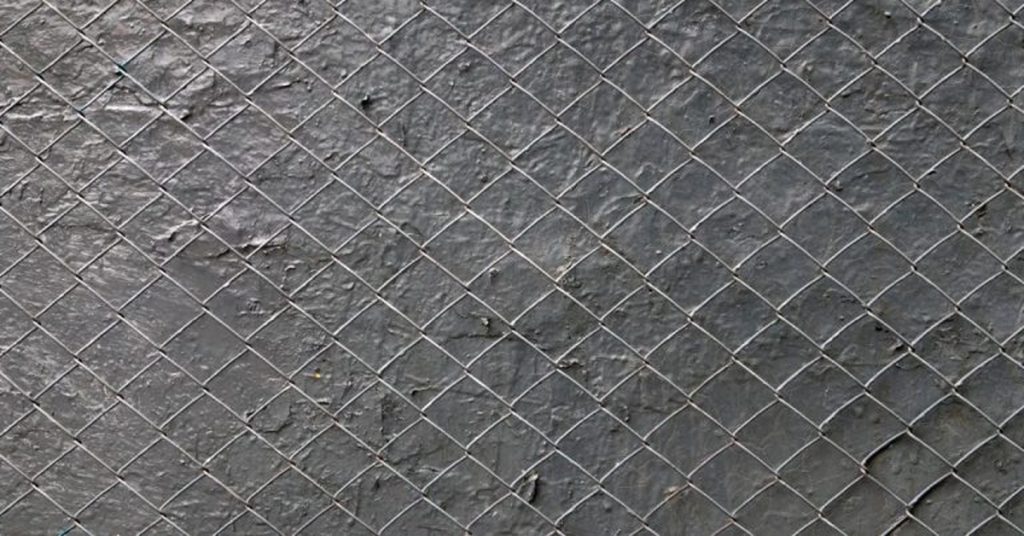
Wire mesh secured flat on wet cement surface

How to Keep Mesh Flat During a Pour: Pinning Methods That Beat ‘Hook and Pull’

Introduction Pinning mesh flat during a pour means using temporary fasteners to hold the wire or plastic mesh steady so it lays as you pour. The goal is to prevent sagging, curling, or fish-tailing as the concrete flows. You’ll position, secure, and adjust as you go. Try a few simple techniques: place temporary pins or

How to Keep Mesh Flat During a Pour: Pinning Methods That Beat ‘Hook and Pull’ Read More »

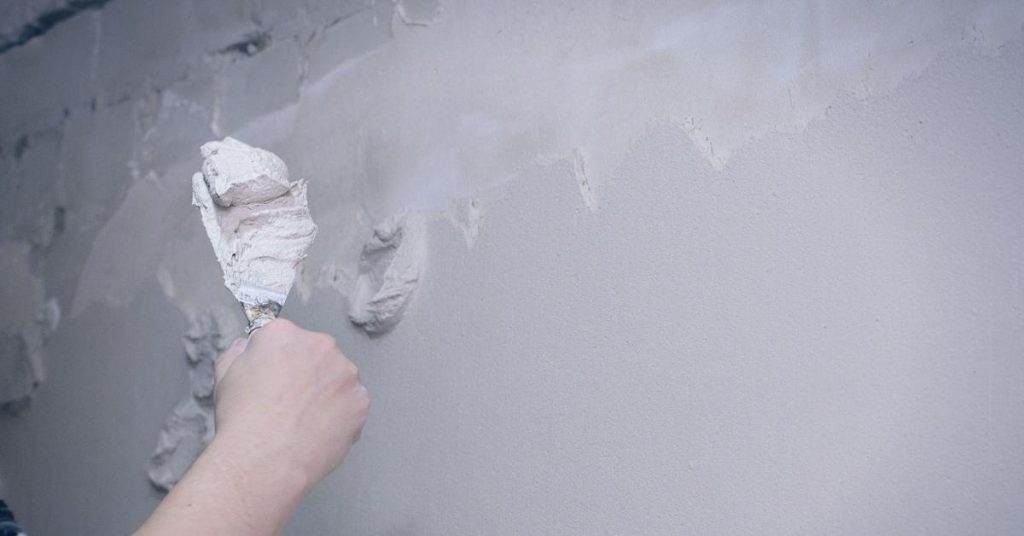
Hand applying plaster to damaged wall with trowel

Repairing Plaster Keys From the Back Side: When Access Exists and How to Lock It In

Introduction Repairing plaster keys from the back side means fixing the hidden anchors behind the plaster when you can reach them. You work from the cavity side, not the face, and you aim to reattach loose plaster to the lath or keys. This approach relies on solid access and careful placement to lock the repair

Repairing Plaster Keys From the Back Side: When Access Exists and How to Lock It In Read More »

Blue painted stucco wall texture close-up

Mineral Paint on Stucco: When It Outlasts Acrylic and How to Prep Properly

Introduction Mineral paint on stucco provides a durable, breathable finish that can outlast typical acrylic when the surface is prepped properly. In plain terms, you start with clean, sound stucco, protect surrounding areas, and choose a mineral-based paint designed for masonry. The prep and technique matter more than color or brand. The application hinges on

Mineral Paint on Stucco: When It Outlasts Acrylic and How to Prep Properly Read More »

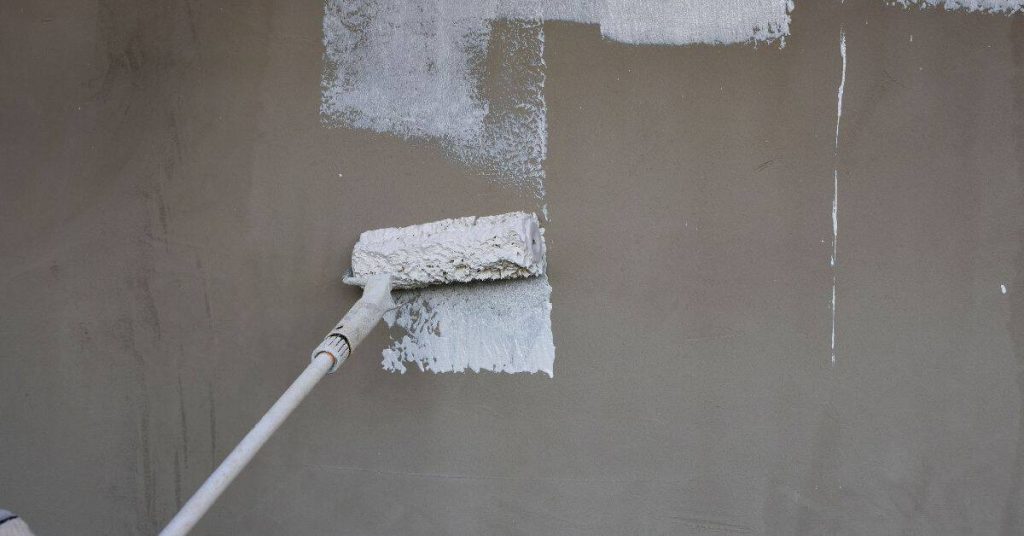
Paint roller applying white paint on brown stucco wall

Elastomeric Paint Over Hard Coat Stucco: When It Bridges Cracks and When It Blisters

Introduction Elastomeric paint over hard coat stucco is a flexible coating designed to bridge small cracks in the surface. It can improve weather resistance but may blister if the surface is dirty, damp, or improperly prepped. Proper prep and careful application are essential to a durable coat. Preparation and proper application are key to avoiding

Elastomeric Paint Over Hard Coat Stucco: When It Bridges Cracks and When It Blisters Read More »