Search Results for: contractor cement

Closeup of three steel lag screws with hex heads

Rusting steel lintels over brick openings: expansion cracks, temporary fixes, and proper replacement

Introduction Rusting steel lintels over brick openings are corroded structural supports that span the opening and can threaten the masonry. Early signs include rusty stains, cracking joints, and subtle movement around the opening. These issues arise from moisture, age, or poor installation and call for careful assessment before any fixes. Addressing them involves identifying causes […]
Rusting steel lintels over brick openings: expansion cracks, temporary fixes, and proper replacement Read More »

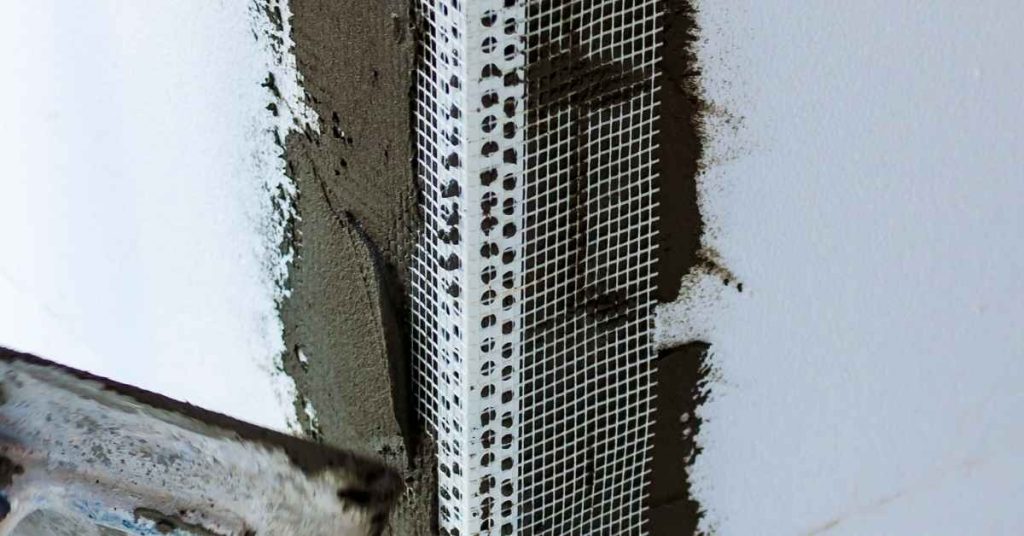
Stucco corner with reinforcing mesh being applied

Cracks at stucco corners: stress points, mesh placement, and how to keep them from returning

Introduction Cracks at stucco corners are stress-related failures at the joints where surfaces meet. They form when the wall moves or settles and the outer layer can’t flex enough. Addressing them starts with understanding where the stress concentrates and how the mesh supports the patch. Repair technique should reinforce corners with proper mesh at joints

Cracks at stucco corners: stress points, mesh placement, and how to keep them from returning Read More »

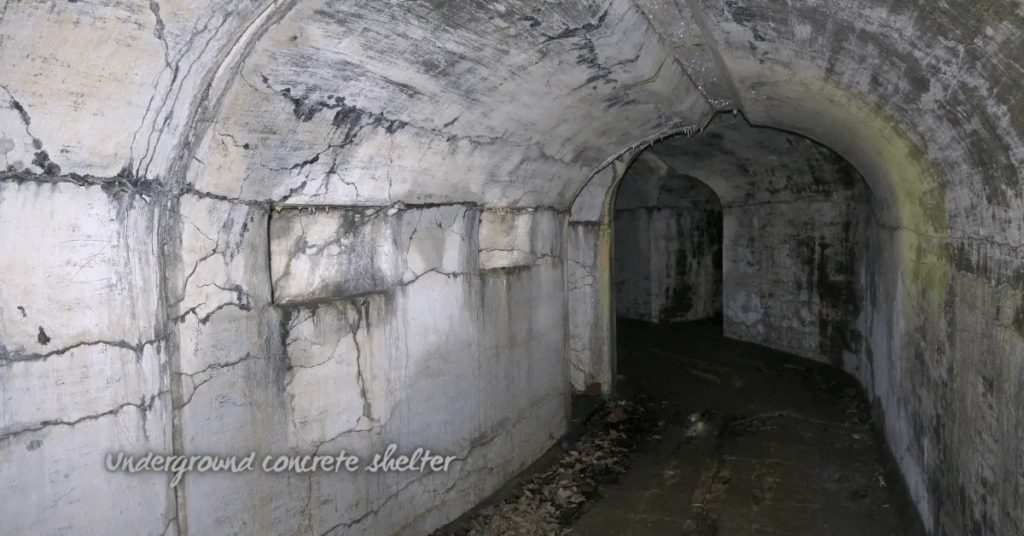
Cracked concrete walls and ceiling inside underground tunnel

Concrete Overlay Vs Full Replacement: a Decision Guide Based on Movement, Moisture, and Thickness

Introduction Concrete overlay is a thin surface layer applied over an existing floor to refresh or repair it without removing the old substrate. Full replacement requires removing the existing concrete and pouring a new slab or substrate. Both options have tradeoffs in durability, cost, and installation time. Choosing between them depends on movement, moisture, and

Concrete Overlay Vs Full Replacement: a Decision Guide Based on Movement, Moisture, and Thickness Read More »

black box fan on concrete floor with dark moisture stains on wall and floor

Overlay vs full replacement: a decision guide based on movement, moisture, and thickness

Introduction Overlay vs full replacement is a choice between patching a deck with an overlay or tearing it out and rebuilding, based on movement, moisture, and thickness. For overlays, assess whether the existing concrete can accept an overlay without excessive cracking or movement, and follow manufacturer instructions and local rules. If movement is high or

Overlay vs full replacement: a decision guide based on movement, moisture, and thickness Read More »

Smooth light gray concrete wall surface

Surface-Bonding Cement on Dry-Stack Concrete Block: When It’s Allowed and How to Reinforce

Introduction Surface-bonding cement on dry-stack concrete block is a thin adhesive layer applied to the face of stacked blocks to improve bond and stability when allowed. It’s a practical option you can use to reinforce and tidy up a wall that’s already in place. Check your local rules and manufacturer instructions to know if this

Surface-Bonding Cement on Dry-Stack Concrete Block: When It’s Allowed and How to Reinforce Read More »

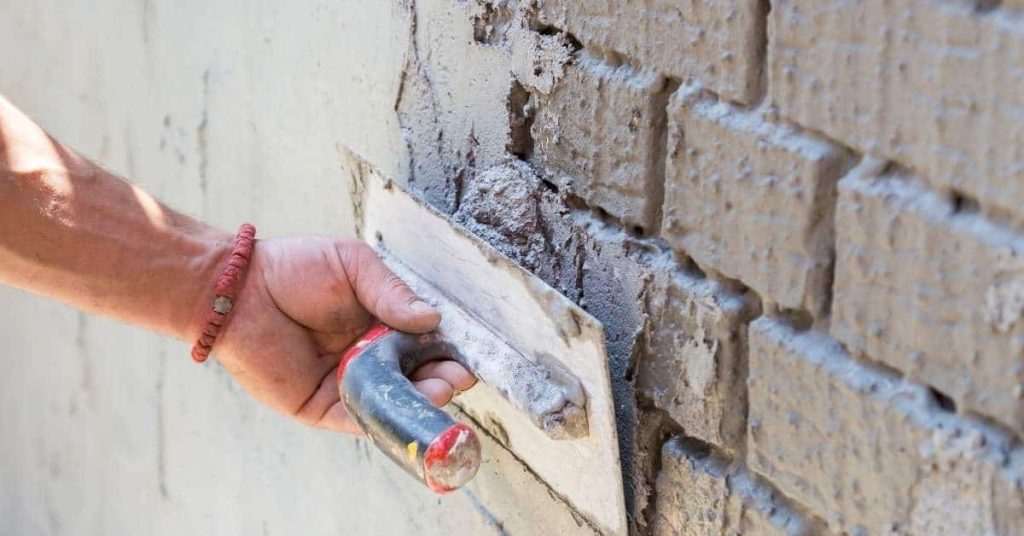
Hand applying cement plaster with trowel on brick wall

Keene’s Cement Plaster: When Hardness Helps and How to Avoid Crazing

Introduction Keene’s cement plaster is a lime-based plaster mix that hardens to a solid wall finish. Hardness in this plaster helps durability, but it can cause cracks if it’s applied or cured improperly. To avoid crazing, follow proper mixing, priming, and curing practices and check product instructions for recommended working times and environmental limits. If

Keene’s Cement Plaster: When Hardness Helps and How to Avoid Crazing Read More »

Slate roof tiles partially installed with underlayment visible

Stucco Meets Roof: Step Flashing, Sealant Placement, and Drainage Gaps

Introduction Step flashing, sealant placement, and drainage gaps are the practical techniques used at the stucco-roof intersection to prevent leaks. In plain talk, they’re the fail-safes you create where the wall meets the roof to keep water out. Follow local practice and the manufacturer instructions for flashing, sealant, and any required gaps, and check product

Stucco Meets Roof: Step Flashing, Sealant Placement, and Drainage Gaps Read More »

Close-up of exposed aggregate concrete edge beside pool water

Permeable Concrete Patios: Aggregate Choices, Placement, and Clog-Proof Maintenance

Introduction Permeable concrete patios are surfaces that let water pass through the slab to the ground below. They use special aggregate and mix proportions to create voids that drain freely. That means you can install a patio that handles rain without pooling, if done right. Gather your options for aggregate styles and layout, then plan

Permeable Concrete Patios: Aggregate Choices, Placement, and Clog-Proof Maintenance Read More »

White concrete mixer truck parked on dirt under clear sky

Heaved Sidewalk Fixes in Concrete: Mudjacking vs Polyjacking vs Full Replacement

Introduction This article compares three concrete repair options for a heaved sidewalk: mudjacking, polyjacking, and full replacement. Mudjacking uses a cement slurry to lift the slab from below, while polyjacking uses a foam material to fill voids and lift. Full replacement means removing the old slab and pouring a new one. Each method has its

Heaved Sidewalk Fixes in Concrete: Mudjacking vs Polyjacking vs Full Replacement Read More »

Worker pouring concrete over steel rebar reinforcement grid

Working Concrete Around Reinforcement: How to Place Without Creating Voids Under Rebar

Introduction Properly placing and supporting rebar before pouring concrete prevents voids. This is the core idea behind working concrete around reinforcement. Keeping the bar(s) elevated and centered helps the concrete bond and carry load. Use appropriate spacers or chairs to hold rebar at the right height and position. Make sure the bars are clean, tied

Working Concrete Around Reinforcement: How to Place Without Creating Voids Under Rebar Read More »