Is Bamboo Flooring Waterproof? Quick Answer + Real-World Caveats

Is Bamboo Flooring Waterproof? Quick Answer + Real-World Caveats

Introduction

Bamboo flooring is not fully waterproof.

You’ll learn how moisture affects bamboo, when to consider waterproofing options, and practical steps for spills, humidity control, and maintenance to minimize damage. The guide walks through real-world caveats like subfloor conditions and finish durability so you know what to expect in everyday use.

Key takeaways

  • Moisture moves through bamboo boards; sealed edges and backing reduce rapid swelling.
  • Real-world water resistance varies by species, occupancy, and installation method chosen.
  • Use waterproof top coats and staggered joints to limit moisture ingress.
  • Maintain consistent humidity, promptly dry spills, and plan for floor transitions.
  • Avoid standing water, improper subfloor moisture, and ill-fitting trims during install.
  • Consult manufacturer guidelines and installer credentials before selecting bamboo for wet spaces.
Table of Contents

How bamboo interacts with moisture (basic science)

Bamboo moves with the moisture in the air. It soaks up or gives off moisture, so its moisture content changes over time, not just when you spill something. That’s why surface water isn’t the whole story—the ambient humidity and indoor moisture drive the big changes in width, length, and how the boards fit.

Knowing this helps you plan gaps, fastener spacing, and acclimation time. It also explains why finishes won’t stop internal movement entirely, and why “waterproof” coatings mainly block surface water rather than stopping dimensional shifts. Watch humidity, not just spills, to keep bamboo stable in your setup.

Types of Moisture to Consider

Bamboo flooring interacts differently with various types of moisture. Ambient humidity, the moisture in the air, is a constant factor that affects bamboo’s hygroscopic behavior over time. High humidity levels can cause bamboo to swell and expand, leading to cupping or gaps between planks.

Standing water from spills or leaks poses another challenge. Unlike ambient humidity, standing water can quickly penetrate the surface of bamboo flooring, causing immediate damage such as staining or warping if not addressed promptly. It’s crucial to clean up any spills immediately and fix leaks to prevent long-term issues.

Vapor transmission through walls and floors is also a concern. Moisture from below-grade areas or wet basements can seep into the subfloor, affecting bamboo flooring over time. Proper vapor barriers and moisture management are essential to protect your investment in bamboo flooring.

Material and Construction Factors That Change Moisture Behavior

The type of material used in bamboo flooring significantly impacts how it handles moisture. Different constructions, such as strand-woven or horizontal/vertical laminations, affect the overall stability and resistance to water damage.

  • Strand-woven density: High-density strand-woven bamboo is more resistant to moisture due to its tightly packed fibers. Look for high Janka hardness ratings to ensure durability against moisture.
  • Core material quality: The core material’s composition can affect stability and resistance to warping. Avoid low-quality cores that may absorb moisture easily, leading to cupping or delamination over time.
  • Adhesive type: Strong adhesives are crucial for maintaining the integrity of bamboo flooring under varying moisture conditions. Check for water-resistant adhesives in engineered bamboo constructions to prevent weak bonds and potential warping.
  • Laminate orientation: Horizontal or vertical lamination affects how bamboo expands and contracts with changes in humidity. Vertical laminations tend to be more stable but can still cup if not properly acclimated before installation.

Back to top ↑

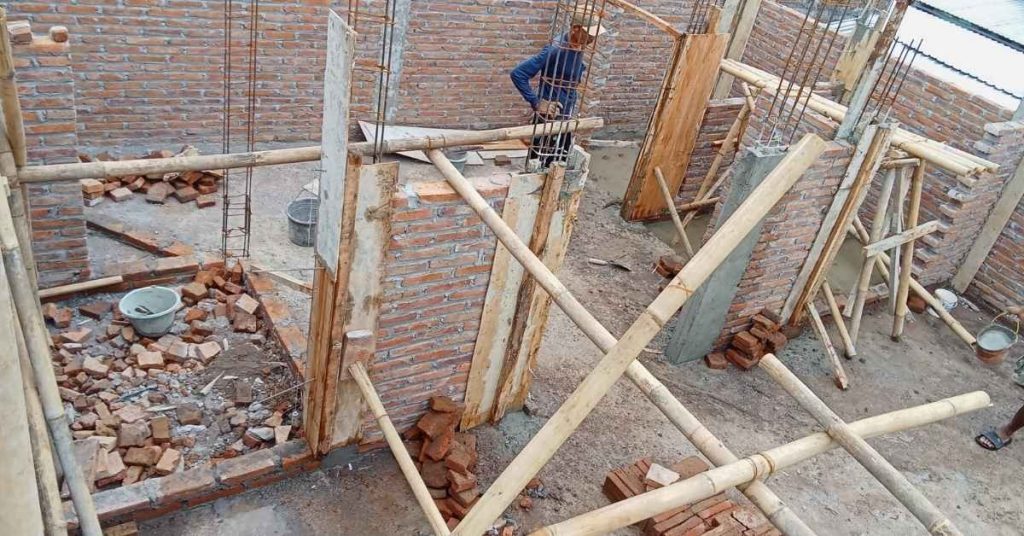
Construction site with brick walls and bamboo scaffolding
Bamboo scaffolding illustrates bamboo’s structural use despite moisture concerns

Real-world water resistance: room-by-room guidance

Bamboo can work in some spaces if you plan for moisture, but you’ll want to map each room’s risk and follow room-specific guidelines. Kitchens, bathrooms, laundry, basements, and entryways need clear notes on where bamboo is suitable and where it should be avoided. Expect to specify acclimation, subfloor prep, vapor barriers, and the right underlayment for each spot.

This matters because moisture isn’t the same everywhere in a house. Proper expansion gaps, sealing details, moisture control, and smart transitions reduce water ingress and damage over time. Use a practical decision framework to decide if bamboo fits a room or if you should choose a more moisture-tolerant option, and always check product labels and manufacturer instructions for your situation.

Kitchens and laundry rooms

In kitchens and laundry rooms, strand-woven bamboo is a solid choice for its durability against spills and splashes. Make sure to install it with proper expansion gaps and use water-resistant sealers or finishes.

For subfloor prep, ensure the surface is clean and level. If you’re installing over concrete, apply a vapor barrier first. Acclimate your bamboo flooring in the room for at least 48 hours before installation.

If spills happen, act fast—blot up liquids immediately to prevent damage. Use protective mats near sinks or washing machines to minimize water exposure.

Bathrooms and high-moisture rooms

Bathrooms are a no-go for bamboo unless you have excellent ventilation. Full bathrooms with showers or bathtubs pose too much risk due to constant moisture.

Exceptions exist if you use floating engineered products with waterproof cores, but even then, keep an eye on humidity levels. If the room is prone to high moisture, consider alternatives like tile or vinyl flooring for better protection.

To minimize risks, install a vapor barrier over concrete and ensure proper subfloor prep. Use water-resistant sealers and finishes to add another layer of defense against moisture.

Basements, sunrooms, and entryways

Basements are tricky due to high humidity levels. Use a vapor barrier over concrete slabs before installing bamboo flooring. Ensure the subfloor is level and clean.

In sunrooms or entryways exposed to weather, engineered bamboo with moisture barriers can work if you keep an eye on humidity and use protective mats at doorways.

Install expansion gaps around walls and other fixed structures to allow for natural movement of the flooring. Regularly check for signs of water damage and address issues promptly to maintain your bamboo’s integrity.

Back to top ↑

Installation best practices to maximize water resistance

The key to a long-lasting, water-resistant bamboo floor is doing the prep work right from the start: dry, clean, level subfloor; acclimation of the bamboo; and choosing the right underlayment, vapor barrier, adhesive, and expansion gaps. Follow the product instructions for moisture testing and surface prep, and don’t skip sealing seams or detailing perimeters. Keep the space within reasonable temperature and humidity for installation and verify compatibility with your finish.

This matters because improper prep or the wrong barrier lets moisture sneak in, causing cupping, gaps, or swelling over time. Check labels and manufacturer instructions for what works with your chosen bamboo and finish, and plan for practical on-site steps like moisture checks, seam sealing, and proper edge spacing to handle irregular subfloors.

Subfloor preparation and moisture testing

Before laying bamboo flooring, make sure your subfloor is dry, clean, and level. Use a moisture meter to check the relative humidity (RH) levels in the room. Aim for RH below 65%—this keeps the floor stable and prevents warping.

Identify any areas prone to water exposure, like around sinks or showers. If you’re dealing with concrete subfloors, test for pH levels using a specialized meter. Concrete should have a neutral pH of around 7; anything higher can damage your flooring over time.

Remove any existing coatings or sealants that might trap moisture under the new floor. Follow manufacturer guidelines on acclimation times and RH thresholds specific to your bamboo species. This ensures the wood is in sync with its environment before installation.

Underlayments, vapor barriers, and adhesives

Select an underlayment that fits your needs. Cork or foam pads work well for soundproofing and moisture control. If you’re in a high-humidity area, consider adding a vapor barrier to prevent condensation from building up beneath the floor.

For glued-down installations, use water-resistant adhesives designed specifically for bamboo flooring. These adhesives come in different types—check compatibility with your finish and follow application instructions carefully. Ensure proper surface prep and environmental conditions before applying adhesive.

When installing over concrete, always use a vapor barrier to prevent moisture from rising through the slab. This is crucial for preventing cupping or warping of bamboo planks. Follow manufacturer guidelines on adhesion methods—glued-down floors are more secure but require precise application.

Seaming, thresholds, and transitions

Caulk all seams where bamboo planks meet to prevent water from seeping into joints. Use a flexible sealant that won’t crack over time. This is especially important around wet areas like bathrooms or kitchens.

Install proper transition strips at doorways leading to other rooms with different flooring types. These transitions should slope slightly downward toward the adjacent room, allowing any spills to drain away from your bamboo floor.

In irregular subfloor conditions, use expansion gaps and flexible connectors to allow for natural movement of the flooring due to temperature changes or humidity shifts. Properly sealed seams and well-placed transition strips will help maintain a watertight seal throughout the life of your installation.

Back to top ↑

Finishes, sealants, and treatments that affect waterproofing

Factory-applied finishes like polyurethane or aluminum oxide modify water resistance at the outset, but they wear, wear off in high-traffic zones, and can affect how easily you can recoat or apply other sealants later. Topical sealers sit on the surface and may provide a temporary barrier that can wear through with foot traffic, spills, and cleaning, while edge sealing and end-grain treatment focus moisture control where boards meet and where moisture tends to intrude first. Penetrating sealants absorb into the wood to repel water without building a thick coating, but their durability depends on wear, cleaning, and reapplication, so don’t assume a single treatment will last forever; always check the label or datasheet for guidance appropriate to your bamboo construction and factory finish.

Understanding these options helps you set realistic expectations for what “waterproof” means in bamboo flooring and when incidental spills vs. subfloor moisture require different protections. It matters because maintenance, reapplication frequency, and compatibility with strand-woven versus standard bamboo can vary widely, and choosing the wrong approach can trap moisture or dull the surface. Prioritize edge and end-grain strategies in planning, match cleaners and recoat methods to the product label, and plan for periodic maintenance that aligns with the expected wear pattern on your specific floor.

Factory finishes and what they do

Bamboo flooring typically comes with a factory-applied finish, often multi-coat polyurethane. This finish is designed to protect the surface from wear and tear but it’s not waterproof. It acts like a shield against liquid absorption, slowing down moisture penetration, but it won’t stop water completely.

When you install bamboo flooring, check if there are any additional factory finishes applied. These can be aluminum oxide or other hard-wearing coatings that provide extra protection against scratches and stains. However, these finishes still allow some moisture to seep through over time, especially in high-moisture areas like bathrooms.

For long-term water resistance, you might need to apply additional sealers on top of the factory finish. This can be a topical sealer or a penetrating oil-based sealer that helps to further reduce moisture absorption but doesn’t make the floor truly waterproof.

The key takeaway is that while factory finishes offer good protection against everyday wear and tear, they won’t prevent water damage in wet environments without additional treatments.

Edge and gap sealing techniques

Bamboo flooring edges are particularly vulnerable to moisture ingress. Water can seep into the end grain of bamboo planks, causing swelling or warping over time. To prevent this, you need to seal the edges properly.

One common method is using edge-sealing products specifically designed for bamboo floors. These come in liquid form and are applied with a brush or spray to cover all exposed edges thoroughly. Make sure to apply several thin coats rather than one thick coat to avoid build-up that could cause bubbling or cracking.

In addition, sealing gaps around the perimeter of your room is crucial. Use caulk or foam sealant to fill any gaps between the flooring and walls. This prevents water from entering at these points where moisture often accumulates.

Remember, edge sealing isn’t a one-time job. You’ll need to reapply it periodically as the finish wears off over time due to foot traffic and cleaning. Regular maintenance is key to keeping your bamboo floor protected against moisture damage.

When to consider a waterproof core or vinyl alternative

If you’re dealing with high-moisture areas like bathrooms, laundry rooms, or basements, bamboo flooring might not be the best choice unless it has a waterproof core. These engineered planks are designed with moisture-resistant layers that prevent water from penetrating deep into the wood.

Another option is to consider vinyl alternatives such as luxury vinyl plank (LVP) or wide plank composite (WPC). These materials offer superior water resistance and can be installed in wet environments without risk of damage. They come in various styles that mimic natural hardwood, giving you a similar look but with better performance.

When choosing between bamboo and these alternatives, weigh the pros and cons carefully. Bamboo offers a unique aesthetic and is more environmentally friendly compared to traditional hardwoods, but it lacks the durability needed for high-moisture areas. Vinyl options might be less attractive in terms of natural beauty but provide unbeatable protection against water damage.

Ultimately, if you need true waterproof performance, going with a waterproof core bamboo or opting for vinyl alternatives is your best bet to avoid costly repairs down the line.

Back to top ↑

Work boots on exposed wooden floor joists indoors
Floor structure exposure highlights need for proper finish and sealant

Maintenance and cleanup practices to prevent water damage

Keep up with daily cleaning using a microfiber or damp mop, and avoid steam mops or harsh chemicals that can damage bamboo finishes. Remove spills quickly—recognize a short window to blot and clean, and follow the product label for any cleaners to use or avoid. Plan routine weekly inspections to catch moisture, staining, or gaps before they get worse.

This matters because consistent action prevents water from seeping into seams and finishes, which hurts stability and appearance over time. A simple, practical routine supports long-term durability, helps you spot trouble early, and guides when to call in a professional if something beyond your scope shows up during inspections or after a spill.

Tools and materials checklist for upkeep

Keep this list handy to ensure your bamboo flooring stays in top condition.

  • Microfiber mop: Use daily or weekly for dust removal. Avoid lint buildup that can scratch the surface.
  • Damp mop: For light cleaning, use a damp cloth with water and mild cleaner. Prevents excessive moisture from damaging bamboo.
  • pH-neutral cleaner: Choose a gentle cleaner to avoid stripping protective finishes. Test on an inconspicuous area first.
  • Soft towels: Use for quick drying after spills or damp mopping. Avoid leaving wet spots that can cause warping.
  • Moisture meter: Check for hidden moisture weekly to prevent mold and rot. Essential in high-humidity areas like bathrooms.
  • Absorbent materials: Keep on hand for quick spill cleanup, such as paper towels or cloths. Blot spills immediately to avoid stains.
  • Felt pads: Protect furniture legs from scratches and dents. Replace regularly to maintain effectiveness.
  • Vacuum cleaner: Use with a soft brush attachment for daily dusting. Removes dirt without scratching the surface.

Quick rule: Regular use of these tools ensures your bamboo flooring remains clean, dry, and protected from damage.

Long-term care and refinishing options

Bamboo flooring can last for years with proper maintenance. However, if water damage has occurred, refinishing might be necessary to restore the surface.

Solid bamboo and some engineered varieties allow for sanding and recoating. Check with your manufacturer for specific recommendations on your flooring type. Previous water exposure may weaken the material, making it less suitable for refinishing.

Signs that replacement is needed include severe warping, cupping, or staining that cannot be cleaned. If these issues persist despite regular maintenance, consider replacing damaged sections to prevent further damage.

Back to top ↑

Common mistakes, failure modes, and how to avoid them

Water-related failures on bamboo flooring almost always trace back to a few avoidable moves: skipping acclimation, skipping or improperly installing a vapor barrier, choosing the wrong adhesive, inviting steam exposure, or missing hidden leaks. When you control acclimation, keep moisture and RH in check, and prepare the subfloor with a proper barrier and level surface, you drastically cut the risk of cupping, gaps, and debonding. Use the right adhesive for bamboo, apply it correctly, and avoid steam cleaning or soaking techniques that push moisture into joints.

This matters because DIY work without these checks often leads to recurring problems that are expensive to fix. You’ll benefit from clear steps: read the product label and manufacturer guidance, run simple moisture checks before and after installation, and verify the barrier is continuous and free of pinholes. Stay off steam cleaning, limit water exposure, and establish a simple routine for spill remediation, then watch for early warning signs like cupping, raised grain, or edge gaps and address them promptly or seek professional advice.

Installer and homeowner pitfalls

Avoid these common mistakes that can lead to water damage and premature failure of your bamboo flooring.

  • Skip acclimation: Not letting the flooring adjust to room conditions causes cupping. Acclimate for at least 7 days in a controlled environment before installation.
  • Omit vapor barrier: Without proper protection, moisture from below can seep up and damage your floor. Always use a vapor barrier on concrete slabs.
  • Use wrong adhesive: Improper bonding leads to debonding and water penetration. Choose urethane or epoxy adhesives for best results.
  • Clean with steam: Steam cleaning can warp bamboo boards due to excessive moisture exposure. Stick to dry methods like sweeping and damp mopping instead.

Maintaining your flooring properly from the start will save you time and money down the road.

Case examples and troubleshooting checklist

This checklist helps diagnose issues like cupping, gaps, or raised grain in your bamboo flooring.

  • Check acclimation: Ensure proper adjustment time before installation. Cupping can occur if skipped.
  • Vapor barrier present: Confirm vapor barrier is correctly installed on concrete slabs to prevent moisture intrusion.
  • Adhesive type correct: Use urethane or epoxy adhesives for best bonding and water resistance.
  • No steam cleaning: Avoid using steam cleaners that can warp bamboo boards. Stick to dry methods.
  • Hidden leaks identified: Look for signs of moisture damage like cupping, gaps, or raised grain. Address any leaks immediately.

Quick rule: Regular checks and proper maintenance prevent costly repairs later on.

Back to top ↑

Comparing bamboo options and alternatives for wet areas

Here’s the quick taxonomy and how it behaves in moisture-prone spaces: strand-woven, horizontal/vertical, solid, engineered, waterproof-core engineered, and vinyl/plastic alternatives each have distinct moisture-use cases, failure modes, and practical limits. Expect differences in swelling, cupping, delamination, and mold risk tied to water exposure types like spills, humidity, or standing moisture. Bamboo isn’t automatically waterproof, so pick construction and core material with that reality in mind.

This matters for you at install and upkeep: subfloor prep, acclimation, sealing or underlayment choices, and cleaning routines all affect longevity in kitchens, bathrooms, laundry rooms, and mudrooms. Weigh durability, wear in wet zones, indoor air quality, and overall lifecycle value, and watch for caveats that guide safe choices. When in doubt, check product labels and manufacturer instructions for moisture specs and care recommendations.

Strand-woven vs other bamboo constructions

When it comes to moisture resistance, strand-woven bamboo is the top choice among all types of bamboo flooring. It’s made from compressed strands that are heat-treated and pressed together, making it denser and more resistant to water damage than traditional horizontal or vertical grain bamboo.

However, even strand-woven bamboo isn’t fully waterproof. To keep it protected in wet areas like bathrooms or kitchens, you need to install a proper vapor barrier under the subfloor and use moisture-resistant adhesives during installation. Regular maintenance is also key—make sure to clean up spills immediately and avoid letting water sit on the surface.

Other bamboo constructions like horizontal and vertical grain are less dense and more prone to swelling, cupping, or delamination if exposed to prolonged moisture. If you’re set on using bamboo in a wet area, strand-woven is your best bet, but it’s still not as bulletproof as fully waterproof alternatives.

Remember, no matter the type of bamboo, proper installation and maintenance are crucial for longevity. Don’t skimp on underlayment or sealing techniques if you want to keep water damage at bay.

When to choose waterproof engineered or LVP instead

If your space is prone to standing water, high humidity, or frequent spills—like a kitchen, bathroom, or laundry room—you might want to consider fully waterproof options like waterproof-core engineered bamboo or luxury vinyl plank (LVP).

These materials are designed to handle moisture without swelling, delaminating, or developing mold. They’re also easier to maintain and clean compared to regular bamboo flooring.

Your decision should factor in risk tolerance, room function, budget, and resale value. If you can’t afford the upkeep of a high-maintenance floor or if your space is too wet for even strand-woven bamboo, going with waterproof alternatives might be smarter in the long run.

While bamboo has an aesthetic appeal and eco-friendly reputation, it’s important to weigh these benefits against durability and practicality. In some cases, investing in a more robust material upfront can save you from costly repairs down the line.

Back to top ↑

Final recommendations, checklist, and what to ask your manufacturer or installer

Start with a quick decision framework: don’t trust a waterproof claim at face value—look for real moisture resistance data and what the warranty actually covers. Ask the manufacturer for test standards, warranty terms, and coverage limits, plus clear pre-purchase questions about acclimation time, RH range, and recommended storage humidity. Also verify what underlayment and moisture barriers are required and how flat the subfloor must be.

Then use the questions to guide a real decision flow: if moisture risk is high or warranty is weak, pause and consider alternatives or extra mitigation; otherwise, confirm the product and installer meet the stated specs before proceeding. This matters because poor prep, bad underlayment, or skipped acclimation wrecks the floor and leads to future failures. Keep the focus on practical, verifiable details you can check on the label or datasheet before buying or installing.

Warranty and testing to verify

Before you buy bamboo flooring, make sure the manufacturer’s warranty covers moisture damage. Here’s what to check:

  • Moisture coverage: Warranty should cover water exposure; ask for specific limits.
  • Test standards: Look for certifications like ASTM or EN testing protocols.
  • Warranty length: Ensure it matches your home’s expected lifespan.
  • Exclusion clauses: Avoid warranties that exclude water damage.
  • Manufacturer confidence: A strong warranty shows they stand behind their product.

Quick rule: If the warranty doesn’t cover moisture, consider a different flooring option or additional protection measures.

Quick DIY visual checkpoints before and after installation

Before installing bamboo flooring, do these checks to ensure proper acclimation:

  • Check for cupping: Look for warped edges; avoid if found.
  • Feel the floor: It should be cool to touch; warm floors indicate poor acclimation.
  • Look for gaps: Gaps between boards can signal improper installation or moisture issues.
  • Inspect finish: Check for scratches, dents, and uneven surfaces before installing.

Quick rule: If you notice any of these issues, address them immediately to avoid future problems.

Back to top ↑

Person using mallet to install wood flooring
Proper installation techniques impact bamboo flooring durability

Conclusion

Safety and durability come from sticking to real-world steps: treat bamboo like a water-prone surface, protect it with proper finishes, and call for help if you’re unsure about the moisture issues you’re tackling.

Do this next: check room-by-room conditions before any work, pick a finish or sealant that matches the area, install per the manufacturer’s guidelines, seal all joints and edges, test for leaks after setup, and keep up with maintenance so a small spill never becomes a structural problem.

Common mistakes to avoid are skipping a moisture check, roughing or failing to re-seal joints after installation, and using cleaners or treatments that void warranties. Simple safety rules: test a small area first, follow the product instructions exactly, and never leave standing water where bamboo sits longer than a wipe-down cycle. If any moisture history is uncertain or you hit inconsistent results during testing, pause and reassess before proceeding.

If you’re unsure about a room’s conditions, or the project involves complex finishes, multiple substrates, or high humidity, call a pro before continuing. Stay practical, stay cautious, and you’ll keep the floor looking good and lasting longer than you expect.

Back to top ↑

FAQ

Is bamboo flooring truly waterproof?

No floor is truly waterproof. Bamboo can resist spills for a while, but water will soak in and warp or swell if it sits. Use mats and wipe up spills fast.

What should I do to protect bamboo flooring from water damage?

[>Keep it dry and clean. Use area rugs in high-traffic zones and immediately dry any spills with a towel. Consider a water-resistant finish and avoid soaking the surface.

Can bamboo flooring be used in bathrooms or laundry rooms?

Not ideal. Bathrooms and laundry rooms have more moisture and humidity. If you must, choose a water-resistant option and seal edges well, but be prepared for potential issues.

What maintenance helps extend bamboo flooring life?

Wipe with a damp cloth, not a soaking wet one. Use a cleaner made for wood floors and avoid harsh chemicals. Regular maintenance beats quick fixes and fake promises.

Back to top ↑