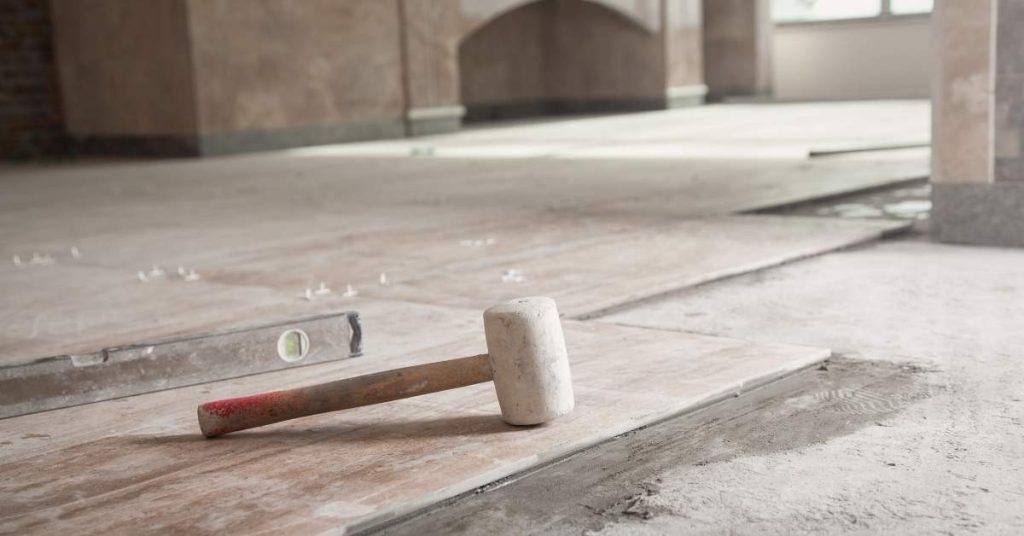
Eco-Friendly Flooring Options: Common Problems, Causes, Testing, and Fixes

Eco-Friendly Flooring Options: Common Problems, Causes, Testing, and Fixes

Introduction

Eco-friendly flooring options provide durable, low-toxicity choices that minimize environmental impact.

The article explains common problems, what causes them, and how testing can reveal the best fixes for sustainable materials.

You’ll learn practical steps, tips, and examples to compare materials, assess performance, and implement effective maintenance strategies.

Key takeaways

  • Choose strong, low-emission materials with third-party certification for indoor air quality.
  • Consider durable options like cork, bamboo, or FSC-certified wood with moisture control.
  • Test moisture content and substrate suitability before installation to prevent failures.
  • Proper acclimation, underlayment choice, and seam sealing reduce movement and gaps.
  • Regular maintenance and humidity control extend life and preserve finish integrity.
  • Weigh environmental trade-offs: embodied energy, renewability, and end-of-life disposal options.
Table of Contents

Overview of Eco-Friendly Flooring Types

Eco-friendly flooring comes in several distinct options, each with its own strengths. Bamboo, cork, reclaimed hardwood, linoleum, recycled-content vinyl alternatives, rubber, and natural or recycled-fiber carpets cover a wide range of uses. Consider moisture tolerance, sound comfort, and low-VOC needs when selecting a type for a given room.

Think about lifecycle implications and maintenance as you compare options. Look at production footprint, durability, repairability, and end-of-life disposal or recyclability. Also weigh typical installation requirements and how long-term costs may stack up against upfront spend, especially in relation to energy efficiency and durability.

Material pros and cons

Choosing the right eco-friendly flooring material is crucial for a successful, long-lasting result.

  • Bamboo: Durable, hard-wearing; look for high-density options. Avoid low-quality bamboo that can crack or stain easily.
  • Cork: Soft underfoot, good insulator; expect some wear in high-traffic areas. Not suitable for wet rooms due to moisture absorption.
  • Reclaimed Hardwood: Unique, durable; may have varying quality and sizes. Expect some character marks but avoid pieces with weak bonds.
  • Linoleum: Durable, easy to maintain; look for natural oils finish. Avoid low-quality linoleum that can peel or crack.
  • Recycled-Content Vinyl Alternatives: Durable, water-resistant; consider plank vs tile formats. Avoid thin vinyl that may wear out quickly.
  • Rubber: Highly durable, good acoustic properties; expect some odor initially. Not suitable for areas with high heat due to potential melting.
  • Natural/Recycled-Fiber Carpet: Soft, comfortable; look for low-pile options. Avoid high-pile carpets that can trap dirt and moisture.

Environmental credentials and certifications

Understanding eco labels helps ensure you’re getting a truly green product. Here’s what some common certifications mean:

FSC: Forest Stewardship Council ensures responsible forest management. It’s crucial for wood-based products like bamboo or reclaimed hardwood.

Cradle to Cradle: Certifies material health, renewable energy use, water stewardship, and social fairness. It’s great for a holistic view of the product’s lifecycle.

FloorScore: Indoor Air Quality Certification ensures low VOC emissions. It’s important for anyone concerned about indoor air quality.

Declare: Transparent reporting on material ingredients, sourcing, and end-of-life options. It helps consumers make informed decisions.

Typical installation methods

Installation method affects performance, longevity, and repairability of your eco-friendly flooring:

Floating: Uses interlocking planks or tiles; easy to install but may move over time. Suitable for level subfloors.

Glue-Down: Adheres directly to the subfloor; provides better stability and durability. Requires a smooth, clean subfloor.

Nail-Down: Nails through tongues into subfloor; provides excellent stability but can be labor-intensive. Suitable for solid wood flooring.

Consider your subfloor condition, room usage, and long-term maintenance needs when choosing an installation method.
Back to top ↑

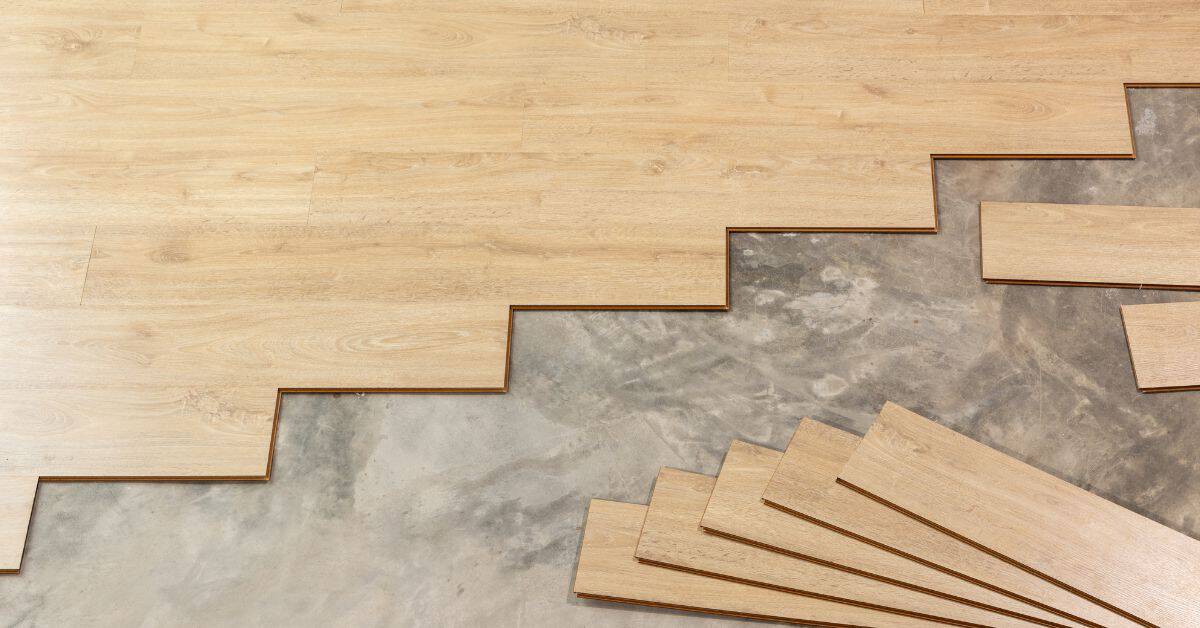
Partially installed wood-look vinyl plank flooring on concrete subfloor
Vinyl plank flooring installation highlighting eco-friendly material choice

Common Problems with Eco-Friendly Floors

Common issues include warping, cupping, gapping, delamination, staining, odor from off-gassing, and mold underlayments. Some materials are more susceptible than others, with moisture-sensitive options showing more warping tendencies in damp spaces. Premature wear and abrasion can also appear in high-traffic areas.

Causes often trace to humidity swings, inadequate acclimation, subfloor moisture, improper underlayment, UV exposure, or off-gassing. Diagnostics range from in-situ moisture checks to VOC testing and visual inspections for signs of mold. Maintenance and fixes should be tailored to each eco-friendly option and addressed early to avoid bigger problems.

Moisture-related movement and deformation

Eco-friendly floors can react to moisture, causing issues like cupping (edges higher than center), crowning (center higher than edges), buckling (lifting off the subfloor), or swelling. Materials most at risk are bamboo, engineered wood, and some natural composites.

Causes: Humidity/temperature swings, inadequate acclimation, subfloor moisture. Check in-situ moisture levels before installation.

To prevent: Control humidity (40-60% relative humidity), ensure proper acclimation (at least 72 hours), and use a suitable moisture barrier underlayment.

Indoor air quality and VOC concerns

Some eco-friendly floors can emit volatile organic compounds (VOCs) even if they’re certified ‘green’. This can cause odors, headaches, or irritation. Linoleum, some natural composites, and certain adhesives are common culprits.

Causes: Off-gassing from materials, improper ventilation during installation. Test VOC levels before moving in furniture.

To mitigate: Choose low-VOC products, ensure proper ventilation during installation, and consider using a VOC-free or low-VOC adhesive.

Biological and surface degradation

Mold under flooring can cause musty odors and health issues. Staining, discoloration, and abrasion are also common problems. Subfloor moisture or adhesive failures can exacerbate these.

Causes: Mold/mildew from trapped moisture, staining from spills or dirt, abrasion from heavy foot traffic or furniture. Inspect subfloor before installation, use a suitable underlayment, and seal floors promptly after installation.

To fix: Identify and address the source of moisture, clean stains promptly, and reapply sealant as needed. If severe, consider professional help to prevent further damage.

Back to top ↑

Root Causes and Risk Factors

Key root causes include humidity or condensation, leaks, improper acclimation, subfloor prep issues, incompatible adhesives, traffic patterns, sunlight exposure, and variable product quality. Understanding these helps distinguish symptom from cause. Each factor interacts with the specific flooring you choose.

Use a diagnostic framework that looks at environmental history, moisture measurements, substrate condition, and acclimation records. Mapping climate, envelope integrity, and occupancy patterns helps predict likely failure modes. Prioritizing moisture control and proper acclimation often prevents many problems before installation begins.

Site and installation mistakes

While eco-friendly flooring options are durable, improper installation can lead to issues. Here are common mistakes to avoid:

  • Insufficient acclimation: Not allowing materials to adjust to room temperature and humidity before installation can cause expansion or contraction, leading to gaps or warping.
  • Incorrect fasteners or adhesive: Using the wrong type or amount of fasteners or adhesive can result in improper bonding, causing delamination over time.
  • Inadequate expansion gaps: Not leaving enough space between flooring and walls allows for expansion due to temperature changes, which can cause buckling or cracking.
  • Improper subfloor preparation: A uneven, dirty, or moist subfloor can lead to squeaks, warping, or delamination of the finished floor.

Proper installation is key to longevity and performance. Always follow manufacturer guidelines for acclimation, fasteners, adhesive, and expansion gaps.

Building and environmental contributors

Factors beyond your flooring choice can impact its performance. Here’s how:

HVAC systems can contribute to moisture issues if not properly balanced or maintained, leading to condensation and potential floor damage.

Moisture in basements or crawlspaces can migrate upwards, causing subfloor moisture issues that affect your flooring. Ensure these areas are well-ventilated and waterproofed.

Exterior grading that directs water towards your home’s foundation can lead to basement leaks and subsequent flooring problems. Maintain proper grading to direct water away from your home.

Plumbing leaks, both visible and hidden, can cause significant moisture issues in your subfloor and finished floor. Regularly inspect and maintain your plumbing systems to prevent this.

Material-specific vulnerabilities

Different eco-friendly flooring materials have unique strengths and weaknesses. Here’s what to consider:

  • Cork: Susceptible to moisture damage. Ensure subfloor is dry and use a moisture barrier if necessary. Look for products with high moisture resistance ratings.
  • Engineered vs Solid Wood: Engineered wood is more stable but can still expand/contract with humidity changes. Solid wood is more susceptible to these changes but offers greater durability. Consider your climate and lifestyle when choosing.
  • Laminate: While durable, improper installation or exposure to excessive moisture can cause delamination or warping. Ensure subfloor is clean, dry, and flat.
  • Bamboo: Similar to hardwoods, bamboo can expand/contract with humidity changes. Choose products with good stability ratings for your climate.
  • Concrete: Susceptible to cracking due to settling or improper curing. Ensure subfloor is properly prepared and use control joints to manage shrinkage.

Understanding material vulnerabilities helps you choose the right product for your specific needs and environment.

Back to top ↑

Inspection and Testing Methods

DIY moisture checks include surface humidity readings and simple moisture tests for concrete or underlayment. Look for acceptable ranges based on the flooring type you plan to install and follow label guidance. Keep records of readings to compare over time.

Adhesive bond tests, VOC observations, and mold screening provide practical information beyond visual cues. Use straightforward pull tests or scrapes to gauge bond quality and consider professional testing when needed. Document findings to guide repairs or replacement decisions.

Moisture testing protocols

Before installing eco-friendly flooring, check for excess moisture to prevent issues later. Here’s a quick checklist.

  • Surface RH: Use a moisture meter on the concrete surface. Acceptable range: 4-6% (RH).
  • Primed Concrete: Test primed surfaces with a hygrometer. Ideal range: 10-20% (RH).
  • Calcium Chloride Test: Use this for in-situ testing when surface readings are low but suspected moisture is high.
  • Anhydrous Calcium Chloride: This test takes 24 hours. Acceptable gain: <1 lb/100 sq ft.
  • In-Slab Moisture: Drill holes, insert probes, and measure moisture content in the slab itself.
  • Concrete Slab Temperature: Check if it’s within 5-10°F of ambient temperature to rule out thermal shock.
  • Subfloor Flatness: Use a straightedge to ensure the surface is flat and level.
  • Consult a Pro: If readings are high or inconsistent, consult a professional moisture specialist.

Quick rule: Always test before installing. Moisture-related issues can void warranties and cause costly repairs.

Air quality and VOC testing

Ensure good indoor air quality (IAQ) before, during, and after installation. Here’s a quick checklist.

  • Short-term IAQ Test: Use a consumer-grade monitor for immediate readings of common pollutants.
  • Comprehensive IAQ Test: Hire a professional for a thorough analysis of your indoor air quality.
  • Formaldehyde Spot Test: Check for this common VOC with a simple test kit. Acceptable level: <0.1 ppm.
  • Total VOC Spot Test: Measure overall VOC levels. Acceptable range: <500 ppb.
  • Lab Analysis: Send samples to a lab for precise, detailed analysis of air quality.
  • Ventilation: Ensure proper ventilation during and after installation to remove off-gassing VOCs.
  • Symptom Observation: Note any odors, headaches, or other symptoms that could indicate poor IAQ.
  • Professional Testing: If symptoms persist or test results are concerning, hire a professional for further investigation.

Quick rule: Good air quality is crucial. Don’t ignore signs of poor IAQ; test and address issues promptly.

Visual and tactile inspection checklist

Before installation, inspect your space for any red flags. Here’s a room-by-room checklist.

  • Gaps: Check for wide gaps between the subfloor and walls that could indicate movement or moisture issues.
  • Cupping: Feel for warped, cupped, or uneven surfaces. These can cause flooring to fail.
  • Soft Spots: Press firmly on the floor. Soft spots indicate potential structural issues or excessive moisture.
  • Adhesive Failure: Look for signs of old adhesive or failed adhesives that could interfere with new installations.
  • Odor: Smell for musty odors that could indicate mold or mildew growth.
  • Mold Signs: Inspect for visible mold, water stains, or discoloration on the subfloor or walls.
  • Cracks: Check for cracks in the concrete slab. These can cause flooring to fail and allow moisture intrusion.
  • Moisture Intrusion Checks: Look for signs of water damage, such as warped baseboards or stained walls.

Quick rule: A thorough visual and tactile inspection can help prevent costly mistakes. Don’t rush; check carefully.

Back to top ↑

Ceramic floor tiles being installed with white spacers
Illustrates tile spacing for proper flooring installation inspection

Fixes and Remediation Strategies

Common fixes address humidity and moisture-related failures with diagnostic checks of wood condition, moisture content, and vapor barrier integrity. Start with preventive controls like climate stabilization and proper ventilation before proceeding with repairs. Tailor actions to the specific flooring type you have installed.

A tiered fixes map helps, from minor DIY steps to localized board replacement and professional remediation when needed. Include moisture testing and mold considerations, plus safe, low-VOC remediation products. Plan for re-coating or refinishing as part of long-term care.

Humidity and Moisture Control Fixes

Excess humidity and moisture are common culprits behind eco-friendly flooring issues. Here’s how to tackle them:

Climate Control: Maintain indoor humidity between 30-50%. Use dehumidifiers or humidifiers as needed.

Ventilation: Ensure proper airflow, especially in kitchens and bathrooms. Consider installing exhaust fans if necessary.

Subflooring: If moisture is coming from below, you might need to replace the subflooring. Temporary fixes like localized drying may not be enough.

Repair vs Replace Decisions

Before diving into repairs, assess the damage:

Minor Issues: Small gaps or minor cupping can often be repaired by re-sealing joints or lightly sanding and refinishing.

Moderate Damage: Consider localized board replacement if a few boards are affected. Use low-VOC adhesives for re-bonding.

Severe Damage: If more than 10% of the floor is affected, or there’s structural damage, full replacement or professional remediation may be necessary.

Mold and VOC Remediation Approaches

Mold growth and off-gassing VOCs can impact your indoor air quality. Here’s how to address them:

Mold Cleanup: For small areas (less than 10 sq ft), use a solution of water and detergent, then dry thoroughly. For larger areas, hire certified remediators.

VOCs: Use low-VOC sealers and finishes during refinishing to minimize off-gassing. Ensure proper ventilation when applying.

Safety First: Always wear protective gear (gloves, goggles, mask) when dealing with mold or VOCs. Keep children and pets away from treated areas until they’re completely dry.

Back to top ↑

Preventive Best Practices and Maintenance

Acclimation and installation guidance should address room conditions and the realities of recycled-content options and concrete overlays. Follow recommended humidity and temperature ranges during and after installation. Proper acclimation reduces later surprises and keeps claims within expectations.

Maintenance routines cover humidity control, cleaning products, protective measures for high-traffic areas, and seasonal inspections. Use low-VOC sealers or finishes and schedule reapplications to extend life while protecting indoor air quality. Engage professionals for persistent issues beyond DIY scope.

Installation best practices to prevent problems

Before laying your eco-friendly flooring, ensure the subfloor is flat and dry. Use a moisture barrier if needed.

Acclimate materials to room conditions for at least 48 hours before installation. Check manufacturer guidelines for specific times.

Use approved adhesives and installers with relevant experience. Leave expansion gaps around perimeter walls.

Routine maintenance schedule

For concrete overlays, clean weekly using a mild, pH-neutral cleaner. Refinish every 2-5 years depending on traffic.

For polished concrete, clean monthly with an eco-friendly, low-pH cleaner. Reapply sealant every 3-4 years.

For recycled-content options, follow manufacturer guidelines for cleaning and refinishing cycles.

Smart home and energy efficiency benefits

Use zoned HVAC to maintain consistent temperatures across the floor, preventing expansion/contraction issues.

Install a whole-house dehumidifier or humidifier to control indoor humidity levels between 35-50%. This protects floors and reduces energy use.

Maintain energy-efficient climate control by using smart thermostats, insulation, and weatherstripping. This balances floor protection with energy savings.

Back to top ↑

Environmental and Health Trade-offs

Compare environmental factors such as embodied energy, recyclability, and end-of-life disposal across materials. These metrics influence long-term sustainability and can guide responsible choices. Consider regional availability and supply chain implications as part of the decision.

Assess indoor health implications, including emissions and off-gassing, and look for trusted certifications to verify claims. Weigh durability and maintenance needs, and consider how disposal options line up with your environmental goals. Regional rules and true green claims may vary, so verify before buying.

Comparative carbon and waste impacts

The first step in comparing eco-flooring options is understanding their embodied energy – the total energy used to produce, transport, install, and dispose of a product. This affects long-term sustainability.

Cork, bamboo, and linoleum have lower embodied energy than hardwoods or ceramics. Recycled-content products further reduce this impact.

At end of life, consider recyclability and disposal options. Concrete overlays can be ground down for reuse, while cork and bamboo can be composted. Linoleum can be recycled but may require specialized facilities.

Health implications and vulnerable populations

Volatile Organic Compounds (VOCs) in flooring materials can cause headaches, nausea, and long-term health effects. Children, the elderly, and those with respiratory conditions are most at risk.

Mold-related health effects include allergies, asthma attacks, and fungal infections. Ensure proper moisture control to prevent mold growth.

Choose low-VOC materials certified by GREENGUARD or FloorScore. For vulnerable populations, consider professional air quality testing before installation.

Choosing low-impact finishes and adhesives

Low-VOC finishes and water-based adhesives minimize off-gassing during and after installation. They’re safer for you, your family, and the environment.

Water-based urethanes or acrylics are good low-VOC finish options. For adhesives, look for products with GREENGUARD certification or those labeled ‘low VOC’.

Consider using recycled or recyclable installation materials where possible. This reduces waste and supports a circular economy.

Back to top ↑

Cost, Durability, and Value Comparison

Upfront cost considerations include material price, underlayment, and installation needs, which vary by type and region. Grade, thickness, and labor drive price differences, so compare like with like. Keep in mind that some options may offer savings through easier installation or fewer subsurface prep steps.

Ongoing costs cover cleaning, sealants, refinishing, and any special equipment. Durability expectations and warranties translate into long-term value, balanced against maintenance and replacement timelines. Use a clear cost-of-ownership view to compare options side by side.

Short- and Long-Term Cost Considerations

When comparing eco-friendly flooring options, consider both upfront costs and long-term expenses.

Upfront costs vary by material. For instance:

  • Cork: $2 – $12 per sq ft (underlayment needed)Bamboo: $3 – $8 per sq ft (installation similar to hardwood)Linoleum: $4 – $7 per sq ft (glue-down installation)Recycled vinyl: $2 – $5 per sq ft (float or glue-down)Reclaimed wood: $5 – $15 per sq ft (installation like solid hardwood)

Long-term costs include maintenance, repairs, and eventual replacement. For example:

  • Cork: Low maintenance, occasional recoating ($30 – $60 per sq ft every 5-10 years)Bamboo: Moderate maintenance, refinishing possible ($2 – $4 per sq ft every 5-7 years)Linoleum: High maintenance, periodic resealing and refinishing ($50 – $100 per sq ft every 3-5 years)Recycled vinyl: Low maintenance, occasional cleaning (no recurring costs)Reclaimed wood: Moderate maintenance, occasional sanding and refinishing ($4 – $8 per sq ft every 7-10 years)

Warranty, Certification, and Resale Value

Warranties and certifications can impact both your initial purchase decision and future resale value.

Warranties vary by manufacturer. Look for:

  • Length of coverage (5-25 years)What’s covered (manufacturing defects, installation issues)Exclusions (moisture damage, pet stains)

Certifications like LEED, BREEAM, or FSC can boost resale value by demonstrating sustainability. Verify certifications with the manufacturer.

Perceived sustainability also affects resale value. Eco-friendly materials may command higher prices in green-conscious markets.

Decision Matrix for Choosing the Right Floor

To find the best eco-floor option, consider these factors:

  • Climate: Choose materials suitable for your region’s temperature and humidity. E.g., cork is great in cool climates.Room type: Consider traffic, moisture, and wear. Kitchens need durable, water-resistant options like recycled vinyl or linoleum.Budget: Determine upfront costs, long-term expenses, and potential resale value.Health priorities: Opt for low-VOC materials if you’re sensitive to indoor air quality issues. Also consider allergens and ease of cleaning.

Here’s a simple decision matrix:

Climate/Room Type Budget Health Priorities Best Eco-Floor Option
Cool/Considerable Traffic (Kitchen, Bath) Moderate Low VOCs Recycled Vinyl or Linoleum
Warm/Light Traffic (Bedroom) High Allergens Reclaimed Wood or Bamboo
Variable/Moderate Traffic (Living Room) Low Ease of Cleaning Cork

Back to top ↑

Close-up of gray ceramic floor tiles in staggered pattern
Gray ceramic tiles exemplify eco-friendly flooring options discussed

Conclusion

Choosing the right eco-friendly flooring and handling it correctly protects safety, durability, and appearance, and it pays off in the long run. Focus on small, careful steps now so you don’t create costly damage later.

Check in this order: confirm the flooring type and its installation requirements, inspect for visible wear or moisture issues, perform a small-area test if recommended, verify subfloor flatness and moisture levels, review adhesive or fastener compatibility, test for slip and wear resistance, and then plan fixes or maintenance steps based on what you find. Do the checks in a steady, methodical pass and document results so you can follow up without guessing.

Two common mistakes to avoid are rushing repairs without testing first and ignoring moisture or environmental factors that undermine wood, bamboo, cork, or composite floors. Always use the recommended products and procedures, wear eye protection and gloves, vent the space, and work in a dry, clean area. If you see persistent moisture, suspect subfloor damage, or the repair requires cutting or removing a large area, stop and call a pro; dangerous mistakes cost more than the service call, and you’ll protect the floor’s value. Stay practical, stay safe, and you’ll finish with a floor that lasts.

Back to top ↑

FAQ

What are common signs a floor isn’t eco-friendly or performing like it should?

Look for peeling, squeaks, gaps, or dark spots that don’t belong. Buckling or warping means moisture is a problem. If it smells off or feels sticky, something isn’t right.

What causes moisture damage in eco-friendly flooring?

Water leaks, high humidity, and improper subfloor prep wear it down fast. Wet moppings or spills that sit too long also hurt the finish. Poor sealing on porous materials invites problems.

How do I test for moisture and subfloor issues?

Use a moisture meter on the subfloor and the top layer where possible. Check for constant humidity in the room and any standing water after spills. A simple water test can reveal leaks under the edges.

What fixes work best for common problems?

Fix leaks first and dry the area before repairs. Refinish or replace damaged boards and improve ventilation to control humidity. Choose compatible underlayment and follow recommended installation steps for the material.

Back to top ↑