
Introduction
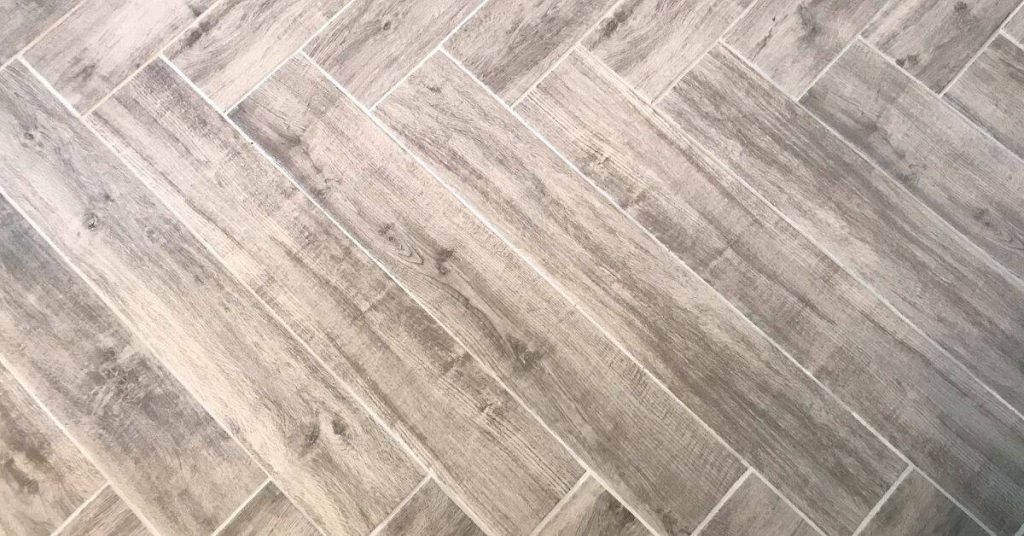
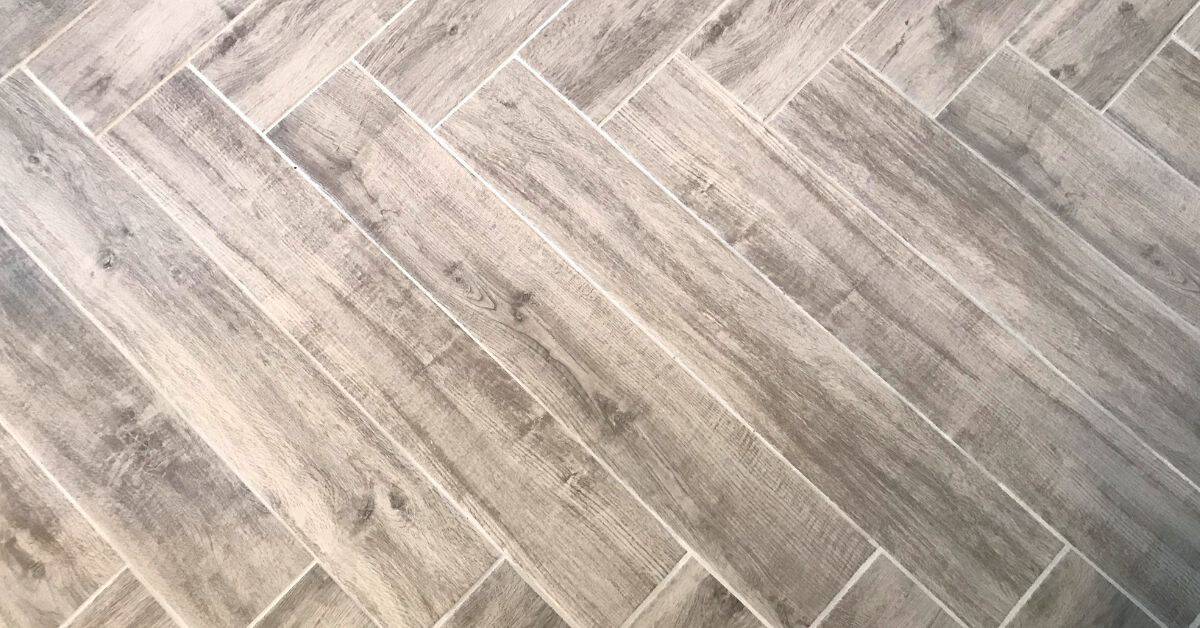
Cupping in wood look plank floor tiles is when the edges of a tile rise higher than its center because of moisture moving through the substrate. This article keeps it practical, focusing on what cupping looks like, why it happens, and how you can check and fix common issues.
Watch for signs like edges pulling away, gaps forming, or a crown in high humidity. Key causes include seasonal humidity changes, subfloor moisture, leaks or spills, and improper installation; check labels and manufacturer instructions for specifics. If you spot cupping, start with a moisture check, inspect the subfloor, and follow safe, hands-on fixes.
Key takeaways
- Wood floor cupping is edges higher than center due to moisture.
- Look for raised edges along planks and gaps near walls.
- Causes include seasonal humidity swings, subfloor moisture, and leaks or spills.
- Do this first: test moisture with a meter and record readings.
- Fixes: seal leaks, correct underlayment, let tiles acclimate, and relevel substrate.
- Safety: turn off water, avoid lifting structural elements, call a professional if unsure.
- Prevention/maintenance: control humidity, wipe spills promptly, inspect after weather changes.
Table of Contents
- Introduction
- Key takeaways
- What Is Cupping in Wood Look Plank Floor Tiles?
- Key Characteristics & Visual Checkpoints
- Common Causes of Cupping (Root-Cause Breakdown)
- Tests & Diagnostic Steps (Do This First)
- Step-by-Step Fixes and Remediation
- Safe DIY Practices & When to Call a Professional
- Prevention, Maintenance & Long-Term Care
- Costs, Consequences, and Common Mistakes to Avoid
- Conclusion
- FAQ
What Is Cupping in Wood Look Plank Floor Tiles?
Cupping is a warp that shows the edges of a plank higher than its center. It can appear in hardwood, engineered wood, and wood-look LVT/LVP where relevant, and it behaves differently from other warps you might see on floors. The name describes the edges lifting as the center sinks or stays low.
The primary mechanism is a moisture imbalance through the plank thickness. Moisture moves from one side to the other and causes edge edges to rise while the center sags visually. You can often spot cupping by comparing edge and center elevations across the room and checking for perimeter gaps.
Cupping vs Crowning vs Buckling
Cupping, crowning, and buckling are common issues in wood-look plank floor tiles. Let’s clarify each:
Cupping: Edges rise, center sags. Looks like a smiley face.
Crowning: Entire board curves upwards. Like an arch. Not due to moisture imbalance.
Buckling: Boards lift off subfloor, often in waves. Usually from excessive moisture underneath.
Which floor types are susceptible
Not all wood-look plank tiles are equally prone to cupping:
Solid Hardwood: Most susceptible due to its natural response to moisture changes.
Engineered Wood: Less so, thanks to stable core layers. But still at risk if core is made of real wood.
Laminate & Vinyl/Plank (LVT/LVP): Least likely. They’re man-made, with stable cores and wear layers that resist cupping.
Key Characteristics & Visual Checkpoints
Cupping in wood-look planks results in edges that sit higher than the center, which distinguishes it from crowning or buckling. It also differs from delamination where layers separate. This section helps you recognize the sign patterns across different substrates.
Look for edge-to-center height differences, raised seams, and gaps along grout lines. A tactile test might reveal a hollow feel or a springy center. Use a straightedge to measure gaps and record what you see with photos and a quick sketch.
How to inspect room-by-room
Use this checklist when preparing your home for concrete work. Start at the exterior walls and move across the room grid, paying special attention to areas near wet zones.
- Exterior Walls: Check for cracks or gaps that could allow water ingress. Use a flashlight to inspect closely.
- Windows & Doors: Ensure they’re properly sealed and caulked. Look for any signs of moisture damage around frames.
- Floors Near Wet Zones (kitchen, bathrooms): Check for sloping or uneven surfaces that could cause water to pool.
- Plumbing Fixtures: Inspect under sinks and behind toilets for leaks. Test drains by running water and checking for proper flow.
- Walls & Ceilings: Look for signs of moisture damage, such as discoloration or peeling paint. Check for mold or mildew growth.
- Electrical Outlets: Test each outlet using a circuit tester to ensure they’re functioning properly and safe to use.
- Ventilation Fans: Test fans to make sure they’re working. Check for proper ventilation in bathrooms and kitchens.
- Room Grid & Layout: Measure room dimensions to ensure they match your plans. Check door widths and heights to confirm they meet building codes.
Quick rule: Always prioritize checking areas near wet zones first, as water damage can cause the most expensive rework.
When a meter or tool is needed
Before you start any work, use this checklist to ensure your concrete is in good condition. These checks require simple tools like moisture meters, hygrometers, or probes.
- Check for Moisture: Concrete needs to be dry before applying new materials. Use a moisture meter (check manufacturer’s instructions) and ensure readings are below 4%.
- Test for Delamination: Tap the surface with a hammer. If it sounds hollow, use a screwdriver or chisel to check for loose concrete. This can cause costly rework if not addressed.
- Inspect for Cracks: Even hairline cracks can lead to bigger problems. Use a probe to measure crack width (check local codes, but generally, anything over 0.6mm needs repair).
- Check for Efflorescence: White powdery deposits indicate moisture issues. Scrape off and test with a pH meter (ensure it’s below 8.5) before proceeding.
- Measure Concrete Thickness: Use a concrete probe or core drill to ensure the slab is thick enough for your intended use. Check local building codes for minimum thickness requirements.
- Test for Soundness: Stomp on the surface; it should feel solid and not spongy. If it’s soft, use a probe to check for honeycombing or other internal issues.
- Check for Contaminants: Remove any dirt, oil, or grease using a wire brush and appropriate cleaner. Test with a surface prep meter (ensure readings are below 10mg/liter).
- Verify Surface Profile: Use a profilometer to ensure the surface has an acceptable profile for your intended use (check manufacturer’s recommendations, typically 3-7 mils).
Quick rule: Always check local building codes and manufacturer instructions before starting any work. Skipping these checks can lead to expensive rework and potential safety hazards.
Common Causes of Cupping (Root-Cause Breakdown)
The main moisture sources are indoor humidity and substrate moisture, including concrete slab vapor or capillary rise. Leaks and spills matter, but they usually come after a moisture baseline is established. Start by identifying the primary source before trying repairs.
Secondary contributors include improper acclimation, adhesive failures, and inadequate vapor barriers. A stepwise diagnostic approach helps you locate the real origin and plan fixes that address the root cause rather than only the symptom.
Environmental & Seasonal Humidity Changes
Long-term relative humidity (RH) swings cause dimensional change in wood-look tiles. In winter, low RH can lead to shrinkage and gaps. In summer, high RH causes expansion and cupping.
Seasonal cupping is normal, but excessive or persistent cupping indicates a moisture problem. If your tiles stay cupped year-round, it’s time to investigate further.
Use a hygrometer to monitor indoor RH. Ideal range for wood-look tiles is 30-50%. Keep RH consistent year-round by using humidifiers in winter and dehumidifiers in summer.
Subfloor, Slab, and Crawlspace Moisture
Ground moisture, slab vapor drive, or wet crawlspaces transfer moisture to the plank underside. This causes cupping from the bottom up.
Signs of subfloor/crawlspace moisture: musty odors, visible mold/mildew, cold floors (in winter), or high moisture readings on a pinless meter.
Check for signs of water damage under vinyl or laminate flooring. If present, address the source (e.g., grading issues, crawlspace encapsulation) before reinstalling tiles.
Localized Water Exposure and Leaks
Leaks, spills, plumbing failures, and appliance zones can cause localized cupping. Transient moisture from these sources may not show up on initial tests but can still damage tiles.
Check common trouble spots: around toilets, sinks, dishwashers, water heaters, and windows/doors. Inspect for visible leaks or signs of water damage.
Use a pinless meter to scan these areas. If moisture is present, trace the source and repair promptly. Even small leaks can cause cupping over time.
Tests & Diagnostic Steps (Do This First)
Begin with non-destructive tests: check room-relative humidity to gauge ambient moisture load. Then test wood/plank moisture on several boards with a non-damaging meter to gauge variability. These readings guide the next steps.
For subfloor moisture, perform calcium chloride tests or use in-situ probes where appropriate. Document locations, take repeat readings, and compare with baseline expectations for your area and substrate.
How to use a moisture meter and hygrometer (quick guide)
Before you start any flooring job, you need to know the moisture levels in your subfloor. Here’s how to use moisture meters and hygrometers like a pro.
Moisture Meters: Use a pinless meter for concrete slabs and plywood subfloors. For OSB or particleboard, use a pin-type meter. Take readings every 12-16 inches in a grid pattern across the entire floor. Aim for at least 15-20 samples to get reliable results.
Hygrometers: These measure relative humidity, not moisture content. They’re useful for checking crawlspaces and basements before installing flooring above. Place the hygrometer in the area you want to test, away from drafts or heat sources. Leave it there for at least 24 hours to get an accurate reading.
Subfloor and Slab Test Recommendations
Before you start any flooring or finishing work, it’s crucial to test your concrete subfloor or slab for moisture. This isn’t something you want to skip, as excess moisture can wreck your new floor.
When to test: Always test before installing any new flooring. If you’re working on a newly poured slab, wait at least 60 days (check manufacturer’s recommendations) for the concrete to cure and off-gas.
Safe moisture ranges: Aim for relative humidity (RH) below 75% and moisture content (MC) below 4 lbs/1000 sq ft. If you’re unsure, check your flooring manufacturer’s specs. Some products can handle higher levels, but it’s best to stay on the safe side.
Visual and odor checks for mold/mildew
Before you start any work, give your space a thorough once-over. Mold and mildew can cause health issues and damage your work.
Smell test: Musty odors are often the first sign of mold or mildew. If it smells like a damp cellar, check further.
Visual check: Look for discoloration on walls, ceilings, and floors. Mold can be black, green, or white. Mildew is usually gray or brown. Check around windows, pipes, and where water might have leaked.
If you find any signs, stop. Don’t disturb the area more than necessary. Call a professional for testing. They’ve got the gear to find hidden mold and keep it from spreading.
Step-by-Step Fixes and Remediation
Diagnose moisture sources and scope first: confirm leaks, condensation, or HVAC issues; meter the subfloor and edges; set acceptable RH targets and a realistic stabilization window. This helps prevent chasing symptoms.
Start with environmental stabilization using dehumidifiers and ventilation. Wait for moisture levels to stay stable for a period before pursuing cosmetic repairs or replacement. This protects the integrity of any subsequent fixes.
Step-by-Step Repair Process
The following steps guide you through the repair process, from preparation to final checks.
- Preparation: Safety first! Clear the area, wear gloves and safety glasses. Gather tools like pry bars, screwdrivers, sandpaper, and a moisture meter.
- Main Work: Dry affected areas. Use dehumidifiers, fans, or floor-specific drying equipment as needed. Monitor progress with your moisture meter.
- Inspect: Check for rot or damage behind lifted planks and on the subfloor. Document affected areas.
- Repair/Replace: Fix or replace damaged planks based on your assessment. Secure loose boards, reset edges, and perform localized sanding if necessary.
- Final Checks: Ensure stability. Maintain consistent moisture levels for 1-2 weeks before proceeding with full refinishing or replacement.
Immediate actions to stop worsening
Stop leaks at the source. Turn off water supply if necessary, and contact a plumber if needed.
Dry the area. Open windows, use fans, or deploy dehumidifiers to increase air circulation and reduce moisture.
Remove obstacles. Lift rugs, move furniture, or remove any barriers that restrict airflow and hinder drying.
Drying and environmental control methods
Use dehumidifiers to reduce indoor humidity levels. Place them in the affected room, ensuring they can effectively remove moisture from the air.
Adjust your HVAC system. Set it to run more frequently or increase ventilation to maintain consistent temperatures and airflow.
For severe cases, consider using floor-specific drying equipment or tenting. These methods can be rented from equipment rental stores and provide targeted heat and air circulation for faster drying.
Repairing or replacing affected planks
If cupping is minor (less than 1/8 inch) and the subfloor is sound, you may be able to repair by drying and refinishing.
However, if cupping exceeds this threshold or the subfloor shows signs of rot or damage, replace affected planks. Also, consider replacing underlayment if it’s damaged or saturated.
Adhesive vs floating installations: If your floor is glued down, repair may be more challenging. Floating floors can often be lifted and replaced more easily.
Safe DIY Practices & When to Call a Professional
Identify high-risk signals such as electrical hazards near wet areas, visible mold, or structural rot. These require professional involvement. Knowing your limits helps keep everyone safe on the jobsite.
Outline safe tasks you can handle yourself, like surface prep and basic cleaning, and clearly mark tasks that need licensed work. When moisture remains high or mold is present, hire a flooring or moisture-remediation pro.
Health and safety precautions
Safety’s your top priority. Here’s what you need to know:
Mold exposure risks: Wear a respirator if you suspect mold. It can cause allergies, asthma attacks, or other health issues.
Electrical safety around wet areas: Always shut off power at the main panel before working near moisture. Use GFCI outlets and avoid power tools in damp zones to prevent shocks.
Wear gloves for protection against sharp edges and chemicals. Eye protection’s a must too, to keep debris out.
Signs you need a specialist
Know when to call in the pros. Here are red flags:
Widespread cupping or warping: If many tiles are lifting, it’s likely a moisture issue that needs expert remediation.
Persistent high moisture readings: If your subfloor and framing test high after initial fixes, you might have a hidden leak or structural problem. Pros can find the source and fix it right.
Structural rot or failed previous repairs: Any signs of structural damage or past repairs that didn’t hold up mean you need a pro’s expertise to prevent further damage.
Prevention, Maintenance & Long-Term Care
Acclimation guidelines and seasonal changes help prevent future cupping. Understand how long planks should acclimate and maintain consistent humidity and temperature. Plan for proper expansion gaps during varying seasons.
Monitor humidity, use appropriate cleaners, and perform routine inspections. Implement protective routines in kitchens, bathrooms, and appliance zones to minimize moisture intrusion and wear over time.
Acclimation and installation best practices
Before you start laying your concrete, you need to prep the site right. This ain’t a job for rushing.
Acclimate your concrete: Check the manufacturer’s instructions, but usually, you want your concrete to sit in its bags at the site for at least 24 hours before mixing. This lets it get used to the temperature and humidity, reducing the risk of future cupping.
Check base compaction: Don’t skimp on this step. Use a plate compactor to ensure your base is solid. You’re looking for at least 95% compaction. Any less, and you’ll have settlement issues down the road.
Space and fasten those joints right: Use expansion joint material every 10-20 feet, depending on slab size and temperature changes in your area. Check local rules for specifics. And make sure to use proper spacing between fasteners – usually around 6 inches apart.
Cleaning, spills, and routine maintenance
Keep your concrete surface looking good and performing well with these simple cleaning and maintenance tips.
Spills: Clean up oil, grease, or other chemical spills ASAP. Use a concrete cleaner designed for your specific mix (check product label).
Routine cleaning: Sweep regularly to remove dirt and debris. For deeper cleaning, use a mild detergent and soft-bristle broom. Rinse thoroughly with clean water.
Maintenance checklist:
– Annually: Check for cracks, stains, or signs of damage. Seal if necessary.
– Every 2-3 years: Pressure wash to remove dirt and mildew. Re-seal if needed (check manufacturer’s recommendations).
– Always: Keep moisture in balance. Ensure proper drainage and check base compaction regularly.
Costs, Consequences, and Common Mistakes to Avoid
Drying time, moisture testing, and potential replacement or professional remediation drive most costs. Expect projects to scale with the extent of cupping and the need for subfloor work or reinstallation. Gather quotes if you need specialized remediation services.
Ignoring cupping can lead to continued moisture intrusion, mold growth, and structural concerns. Common mistakes include overlooking moisture sources, using inaccurate meters, and rushing repairs without verifying stabilization first.
Typical repair pathways and cost factors to consider
The extent of moisture damage determines your repair pathway. Minor cupping might need just drying and plank replacement, while severe cases may require subfloor work.
Costs inflate with the size of the affected area, type of planks (solid vs engineered), and labor. Solid wood planks are more expensive to replace but can be refinished if minor damage.
Check contractor estimates carefully. They should detail moisture testing, drying time, subfloor work, plank replacement, and any additional services like floor refinishing or overlay options.
Mistakes that make cupping worse
Some DIY attempts can exacerbate cupping. Here are common mistakes to avoid:
- Sanding too early: Sanding before the wood is completely dry can embed moisture deeper into the planks, worsening cupping.
- Using water-based cleaners irresponsibly: Water-based cleaners can reintroduce moisture if not used carefully. Always spot test and follow manufacturer’s guidelines.
- Ignoring the moisture source: Addressing cupping without fixing the underlying humidity issue is like mopping a floor with the tap running – it’s pointless.
- Applying heat or aggressive methods: Using heat guns, hair dryers, or other aggressive methods can damage wood fibers and cause more harm than good.
Always test for moisture before and after any repair attempt. If you’re unsure, consult a professional.
Conclusion
Address cupping now to protect safety, durability, and the look of your floor. Quick, careful testing and proper fixes prevent costly damage and keep feet dry and stable.
Run your check in this order: inspect for raised edges and gaps, test moisture and flatness in a small, inconspicuous area, compare with neighboring planks, follow the diagnostic steps you already covered, then apply fixes only after confirming the root cause. Do not rush any test, and always start in a non‑critical corner to avoid wide-scale damage.
Avoid these mistakes: skipping a moisture test, using force or sandpaper beyond what’s advised, and guessing the cause without evidence. Safety rules to live by are simple: work in a dry, ventilated area, use eye protection and gloves, test one area first, and revert or pause if anything worsens. If you’re uncertain about moisture levels, substrate compatibility, or tile integrity, pause and reassess rather than pushing forward.
Call a professional when cupping is widespread, moisture readings exceed safe limits, or subfloor damage is visible. Otherwise, with careful testing, small-area fixes, and a clear maintenance plan, you can regain a stable, good‑looking floor and keep costs under control. Stay methodical, stay safe, and you’ll finish confident.
FAQ
What is wood floor cupping and how can I spot it?
Cupping is when the edges of a plank are higher than the center, creating a bowl shape along the grain. It starts subtle at the edges and becomes more obvious as moisture shifts. Look for wide gaps between boards or edges that look raised after cleaning or rain.
What causes cupping in wood look plank floor tiles?
Seasonal humidity changes and moisture coming from below the floor are common culprits. Leaks, spills, or improper installation can also set the stage for cupping. If the subfloor or underlayment gets damp, expect cupping to follow.
How do I test and confirm cupping and its moisture source?
Check several planks across the area for edge elevation and center sinking. Use a wood moisture meter to compare surface readings against a known dry reference area and follow the manufacturer’s instructions. Inspect the subfloor and around plumbing or appliance leaks for visible moisture.
What are the practical steps to fix cupping?
Address the moisture first: fix leaks, dry the area, and improve ventilation. Remove and replace any warped planks if needed, and consider re-fastening or re-gluing tiles after the subfloor is dry. Recheck the area with a moisture meter and monitor before committing to new adhesives or coatings.