Introduction
Microcement in showers is a cement-based coating that creates a continuous, waterproof surface over failure-prone areas. This article explains how to plan the work, coat the walls and floor, and spot potential trouble before sealing.
Common waterproofing approaches in showers include membrane types you can install under microcement, but check compatibility with your product and local rules. If you see cracks, leaks, or peeling, stop and recheck surface prep, bonding, and sealant choices, and follow manufacturer instructions and local codes for safe sealing.
Key takeaways
- Choose a cementitious microcement system compatible with shower waterproof membranes.
- Prepare substrate with clean, damp-free surface and cure-resistant primer as required.
- Install approved waterproof membrane first, then apply microcement over compatible primer.
- Follow manufacturer instructions for layering, mixing, and drying to avoid cracks.
- Seal joints and transitions with safe sealants compatible with microcement.
- Wear proper PPE and follow ventilation rules when grinding or sanding.
Table of Contents
- Introduction
- Key takeaways
- Why Choose Microcement for Showers?
- Substrate Preparation and Surface Requirements
- Waterproof Membranes and Hybrid Systems
- Microcement Application Process Step-by-Step
- Sealing Strategies and Safe Sealants
- Common Failure Modes, Diagnostics, and Repairs
- Material Specs, Standards, and Selection Criteria Explained
- Tools, Safety, Planning, Costs, and Common Beginner Mistakes
- Conclusion
- FAQ
Why Choose Microcement for Showers?
Microcement offers a thin-profile option that fits in tight shower spaces without heavy tiling. It creates a seamless, grout-free surface that minimizes joints where moisture can hide. Expect a design that can mimic concrete or stone while keeping the installation lightweight and fast to cover those awkward niches and benches.
Substrate prep and waterproofing compatibility are key. The membrane you choose and how it interacts with the underlying substrate affects crack-bridging performance and adhesion. With the right finish, you gain color flexibility and edge details that integrate fixtures, niches, and benches, but practical durability in a shower depends on proper sealing, maintenance, and timely topcoats or sealers as needed.
Waterproofing properties of microcement
Microcement is not inherently waterproof. It has a natural porosity that allows moisture to pass through over time.
It’s crucial to understand this: Microcement alone should not be relied upon as the primary waterproofing layer in showers.
Instead, microcement works best when applied over a proper waterproof membrane. This ensures that any moisture is contained and prevented from causing damage to your shower’s structure.
Advantages and limitations versus tiles and other finishes
Microcement offers a seamless, joint-free finish that traditional tiles can’t match. This makes it easier to clean and maintain, with no grout lines to worry about.
However, microcement isn’t always the best choice. For instance, in areas with high heat or heavy foot traffic, tiles might be more durable.
Compared to natural stone or acrylic panels, microcement is typically thinner and lighter, making it easier to install with less disruption to your existing structure. But it may not offer the same level of heat resistance as some other materials.
Substrate Preparation and Surface Requirements
Reliable adhesion starts with a flat, sound substrate free of loose material. Identify high spots and deflections that could telegraph through the microcement. Plan for long-term moisture management to avoid undermining sealant adhesion later on.
Remove oils, coatings, efflorescence, and laitance using mechanical abrasion or appropriate chemicals. Ensure the surface is clean, receptive, and capable of bonding primers or membranes if required by the system you’re using.
Assessing and repairing the substrate
The first step is to check your shower’s substrate for any signs of damage. Here’s what you’re looking for:
Cracks: Hairline cracks are okay, but wider ones need repair. Fill them with a suitable crack filler.
Movement or water damage: Look for delamination (peeling) or soft spots. If found, these areas must be repaired or replaced before proceeding.
Use a level to check flatness. High spots should be ground down, and low spots filled in. Remember, microcement needs a smooth, even surface to adhere properly.
Primers, bonding agents, and key adhesion steps
Primers and bonding agents play a crucial role in microcement installation. They improve adhesion and help prevent moisture issues.
A primer is usually applied first to seal the substrate and improve paint or microcement adhesion. It’s especially important on porous surfaces like concrete.
A bonding agent is used when there’s a risk of delamination due to high moisture levels or other factors. It creates a strong bond between the substrate and the microcement, enhancing durability.
Always follow the manufacturer’s instructions for application methods and drying times. Don’t rush this step; it’s vital for a successful installation.
Waterproof Membranes and Hybrid Systems
Membrane options beneath microcement include sheet membranes, liquid-applied coatings, and hybrid systems. Their core job is to provide a moisture barrier, bridge small cracks, and shield the substrate from water exposure.
Prepare the substrate per membrane type, including compatible backing boards or mud beds, proper slope, and surface priming. Review crack-bridging capabilities and overlaps, and consider a hybrid system when you need reinforcement in high-movement areas.
Liquid-applied membranes and application details
Liquid-applied membranes are a popular choice for waterproofing beneath microcement in showers. They offer seamless coverage, bridging minor cracks, and providing a robust moisture barrier.
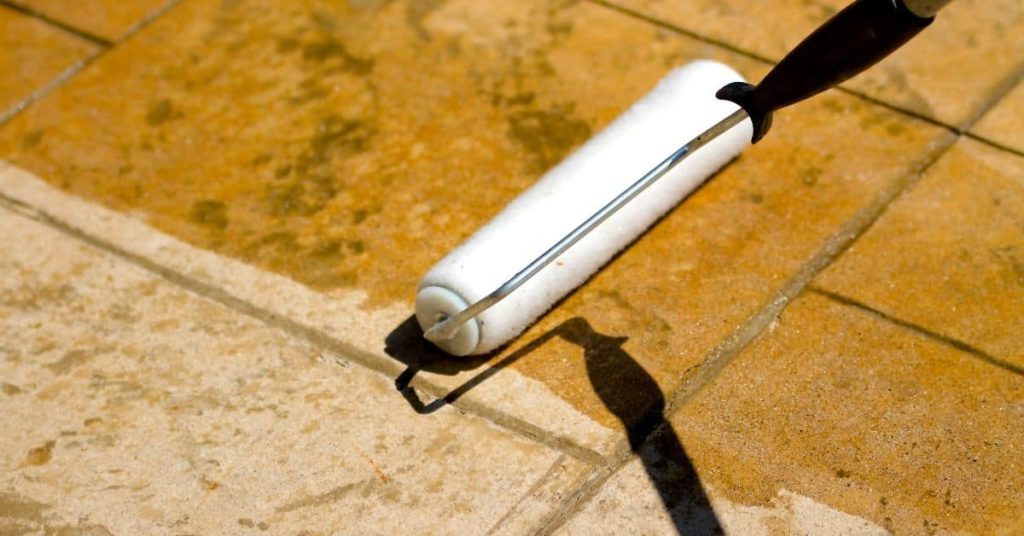
Surface prep: Ensure the substrate is clean, dry, and primed. Use a bonding primer to promote adhesion. Apply the liquid membrane evenly with a roller or sprayer, following manufacturer guidelines for thickness and drying times.
Layering approach: Apply multiple thin coats (usually 2-3), allowing each to cure before applying the next. This ensures even coverage and optimal performance. Once cured, lightly abrade the final coat with fine grit sandpaper to improve microcement adhesion.
Sheet membranes and flashing at penetrations
Sheet membranes are preferred when dealing with complex shower layouts or where extra protection is needed. They come in rolls, ready to be cut and installed.
Installation: Start from the bottom, working upwards. Secure the membrane with fasteners, following manufacturer guidelines for spacing. Ensure it’s taut but not stretched. Use flashing tape at corners and penetrations (like drains) to create a watertight seal.
Critical detailing points: At drain penetrations, fold the membrane up and around the pipe, securing it with flashing tape. At corners, use L-shaped pieces or corner beads for a tight fit. Ensure all seams are properly sealed with flashing tape.
Integrating membrane and microcement layers
Once the membrane is installed and cured, it’s time to apply the microcement. Proper integration ensures a durable, long-lasting finish.
Bonding microcement: Lightly abrade the cured membrane with fine grit sandpaper. Apply a bonding agent designed for use with liquid membranes and microcement. This promotes strong adhesion between the two layers.
Transition details at drains: At drain penetrations, ensure the microcement is sloped towards the drain. Use a flexible sealant around the pipe to prevent water from getting trapped beneath the microcement.
Preventing interlayer delamination: Avoid applying microcement when the membrane is still curing. Allow adequate drying time between membrane installation and microcement application. Follow manufacturer guidelines for ideal temperature and humidity conditions during application and curing.
Microcement Application Process Step-by-Step
Start with pre-application checks: verify substrate compatibility, test moisture, and ensure a clean, dry, and suitable surface. Apply the required primers and sealers as specified for the substrate type you’re bonding to.
Then mix and batch carefully, following product guidance. Plan for proper trowel passes, correct thickness, and uniform edges. Between coats, perform controlled sanding and cleaning to keep the surface ready for subsequent layers.
Step-by-Step Process
The following is a clear, numbered sequence of practical steps for applying microcement in your shower. This process starts with preparation and safety checks, then moves on to the main work, and finishes with cleanup or final checks.
- Preparation: Check substrate compatibility, perform moisture tests, and prepare surface (clean, dry, dust-free, scarified if needed). Gather required primers and sealers.
- Mixing: Follow manufacturer’s microcement product ratios. Mix for the recommended time to avoid air entrapment and over-mixing. Add pore-filling additives or colorants as needed.
- Priming: Select the right primer for your substrate (concrete, cement board, or existing coatings). Apply evenly with a trowel, ensuring full coverage and no pores.
- Coat Application: Apply skim coat first, followed by base coats, and finish with the final finish coat. Maintain proper thickness, working time, and uniform trowel passes. Pay special attention to edges, seams, corners, and drains.
- Sanding and Cleaning: Lightly sand between coats using a controlled sanding technique. Remove dust thoroughly with tack cloths before recoating. Allow adequate dry time between coats.
- Inspection: Check moisture barrier integrity, perform adhesion tests on edges and transitions, and assess moisture/porosity before sealing or applying top coat. Document any repair steps.
Mixing, consistency, and environmental controls
Proper mixing is crucial for successful microcement application. Follow the manufacturer’s guidelines for mix ratios to ensure correct consistency.
Workable pot life: Microcement has a limited working time once mixed. Ensure you can apply the entire batch within this time frame to avoid waste and maintain quality.
Environmental factors: Temperature and humidity affect microcement application. Ideal application temperature is typically between 60-85°F (15-29°C). High humidity can cause issues with curing, so monitor and control these conditions as much as possible on your jobsite.
Layering, control joints, and curing
The recommended coat build-up for microcement is typically a skim coat followed by two base coats, and finished with a final sealant or top coat. Each layer should be applied once the previous one has cured adequately.
Control Joints: Incorporate control joints every 8-12 feet to accommodate natural substrate movement and prevent cracking. Use a suitable joint filler or tape during application.
Curing: Allow adequate cure time between coats and before sanding or sealing. Follow manufacturer’s recommendations for optimal curing conditions, usually around 70°F (21°C) with low humidity. Perform adhesion tests to confirm proper cure before proceeding with the next step.

Sealing Strategies and Safe Sealants
Penetrating sealers offer water repellency with minimal film formation, while film-forming sealers create a surface barrier. In showers, weigh durability, maintenance needs, and how each affects breathability and cleaning frequency.
Check surface readiness, cure state, and porosity before sealing. Prioritize low-VOC, bathroom-safe options and ensure ventilation during application and cure times to minimize odors and off-gassing concerns.
Penetrating vs film-forming (topcoat) sealers
When it comes to sealing microcement in showers, you’ve got two main types of sealers: penetrating and film-forming. Let’s dive into how each performs.
Penetrating Sealers: These soak into the microcement, lining the pores to repel water. They let moisture vapor escape (breathable), but may not be as stain-resistant as film-formers. Recoating is easy, just wait for it to dry.
Film-forming Sealers: These sit on top of the microcement, creating a protective barrier. They’re great at preventing stains and offer more slip resistance, but can trap moisture if not breathable. Recoating might be trickier due to the existing film.
Application methods, maintenance, and re-sealing schedule
Applying sealer right is crucial. First, ensure your microcement is fully cured (at least 28 days). Clean the surface, then apply sealer evenly using a paintbrush or roller, following the manufacturer’s instructions.
During maintenance, inspect for signs of wear like dullness or cracking. Use a mild cleaner to remove soap scum and dirt. If you spot capillary cracks, touch up with microcement and re-seal.
Re-sealing depends on use and cleaning frequency. Every 3-5 years is typical, but if you notice water no longer beading, it’s time to re-seal. For shower niches, thresholds, and joints, apply sealer after installation and every 2-3 years thereafter.
Common Failure Modes, Diagnostics, and Repairs
Expect common issues such as cracking, bond failure, water intrusion around transitions, substrate movement, and mold buildup if installation isn’t thorough. Recognize symptoms early to prevent larger failures.
Use a structured diagnostic workflow: inspect visually, test moisture, and verify adhesion on test areas. Plan both short-term repairs and long-term fixes to restore function and reduce recurrence.
Moisture-driven failures: delamination and blistering
Delamination and blistering in microcement showers are often caused by trapped moisture. This can happen if the membrane isn’t properly integrated, or if curing conditions were inadequate.
Diagnosis: Look for bubbling, peeling, or lifting of the microcement. Use a moisture meter to check for excess moisture in the substrate and behind the microcement.
Repair: If moisture is present, identify and fix the source (e.g., leaks, poor drainage). Remove any delaminated areas carefully. Apply a new layer of primer with added bonding agent, then reapply microcement, ensuring proper curing conditions.
Cracking, shrinkage, and bond loss
Cracks in microcement showers can be caused by structural movement or improper mix ratios. Bond loss occurs when the microcement fails to adhere properly to the substrate.
Diagnosis: Inspect cracks for width and pattern (hairline vs. wide, diagonal vs. vertical). Check adhesion with a pull test on small sections.
Repair: For hairline cracks, use a pin-point crack filler. For wider cracks or bond loss, remove affected areas, clean, and reapply microcement using a proper bonding agent and primer. Ensure substrate stability to prevent recurrence.
Staining, wear, and chemical damage
Persistent stains or surface wear in microcement showers can be caused by improper cleaning products, hard water deposits (efflorescence), or exposure to harsh chemicals.
Diagnosis: Identify the stain type. Test a small, hidden area with different cleaning solutions to determine the best approach.
Repair: For efflorescence, use an acid-based cleaner (follow safety guidelines). For chemical damage or stains, try gentle scrubbing and resealing. If severe, remove affected areas, clean, and reapply microcement and sealant.
Material Specs, Standards, and Selection Criteria Explained
When checking specs for showers, focus on adhesion strength, water diffusion resistance, crack-bridging ability, VOC content, and substrate compatibility. Understand how these translate to real-world performance in wet areas.
Consult standards and certifications that matter for waterproofing and microcement systems. Learn to read the manufacturer data sheet to identify useful data, and apply a practical checklist to judge suitability for your shower design.
Performance criteria to verify before purchase
Before you buy, check these test results and claims on labels and datasheets. They’re crucial for wet-room applications:
Adhesion strength: Look for pull-off or shear tests (MPa). Higher numbers mean better grip on surfaces.
Water permeability/diffusion resistance: Check water vapor transmission rates (g/m²·24h) and water absorption (% by weight). Lower values indicate better waterproofing.
Crack-bridging capability and elongation: Ensure the product can span hairline cracks without failing. High elongation (%) means more flexibility.
Selecting products for steam showers and heavy-use environments
For high-humidity, thermal cycling, or heavy foot traffic areas like steam showers, consider these criteria:
Moisture resistance: Prioritize products with excellent waterproofing properties to withstand prolonged exposure.
Thermal shock resistance: Check if the product can handle frequent temperature changes without delaminating or cracking.
Durability and wear resistance: Opt for systems with high abrasion resistance (Taber test results) and good stain resistance to endure heavy use.
Tools, Safety, Planning, Costs, and Common Beginner Mistakes
Assemble a tools and PPE list that covers trowels, blades, mixing gear, caulking, brushes, grinders, and protective equipment. Plan for proper ventilation and containment to keep adjacent areas dry and safe.
Schedule prep, mixing, coating, and curing with realistic buffers for weather and humidity. Learn common beginner mistakes such as skipping prep, over-wetting, or rushing cure times, and use a simple pre-install checklist to guide the project.
Tools, materials checklist, and safety precautions
Before you start your microcement shower project, use this checklist to ensure you have everything needed for a safe and successful installation.
- Respirator: Essential for protecting against dust and VOCs. Make sure it fits well and is certified by NIOSH or CE.
- Gloves: Protect your hands from chemicals and sharp edges. Choose durable, chemical-resistant gloves.
- Eye protection: Safety glasses or goggles to shield your eyes from debris and splashes.
- Knee pads: Essential for comfortable working on the floor.
- Durable boots: Protect your feet and provide grip in wet areas. Choose boots with good traction and water resistance.
- Trowels (3-4 sizes): For applying and spreading microcement. Check they’re in good condition before starting.
- Blades (various sizes): For cutting back excess material and creating control joints. Ensure they’re sharp and secure.
- Spacers: To maintain consistent joint widths. Confirm they’re the right size for your project.
- Mixing equipment: Drill with paddle mixer, buckets, and water measure. Check all are clean and in working order.
- Caulking gun: For applying sealants and primers. Ensure it’s functioning properly.
- Brushes/rollers: For applying primers and sealers. Inspect for any damage before use.
- Grinders (wet/dry): For surface preparation and touch-ups. Check they’re in good condition and have appropriate discs.
- Dust extraction: To keep your workspace clean and safe. Ensure it’s working properly and has sufficient capacity.
Quick rule: Always prioritize ventilation, respiratory protection, and safe handling of primers and sealers to ensure a healthy work environment.
Project planning, testing, and cost trade-offs
Proper planning is key to a successful microcement shower installation. Here are some steps to consider:
Before you start, perform moisture tests on the substrate to ensure it’s dry enough for application. This can prevent delamination later on.
Plan your project around weather conditions. Microcement should not be applied in temperatures below 50°F (10°C) or above 90°F (32°C), and humidity should be below 70%. Allow for curing windows of at least 24 hours between coats.
Consider cost trade-offs when choosing materials. Higher-performance membranes and sealants may have a higher upfront cost but can save you money in the long run by extending the lifespan of your microcement installation.
Top beginner mistakes and how to avoid them
Even with careful planning, mistakes can happen. Here are some common beginner errors and how to avoid them:
- Improper surface prep: Inadequate cleaning or priming can lead to poor adhesion and delamination. Always ensure the substrate is clean, dry, and primed before application.
- Over-wetting concrete: Too much water in your microcement mix can cause it to slump and lose its bond with the substrate. Follow the manufacturer’s mixing instructions carefully.
- Thin or uneven coats: Applying microcement too thinly or unevenly can result in a weak, easily damaged surface. Apply coats consistently and evenly, following the recommended thickness guidelines.
- Skipping primer/sealant steps: Skipping these crucial steps can lead to poor adhesion, moisture penetration, and staining. Always apply a primer before microcement application and sealants afterwards.
- Premature water exposure: Exposing microcement to water too soon after application can cause it to soften and lose its bond with the substrate. Allow for proper curing times before exposing your installation to water.
- Poor curing practices: Inadequate curing can lead to a weak, easily damaged surface. Maintain consistent temperature and humidity levels during the curing process.
By understanding these common mistakes and how to avoid them, you’ll be well on your way to a successful microcement shower installation.
Conclusion
The core idea is clear: a solid substrate, proper waterproofing, and careful sealing protect the shower from leaks, damage, and costly fixes while delivering a durable, clean look.
Start by checking the substrate and surface for flatness and dryness, then verify the chosen waterproof membrane or hybrid system is correctly installed. Clean and dry the area, plan the coating in thin, even layers, apply as directed, and allow full cure between steps. Seal with a compatible product, test the finished work with a water test, and keep an eye on joints and corners for future maintenance.
Common mistakes to avoid are skipping or rushing substrate prep, using the wrong sealant or mixing it improperly, and skipping cure times or skimping on coats. Always wear proper safety gear, test a small area first, and never seal over moisture or untested patches. If you see cracking, pooling water, or unexpected movement, stop and reassess.
If the substrate shows persistent movement, large areas are involved, or you don’t have the right tools or time to do it safely, call a professional. A pro can verify the membrane compatibility, ensure proper curing, and prevent costly damage. Stay disciplined, stay safe, and you’ll end with a shower that lasts and looks great.
FAQ
What should I know about waterproofing membranes for microcement in showers?
Choose a membrane type recommended by the microcement supplier. Check the product label for compatibility with cementitious coatings and surface type. If in doubt, verify with the manufacturer instructions or local rules before proceeding.
How do I prep the shower surface for microcement application?
Make the substrate clean, dry, and sound. Remove loose material and dust, then repair any cracks or flatness issues per product guidance. If you’re unsure about the surface, consult the membrane and microcement datasheets for prep requirements.
What are eco-friendly or low-VOC options for sealing and finishing?
Look for sealers or topcoats labeled low-VOC or water-based. Read the label for the intended use with microcement and compatibility with waterproof membranes. If you can’t verify, ask the manufacturer or check local regulations and product datasheets.
What are safe, practical steps for applying microcement in a shower?
Follow the exact layering sequence from your product guide and ensure each coat cures before the next. Protect joints and seams with proper detailing and masking. If any step is unclear, review the manufacturer instructions and don’t skip cure times or adhesion checks.

