

Introduction
Polyester is not inherently waterproof, but it can be made waterproof with coatings or laminates.
You’ll learn how to assess real-world performance, including fabric finishes, seam construction, and how to test for water resistance in practical conditions.
The guide walks through tips and rules of thumb for choosing polyester for rainwear, tents, or gear, and what caveats to expect in different environments.
Key takeaways
- Polyester itself is not inherently waterproof; fabric weight and finish matter.
- Raw fiber absorbs minimal water, but fibers swell and drip when wet.
- Better water resistance with tight weaves, durable water repellent, or coatings.
- In real use, polyester dries quickly but seams and finishes leak first.
- Compared to cotton, polyester resists moisture better but performance varies by finish.
- Choose coated or laminated fabrics for rain exposure and verify UV and abrasion.
Table of Contents
- Introduction
- Key takeaways
- Quick answer: is polyester waterproof?
- How polyester behaves with water: raw fiber vs. fabric vs. finish
- Real-world use cases — when polyester performs well and when it doesn’t
- Polyester vs. other fabrics: water resistance comparison
- How to improve polyester’s water resistance (DIY and product choices)
- Planning and safety considerations for DIY and construction projects
- Conclusion
- FAQ
Quick answer: is polyester waterproof?
It depends. Polyester fiber itself isn’t waterproof; waterproofness comes from the fabric construction and any coatings or laminates applied.
In practice, think of fiber vs fabric: a tight weave, laminate, or film seals out water, while unfinished fabric leaks at seams. Common treatments include coatings like PU or PVC, laminates like TPU, and water-repellent finishes, which can trade breathability. Check product specs for waterproof rating vs water resistance, look for sealed seams, fabric weight and construction, and maintenance needs.
Short summary for readers in a hurry
Polyester isn’t waterproof on its own but can be made water-resistant with coatings. For everyday use like jackets or tents, check if the polyester is treated to repel water; it should say so on the label.
For DIY projects like upholstery, consider adding a water-repellent finish or layer underneath your fabric to keep things dry and protected. Don’t rely on plain polyester for outdoor use without extra treatment.
What “waterproof,” “water-resistant,” and “water-repellent” mean
Waterproof means something stops water completely. Think of a bucket that won’t let any drops in, no matter how hard you try.
Water-resistant is like a sponge: it can take some water but doesn’t soak up all of it. It keeps most of the liquid out but isn’t perfect.
Water-repellent means something pushes water away, like when you spray your car and water beads up and rolls off without leaving marks.
How polyester behaves with water: raw fiber vs. fabric vs. finish
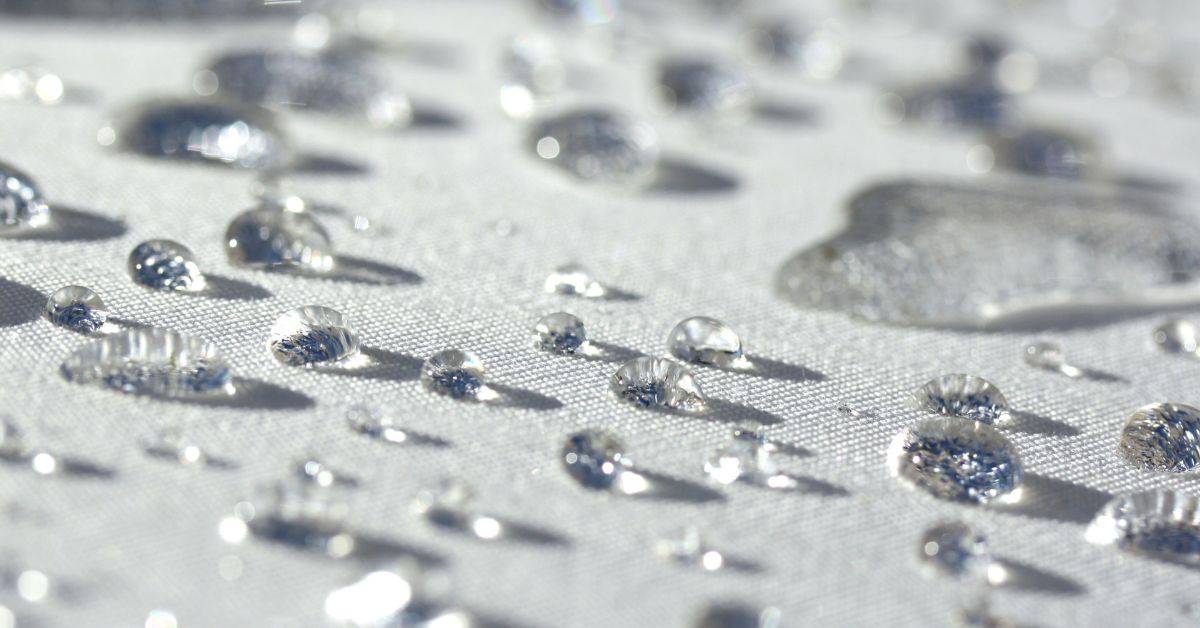
Polyester fibers are hydrophobic by nature and resist soaking. Raw fiber tends to shed water, while woven fabrics and knits create different pathways for moisture. Finishes and laminates can further slow or block water but may reduce breathability.
In practice, your expectations should hinge on the structure and finish you choose. Check labels or datasheets for how a fabric or coating handles water, and test with simple spot tests on samples. Remember aging, abrasion, and UV exposure can change performance, so plan maintenance and reapplication if needed.
Filament and Microfiber Polyester Differences
Polyester fibers come in two main types: filament and microfiber. Filament polyester is made from long, continuous strands that are strong but can be less flexible compared to microfibers. Microfibers, on the other hand, are shorter and finer, providing more flexibility and better resistance to abrasion.
The capillarity of filament polyester means water can travel along its length faster due to surface tension. This results in quicker drying times but also allows for easier absorption if not treated properly. Microfibers tend to have smaller pores, reducing the chance of water passing through them easily.
When it comes to real-world applications, understanding these differences is crucial. For instance, a microfiber fabric might be better suited for outdoor gear where flexibility and durability are key, while filament polyester could work well in industrial settings requiring high strength and resistance to wear.
Weave, Knit, and Construction Effects
The way polyester is woven or knitted significantly impacts its water behavior. A tight weave minimizes gaps between threads, reducing the chance of water penetration. Conversely, a looser weave allows more space for water to seep through.
Coatings applied over the fabric can further enhance waterproofing by sealing off any remaining pores and creating a barrier against moisture. However, these coatings must be durable enough to withstand regular use without cracking or peeling away.
The construction of seams is also critical. Properly sealed seams ensure that water does not enter through stitching points. Techniques such as taping or gluing the seam edges can provide additional protection and enhance overall durability.
Common Surface Treatments (DWR, PU, TPU, Laminates)
Durable Water Repellent (DWR) coatings are commonly used to make polyester fabrics water-resistant. They work by creating a barrier that prevents moisture from soaking into the fabric’s surface. However, DWR treatments can wear off over time with repeated washing and exposure.
Polyurethane (PU) and Thermoplastic Polyurethane (TPU) coatings are more robust options for waterproofing polyester fabrics. These materials form a thin but strong layer that effectively blocks water while allowing some breathability to prevent moisture buildup inside the fabric.
Laminates, such as those made with PU or TPU films bonded to polyester, provide an even higher level of protection by completely sealing off the fabric from water and other liquids. While highly effective, these laminates can be more expensive and may require specialized care to maintain their performance over time.
Real-world use cases — when polyester performs well and when it doesn’t
Polyester behaves differently depending on the use and the fabric type. In rain jackets, outdoor gear, awnings, upholstery, and tarps, waterproof performance hinges on whether the fabric is plain weave or ripstop, coated or uncoated, and whether it includes recycled content. Look for common failure signs like leaks at seams, porous coatings, or UV wear, and remember coatings and finishes can change breathability as well as water resistance.
In the field, real performance may differ from lab ratings; check the label or datasheet for coatings, care, and reproofing guidelines. Use practical maintenance steps like proper seam sealing and considering layer combinations, and reproof when the coating shows wear.
Apparel (jackets, shoes, activewear)
Polyester jackets and rain gear can keep you dry for light to moderate weather. But when the wind picks up or it rains heavily, water might seep through seams or weak spots in the fabric.
To stay truly waterproof, look for membranes like Gore-Tex or eVent that are sealed at every seam. These add an extra layer of protection and ensure no water gets inside your jacket even under heavy conditions.
For shoes and activewear, polyester can handle light rain but won’t stop a downpour. If you’re hiking in wet weather, opt for gear with taped seams and fully waterproof membranes to avoid getting soaked.
Maintain your gear by regularly cleaning it and reapplying DWR treatments if the fabric starts feeling less water-repellent over time.
Outdoor gear and shelter (tents, tarps, awnings)
Polyester is great for lightweight shelters like camping tents or picnic canopies. But when it comes to heavy-duty applications like commercial awnings or storm shelters, you need something more robust.
- Ripstop – Prevents tearing and holds up well in light rain; use for quick setup tents.
- Coated fabric – Adds a layer of waterproofing but may degrade over time with UV exposure; ideal for temporary shelters.
- Durable PU coating – Keeps water out even under pressure; good for awnings and tarps exposed to harsh weather.
- Tarpaulin – Thick, durable material that resists punctures and heavy rain; suitable for long-term outdoor use.
For critical applications like commercial awnings, consider renting specialized testing equipment to ensure your fabric meets the required standards. Prices can range from $50-$200 per day depending on location and tool complexity.
Home and industrial uses (upholstery, conveyor belts, weatherproof covers)
Polyester is a durable material for indoor applications like upholstery where water resistance isn’t critical. However, when used outdoors in long-term exposure to rain or snow, it needs additional protection.
For conveyor belts in manufacturing plants, polyester can handle some moisture but won’t withstand constant wet conditions without degradation over time. Use coated or laminated fabrics for better durability and longevity.
Weatherproof covers made from polyester should have a strong coating to prevent water ingress. Regularly check seams and reseal them if necessary to maintain full protection against the elements.
Maintaining these materials is key—clean regularly, apply waterproofing treatments as needed, and inspect for wear and tear to ensure they continue performing well over time.

Polyester vs. other fabrics: water resistance comparison
Polyester tends to resist water better than untreated cotton and can hold up under splashes, rain, and abrasion, but its water uptake, breathability, and durability depend on the finish and seams. In a side‑by‑side with nylon, Gore‑Tex/membranes, and treated natural fabrics, pick based on where water contact and longevity matter most.
For DIY use, good water resistance does not guarantee comfort or airflow; check seams, wear limits, and how long a finish lasts in a concrete environment. Always read the label or datasheet for specifics, and tailor fabric choice to tasks like protective clothing, gloves, rain gear, or splash zones to keep the job moving while watching for dye bleed, mildew risk, UV exposure, and chemical compatibility.
Polyester vs. nylon
Nylon and polyester are both synthetic fibers, but they handle water differently. Polyester is more hydrophobic, meaning it repels water better than nylon does. This makes polyester a go-to for gear that needs to stay dry.
When it comes to durability under abrasion, nylon often wins out. Nylon fibers can take more wear and tear without breaking down as quickly as polyester. However, polyester holds up well to chemical treatments like DWR (durable water repellent) finishes, which enhance its water resistance further.
In real-world use on a construction site, you might see polyester in rain gear or splash zones where quick drying is key. Nylon would be better for gloves and work pants that need to withstand rough handling and frequent washing without losing their shape.
Polyester vs. natural fibers (cotton, wool)
Natural fibers like cotton and wool absorb water readily, which can make them heavy when wet. Polyester, on the other hand, stays light even after exposure to moisture thanks to its hydrophobic nature.
When it comes to drying time, polyester dries much faster than natural fibers. This is a big plus for DIY projects where you need gear that won’t slow you down if it gets wet. Cotton and wool take longer to dry out completely, which can be inconvenient on-site.
In terms of durability under typical use conditions like abrasion or detergent exposure, polyester holds up better over time compared to cotton or wool. This makes polyester a more practical choice for long-term wear in tough environments.
Polyester + membrane systems vs. technical fabrics
Membrane systems like Gore-Tex offer superior water resistance and breathability compared to plain polyester or even treated natural fibers. These membranes are designed for high-performance gear where both waterproofing and ventilation are critical.
However, these advanced fabric systems come at a higher cost. For most DIY projects or everyday use, standard polyester with the right treatments can provide adequate water resistance without breaking the bank.
If you’re working in extreme conditions—like heavy rain or snow—or need gear that will last for years of tough use, investing in a membrane system might be worth it. But for general construction work or casual outdoor activities, regular polyester is usually sufficient and more economical.
How to improve polyester’s water resistance (DIY and product choices)
Polyester starts with a baseline that sheds water but can be boosted with the right construction, treated fabrics, seam sealing, DWR refreshers, and optional liners or membranes. Know when to DIY and when to lean on treated fabrics or laminates, and pick compatible tape and sealants by checking labels and manufacturer instructions. This approach keeps water out at joints and on fabrics without trapping sweat.
Plan ahead for where the item will be used—outdoors, home projects, or industrial settings—and match fabric weight, breathability, and compatibility with coatings and membranes. Evaluate seam strategy and sealing methods, and choose DWR refresh options based on the fabric and use case. Use liners or moisture barriers thoughtfully to avoid trapping perspiration, and perform simple field tests to verify performance after maintenance or reapplication.
Step-by-Step Process
This sequence helps you improve polyester’s water resistance by treating fabrics and sealing seams, ensuring your DIY project is watertight.
- Prepare the surface: Clean fabric thoroughly with mild detergent. Rinse well to remove all soap residue. Let dry completely before applying any treatments.
- Select appropriate DWR spray: Choose a durable water repellent (DWR) that matches your polyester type and intended use. Shake canister vigorously for at least one minute.
- Apply DWR evenly: Spray fabric in short bursts, holding the can 10 inches away from surface. Move back and forth to cover all areas without pooling or dripping.
- Seal seams with silicone: Apply a thin layer of silicone sealant along all seams using a caulking gun. Smooth out any excess with your finger or a putty knife for a neat finish.
- Dry and cure: Allow treated fabric to air dry completely before use, typically 24 hours. Check that DWR has formed a uniform layer by testing water bead formation on the surface.
Simple treatments and maintenance (DWR reproofing, washing tips)
Maintaining polyester’s water resistance is key to longevity. Regularly wash your items with mild soap and warm water, then dry them thoroughly before applying DWR again.
To refresh the DWR layer, test for bead formation first: if water doesn’t form beads but spreads out, it’s time to reapply. Use a spray-on DWR every six months or after heavy use.
Structural Fixes (Seam Sealing, Taping, Adding Liners)
For critical waterproofing needs, seam sealing and adding a liner are essential. Use high-quality seam tape designed for polyester to seal seams properly.
If your project requires extra protection, consider adding an inner liner made of breathable or non-breathable material depending on the application. This prevents water from seeping through weak points while allowing moisture to escape.
Upgrading Fabric Choices (Coatings, Laminates, or Hybrid Constructions)
To achieve long-term waterproofing and durability, consider upgrading to PU-coated or TPU-laminated polyester. These fabrics offer superior water resistance compared to untreated or DWR-treated materials.
If your project demands high performance in extreme conditions, opt for hybrid constructions that combine the strength of polyester with advanced coatings or laminates for maximum protection against moisture and wear.
Planning and safety considerations for DIY and construction projects
Plan with a practical risk assessment that compares DIY work to professional installs, naming potential failure modes like water ingress, chemical exposure, and UV degradation, and explain how polyester-based solutions may hold up under real conditions, including environmental and usage factors you’ll actually see on a project. Do a clear cost vs. performance check by listing upfront material costs, expected installation time, and how maintenance and replacement needs could stack up over time, so polyester alone either meets or misses your durability and warranty expectations. Define what constitutes a useful lifetime for polyester in typical DIY settings (basements, balconies, roofs, planters) and flag signs of fatigue, shrinkage, cracking, or delamination that would trigger an upgrade.
Establish firm criteria for when to reach for higher-grade waterproof materials—epoxies, polyurethanes, bituminous coatings, or elastomeric blends—based on project criticality and exposure severity, and use a straightforward risk, cost, lifetime, and maintenance threshold framework to guide your choice. Emphasize essential safety during planning and execution, including ventilation, chemical handling, PPE, and proper curing or installation conditions to minimize risks and keep results code-appropriate. This matters because choosing polyester in the wrong spot can lead to repeat failures, higher long-term costs, and avoidable downtime, so use the decision framework as a quick yes/no check to decide on polyester versus higher-grade options.
Cost-benefit: polyester vs. fully waterproof alternatives
When deciding between polyester and higher-grade waterproof materials, it’s crucial to weigh upfront costs against long-term benefits. Polyester is often cheaper initially but may require more frequent replacements due to its shorter lifespan under harsh conditions.
Higher-grade options like epoxies or polyurethanes can be pricier up front but offer better durability and resistance to chemicals and UV light, reducing maintenance needs over time. For instance, a high-quality epoxy coating might cost twice as much as polyester but last five times longer in demanding environments.
Consider the expected lifetime of each material based on your project’s specific conditions. Polyester may degrade faster if exposed to constant moisture or direct sunlight, leading to frequent repairs or replacements that add up over time. Opt for more robust materials when durability and performance are critical.
Visual checkpoints and simple tests before use
Before using polyester items in the field, run a quick visual and hands-on check to ensure they’re ready for action. This is especially important if you’re reusing old materials or unsure about their condition.
- Spray test: Check water resistance by spraying the material with a garden hose; look for immediate wet spots or signs of seepage.
- Seam inspection: Inspect all seams and joints for gaps, cracks, or delamination. Use your fingers to feel for any irregularities.
- Flexibility test: Bend the material gently; stiff or brittle areas may indicate wear or damage.
- Color uniformity: Look for discoloration or uneven patches that could signal degradation.
- Fabric integrity: Check for loose threads, holes, or thin spots. These can compromise waterproofing.
Quick rule: If you spot any issues during your checks, address them before use to avoid costly failures later on.
Safety and legal notes for outdoor/build projects
Structural water intrusion is a serious risk when using polyester in critical applications like roofing or basements. Ensure your materials can handle the expected load and environmental conditions to prevent leaks that could cause damage.
Flammability concerns are another key safety issue, especially with coatings used on wood or other combustible surfaces. Always check product labels for fire ratings and use flame-retardant options if necessary.
Before starting any project, verify local building codes and seek certifications like UL or ASTM to ensure your materials meet industry standards. This step is crucial for legal compliance and warranty coverage.

Conclusion
Polyester can be water resistant, but its performance depends on whether you’re looking at the raw fiber, the fabric, or the finish. For DIY projects, that distinction matters for safety, durability, and how clean the appearance will stay under wet conditions.
Test first and follow a practical checklist: assess what you’re actually using (fiber, fabric, or coated material); run a small, controlled water test on a hidden patch; compare the result to your project’s needs; choose a DIY tweak or a ready-made product based on the test, apply or install only as directed, and then re-check after a short period of use. Keep testing in low-risk areas and document what works so you don’t guess later.
Common mistakes to avoid are assuming all polyester behaves the same, skipping small-area testing, and overdoing coatings that can trap moisture or crack with movement. Never skip safety checks, never alter or seal systems that rely on breathability, and always follow product instructions for any finish or adhesive. If in doubt about load, exposure, or long-term moisture, slow down and verify with a small sample first.
If the project involves critical water exposure, or you’re unsure about how a coating or finish will interact with a structure, call a professional rather than pushing on alone. With careful testing, clear steps, and attention to safety, you can protect the look and function of the work and avoid costly mistakes.
FAQ
Is polyester waterproof?
Quick answer: No. Polyester itself is not waterproof and can soak through if water pressure builds up, especially at seams or tears. You need a waterproof coating, membrane, or laminate to stay dry in rain or splashes.
What about coatings or laminates on polyester?
Coatings like polyurethane or laminated layers can make polyester waterproof. Seams still matter, so get taped or welded seams for real protection. Performance hinges on the quality of the coating and how it’s applied.
What are common real-world caveats?
Seams, zippers, and worn areas are weak spots. Dirt, oil, or abrasion can wear down the waterproof layer over time. Expect some leakage if the fabric is old or abused.
How can I test at home?
Run clean water over the fabric with a spray bottle or hose and see if it beads or soaks in. Check multiple spots, especially seams, hems, and around fasteners. If it soaks in, it isn’t truly waterproof yet.