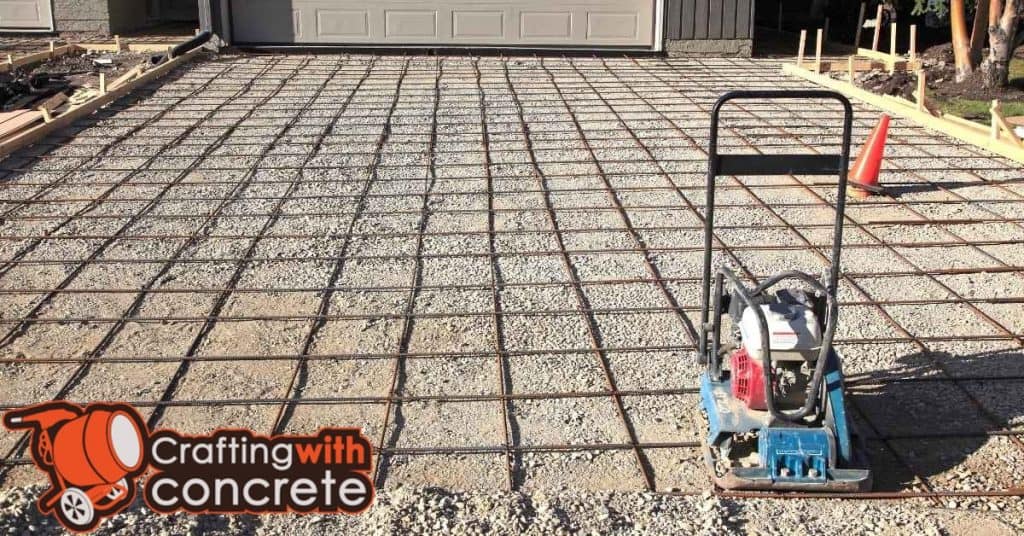
Introduction
A CA6 gravel base can create a compact, low-maintenance driveway when installed correctly.
You’ll learn the key steps—from choosing the right CA6 mix and preparing the sub-base to laying and compacting the gravel for stability.
The guide walks through practical tips, common pitfalls, and rules of thumb to help you achieve a durable driveway without professional equipment.
Related: Everything You Need to Know About CA6 Gravel: A Comprehensive Guide.
Key takeaways
- CA6 gravel provides a stable, well-draining base for compact driveways.
- Ensure proper compaction to avoid rutting and settlement under traffic.
- Plan excavation depth and sub-base grading thoroughly before laying geotextile for stability.
- Use edge restraints to prevent gravel spread and maintain driveway width.
- Calculate CA6 quantity with thickness and area, add 5–10% for compaction.
- Budget includes material + labor, equipment rental, and site preparation.
Table of Contents
- Introduction
- Key takeaways
- What is CA6 (CA-6) Gravel?
- Benefits of a CA6 Base for Driveways
- When to Choose CA6 for Your Driveway
- Planning, Permits, and Site Assessment
- Tools, Equipment, and Materials Checklist
- How Much CA6 Gravel Do You Need (Calculations & Example)
- Cost Breakdown and Regional Pricing Tips
- Preparing the Site: Excavation and Base Grading
- Installing Geotextile Fabric and Edge Restraints
- Layering and Spreading CA6 Gravel
- Compaction Techniques and Quality Control
- Final Finishing: Top-Off, Tamping, and Surface Options
- Edging, Transitions, and Driveway Entrances
- Common DIY Mistakes and How to Fix Them
- Maintenance Schedule and Long-Term Care
- Safety, PPE, and Site Hazards
- Equipment Selection Guide by Driveway Size and Budget
- Where to Buy CA6 Gravel and Choosing a Supplier
- Visual Checkpoints and Simple QC Checklist Before Use
- Troubleshooting Guide: Problems, Diagnoses, and Quick Repairs
- Appendix: Quick Reference — Thickness, Compaction, and Material Specs
- Conclusion
- FAQ
What is CA6 (CA-6) Gravel?
CA6, also known as CA-6, Grade 8, or road mix, is a gravel blend used as a compactable base material for driveways and roads. It typically combines larger aggregate with a measured amount of fines or stone dust to promote workability, density, and interlock during compaction, with a standard particle-size distribution that includes both aggregate particles and fines. The stone-dust content matters: too little dust can reduce cohesion and drainage, while too much dust can fill voids excessively, increase plasticity, and weaken strength if not placed and compacted correctly.
For a DIY project, CA6 provides a stable, load-bearing base when properly compacted and moisture-conditioned to target levels, typically forming the intermediate layer in a gravel driveway stack between subgrade and top asphalt or binder course. Verify suppliers’ specs for terms like abrasion resistance, moisture content, and certified gradation, and confirm synonyms to avoid mis-shopping. During installation, test compaction with a plate compactor, monitor moisture content with a gauge, and watch fines content to maintain the right balance for drainage, frost resistance, and long-term durability, and predictable performance under typical seasonal conditions.
Composition and sizing
CA-6 is basically crushed limestone with angular, jagged particles that lock together when compacted. The mix usually runs from about 3/4 inch down to stone dust — think a range of coarse chips plus fines. Those fines are not trash; they act like glue when you compact the base.
When picking material, decide whether you need drainage or a firm, load-bearing base. More fines = better compaction and stability but worse drainage. Fewer fines = faster runoff and a looser surface. If you’re unsure, ask for a typical CA-6 blend (about 3/4″ max with a gradation to dust) rather than a purely coarse or purely dusty mix.
On job day, check the delivered material visually and by hand: sharp, angular particles are good; overly round or sandy stuff is not. Also check base compaction after spreading and before surfacing—skip this and you’ll pay for it later with ruts and settling.
How CA6 differs from washed gravel, #57, and millings
CA6 has a mix of angular stone and fines that let it lock and bind under compaction. That makes it a better base or wearing surface for driveways and pad areas than washed gravel or #57, which are cleaner and won’t interlock as well. If you want a solid, stable surface you can drive on, CA6 is the practical choice; if you need free-draining rock for a French drain or decorative top layer, choose washed or #57 instead.
Compared with #57, CA6 compacts denser and resists ruts sooner, but it also holds more fine material so it won’t drain as well as washed or #57. Millings (recycled asphalt) behave differently: they bind nicely when tamped and trafficked, and can form a smooth surface, but they can soften in heat and may require edge restraint. Millings can be cheaper, but don’t expect the long-term structural stability of a properly installed CA6 base for heavy use.
Practical checks before you build: check base compaction, confirm drainage paths, and match material to use. Use CA6 where you need load-bearing and quick compaction. Use #57 or washed rock where water escape matters. Use millings for temporary or low-cost paved finishes, and keep an eye on edges and surface drainage to avoid premature failures.

Benefits of a CA6 Base for Driveways
CA6 base uses a well-graded mix of particles that fines up into a tightly compacted, yet permeable layer, which is why it’s favored for residential driveways: its particle size distribution supports stable compaction and a robust substructure that resists movement under load. This combination directly enhances compaction and load-bearing capacity, while its permeability helps drainage and reduces the risk of standing water, all contributing to strong freeze-thaw resistance and lower ongoing maintenance compared with inferior bases.
For a DIY or jobsite reader, the key is getting moisture content right, choosing the correct depth for a residential driveway, and using the right compaction equipment to achieve the target density without excessive effort. When these factors are handled properly, you’ll see fewer puddles, longer service life, and a more stable surface that supports vehicles with minimal maintenance and better long-term cost efficiency than other bases.
Compaction and structural strength
Good compaction is what makes a CA6 base actually carry vehicles without rutting. After spreading, compact in thin lifts with a plate compactor or tandem roller until you reach the specified depth and resistance. If you skip lifts or try to cheat with one heavy pass, you’ll get soft spots that show up as wheel ruts within months.
Fines in the CA6 sit between the larger stones and lock particles together, creating a dense, interlocked mass that spreads loads instead of letting them concentrate. For you that means fewer potholes and a driveway that handles passenger cars and light trucks without constant patching. Don’t confuse a fluffy-looking surface with proper strength — loose fines are useless until compacted.
Before paving or topping with asphalt or pavers, check base compaction with a hand tamper and a straightedge, or hire a contractor to do a quick proctor/density test if you’re unsure. Keep the base dry but not bone-dry when compacting, and never build on frozen or overly wet material. If the base isn’t holding firm under a few passes of the compactor, fix it now — repairs after surfacing are far more expensive.
Drainage and frost protection
Make sure the drive slopes away from your house and toward a visible outlet — gutters, swales, or a curb cut. A 1–2% slope (10–20 mm per metre) is enough. If water pools on the surface or at the edges, it soaks into the subgrade and causes freeze/thaw heave. Don’t rely on the asphalt or pavers alone to move water.
CA6 is coarse and drains fast, so place it against a well-prepared subgrade and add a geotextile if the soil is silty or clayey. Keep the mix free of excess fines; fines trap moisture and defeat the whole point of a drained base. For cold climates, increase the CA6 thickness a little (consult local frost depth rules) and provide edge drainage or a perimeter trench to give melting water somewhere to go.
Compact the base as you go but remember: check base compaction and surface slope before you finish. Avoid low spots, blocked downspouts, and poor edge restraints — those are the fastest ways to get freeze/thaw damage. If you’re unsure about frost depth, err on the side of more CA6 and better drainage; fixing heave later is a lot harder than doing it right now.
When to Choose CA6 for Your Driveway
CA6 gravel serves as a strong, permeable base that supports durable, low-maintenance driveways, especially when used correctly under asphalt or concrete, as a standalone compacted gravel surface, or on sloped sites where stable drainage matters. It provides good drainage while distributing loads, helping minimize frost heave and rutting when properly compacted to target thicknesses. Choose CA6 for projects where you need a solid foundation that tolerates seasonal moisture without sacrificing accessibility or longevity.
For DIYers, understanding site prerequisites and preparation—the right drainage, slope, soil conditions, and appropriate compaction equipment—helps prevent common failures. Knowing when to employ CA6 as a base, a standalone layer, or a graded sub-base guides decisions on thickness, compaction targets, and maintenance schedules to preserve stability. Anticipate performance limits, weather considerations, and routine upkeep to extend the life of the base, avoid red flags like unsuitable soils or over-watering during compaction, and catch issues before they become costly repairs.
New builds vs resurfacing existing driveways
For a new build, use CA6 as the main structural layer. Lay and compact it to the depths your local spec requires, then cap with the finish material. Don’t skimp on the thickness or compaction — that’s what prevents future failures.
For resurfacing, first check base compaction and drainage. If the existing base is firm and level, you can get away with a thin CA6 topping and a proper binder. If the base shows movement, potholes, or sinking, you need to strip and rebuild with CA6 rather than just topping it.
Quick rule: if you can push a screwdriver into the base or see standing water after rain, rebuild. If repairs are limited and the base is sound, resurfacing saves time and money. Either way, compact and profile the surface before placing new material — half measures lead to repeat work.
Suitability for slopes and heavy traffic
If your driveway is steep or sees regular heavy vehicles, treat the CA6 as the structural layer, not just a filler. For cars and occasional vans a compacted CA6 base of about 150–200mm works. For regular heavy loads — delivery vans, pick-ups, or tractors — push the compacted base to 200–300mm. On slopes you’ll want the thicker end of those ranges.
Always check base compaction before finishing. Aim for high compaction (close to 98% Proctor) and use a geotextile over soft subgrade. If the subsoil is weak, add more depth rather than skimping on thickness. Good compaction prevents rutting and pushed-out edges over time.
Don’t skimp on edge restraints. Concrete haunching or reinforced kerbs fixed into solid foundation will stop blocks or surfacing from moving under repeated loads — especially on slopes. Also ensure positive drainage and consider a textured surface for traction on steep sections. If you’re unsure, overbuild slightly; repairing a failed edge is far messier than adding a bit more CA6 up front.
Planning, Permits, and Site Assessment
Planning, permits, and site assessment establish the foundation for a driveway project by defining goals, measuring the space, and mapping utilities and site conditions before any work begins. Clearly outline project scope— driveway width, grade, base thickness, and surface finish— and identify drainage concerns, setback rules, and any HOA requirements. Measure boundaries, slopes, high and low points, and obstacles to estimate material quantities, plan equipment access, and spot temporary protections for utilities, nearby structures, and shallow foundations that could be affected by work.
This upfront work helps you anticipate what the job will require, from equipment needs to soil stability and drainage management, so you can budget and schedule more accurately. It also reduces safety risks by outlining safe excavation zones, barriers for utilities, and environmental controls for dust and runoff. In short, thorough planning and permitting awareness translate into smoother progress, fewer delays, and a more durable, code-compliant driveway you can maintain over time.
Utility locates and safety checks
Before you ever touch a shovel, call 811. Do it at least 48–72 hours before any digging deeper than a few inches. The utilities will mark their lines with paint and flags. Treat those marks as your baseline — don’t assume depth or exact route until you verify.
Walk the site and look for signs of hidden hazards: gas meters, buried propane tanks, septic access lids, irrigation lines, old foundations or tanks, and tree root zones. Check overhead for power lines before bringing in equipment. If markings are faded or there’s any doubt, contact the utility owner directly. Never rely on memory or old plans.
Before using heavy equipment, expose the marked lines with a shovel or use a metal probe to confirm depth — hand-trowel potholing is the right move. If you can’t find a mark but suspect a line, stop and hire a private locator or use ground-penetrating radar. Quick checks now prevent big, expensive, and dangerous mistakes later.
Drainage and grading plan
First walk the site and pick your high and low points. For driveways and flat work, use a crown or cross-slope to shed water — aim for at least 1–2% slope (about 1/8–1/4″ per foot) so water won’t sit. For private roads or long drives, a centerline crown of roughly 1/4″–1/2″ per foot works; for walkways and patios stick to gentler cross-slopes so people don’t feel like they’re walking uphill.
Lay out grades with stakes and a string-line or transit. Make sure slopes lead to a stable outlet — street gutter, swale, rock-lined ditch, or storm drain — and not your neighbor’s yard or a low spot that will pond. If you can, run a quick water test after grading to catch low spots; fixing them before paving or compacting saves hours of rework.
Don’t overcut or create steep bare slopes that will erode. Compact cut-and-fill zones, install temporary erosion controls if rain’s coming, and keep runoff velocity low by breaking long slopes or adding check steps. And yes, check locates and permits first — you don’t want to fix a collapsed drainpipe because someone skipped a utility locate or approved outlet.
Tools, Equipment, and Materials Checklist
This section outlines a comprehensive Tools, Equipment, and Materials Checklist that covers essential hand tools, measuring and marking gear, safety PPE, power tools, and rental equipment. Expect a full list of shovels, rakes, tamper, screed, string line, laser level, and chalk line, plus gloves, goggles, high-visibility vests, and steel-toed boots. It also clarifies which items to rent (plate compactor, plate/roller, skid steer or mini loader) versus what to buy, with typical rental durations and budget considerations, and specifies estimated material quantities such as CA6 gravel by driveway size, geotextile fabric, edging, landscape fabric, dust-control additives, and a contingency margin for waste and compaction losses.
This checklist supports site preparation and workflow by outlining a practical sequence from trenching to final compaction, and by identifying a staging area, material order cadence, and access for heavy equipment. It helps DIYers forecast purchases and rentals, coordinate timing with weather and deliveries, and maintain safety zones and clear communication on site. Clear planning here reduces surprises, controls costs, and keeps the project moving smoothly while meeting subgrade targets, moisture considerations, and proper weed barrier placement.
Equipment sizing by driveway size
Match your tools to the driveway, not your DIY ego. Small jobs often need hand tools; medium jobs usually require rented compactors; big or high‑traffic drives call for hired machines and an operator.
- Hand tamper – A steel tamper compacts small gravel or base patches by hand. Use for short driveways under ~200 sq ft; no specs beyond a solid flat face and 5–8 lb head. Cheap ($20–50), optional for larger jobs — using it on big areas leaves you with a soft, rutted surface and sore shoulders.
- Plate compactor – Vibrates and compacts base material quickly for medium driveways (up to ~1,000 sq ft). Rent a 150–300 lb forward plate; engine size and plate width matter for productivity. Rent ($60–120/day); don’t try to substitute with a hand tamper or the base won’t lock and the pavement will settle.
- Vibratory roller – A small roller is for large driveways or commercial loads where uniform compaction is critical. Look for 1–3 ton pneumatic or steel drum rollers; hire with operator unless you have experience. Expensive to rent/hire — using a small plate here risks premature failure and potholes.
- Skid-steer / mini-excavator – For removing old pavement, digging out, and moving tons of material fast. Track width and bucket size matter; rent one sized to the job footprint. Rent or hire ($200+/day); don’t use a compact machine for heavy ripping — you’ll stall or damage the machine and slow the job.
- Asphalt rake / lute – Levels hot or cold asphalt and shapes edges for a smooth finish. Choose a wide, rigid rake (36–48 in) for faster coverage; a lute gives a denser surface. Inexpensive to buy or rent; bad leveling leads to weak edges and water pooling that ruins the pavement.
- Angle grinder / diamond blade – Cuts clean joints and trims hard edges on old pavement or concrete. Use a diamond blade rated for asphalt/concrete and wear PPE; 4–7 inch grinders are fine for touchups. Optional for small jobs; improper blade or technique causes ragged cuts and faster edge failure.
- Wheelbarrow & shovels – Move aggregate, asphalt, and base material around the site. Sturdy, pneumatic tire wheelbarrow and flat/shovel combos make small spreads manageable; more wheelbarrows = less carry time. Cheap to buy ($50–150); trying to wheel heavy loads without them wastes time and damages your back or the surface.
Pro tip: Combine tools smartly — rent a plate compactor for day one and finish the edges with hand tools. If the job edges or traffic loads are critical, hire the roller and operator rather than cutting corners; the upfront cost saves you patching later.
Material calculator basics
Choose materials that match the job or you’ll see it in the finished surface—weak joints, stained pavers, or a driveway that crumbles. The math and specs are simple: measure, pick the right grade, and don’t cheap out on anything that holds the structure together.
- Bulk base stone Used under pavers or asphalt for load-bearing support. Look for crushed stone or aggregate labeled for driveways (¾” stone or crush-and-run). Expect $25–$45 per ton; get 10–15% extra for compaction and uneven subgrade or you’ll have settling and dips later.
- Sand bedding Fine bedding sand or concrete sand goes under pavers to level and seat them. Bag label should say “sharp” or “concrete sand” not play sand; avoid washed plaster sand. Bags cost $4–$8 each; cheap soft sand will shift and cause uneven pavers after frost.
- Jointing sand or polymeric sand Keeps paver joints locked and resists weeds. Choose polymeric sand for driveways or high-traffic areas—check bag for UV stability and recommended joint width. About $15–$30 per 40 lb bag; regular sand washes out and allows movement and weed growth.
- Cement and mortar For edge restraint or laying true stone. Use Type N or Type S mortar per label—Type S for structural edges, Type N for non-load-bearing. Bags $8–$12 each; the wrong strength either cracks or is too brittle and fails at freeze-thaw.
- Concrete mix For footing, curbs, or full-depth repairs. Choose standard 3000–4000 psi mix; higher psi for heavy-driveway loading. 60–80 lb bags run $5–$10; underspec’d mix leads to quick cracking and reduced lifespan.
- Pavers or paving bricks Surface material—look for freeze-thaw rated, dense units with low water absorption. Check manufacturer’s grade and recommended jointing; premium units cost more but resist spalling and staining. Cheap porous pavers will flake, stain, and break under traffic.
- Geotextile fabric Separates base from subgrade and prevents mixing of soils. Look for non-woven, high-permeability fabric with tear resistance specs. Rolls $50–$150; skipping this invites base contamination and uneven settling.
- Sealers and cleaners Protect appearance and prevent oil/stain penetration. Use sealers rated for your paver type (solvent vs. water-based, film-forming vs. penetrating). $20–$80 per gallon; wrong sealer can darken or bubble and will lock in stains instead of protecting.
- Adhesive and edge restraint Plastic or concrete edge restraint and paver adhesive for vertical joints. Choose frost-rated restraint systems and concrete-compatible adhesives; avoid generic construction glue. Expect $2–$6 per linear foot for restraints; weak edges let pavers migrate and ruin the pattern.
Pro tip: Do the math before you buy: cubic yards = (area in ft² × depth in inches) ÷ 324. Add a 10–15% buffer for compaction, waste, and uneven subgrade. Buy from a supplier that lets you return unopened bags, keep cement and sand dry, and mix small batches—don’t mix a whole drum that’ll set before you use it.
How Much CA6 Gravel Do You Need (Calculations & Example)
To estimate CA6 gravel you convert the area in square feet by the depth in feet into cubic yards using volume yd³ = (area ft² × depth ft) ÷ 27, which keeps the math tied to how much material actually lands as a compacted base. The 27 comes from 1 yard being 3 ft, so 1 yd³ equals 27 ft³ and it accounts for compacted delivery expectations. For a 12′×40′ driveway at 4 inches (0.333 ft) deep, the calculation is 480 × 0.333 ÷ 27 ≈ 5.93 cubic yards before adding waste.
Common CA6 base depths for driveways range from about 4 inches for a light, compacted base to around 6 inches for heavier loads, and deeper sections mean more material and cost. Plan to add 5–10% extra to cover compaction, uneven subgrade, and grading tolerance, and adjust for irregular shapes or edge transitions by splitting the area into simple rectangles when measuring. For DIY practicality, consider how moisture, granule size, delivery logistics, and site access affect the final order and how to verify consistency between lots.
Allowances and compaction factors
Gravel settles. When you spread CA6 it will compact and lose depth. Expect the finished depth to be less than the loose depth you calculated. A typical compaction factor is 10–15%, but that varies with how hard you tamp and the moisture content.
Do the obvious checks before you buy: check base compaction, measure the slope, and think about how you’ll compact the material. If you plan to plate tamp or use a roller you’ll get more settlement than hand-raking. Wet material compacts differently than dry material, so factor that in.
Order extra to cover compaction, spill, and waste. I recommend you order 5–10% extra of CA6. Don’t cheap out on this—running out mid-job or trying to patch with a mismatched load looks sloppy and costs more time.
Bag vs bulk purchase and delivery considerations
For small jobs under a half yard or so, bags win for convenience: no delivery truck, no staging, and you can buy exactly as many as you need at a big box. For anything larger, bulk is almost always cheaper per ton and faster to place. Run your quantity through the calculations you already did and add the allowance for compaction—then decide whether that total makes bags practical or just expensive and slow.
Check site access and surface strength before you call the supplier. Some yards deliver with small dump trucks or pick-up trailers; larger loads need end-dumps, belly-dumps, or tri-axle rigs and a clear turning radius. If your driveway is asphalt or a weak lawn, mention it—drivers may refuse to dump or you risk rutting.
Ask the supplier about minimum order sizes and delivery fees. Many companies have a minimum of a few yards or a tonnage minimum; others charge a flat delivery fee that kills the savings on small orders. Also confirm tip location rules, unloading time windows, and if they offer offloading assistance—some will drop and run if you don’t have a forklift or crew ready.
Storage and handling matter: bags are easy to store and return if unopened; bulk needs a clear spot to pile and a plan to spread it quickly so it doesn’t get contaminated. If you choose bulk, order slightly more than your compacted volume and check base compaction before final placement. If you’re unsure, call the supplier, tell them project type and access, and get their recommendation—it’ll save you a headache on delivery day.
Cost Breakdown and Regional Pricing Tips
Cost breakdown for CA6 gravel hinges on itemized components: the base material price per cubic yard or ton, delivery or pickup charges, taxes, fuel surcharges, site-access surcharges, and incidental costs such as bags, tape measures, or safety gear. Clearly state what’s included—base, screening, compaction, or wash—so your quote isn’t missing services you expect or accidentally double‑charging for work already assumed. Regional pricing variability and a simple distance‑based framework help you forecast delivery costs, compare multiple quotes, and estimate total project needs with a realistic contingency for weather, permits, or seasonal demand.
Knowing how to estimate cubic yards or tons, convert to truckloads, apply compaction factors, and add waste and contingency makes a DIY project plan credible and auditable. This matters because prices shift by geography (urban vs rural), distance from supplier, and seasonal demand, and reading delivered versus pickup quotes correctly can save hundreds without sacrificing quality. Target local suppliers, request bundled quotes that cover material, delivery, spread, and compaction, time deliveries off-peak when possible, and ensure solid subgrade prep to minimize material waste and unnecessary replacement.
Rental and equipment cost estimates
These are the actual machines you’ll use on compacting, grading and moving material. Pick what fits the job size: small tools for a backyard patch, heavier rentals for driveways or larger areas.
- Plate compactor — Compacts base material quickly and evenly for pavers and asphalt patches. Look for 300–600 lb plate with forward/reverse; many rentals run $60–120/day. Essential for patios and small driveways; a lightweight home model won’t compact deep fill and will leave loose spots if overused.
- Trench rammer — A narrow, high-impact compactor for tight spots and trench backfill. Choose one with 14–30 in. shoe and check serviceable mounts; rent for $40–90/day. Optional for big open areas but essential in trenches; using a plate compactor in a trench leaves voids and causes settling later.
- Skid steer / mini-loader — Moves material, grades roughly, and handles attachments like buckets or rakes. Look at 60–90 hp for small jobs; daily rents run $200–400. Rent instead of buying unless you run jobs often; trying to move large loads by hand wastes time and strains tools.
- Vibratory roller — For true compaction on driveways and long stretches. A small walk-behind or ride-on roller with 1–3 ton static weight is best; expect $250–600/day. Optional for tiny jobs but mandatory for asphalt or large gravel areas; using a plate compactor instead can leave layers improperly bonded.
- Dump trailer / pickup — Hauls gravel, soil and equipment. Look for rated capacity matching material weight; trailer with brakes for loads over 1,500 lb. Rent or borrow cheaply compared to repeated box truck fees; under-rated hauling risks axle failure or blown tires.
- Angle grinder / cut-off saw — Cuts pavers, concrete and metal attachments cleanly. Use diamond blade for masonry and check rpm rating; a cheap homeowner grinder is fine for occasional cuts. Optional but saves time; dull or wrong blades chip materials and create dangerous kickback.
- Contractor wheelbarrow — Moves small loads of base and concrete around the site. Pick poly tub or steel with pneumatic tire for rough ground; expect $60–150 to buy or cheap to rent. Cheap narrow home wheelbarrows tip and spill; that means extra trips and sore backs.
Pro tip: Rent the heavy gear and buy the hand tools you’ll use again. Pair a plate compactor for edges with a small roller for the field, and always match tool size to the job—oversized gear wastes money, undersized gear causes callbacks.
Budgeting example with line items
Think in lines: materials, delivery, equipment rental, edging, and labor. For a mid-size driveway (about 600–800 sq ft) expect roughly: crushed stone and bedding $600–$1,000, pavers or asphalt $1,200–$2,500, delivery $150–$300, rental compactors/plate tampers $80–$200/day, edging materials $100–$300, and labor $1,000–$2,500 depending on crew and local rates. Add a contingency of 10–15% for waste, unexpected hauling, or time overruns.
What you need to decide now: pick the surface material and get two local quotes for just the materials and delivery so you can compare markups. Reserve any rental equipment only for the days you actually work — rentals add up fast and you’ve already read the rental estimates earlier. Also, plan for one extra day for site prep; rushing compaction is the quickest way to redo the job later.
On the jobsite, focus on three checks: check base compaction before laying the finish surface, verify measurements and order slightly more material than calculated, and confirm a clear payment schedule with labor. If a quote looks too cheap, it usually is — either corners will be cut or you’ll be billed later for extras.
Preparing the Site: Excavation and Base Grading
Preparing the site means setting the right excavation depth to reach a stable subgrade and installing a consistent base, typically removing topsoil to a depth of about 6–12 inches based on expected load, frost, and drainage conditions. It also involves planning the grade and slope to move water away from structures and noting any high or low spots that must be corrected before base placement. A clear method covers subgrade stabilization if needed, the chosen base material (like CA6), any geotextile, and the required compaction to meet performance targets.
This matters because proper depth, drainage, and compaction prevent settlement, washout, and frost heave, delivering a solid foundation for long-lasting roads, paths, or driveways. It gives you a repeatable sequence from site prep to base installation to final surface prep, reducing surprises and costly rework. By detailing moisture management, edging, forms, and protection, you set up methods that help you manage rain, wind, and equipment while maintaining stable grades and clean edges for a durable result.
Handling soft or clay soils
Do a quick probe before you dig deep: poke with a rod, walk the area after rain, and look for standing water or a pancake-like surface. If the rod goes in six inches with little resistance, plan to remove some of that material. Soft clay will compress and settle—don’t just build on it and hope for the best.
When to remove and replace versus treat in place depends on depth and use. For shallow problems (a few inches), scarify, add a layer of well-graded gravel or sand, and compact it. For deeper soft spots, cut out the bad soil and backfill with compacted aggregate. Lay a geotextile separator if you’re keeping some native material under the base; it prevents material migration and keeps the aggregate working properly.
Always build a thicker, stronger base where loads concentrate—driveways, heavy planters, or shed corners. Compact each layer and check base compaction as you go. If you skip removal or proper separation, expect uneven settling and expensive repairs later. Don’t cheap out on drainage either—fix the water issue first or your solid base won’t stay that way.
Managing runoff and outlet placement
Decide where the water will go before you finish grading. Aim to direct water away from the pool, house foundation, and any low spots that could pond. If you have a natural low point or street outlet, plan a clear path there with a continuous slope. Don’t assume surface water will sort itself out once the liner goes in.
Use shallow swales to carry surface runoff. Keep them smooth and gently pitched so debris doesn’t block them. For concentrated flows or roof downspouts, install a catch basin or a solid pipe run to carry water into the swale or to an existing storm drain. Tie-ins to municipal drains must be accessible and capped with a grate to stop clogging.
Before you cover the sub-base, check slope and flow with a hose or during a rain. Make sure the outlet is lower than the pool edge and not uphill. If soils are very slow-draining or clayey (see earlier on handling soft soils), consider extra sub-drain outlets. Bad outlet placement will cost you time and money later—get it right now.
Installing Geotextile Fabric and Edge Restraints
Geotextile fabric is chosen to separate and protect the CA6 base, control erosion, and keep underlying soils from mixing, with woven or nonwoven types selected for traffic, climate, and puncture resistance. Plan seam placements with proper overlaps to prevent ridges and shifting, and secure the fabric during base compaction using staples, pins, or stakes to hold it in place. Edge restraints—timber, steel, concrete, or pavers—provide load transfer and stability, and you should match their installation method to the CA6 gravel and anticipated maintenance.
Fabric specs such as pore size, tensile strength, and permeability guide layout, while careful subgrade prep, moisture control, and a compatible CA6 bed minimize wrinkling and movement. An installation checklist helps spot common issues like stretched fabric or poor drainage before final compaction, reducing rework and speeding up completion. Understanding the trade‑offs of edging options on longevity, maintenance, and installation effort helps DIYers choose the right system for their site.
Benefits and limitations of fabric
Geotextile fabric keeps the subsoil from mixing into your CA6 base. That means the base holds its drainage and strength longer, especially over clay or disturbed fill. Lay it flat, overlap seams, and check base compaction before you cover it — fabric won’t fix a soft, poorly compacted base.
Fabric is most useful where the subgrade is wet, soft, or contains a lot of fines. If you have a firm, well-compacted granular subbase and good drainage, the fabric becomes optional. In short: use fabric when the soil looks like mud after a rain and skip it when the ground is rock‑solid and drains well.
Don’t expect fabric to replace proper installation or edge restraints (see the main Installing Geotextile Fabric and Edge Restraints section). Protect the fabric from tears during installation, keep overlaps tight, and remember it won’t stop all weeds or freeze-thaw heave. If in doubt, err on the side of using fabric — it’s cheap insurance compared with having to rebuild the base.
Choosing and installing edge restraints
Pick an edge based on budget and how long you need it to last. Plastic or recycled edges are cheap and fine for light garden beds. Galvanized steel or aluminum work well for pavers and last longer. Concrete curbs or poured concrete are the go-to for driveways or heavy traffic. Whatever you pick, make sure the top of the restraint sits at the final finish height so the surface and edge meet cleanly.
When you install, check base compaction first. The edge has to hold the compacted CA6 in place, so seat the restraint directly against the compacted base. Cut the geotextile back or tuck it under the restraint so it doesn’t lift when you compact. Use heavy-duty spikes or 12–18 in. concrete anchors depending on material. For metal or plastic edges use 12–16 in. spikes; for timber or high-load areas use bolts into concrete or continuous poured concrete behind the edge.
Anchor spacing and depth matter more than style. Space anchors tighter where loads will push against the edge or where the soil is loose. If you see any sideways movement during compaction, stop and add more anchors or a concrete backfill. Final check: confirm the edge is straight or follows the intended curve, level along its length, and that the CA6 is fully contained with no gaps between base and restraint.
Concrete ribbon (recommended minimum for driveway aprons): For vehicle entrances or where highest restraint is needed, pour a concrete ribbon or haunch at the edge: 4–6 in. thick, typically 8–12 in. wide (wider for heavy traffic). Install #3 (10 mm) rebar or deformed bars spaced roughly 12–18 in. on center longitudinally and tie to any sidewalk apron reinforcement. Seat the ribbon on compacted CA6/subgrade and tie into the pavement edge so the restraint receives the same compaction and support as the drive field.
Layering and Spreading CA6 Gravel
Layer and spread CA6 gravel in uniform lifts of 2–3 inches loose, measuring and leveling with screed boards and a comb to ensure an even thickness across the entire drive area. Implement a controlled sequence to prevent segregation, maintaining consistent moisture, mix ratios, and gradually adding material in multiple passes from edge to center while edging holds shape and guards transitions to surrounding surfaces.
Required tools include rakes, screed boards, lawn roller, plate compactor, and edging; follow a step-by-step spread and compact plan that keeps gradation intact and avoids over-watering or dumping disparate sizes in one spot. This approach supports sub-base readiness, lets you identify low spots early, and yields better compaction cues, with quality checks for uniformity, moisture balance, and density that lead to a stable, well-drained pavement.
Mechanical spreading vs hand spreading
For anything over about 100–200 sq ft or where you need to place more than a few yards, I lean to mechanical spreading with a skid steer or mini‑excavator. They move CA6 fast, cut labor, and let you keep a consistent depth across slopes. Before you call the rental place, check base compaction, confirm access for the machine, and plan where the material will be dumped so you don’t crush finished areas.
For small patches, narrow driveways, or delicate landscaping, do it by hand with a wheelbarrow, rakes and a lute. It’s slower but cleaner and less likely to tear up turf or edging. Keep raking moves short, keep the spread depth even, and compact in thin lifts so you don’t get soft spots later.
Whatever method you pick, sort out edge control and final grade before you finish. Mechanical methods need someone watching the grade constantly to avoid overcutting; hand work needs patience and more checking with a straightedge. If you’re unsure, rent the machine for a half day and use it only for bulk placing, then finish by hand for tight spots. Avoid dumping piles and walking away—that’s where people get uneven surfaces and rework later.
Visual checkpoints for even coverage
Walk the area with your boots on and look for shine or shadow changes in the stone surface. Good cover reads consistent color and texture; bright spots or darker hollows are usually low spots where more CA6 is needed. Pay special attention along edges, around drains, and where machinery or foot traffic concentrates — those are the usual trouble spots.
Use a straight board or a long piece of lumber as a quick screed. Lay it down, rock it gently, and watch for gaps under the board or large gaps at the ends. If you see a gap, feather more material in; if the board rocks on a high ridge, scrape that ridge down. This is faster and more reliable than guessing from eye level.
Before you compact, do one last sweep for abrupt transitions between layers from mechanical vs hand spreading — those ridges must be smoothed now or they’ll show after compaction. Also check base compaction underneath any thin areas; a soft base will settle later and ruin your even surface. Fix obvious highs and lows now — compaction won’t fix them, it’ll just lock them in.
Compaction Techniques and Quality Control
A disciplined compaction plan targets a defined density, with a clear acceptance criterion and a lift-by-lift sequence that uses appropriate equipment, moisture control, and regular in-situ or lab testing to verify compaction. The plan specifies the target dry density, typically around 95% of AASHTO/T180, or the cottage standard for CA6 base, and describes what “fully compacted” looks like in a driveable, low-maintenance surface, including tolerances and obvious failure indicators such as core voids or visible settlement. It also lays out the equipment mix (plate compactors for most lifts, with light wackers or jumping jacks for transitions), a lift plan (for example 6–12 passes on initial lifts and 6–8 on final passes), and the testing cadence (nuclear gauge or sand/AASHTO-T180 comparisons at defined locations per lift).
Moisture management and weather are woven into the workflow, detailing how target Optimum Moisture Content is achieved and maintained, when to pause for rain or extreme heat, and how delays affect lift timing and density outcomes. The testing framework—spot density checks, surface roughness, and corrective actions for under- or over-compaction—gives DIY crews a concrete path to compliance, with clear pass/fail criteria and documented actions. A daily QC routine builds accountability, covering calibration, safety checks, edge transitions, and troubleshooting steps for common issues like pumping, voids, or inconsistent density, so the job stays on track and the pavement remains durable.
Plate compactor vs vibratory roller guidance
If your driveway is narrow (single-car, under about 12–15 ft wide) a plate compactor is the practical choice. It gets into edges, is cheap to rent, and gives good finish on aggregate or thin asphalt lifts. For anything wider, heavier, or longer than a single-car drive, step up to a small vibratory roller. The roller covers ground fast and keeps compaction even across the full width.
Think in lifts. For aggregate base, compact in 2–3 in lifts; for asphalt, 1.5–2 in lifts. With a plate compactor expect multiple overlapping runs — typically about 4–8 passes per lift overall, more at the edges and on soft spots. With a roller you’re often done with fewer passes — around 2–4 passes per lift across each strip — but cover consistently and watch for bounce or over-rolling thin lifts.
Practical home-owner guidance (approximate): with a 150–300 lb plate compactor compact 2–3″ loose lifts with 6–8 overlapping passes; with a 300–600 lb plate aim for 4–8 passes per lift; and for a small walk-behind roller 2–4 passes per strip are typical. These are field rules-of-thumb — if the plate stalls or the surface still deflects under firm foot pressure, add passes. Where accuracy matters, hire a tester for a single spot to confirm percent compaction.
Simple on-site QC tests
Don’t overcomplicate it — two quick checks will tell you most of what you need. Do the shovel test by driving a shovel or probe into the compacted layer: if the handle sinks easily or you get a hollow feeling under the blade, it’s not tight enough. If you can pry and lift a chunk out in one piece and the blade meets solid resistance, the layer is likely acceptable.
The plate test is just watching how the surface reacts to a plate compactor or a steel plate under your boots. Run the compactor over a small area or stand on the plate and press down. If the surface visibly deflects, springs back, or you can feel movement underfoot more than a few millimetres, compact more. Little or no movement and a firm, even surface means you’re close.
Use your eyes and hands. Look for uniform colour and texture, no ponding or loose crumbs, and crisp edges at joins or trenches. If the area tears, slumps or shows rutting when driven over or walked on, don’t cover it — fix it now. When in doubt, do another pass with the compactor rather than hoping the next layer will hide poor compaction.

Final Finishing: Top-Off, Tamping, and Surface Options
The final finishing step combines a final compaction pass, topping with 1–2 inches of CA6 or a ¾” surface mix, and optional sealing or binding if desired. This pass targets density and surface evenness, and it should reveal no under- or over-compaction before you top.
Taking care with topping and finishing yields a stable, smooth surface that resists washboarding and edge gaps, while leaving room for sealing if chosen. Plan around moisture, weather, and curing time, check moisture targets, and ensure proper edge transitions and timing before traffic to maximize durability and longevity.
When to add a paved wearing course
If you plan to pave over a CA6 base with asphalt or concrete, wait until the base is stable and fully compacted. Before bringing paving crews in, check base compaction with a plate or nuclear gauge and walk the area for soft spots or pumping. Do not pave over loose, dry, or recently placed CA6 — it will settle and crack the surface above.
Make sure grades, drainage, and edge support are final. The base must be shaped to finished elevations with positive slopes away from structures. Provide a firm, supported edge (concrete curb, compacted trench, or edge restraint) so the wearing course won’t break out. If drainage is poor, fix that first or the new pavement will fail faster than you expect.
Right before paving, remove debris, trim any high spots, and lightly re-compact areas where equipment disturbed the surface. For asphalt use a tack coat; for concrete consider a bonding agent or dowels at transitions. If temperatures are low or the base is saturated, delay paving — moisture and cold are a recipe for premature failure.
Surface treatments for standalone CA6 driveways
CA6 on its own can be left as a well-graded, compacted wearing surface if you want the cheapest, low-maintenance option. Before you do anything, check base compaction and slope. If the base moves or puddles water, no surface treatment will last long. A quick rake and final tamp is fine if the driveway is only for light use.
If you want a cleaner look or less dust, consider a polymer stabilizer or binder. These products lock the stones together and cut dust, but they change the appearance—usually a darker, glossier finish—and they cost more up front. They also make future repairs harder: you can patch, but full renewal may require stripping the binder. Test one small area first to see how it looks and how the binder holds up to traffic and weather.
Resin or chip seals over CA6 give a paved feel and better longevity than loose stone, but expect higher cost and periodic recoats. If you plan to add a paved wearing course later, keep that option open and avoid heavy, irreversible treatments now. When deciding, balance appearance, budget, and how much maintenance you want to do every few years. A simple rule: cheaper today often means more work later.
Edging, Transitions, and Driveway Entrances
Create clean, safe transitions from a CA6 base to road, sidewalk, and lawn surfaces by using proper edging and slope control to avoid sudden drops or lips. Choose edging options such as concrete sleeper, metal or composite edging, or brick, and specify installation details that restrain CA6 so it stays in place and resists movement. Address drainage and cross-slope at entrances to prevent water pooling and washouts, and outline recommended slope grades and swale placements to keep surfaces flowing and dry, even under heavy use.
Plan transition ramps or feathered edges at wheel tracks and entry points to minimize tire rutting and material displacement, and lay out practical layering and compaction steps near entrances to support stability while allowing proper wheel load transfer. This approach reduces future repairs by promoting durable contact between surfaces and providing predictable performance under vehicle and foot traffic, even in seasonal cycles, while giving you clear installation checkpoints and tolerance zones for edging and base movement. Regular quick-checks for maintenance and seasonal adjustments help keep transitions smooth and identify early telltale signs of rutting, settling, or edge movement before problems escalate and compound over time.
Curb and apron reinforcement
Reinforce the curb and apron where the driveway meets the street to stop erosion and edge failure. Most failures start at the joint, so consider a compacted concrete ribbon or a reinforced edging strip set into the subgrade. These are simple to install and far cheaper than digging out and rebuilding later.
Before you pour or place material, check base compaction. If the base is loose, the ribbon or edging will crack or sink. Compact to firm, add geotextile if drainage is poor, and set any rebar or mesh so it ties into the pavement above and the curb below.
Match the reinforcement to traffic and water flow. For light cars a 4–6 in. concrete ribbon with a plate of steel mesh usually works. For heavier or high-flow entrances, increase thickness and extend the reinforcement under the apron. Do not skip a proper tie-in — a poor joint is the weak point. If you’re unsure, call a pro to check your slope and drainage before you finish the surface.
Wheel rut prevention strategies
Ruts start where the wheel traffic is heaviest and the base is weakest. Target those lanes: install reinforced strips or a geogrid under the wearing surface where cars track most. A narrow reinforced band costs little and prevents the need for full-width rebuilding later.
Don’t skimp on the soil below. Before paving or topping, check base compaction and add extra passes with a plate or roller in the wheelpaths. If the subgrade is soft, dig down and replace with compacted crushed stone. Compaction beats thicker surfacing every time.
Use transitions and driveway entrance details already discussed for a neat edge and to stop step-loading at the curb or apron. If you see early wheel tracks, fix the base reinforcement and recompact the lane rather than just resurfacing—quick patches hide the real problem and cost more in the long run.
Common DIY Mistakes and How to Fix Them
Common DIY CA6 base installs stumble on four recurrent missteps: insufficient base depth, uneven or inadequate compaction, missing edge restraints, and mixing topsoil or organic matter into the mix. These mistakes undermine stability, lead to soft spots, and promote rock loss that shortens the driveway’s life. Define the correct build specs and verify them with depth checks, consistent thickness, and clean separation of materials before proceeding.
Understanding compaction, edge restraint, and moisture management is what turns a plan into a durable, long‑lasting driveway. With the right plate compactor settings, proper restraint installation, and careful control of moisture and fines, you prevent bridging, segregation, and lateral movement that cause edge failure. When issues do occur, quick corrective actions like reseating or recompacting disturbed areas, or starting fresh with a properly prepared base, keep the project on track and deliver solid performance.
Fix for inadequate compaction or settlement
If you see dips, soft spots, or cracking from settlement, you usually need to dig it out and do it right. First, re-excavate and recompact the affected area back to stable soil or the original base depth. Remove the failed material until you hit firm, undisturbed ground or the designed base level.
Add back appropriate material in thin layers — 2–4 inches for gravel, slightly less for sand — and compact each layer thoroughly. Use a plate compactor or hand tamper, keep layers uniform, and check progress with a straightedge or level. Don’t try to fix deep settlement by slapping a single thick layer on top; that’s a band-aid that fails fast.
If you need to protect the area while waiting for full repair, apply a temporary patch: compact clean gravel or crushed stone to fill the low spot, slope it for drainage, and tape off or barricade the area to prevent traffic. Temporary fixes keep damage from spreading but plan to rework the base properly as soon as you can.
Weed and washout fixes
Weeds and washouts usually come from two things: exposed soil or water finding a path downhill. Walk the area after rain and look for bare spots, channels, or places where material has been pushed out. Also check base compaction — if the base settled or was never compacted, fixes above will fail fast.
For small holes and bare patches do a quick spot refill. Dig out loose washed material, add clean crushed stone or landscape mix, compact it, and dress the top with your surface material. Where weeds keep coming through, cut a small trench, lay landscape fabric, and overlap it under the surrounding material before refilling. Where water is the problem, reroute it — add a low-profile channel, French drain, or at least grade the slope so water runs away from the area. If you must, call a pro to install proper drainage rather than guessing.
Keep it simple on maintenance: check for new washouts after heavy storms and top low spots yearly. Don’t just dump soil on top and leave weeds — that buries problems and makes future repairs harder. A little regular attention and the right drainage will keep the same spot from needing major work next season.
Maintenance Schedule and Long-Term Care
A well-planned maintenance schedule for a CA6 gravel base combines seasonal grading, periodic top-ups, disciplined compaction, and ongoing drainage oversight to protect long-term performance, preserve driveability, and reduce costly repairs after winter or heavy use. Define a cadence that includes seasonal grading to flush fine material, an annual or biennial fresh-material top-up of CA6 to restore depth, and target compaction depths and methods that minimize rutting while maintaining a stable, well-draining base. This approach supports a proper crown or slope, keeps edge restraints intact, monitors drainage outlets, and helps prevent washouts by sustaining the integrity of ditches, culverts, and cross-drains.
For a DIY or jobsite reader, the payoff is predictable performance, clearer material requirements, and a practical budgeting framework you can follow year after year, even when weather or material quality varies. Regular regrading and controlled compaction after top-ups prevent early rutting, extend base life, maintain surface strength, and make drainage easier to monitor through simple seasonal checks of crown, slope, and outlet condition. Keeping simple records of each maintenance event—timing, materials added, equipment used, compaction tests, and cost estimates—helps future crews plan, estimate costs, and stay on schedule without surprises, while enabling better long-term planning.
Winter and freeze-thaw tips
Snow and repeated freezing will wreck a poorly built surface faster than anything. Keep snow off the slab and away from edges; don’t pile drifts against curbs, foundations, or joints. Shovel or blow early and often so meltwater can run to drains instead of sitting and refreezing at the edge.
Before the deep freeze, check base compaction at any exposed areas and confirm drains are clear. If you see soft spots, settle them with gravel and tamp when conditions allow. In spring, inspect joints and sealants for cracks and re-seal where needed to stop water from working into the base.
Use salt sparingly. Rock salt will accelerate concrete and aggregate breakdown; for critical areas use calcium chloride or a blended product and sweep up residues in spring. If you see spalling or pop-outs after thaw cycles, don’t ignore them—repair early or the damage spreads and costs a lot more to fix later.
When to resurface or rebuild
Look for the obvious: shallow cracks, surface raveling, or a few isolated potholes — these usually mean a resurfacing is enough. If the asphalt surface is failing but the underlying material feels firm when you check base compaction, a 1–2 inch overlay or milling and paving will fix most problems quickly and cheaply.
Choose a full rebuild when you see sustained rutting deeper than about 2 inches, widespread settlement or areas that keep sinking, or persistent drainage failures that pond water across the area. Those are signs the base or subgrade has failed. Patching and overlays are just bandaids on those issues and you’ll waste money if you ignore the base.
Do quick hands-on checks before deciding: probe soft spots with a screwdriver, measure rut depth, and look for long-running water after rain (see Maintenance Schedule and Winter and freeze-thaw tips for upkeep). If failures are broad or recurring, plan for removal and rebuild. If you hesitate, get a pro assessment — cheap fixes on bad bases turn expensive fast.
Safety, PPE, and Site Hazards
Safety, PPE, and site hazards cover the steps and rules you must follow when digging near public streets, operating compactors, handling deliveries, and coordinating traffic control. Start with a thorough pre-job risk assessment that includes a site survey, utility checks to locate lines, weather considerations, and a clearly defined work boundary to separate pedestrian and vehicle zones. Define PPE requirements and worker health precautions, including hard hats, high-visibility clothing, steel-toe boots, eye and ear protection, gloves, hydration for heat, and fit-for-task respiratory protection if dust exposure is possible.
Use safe digging and trenching practices by identifying buried utilities, hand-dig near lines, and employing trench boxes or shoring when needed, along with soil classification and applicable fall-protection measures. Follow equipment safety guidelines for compactors and tools by reading manufacturer manuals, conducting daily checks, enforcing lockout/tagout procedures, managing vibration exposure and noise, and performing safe fueling and maintenance away from the active work area. For deliveries and traffic management, coordinate gravel deliveries to minimize street disruption, designate a clean-loading zone, avoid blocking driveways, and implement spill and erosion controls, while keeping emergency access routes clear and communications with neighbors timely and accurate.
Personal protective equipment and machine safety
These are the things you actually need on the ground. Wear the PPE every time and treat heavy kit like power tools — respect them or you pay for it.
- Work gloves — Protect hands from cuts, blisters and vibration. Use leather or nitrile depending on the job; thicker leather for handling pavers or metal, nitrile for greasy work. Cheap gloves are fine for light jobs ($5–$20); using thin or worn gloves on rough material will shred them and cut your hands.
- Safety glasses — Keeps grit and flying debris out of your eyes. Use wraparound polycarbonate lenses; clear for day work, tinted for bright sun. Buy decent ANSI-rated glasses ($8–$30); using sunglasses or no eye protection risks permanent damage from a stray chip.
- Hearing protection — Cuts the ringing and long-term hearing loss from compactors and saws. Foam plugs for short bursts, earmuffs for long or very loud shifts; look for an SNR or NRR rating. Ear protection is cheap ($2–$40); ignoring it will cost you hearing and make you tired on long days.
- Steel-toe boots — Protect toes and give you traction on mud and gravel. Choose boots with composite or steel toe and oil-resistant soles; ankle support for loaders or rough ground. Expect $60–$200; using sneakers risks crushed toes and unstable footing that leads to sprains.
- Plate compactor — Used to compact base material for pavers and walkways. Match plate size to the area (light duty ~50–100 kg for small patios); smaller plates for tight spots, heavier plates for large runs. Rent if you don’t own one ($40–$120/day); using a tool that’s too light leaves your base loose and your work will settle and fail.
- Skid-steer / loader — Moves bulk material and fills wheelbarrows fast. Use the right bucket size and avoid overloading; check hydraulic quick-couplers and tire pressure. Hire or rent for big jobs ($200–$600/day); trying to move big loads by hand wastes time and risks back injury or machine tipping if misused.
- Dust mask / respirator — Optional but recommended during cutting, grinding, or dusty excavation. N95 for dust, half-mask respirator with cartridges for silica or chemical exposure. Price $5–$80; using no protection on silica dust risks lung disease and fines on larger projects.
Pro tip: Buy the PPE you’ll use every day (boots, glasses, gloves) and rent heavy kit (compactor, loader) when needed. Combine items sensibly — earmuffs over hard hats, respirator with goggles — and never substitute convenience for the right spec when safety or compaction quality matters.
Traffic and neighbor coordination
Tell neighbors and the delivery companies exactly when you want materials dropped. Pick a tight window and stick to it. For big items, schedule large deliveries for early morning on a weekday when traffic is lighter. Confirm the truck size and turn radius so you don’t get a surprise that blocks the street.
Block and protect the work area before trucks arrive. Use cones, temporary barriers, and clear signs so drivers and pedestrians know the route. If you need to close a lane or driveway, get the permit and markers from the council ahead of time. Make a safe, obvious path from the drop zone to the work area and keep it clear of tools and waste.
Talk to neighbors sooner rather than later. Tell them when noisy or disruptive work will happen and how long deliveries will take. Offer short windows for them to move cars if needed. Keep one person responsible for on-site traffic decisions so things don’t turn into chaos. And remember: follow basic site safety and machine rules—keep PPE on and keep bystanders back.
Machine safety limits (quick guidance): avoid operating skid-steers or loaders on slopes steeper than about 15° without professional experience and a spotter. Never exceed the rated load or tipping limits shown on the machine. For plate compactors, limit continuous operator exposure to vibration (take regular breaks) and avoid operating the plate on a steep camber where it can bounce or flip. When in doubt, ask the rental tech for slope limits and an on-site demo.
Equipment Selection Guide by Driveway Size and Budget
This guide maps small (single-car), medium, and large driveways to core toolkits, detailing hand tools, mixing equipment, and compaction gear with approximate rental or purchase costs. You’ll see recommended kits built around wheelbarrow, shovel, rake, screed, mixer, plate compactor or wacker, tamper, level, stakes, string, and a tamper board, with clear cost ranges to help budgeting. A simple renting vs buying framework, plus notes on useful life and when upgrades are warranted for initial install versus ongoing maintenance, ties the categories together along with safety and prep considerations.
For DIYers, this matters because it helps you choose affordable gear, plan a practical workflow from site prep to final compaction, and avoid delays by anticipating lead times. Expect dust control, traffic management, wheel loads, and weather to influence equipment choices, PPE, and preparation steps. Sourcing tips point to local rental yards and DIY retailers, with regional availability and lead times noted to prevent project stalls.
When to hire a pro
If your driveway is more than a few hundred feet, crosses steep terrain, or sits on wet or rocky soil, stop and call a pro. Those conditions make the job much harder than a weekend project. Heavy grading, proper drainage, and reliable compaction often require commercial machines and experience you probably don’t have.
Don’t hire the first truck that shows up. Ask for local references and go look at recent jobs in person. Confirm the contractor has a license if your state requires one, full liability insurance, and workers’ comp — verify insurance before any work starts. Get a written estimate that lists scope, materials, timeline, permit responsibility, and any warranty on labor or materials.
When you meet, ask how they’ll handle soils, slopes, and runoff. Good pros will explain base depth, drainage lines, and compaction equipment without a lot of fluff. If they dodge specifics or promise impossibly low prices, walk away. A quick site visit and the right questions keep a costly mistake from becoming permanent.
Specific thresholds to call a pro (practical triggers):
- Subgrade probe: rod or screwdriver pushes in >6 inches with little resistance — call a pro.
- Driveway length longer than ~100 ft or complex access/curves that require machine staging or traffic control.
- Expected regular truck/heavy loads (daily deliveries, heavy RVs) — bump design to commercial specs and consult an engineer.
- Slopes steeper than 10–15% (approx. >6–8°) — drainage and erosion controls often need professional design.
- Multiple utilities or unknown buried hazards in the work area — consider private locators and pros for safe excavation.
DIY rental checklist
Bring government ID, the rental confirmation, and your credit card. If the machine needs a CDL or extra signed waiver, the counter will insist—don’t show up unprepared. Take a tape measure and a site sketch or photos so you can confirm the right machine size at pickup instead of guessing in the yard.
Before you drive off, check fluid levels and run the engine briefly with the tech watching you. Ask for the fuel type and whether the machine must be returned full; if it runs on diesel bring an approved jerry can and a funnel. Grab extra attachments and consumables: breaker bits, spare belts, couplers, extension hoses, and hand tools for minor fixes. Also take a lock for the fuel cap and a tarp or crate to keep muddy attachments from wrecking your truck bed.
Wear the right gear and be realistic about operator skill: wear PPE—steel-toe boots, gloves, eye and ear protection—and get a quick demo from the rental tech on controls, emergency stop, and daily checkpoints. Walk the machine’s path to note slopes, edge breaks, and underground lines; don’t second-guess load limits or try risky maneuvers. If you’re uncomfortable with the controls, call a pro—refer back to the hiring advice earlier rather than forcing it and creating a bigger problem.
Where to Buy CA6 Gravel and Choosing a Supplier
CA6 gravel is a crushed stone mix with a tight gradation that suits a compact, low‑maintenance driveway, offering better stability and lower maintenance than looser, naturally rounded aggregates. When choosing a supplier, evaluate local quarries, landscape yards, and construction yards for consistency, price, and availability, and ask about wash, gradation, moisture content, saturation levels, and whether the material is crushed stone or naturally rounded gravel. Verify material specs, delivery options, minimum order sizes, and return policies to ensure the purchase aligns with the expected driveway depth and performance.
For DIYers, knowing delivery logistics—minimums, delivery radius, truck type, offload options, and possible surcharges for small orders—helps avoid surprises on site. Compare total cost per square meter by considering bulk pricing, delivery fees, potential scraps or oversized material, and any relevant warranties or conformity certificates. Request test results or certificates of conformity, arrange for a recent sampling or site visit if possible, and confirm return or replacement policies if the material fails to meet specs.
Delivery logistics and truck types
Most suppliers will send a standard dump truck, an end-dump, or a side-dump. End-dumps are common for tight drop points — they tip straight back and dump in a pile. Side-dumps can move material farther off the truck without backing up too close to structures. Ask your supplier which truck they plan to use so you can plan the drop location.
Check access before the truck arrives: a clear turning radius, level ground, and overhead clearance for the raised bed. If your driveway is narrow, weak, or has steep approaches, tell the dispatcher. A full-size dump truck needs more room than a homeowner pickup; don’t assume they’ll squeeze into a tight lane.
Unloading tips: mark the exact drop with spray paint or cones and walk the driver to the spot. Stand clear during tipping and keep kids and pets away. If you want the material spread rather than a single pile, tell the driver — they can usually push or side-dump a smaller spread, but heavy spreading is your crew’s job. Protect paved surfaces with plywood or steel plates if the truck will sit on them.
After the drop, inspect the pile before the truck leaves and count loads against your order. If the driver dumps in the wrong spot or you get visible contamination, document it with photos and call your supplier immediately. A quick check saves arguments later.
Sample supplier questions and spec sheet items
When you call a supplier, ask them for the particle size distribution (gradation) and a copy of the lab report or gradation chart. Tell them the CA6 spec you need and confirm the percent passing each sieve — don’t accept vague answers like “it’s fine.” Also ask the source rock type (granite, limestone, etc.), whether the material is washed or screened, and if they add fines or trap rock dust to save money.
Get specifics on moisture content, bulk density (compaction weight per cu yd), and any contaminants like clay or organics. Request recent test results for abrasion (LA), sulfate content, and plasticity index if your job is load-bearing. Ask for a delivery ticket or certificate of analysis with job name and date so you can match batches when they arrive.
Quick practical checks on arrival: verify the gradation on the ticket against the truck load, eyeball for excessive fines or mixed rock types, and ask the driver which pit it came from. If delivery logistics or truck type matters for your site access, refer back to the delivery section and don’t accept a load that needs extra screening or re-handling — it’ll cost you time and money.
Visual Checkpoints and Simple QC Checklist Before Use
This pre-use check provides a concise visual and measurement-based checklist to verify that the CA6 base sits at the designed elevation, the surface is uniformly graded to promote drainage away from the driveway toward defined outfalls, and edges and drainage paths meet standards before opening to traffic. It guides quick-notes for deviations and remediation, calls out target depths at edge, center, and transitions to subgrade, and emphasizes cross-section consistency using a laser, long spirit level, string lines, and a stake grid so any low or high spots can be flagged for re-compaction or adjustment.
Why this matters on a DIY or jobsite: catching issues at the pre-use stage prevents ponding, edge failures, and binding or subgrade weaknesses that could compromise performance and longevity. The plan also highlights simple compaction indicators, moisture cues, and edge integrity checks that are practical in the field without specialized equipment. A fast remediation plan and quick documentation template help you assign responsibility, track fixes, and keep the project moving safely and to standard.
Photo-based checkpoints to document progress
Take photos like you mean business. At prep, snap wide shots of the entire area from two angles, a close-up of subgrade level and any problem spots, and a photo of equipment or material delivery tickets. These images prove the starting condition and show who and what was on site.
During layering, photograph every lift before compaction: a wide view, a close-up of thickness with a tape or rule visible, and the rollers or plate compactors in action. Make sure one picture includes a hand or object for scale. If you need to check base compaction, capture the gauge or test result next to the spot tested.
At final compaction take final wide shots, edge details, transitions to adjacent surfaces, and any drainage or slope checks. Time-stamp or label photos on your phone and keep them organized by date. If you need to make a warranty claim, well-documented photos are the difference between a quick fix and a fight.
Final walk-through inspection items
Walk the whole area with your boots on. Look for any low spots or puddles and make sure the surface sheds water as expected. If you see water pooling, flag it now — fixes get harder after pavers or turf go down. A quick review of the earlier visual checkpoints and photos will help spot changes since the last pass.
Put hands on the edges and give them a firm push. Confirm edge restraint integrity so nothing will creep or spread later. Run a straightedge over the field. Confirm crown and slope match the plan and direct water where you want it to go.
Walk slowly across the surface and feel for soft or spongy spots. Press or probe suspect areas and mark them for rework — don’t ignore them. Finally, take photos of any issues and note who will fix them and by when. If it’s not solid, it’s not done.
Troubleshooting Guide: Problems, Diagnoses, and Quick Repairs
This troubleshooting guide helps you identify and prioritize common turf-path issues—puddling, rutting, weed breakthrough, and washouts—by severity and permanence, so you can plan the most effective fixes first. It pairs quick, surface-level fixes with diagnostic checks for underlying causes such as drainage problems, compaction, or contamination, enabling you to stabilize the path fast and reduce recurrence. Expect steps that cover re-grading and targeted re-compaction for minor rutting, temporary drainage improvements, weed-control strategies, and washout stabilization using CA6 fill and proper compaction.
For DIYers and job sites, following the planned sequence helps you observe water flow and pooling, measure rut depth and cross-slope, test surface stiffness, and inspect edge support before committing to permanent repairs. Using the right tools—quarry CA6, a plate compactor, a coarse broom or rake, edging to reestablish edges, weed barrier or geotextile if required, and proper PPE—lets you act quickly while keeping safety and long-term durability in view. Key benefits include reduced downstream damage, clearer escalation criteria when drainage fails or washouts recur, and a documented, repeatable process to guide maintenance, warranty discussions, and contractor reviews.
Erosion and washout repair
Start by walking the run: find where water is concentrated, where soil is missing, and where edges are undercut. If the problem is a single low spot, shove in compacted fill and check base compaction—loose backfill will wash out again. For shallow rills, a quick regrade and a handful of topsoil seeded or covered with erosion matting will hold until plants establish.
For recurring washouts, stop the flow first. Add a small swale or shallow diversion to move runoff away from the disturbed area. Where water must cross a slope, install rock check-dams or a few stacked cobbles to slow and spread flow; don’t use loosely piled mulch or turf alone where water runs fast.
Reinforce edges and transitions where road, yard, or trail meets a slope. Tie repairs into firm ground upslope and use geotextile under new fill if available. If the site is large or keeps failing after patching, call a pro—permanent fixes usually need proper grading and drainage work rather than repeated temporary patches.
Persistent settlement or soft spots
Soft spots that keep coming back are a base problem, not a surface one. First, walk the area and press with a shovel or foot to size the problem. Look for standing water, poor drainage, or crushed material under the surface. If you can feel loose, fluffy material under the top layer, check base compaction before doing anything else.
If the dip is shallow and isolated, you can often fix it by removing the settled material, adding fresh aggregate, and compacting in 2–3″ lifts. If the depression is deeper than a couple of inches, repeats after repair, or covers a long run, you need to rework the base. That means digging to solid subgrade, placing a geogrid on the subgrade for separation and load spread, then rebuilding with keyed, well-graded aggregate compacted in thin lifts. Don’t just throw 3–4″ of gravel on top and hope—that almost always fails.
Use a plate compactor for small jobs and a rented rammer or roller for heavier traffic areas. Keep traffic off the repaired area for a few days and check drainage paths; trapped water will undo your work fast. If the base is saturated over large areas or the subsoil is organic or soft, call a pro—those jobs often need undercutting or geotextile solutions beyond casual DIY. (If erosion caused the loss of material, see the erosion section for routing water away.)
Appendix: Quick Reference — Thickness, Compaction, and Material Specs
This quick reference presents clear thickness targets by use-case and translates them into a CA6 base depth range with rationale. It also outlines a practical compaction plan, including lift thickness, total passes, equipment notes, and target density. A compact on-site note covers CA6 material specs, moisture needs, QA checks, and typical tolerances.
Use the fill-in fields to record thickness, number of passes, and material notes for each area, plus reminders on drainage, joints, and edge restraints. Keeping to these field-tested steps helps avoid common pitfalls and speeds up verification during laydowns. It emphasizes practical, code-aligned quality checks and quick field tests such as shovel depth, hand rake, and a simple compaction bounce test.
Recommended depths by vehicle type
For walking areas and patios aim for a shallow total base depth: about 4–6 inches of compacted aggregate is normally enough for foot traffic. For standard passenger cars plan on 6–8 inches total base under your paving. These depths assume a stable subgrade; don’t skimp if your soil is soft.
For light trucks and occasional delivery vans increase the total base to about 8–10 inches. For regular truck traffic or heavy equipment you need 12–18 inches of properly layered and compacted base and subbase. Use a coarser subbase at the bottom and a well-graded aggregate near the surface so the load spreads properly.
Before you put any surface down, check base compaction with a plate compactor or proof-roll and aim for 95% of standard compaction where required. Slope for drainage, edge restraint, and the right aggregate matter more than tiny differences in depth. If you doubt the site, add depth rather than cheat—repairs under traffic are expensive.
Minimum compaction targets and how to measure
For practical DIY work, aim for about 95% compaction of the material’s maximum dry density for any area that will carry vehicle traffic. Lighter pedestrian or garden surfaces can get away with 85–90%. If you already checked recommended depths by vehicle type earlier, keep those depths and use these targets to judge the base, not to replace depth requirements.
Don’t guess. The right way to measure is a lab Proctor result and a field test: a hired nuclear or sand-cone test gives a percent relative compaction. If you won’t hire testing, do simple checks yourself: tamp each 3–4 in lift with a plate compactor, then walk over the surface—if the plate skids and the material doesn’t spring back or rut under firm foot pressure, you’re close. A straightedge dragged across the surface should sit flat without big hollows.
Be realistic—less compaction means future settling and potholes. If unsure, hire a tester for critical spots (driveway intersections, culverts, edges). Cheap shortcuts like one thin lift or just raking the stone are false economy; compact properly in layers and re-check after moisture changes.

Conclusion
A solid CA6 base is the backbone of a durable, low-maintenance driveway, and getting safety and accuracy right now pays off with a surface that holds up for years without costly repair.
First, verify your plan and permits, clear the route, check the grade and slope for proper drainage, then lock in your material quantities and tools, lay the fabric and edge restraints, spread CA6 in uniform lifts, compact each lift thoroughly, keep your compaction gauge in check, perform a neat top-off, and finally inspect edges, transitions, and entrances for clean, tight joints and a crisp finish. Do all of this in the order outlined, stay within your planned thickness, and test small sections if you’re unsure before committing to the whole area.
Common mistakes to avoid are skimping on the base thickness, skipping or misplacing edge restraints, and skipping proper compaction, which leads to rutting or washouts. Always wear the right PPE, keep a clear work area, don’t overload equipment or under-compact, and test a small trial area first to confirm you’re achieving the target density and level. If you feel uncertain about any step—especially permits, grading, or final surface options—pause and reassess before proceeding.
If the job is larger than a typical DIY project, or you’re unsure about permits, drainage, or heavy vehicle loads, call in a professional before you push on. A well-executed CA6 base saves money and headaches down the line, so stay focused, follow the plan, and finish with square edges and a solid top layer. You’ve got this—step by step, you’ll end up with a drive that’s safe, durable, and easy to maintain.
FAQ
1. Do I need to compact the gravel base before laying the Ca6?
Yes. A stable subbase means fewer dips and less maintenance later. Tread the area with a plate compactor until the surface feels solid and even.
2. How thick should the Ca6 base be for a driveway?
Aim for about 150 mm (6 inches) of Ca6 when compacted. If you have heavy vehicles, go a touch thicker and compact in layers to keep it solid.
3. Can I mix in some sharp sand or cement with the Ca6?
Don’t. Ca6 is a clean crushed stone and needs to stay that way. Mixing other materials weakens the base and invites shifting.
4. How do I prevent weeds and weeds from coming through the Ca6?
Lay a solid weed barrier before the base and edge the driveway firmly. Keep the edges tight to stop roots from creeping in and causing gaps.

