Checklist for Spotting Safe Practices When Receiving Ready-Mix Concrete at Home

Checklist for Spotting Safe Practices When Receiving Ready-Mix Concrete at Home

Introduction

Know how to identify safe handling and delivery practices when receiving ready-mix concrete at home. You’ll learn practical steps for verifying supplier credentials, inspecting loads and delivery equipment, coordinating pour timing, and recognizing common hazards. The guide explains how to apply simple, real-world checks to protect your project, your crew, and your property from mistakes and injuries.

Key takeaways

  • Pre-delivery planning: confirm exact mix, delivery window, site access, and contact.
  • Visual checkpoints on arrival: inspect drum integrity, chute cleanliness, consistent slump, and batch ticket.
  • Personal and crew safety precautions: wear PPE, clear hazards, spot ground helpers, and reset equipment properly.
  • Pouring controls and handling practices: gauge water addition, avoid retempering, and monitor pour rate continuously.
  • Weather and timing considerations: avoid rain, heat, freezing temps; schedule within mix and truck limits.
  • Material specs, testing, and verification: verify cement type, slag or fly ash content, slump.
Table of Contents

Pre-delivery planning and communication

Before a delivery arrives, confirm the expected time, map the access routes, and relay any special handling instructions to the supplier. Clear communication helps prevent delays and damage. Lock in the delivery window and share gate codes or contact numbers.

  • Create a simple pre-delivery checklist with your team: who is on-site, desired pour start time, and any access restrictions.
  • Verify truck access in daylight if possible and plan for on-site parking so the mixer can position for a clean unload.
  • Identify any equipment needs (boom pump, flexible hoses, chutes) and confirm their availability with the supplier.
  • Confirm weather considerations that could affect setting time (extreme heat, rain, or freezing conditions).

Doing this ahead saves time on site and keeps projects moving smoothly. It reduces miscommunications and ensures crews know where to unload. Having a plan helps when space is tight and schedules change.

Confirming delivery details and mix design

Check the delivery ticket against what you ordered before the truck leaves the plant. Confirm the specified compressive strength, target slump, and any admixtures or accelerators listed on the ticket.

Strength and slump affect how the concrete places and cures. If the strength is wrong you risk a weak slab; if the slump is off you can have placement and finishing problems. Ask the driver to wait if the ticket doesn’t match your contract.

Also verify batch time and plant ID. Freshness matters—late batches can start setting and won’t finish properly once placed.

  • Record the exact compressive strength (e.g., 25 MPa), target slump, and any admixtures or accelerators called out on the ticket.
  • Note expected batch time and the plant ID for traceability.
  • Confirm concrete temperature range and any temperature-control requirements for your pour.
  • Double-check any special handling notes (air-entraining agents, fiber additives, retarders) and ensure the driver understands them.

Site access, vehicle turning radius, and egress

Walk the route the truck will take and measure the driveway width and gate clearances. A typical ready-mix truck needs at least 10–12 feet of width and clear vertical space for the chute and any boom extensions.

Check overhead obstructions like low branches, power lines, and eaves. Test the ground firmness—soft or muddy ground can cause a heavy truck to bog down or tip. If the surface is questionable, plan for mats or boards.

Mark a clear turning path and an exit route so the driver can see where to pull in and out. Communicate tight spots to the supplier ahead of time so they can send the correct truck or arrange a pump.

  • Identify a stable, level pour area with ample room for wheelbarrows or conveyors to move away from the truck after discharge.
  • Lay protective mats or plywood where the truck tires and hoses will travel to protect surfaces and reduce rutting on soft ground.
  • Ensure there is a clear path for exiting without blocking access for emergency vehicles or pedestrians.

Utility and permit checks

Call the local utility-locate service before delivery to mark buried gas, water, sewer, and electrical lines. Don’t assume existing markers are accurate—confirm them and keep markers visible for the driver.

Look up overhead power lines and ensure the truck and any boom or conveyor stay well clear. If digging or forming near utilities is needed, get confirmation from the utility company on safe distances.

Confirm required permits with your municipality. Many towns require a permit for concrete pours, street access, or temporary lane closures. Have permits ready and visible to avoid work stoppages on arrival.

  • Call the local utility locator service a day ahead to confirm markings are current.
  • Review any permit conditions (time windows, street closures, noise limits) and attach copies near the worksite entrance.
  • Arrange for a designated person to present permits to the driver if required at delivery.
Back to top ↑

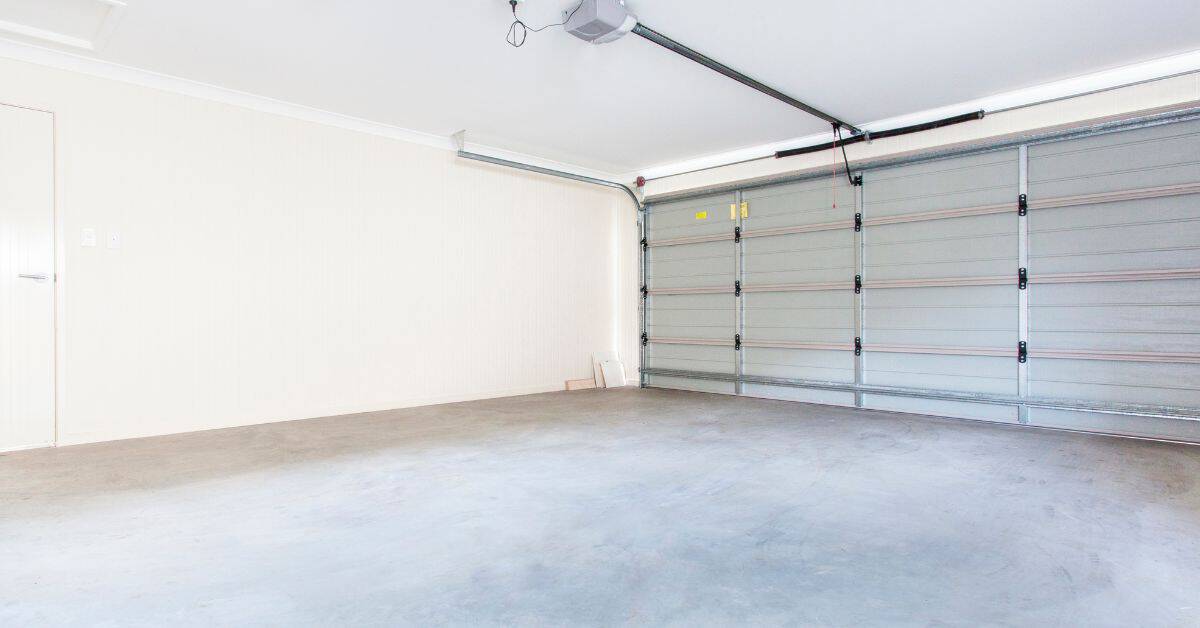
Empty residential garage with concrete floor and closed door
Prepare a clear and accessible site before concrete delivery

Visual checkpoints on arrival

When the truck arrives, perform quick exterior checks to verify the site is ready for pouring. Look for clear access, stable ground, and proper setup of forms and equipment. Confirm there are no hazards or obstructions that could delay or affect the pour.

These checks help you spot issues before concrete flows, reducing delays and costly rework. A quick visual sweep saves time on site and keeps everyone safe by ensuring access, level, and weather-wise setup are in place.

Inspecting the truck and equipment

Do a quick walk-around before tying into the pour. Look for signs the truck and gear are fit for the job.

  • Chute condition Check the chute is clean and free of heavy buildup. A smooth chute reduces blockages. If damaged, demand replacement or chute liner—rental liners run ~$50–$150.
  • Turning drum Ensure the drum turns smoothly and at the right speed. Proper rotation keeps mix consistency. Watch for noisy bearings; loud grinding means a problem.
  • Hydraulic controls Test the remote and truck controls briefly. Controls must respond without delay. If controls stick, pause the delivery until fixed.
  • Hopper seals Inspect seals and tailgate for leaks. No major leaks should be visible under the hopper. Small seepage is normal; puddles or heavy dripping is unacceptable.
  • Safety markings Look for reflective tape, handrails, and warning decals. These show routine maintenance and safety compliance. Missing marks can indicate a neglected truck.
  • Wheel condition Check tires for cuts, proper inflation, and lug nuts secure. Good tires are crucial for safe positioning. Flat or bald tires mean call dispatch—do not proceed.
  • Chute extensions Confirm extension pieces are present and lock correctly. Extensions help reach forms without unsafe positioning. Portable extensions rent for about $30–$80 if needed.
  • PPE on board Verify the truck carries basic PPE (gloves, goggles, ear protection). Drivers should offer or wear PPE during operation. If none present, provide your own to stay safe.

Driver identification and documentation

Ask to see the driver’s license and company ID. Confirm the name matches your delivery contact and the truck number on the order.

Request the delivery ticket and check the mix design, slump, strength class, and any admixtures listed. Verify the ticket matches the details you confirmed earlier—mix design, volume, and any special instructions.

Keep a copy of the ticket once the pour is complete. Sign only after you’ve confirmed the load matches the order and you’re satisfied with the truck condition.

Quick site walkthrough with driver

Walk the intended pour path with the driver before positioning the truck. Point out obstacles, soft ground, overhead lines, and the exact pour location.

Agree on where the truck will stop, where the chute will reach, and who will signal when to discharge. Use the walkthrough to confirm safety steps like wheel chocks, spotter placement, and traffic control if needed.

Keep the discussion brief but firm. Clarify roles: who watches the pump, who clears forms, and who stops the pour if something goes wrong.

Back to top ↑

Personal and crew safety precautions

Personal safety on site means wearing the right PPE and following safe placement rules during delivery and pouring. Wear eye protection, a hard hat, gloves, steel-toed boots, and a high-visibility vest as needed. Stand clear of hot surfaces and stay in designated zones to prevent accidents.

These precautions reduce the risk of burns, spills, and injuries when working with concrete or other materials. Following setup rules keeps the crew productive and helps prevent costly delays from incidents. Proper positioning also protects others nearby and ensures a clean, controlled pour.

Required PPE for homeowners and helpers

Wear sturdy, closed-toe safety boots with good tread — concrete is heavy and the truck ramps and mud get slick. If you only have one pair, make sure they keep out wet concrete.

Use heavy-duty gloves and safety glasses to protect hands and eyes from splash and abrasive material. A long-sleeve shirt and long pants reduce skin contact; consider neoprene or rubber gloves if you’ll handle concrete directly. A high-visibility vest or bright clothing helps the driver and crew see you around the truck.

Safe positioning and exclusion zones

Stand well clear of the truck’s rear and the chute path. Keep at least a truck-length distance behind the drum while it’s rotating and never stand directly downhill of the chute. If you must be near the pour, position yourself to the side where the driver and crew can see you.

Set up a clear exclusion zone with cones, rope, or tape and make sure everyone knows not to cross it during delivery and pouring. Only assigned crew should enter the area to guide placement or handle tools — all others stay outside until the crew calls it safe.

Emergency plan and first aid readiness

Keep a basic first-aid kit on site and a supply of clean water or saline for immediate flushing of concrete from skin or eyes. Know the location of the nearest phone and emergency numbers before the truck arrives.

Assign one person to monitor safety and call emergency services if needed. If a chemical burn or deep cut occurs, rinse immediately and seek professional medical help; document the incident and the delivery details for follow-up.

Back to top ↑

Pouring controls and handling practices

Control the pour by using proper chute positioning, steady pump flow, and careful placement to prevent spills and avoid structural damage. Keep hoses and fittings secured and monitor pressure during the pour. Slow, controlled movements reduce splash and shifting.

This matters on DIY sites where uneven ground or crowded equipment can magnify spills. Using practiced hand signals, level checks, and staggered pours helps protect nearby surfaces and prevent costly repairs. By following these practices, crews reduce cleanup time and maintain a safer work area.

Chute handling and supported placement

Keep the chute close to the placement and never let long sections hang unsupported. Long unsupported spans can twist, bounce, and drop concrete where you don’t want it.

Use available chute extensions only when they rest on a solid brace, helper’s shoulder, or a temporary support. If the distance or angle is awkward, stop and ask for a pump or additional helpers rather than stretching the chute.

Control the last foot of the chute with a helper to fine‑point placement and prevent sudden drops. Move slowly, communicate with the driver, and adjust supports as the truck tumbles forward so the chute stays stable.

Vibration, compaction, and segregation avoidance

Wrong vibration technique and overworking concrete cause problems. These are common mistakes to avoid.

  • Too much surface vibration — will push paste to the top and coarse aggregate down; use short, firm touches and move the vibrator steadily.
  • Incorrect vibrator spacing — openings left between probes create voids; keep probes 12–18 inches apart depending on slump and form size.
  • Holding vibrator on one spot — leads to segregation and honeycombing; insert, wait for air bubbles to stop, then pull out and move on.
  • Using the wrong vibrator — underpowered or floppy heads won’t consolidate; insist on a proper internal or surface vibrator sized for the job.
  • Overworking low‑slump mixes — excessive hand screeding or reworking causes separation; aim for correct mix and minimal rehandling.

Watch for excess water or mortar rising to the surface and areas with visible aggregate loss. Stop, reassess technique, and slow down the placement if segregation appears.

Controlling run-off and protecting landscaping

Direct concrete away from lawns, beds, and storm drains before you pour. A few simple barriers save plants and prevent fines from clogging drains.

Use plywood, sandbags, or temporary berms to channel spills into controlled collect areas. Lay down plastic or heavy cardboard on turf where people will walk to avoid tracking concrete across the yard.

Cover nearby plants with plastic sheeting and secure the edges so splatter can’t reach roots or leaves. If any concrete reaches soil, remove it immediately while still wet — don’t wait for it to harden.

Back to top ↑

Three ready-mix concrete trucks parked side by side
Visual reference for checking ready-mix concrete trucks before pouring

Weather and timing considerations

Temperature, rain, and wind can delay or speed up delivery timing. They also influence safe handling and equipment use. Plan around weather to avoid injuries and missed windows.

On dry, mild days you may get quicker, smoother deliveries. Wet or windy conditions demand extra caution and backup timing for sensitive loads.

Hot and cold weather precautions

In hot weather plan deliveries for early morning or late afternoon to avoid peak heat. High temperatures speed set time; you may need a cooler mix, retarder admixture, or extra water control to give crews workable time.

In freezing conditions keep materials and forms warm. Use heated water, insulated blankets, or enclose the pour area to protect fresh concrete from frost. Avoid pouring on ice or frozen subgrade.

Always have a curing strategy matched to the temperature: windbreaks and rapid finishing in heat, and accelerated curing or protection to prevent cold-weather cracking.

Rain, wind, and sudden changes

Postpone delivery if heavy rain is imminent or winds exceed safe limits for controlling chute and finishing operations. Light drizzle may be manageable, but steady rain washes cement and ruins finish quality.

For unexpected showers or gusts use temporary covers, tarps, and secure windbreaks to shield the pour and finishes. Stop work if protection can’t be installed quickly or if wind makes chute handling unsafe.

Communicate with the driver and crew immediately when conditions change so you can delay, protect, or reschedule before the truck discharges.

Scheduling for optimal placement and finish

Book delivery with a clear start-to-finish window. Finishing quality and safety depend on continuous operations — frequent stops lengthen set time and increase risks for cold joints and rushed finishing.

Match crew size to the pour size and time of day. Plan breaks, equipment staging, and traffic control so the crew can work steadily without crowding the chute or creating exclusion-zone hazards.

Confirm arrival time with dispatch and have contingency for delays. A well-timed pour reduces rework and keeps everyone safer on site.

Back to top ↑

Material specs, testing, and verification

You can verify concrete quality on site by simple checks and requesting standard tests from the supplier or contractor. Look for slump, air content, compressive strength tests, and temperature notes that are current and documented. These quick checks help confirm the concrete will perform as expected. For quick decision points, use the pre-delivery planning checklist below to guide what you ask and verify before placement.

  • Confirm exact mix design code and batch number match your order, and verify the delivery time is within the window you agreed to.
  • Ask for a current certificate of compliance or supplier test results (slump, air content, temperature, and any strength reports) and note how they compare to your specs.
  • Request a written note of maximum allowable water added at the plant and any on-site water additions, since this changes strength and curing.
  • Confirm the concrete temperature range at arrival and the time elapsed since batching to anticipate setting behavior.
  • Prepare on-site for testing and verification: arrange a basic slump test kit if you have one, a thermometer for load temperature, and a plan for documenting results.
  • Plan pour sequencing to avoid cold joints or long pauses that could affect workability and bonding with earlier lifts.

Doing these checks during your project helps prevent cracks, improper curing, and weak joints. Knowing what to ask keeps crews accountable and avoids costly rework. These checks are straightforward and help you achieve consistent results on DIY projects.

Reading and understanding the delivery ticket

First thing: ask for the delivery ticket before the truck leaves. Check the batch number, mix design code, slump, water added at plant, and delivery time. Those items tell you whether the concrete matches your spec and when it was mixed.

Compare the ticket slump and mix code with your order. A different mix design or a much higher slump than ordered can mean added water or a wrong mix. Note any on-site water additions on the ticket — that changes strength and setting.

Look at the temperature and arrival time. Hot mix that sat too long or cold mix that took ages to arrive can set differently. If anything on the ticket doesn’t match your contract or your inspector’s notes, stop and get clarification before you place it.

Basic on-site checks and slump testing

Do a quick visual check as the concrete comes off the chute: it should be uniform in color, free of excessive water on the surface, and not already stiff. Puddles of water on top (excess bleed) or a soupy appearance are red flags.

For a simple slump test use a standard cone if you have one: fill in three lifts, tamp each lift 25 times, lift the cone vertically and measure the slump. Compare that number to the ticket. A significantly higher slump usually means too much water; much lower means it may be too stiff to place easily.

Also feel the temperature of the load with a thermometer or by touch at the chute. Very hot or very cold concrete affects set time and strength. If slump or temperature are off, note it on the ticket and halt placement until the supplier responds.

When to request lab or supplier follow-up

Ask for supplier testing or a lab report if you see unexpected early set, excessive bleeding, segregation, or if cylinders/cubes are required for strength verification. These signs can indicate a wrong mix, added water, or poor batching control.

If in-place strength is critical — for footings, slabs with loads, or when acceptance depends on test cylinders — request the supplier provide cylinders at the time of pour and arrange for lab break testing. Also call for follow-up if the delivery ticket shows deviations from the ordered mix or if the truck driver admits to extra water addition.

Document everything: photos, ticket copies, slump results, and times. That record makes it easier to get corrective action from the supplier or to provide evidence if a lab investigation is needed.

Back to top ↑

Protecting property, utilities, and neighbors

Protecting property, utilities, and neighbors means planning barriers and clear paths before the delivery and pour. Set up protective measures for structures, drains, and vehicles, and keep adjacent properties out of the work zone.

This minimizes damage, avoids costly repairs, and reduces disruption for neighbors. Taking these precautions helps maintain good relations and keeps the work safe for everyone nearby.

Drainage and underground protection

Identify and cover any nearby storm drains and drop inlets before the truck arrives. Use rigid covers or heavy plywood and seal edges with sand or rags to stop wet concrete and wash water from entering the storm system.

Locate and mark underground utilities clearly so chutes and pumps avoid them. Keep all washout and disposal at least 50–100 feet from drains and downhill slopes; if in doubt, create a temporary bund or berm to contain spills.

Do not rely on natural soil to filter concrete contamination — plan a controlled washout area on impermeable sheeting and keep it supervised until material is hardened and removed.

Protecting finished surfaces and fixtures

Shield walkways, pavers, lawns, and steps with thick plywood or contractor mats where equipment and workers will tread. Lay sacrificial boards across delicate areas and tape seams to prevent fines and slurry tracking underneath.

Cover fixed fixtures like HVAC units, meters, and lighting with plastic or plywood and tie them down so wind doesn’t expose them. Remove loose items and cover drains on patios and garage floors to avoid staining.

Keep a small bucket of clean water and rags handy to spot-clean accidental splashes immediately — fresh concrete is far easier to remove than cured residue.

Communicating with neighbors and traffic control

Tell immediate neighbors the delivery date and expected truck movements. Ask them to move cars and plan brief driveway access restrictions to avoid surprises and conflicts during placement.

Use cones, temporary signage, or a person directing traffic for the truck and mixer maneuvers. If the street is narrow, coordinate with the supplier for a smaller truck or scheduled time to reduce disruption.

Be polite but firm: clear, early communication prevents complaints and keeps the pour on schedule. Leave a contact number so neighbors can reach you if an issue arises.

Back to top ↑

Post-pour inspection and documentation

Post-pour inspection focuses on verifying slab integrity and documenting immediate observations. Check for surface defects, proper curing, and levelness right after pour.

Keeping a clear record of temperature, moisture, formwork removal times, and any issues helps you prove safety and guide any needed fixes. These notes provide valuable reference for future projects, troubleshooting, and demonstrating due diligence on the jobsite.

Immediate visual check and curing start

Walk the pour edge-to-edge as soon as crew clears away. Look for obvious low spots, segregation, large voids, or standing water. Note any panels or edges that are out of level compared with adjacent reference points.

Begin curing measures right away to protect strength and surface quality. Cover with wet burlap, plastic sheeting, or apply a curing compound depending on product and weather. Record the method and start time for your documentation.

Photographing and noting discrepancies

Take wide and close photos with timestamps: whole slab, edges, any visible defects, and the delivery ticket. Photograph from multiple angles so defects and elevations are clear. Keep the camera or phone metadata intact for proof.

Write short notes to pair with each photo: location, time, who was present, and a one-line problem description if you see one. Store images and notes together in a folder or on your phone so they’re easy to find later.

Follow-up with supplier and corrective steps

If you find a quality or safety issue, call the batch supplier immediately and explain what you observed. Be concise: state the pour ID, delivery ticket number, and reference your photos and notes. Ask for their next available inspector or tech.

Agree on corrective actions in writing—re-supply, truck wash, edge repairs, or a lab test. Email a summary with attached photos and the timeline you recorded. Keep all replies and commitments to show the agreed remedy and deadline.

Back to top ↑

Black spiked roller with red handle on smooth concrete surface
Using the right tools ensures proper concrete finishing and safer application

Conclusion

Safety first and a solid finish go hand in hand. Do it right and you protect people, the job lasts, and you avoid costly fixes down the line.

Keep a simple, natural checklist in your head and follow it in order: confirm the delivery details and access, visually inspect the truck and labeling on arrival, put on PPE and set up basic pouring controls, check the weather window and timing, verify material specs and run quick field checks, protect the work area and nearby utilities and neighbors, then document everything after the pour. Do each step before you proceed and stop if anything looks off.

A couple of common mistakes to avoid are skipping pre-delivery instructions or weather checks, rushing the pour or skipping tests for consistency, and neglecting protection around edges, forms, and utilities. Don’t skip these rules: keep the site tidy, wear the right PPE, secure gaps and rebar, and verify there are no power lines or buried lines in your path. Always test a small area if you’re unsure and address any issues before the full pour.

If the mix seems off, you don’t have the right weather window, or you’re dealing with tricky utilities, call in a professional instead of pushing on. When in doubt, pause, reassess, and bring in a pro to avoid costly mistakes. Stay steady, stay safe, and you’ll end up with a solid slab and a job you can be proud of.

Back to top ↑

FAQ

What should I check on delivery tickets and batch numbers?

Always verify the batch numbers match what you ordered and the delivery ticket shows the correct mix. If anything looks off, don’t sign until it’s corrected. Missing or wrong data means risk of weak or unusable concrete.

How should I inspect cement trucks and the mix on arrival?

Watch the truck pour and the discharge flow. The color should be uniform and it should not separate or puddle. If you see lumps, dry patches, or excessive segregation, send it back.

What safety steps should I take before pumping or dumping?

Set up barriers and wear proper PPE. Have a clear path, know where to place the pump, and never stand in the path of the hose. Don’t rush the crew—concrete moves fast and accidents happen when you push it.

What signs of bad concrete or delivery issues should I reject?

Reject if there’s premature stiffening, cold joints, or inconsistent slump. If the mix is gray or dry in spots or you smell additives off, don’t pour with it. It’s not worth risking a cracked or weak slab.

Back to top ↑

More about this topic