
Introduction
A slab leak is water escaping from pipes beneath a concrete slab. These leaks can hide under floors and go unnoticed until you see higher bills or soft spots. In this guide we’ll talk about what causes them and how you can spot and test for one.
Common causes include soil movement, shifting foundations, and aging plumbing. Signs include unusual water bills, warm or damp spots on floors, and sounds of running water you can’t find. For tests and fixes, start with a visual check, use basic moisture tools if you have them, and consult the manufacturer instructions or local rules if you suspect a leak is under a slab.
Key takeaways
- Slab leaks involve water from hidden pipes under concrete slabs, not visible.
- Common causes include soil movement and aging pipes, leading to hidden wet spots.
- Detection combines visual checks, listening for sounds, and thermal imaging when available.
- Unexplained high water bills or warm floor patches warrant professional evaluation.
- Repair options vary; technicians choose based on pipe type, accessibility, and cost.
- Safety: shut off the main valve if a leak is suspected and avoid DIY fixes.
Table of Contents
- Introduction
- Key takeaways
- What Is a Slab Leak?
- Common Causes of Slab Leaks
- Early Warning Signs Homeowners Can Monitor
- Detailed Slab Leak Testing Methods
- Repair Options and How Technicians Choose Between Them
- Costs, Timelines, and Factors That Influence Price
- Risks, Consequences, and Impact on Property Value
- Prevention Tips and Maintenance to Reduce Risk
- Conclusion
- FAQ
What Is a Slab Leak?
A slab leak is a water leak occurring below or within the concrete foundation of a home. It differs from leaks in walls or fixtures because the moisture hides under the slab where visibility is limited. Typical indicators include hidden damp spots, warm floors, and rising water bills over time.
Supply and return lines often run under the slab, inside the slab, or just beneath it, which changes how the leak is detected and repaired. Common types include freshwater, hot-water, and sewer-line leaks, each with distinct symptoms and consequences. Pipe materials usually involved are copper, PEX, and PVC, and material choice affects how leaks are found and fixed.
Types of slab leaks (freshwater, hot-water, sewer)
Slab leaks can occur in freshwater, hot-water, or sewer lines. Each type has distinct symptoms and risks:
Freshwater leaks are the most common. You might notice a sudden spike in your water bill, or see moisture under carpets or baseboards. Since there’s no heat involved, you won’t feel warm spots.
Hot-water leaks can cause warm spots on your floor. This is because hot water pipes run close to the surface of the slab. These leaks also waste energy and increase your heating bill.
Sewer-line leaks are the most dangerous. They create foul odors, attract pests, and pose health risks due to sewage backup. You might notice slow drains or water backing up into your home.
How slab plumbing is installed beneath slabs
Plumbing under a concrete slab can be installed in several ways, affecting detectability and repair:
In embedded systems, pipes are cast into the concrete itself. This makes leaks hard to detect until they cause significant damage or moisture appears on the surface.
With sleeved systems, pipes run through sleeves (hollow tubes) within the slab. Leaks here can be easier to pinpoint as they often cause localized cracking or lifting of the slab.
In under-duct installations, pipes run beneath the slab but aren’t encased in it. This makes leaks easiest to detect and repair, as you can access the pipes without breaking through the concrete.
Common Causes of Slab Leaks
Corrosion and aging of pipe material, especially in older installations, contribute to pinhole leaks and thinning under constant pressure. Soil movement and clay soils can stress slabs and joints, leading to cracks and line breaks. Improper installation practices also create weak points that fail over time.
Water chemistry and pressure, including high mineral content or fluctuating pressure, accelerate deterioration and joint failures. Tree roots and landscaping can invade slab edges or beneath the slab, displacing pipes. Temperature cycles and frost expand and contract pipes, while recent foundation work can introduce new stresses or damage to lines.
Environmental and soil-related causes
Soil conditions play a significant role in slab leaks. Expansive clay soils can shift and swell with moisture changes, putting stress on your slab and pipes.
Groundwater changes can also cause issues. When the water table rises, it increases hydrostatic pressure on your pipes, potentially leading to leaks. Conversely, when the water table drops, it can cause the soil to shrink and pull away from the slab, leaving pipes unsupported.
Local climate effects like freezing-thaw cycles can also wreak havoc. Freezing temperatures cause the soil to expand, putting pressure on your slab and pipes. When the temperature rises again, the soil contracts, potentially causing cracks or separations.
Material, installation, and system factors
The materials used in your plumbing system and their installation can greatly impact its lifespan and susceptibility to leaks. Poor material choices or improper installation can lead to early failures.
- Pipe Material: Galvanized steel pipes are prone to corrosion and pinhole leaks over time. Copper alloys can also corrode if not properly installed or maintained.
- Bedding: Insufficient or improper pipe bedding can cause the pipe to shift and move, leading to cracks or separations at joints.
- Concrete Contact: Pipes in direct contact with concrete are more likely to corrode due to the alkaline nature of concrete. Ensure pipes have a protective layer between them and the concrete.
- Installation Depth: Pipes installed too shallow can be easily damaged by ground shifts or frost heaving. They should be buried at least 18 inches deep in most climates.
- Water Pressure: High water pressure can cause pipes to leak at joints or connections. Ensure your system’s pressure is within acceptable limits.
Early Warning Signs Homeowners Can Monitor
Early signs matter because catching a leak early helps prevent extensive damage and costly repairs. Monitoring helps distinguish leaks from other issues and guides timely action. Keeping an eye on your home’s water use matters for long-term awareness.
The primary indicators include unexplained water bill spikes, sounds of running water with fixtures off, warm spots on floors, suddenly low water pressure, and musty odors or higher humidity. For verification, use a meter reading over time and listen at walls or floors for noises. Temperature checks with a standard thermometer or a smartphone tool can help identify warm areas.
How to use your water bill and meter for detection
Your water bill and meter are powerful tools for detecting slab leaks early. Here’s how to use them:
Track usage: Keep records of your daily water usage. If you notice unexplained spikes, it could indicate a leak.
Run a meter test: Shut off all water sources in your home. Go check your water meter. If the leak indicator is moving, you have a leak somewhere. If it’s near your foundation, suspect a slab leak.
Compare patterns: If your leaks are consistent and happen mostly when no fixtures are in use, that points to a slab leak. Other leaks might vary more.
Auditory, thermal, and visual checks (sounds, warm spots, moisture)
Conduct these simple checks to find signs of slab leaks:
Nighttime listening: Turn off all water sources at night. If you still hear running water, there might be a leak under your slab.
Thermal imaging basics: Use an infrared thermometer or a smartphone app to scan your floors for warm spots. Hot spots could indicate a hot-water line leak under the slab.
Visual checks: Look for wet patches, soggy carpets, or pooling water near your foundation. These can all be signs of a slab leak.
Detailed Slab Leak Testing Methods
Testing should start with non-destructive methods to map activity, then move to semi-invasive tests if needed. Reserve invasive steps for pinpointing a confirmed location while minimizing damage. This staged approach helps protect the home and schedule.
Non-destructive tests include electronic listening devices and acoustic correlators for known running-water scenarios, thermal imaging for temperature anomalies, and moisture meters to locate damp spots without drilling. Semi-invasive options include hydrostatic pressure testing, video sewer inspection, and tracer gas testing when location remains elusive.
What to expect from a professional leak detection visit
A pro will start by asking about your home’s plumbing and any signs you’ve noticed. They’ll then perform non-destructive tests first, like listening devices or thermal imaging.
Expect the process to take: 2-4 hours for a thorough job. The time can vary based on your home’s size and complexity.
The pro should provide a detailed report outlining their findings. This might include leak locations, severity, and recommended repair methods. They’ll also explain any next steps clearly.
DIY tools and visual checkpoints for homeowners
Before calling a pro, use this checklist to confirm if you have a slab leak. These tools are inexpensive and can help you pinpoint the issue.
- Moisture meter: Check for damp spots on your floor. A reading above 15% indicates moisture.
- Infrared thermometer: Scan for temperature anomalies. Leaks often cause hot or cold spots.
- Water meter: Read it before and after a two-hour period with no water use. If the dial moves, you may have a leak.
- Listen carefully: Place your ear on the floor to hear running water when nothing is in use.
- Check for cracks or gaps: In your foundation, walls, or around plumbing fixtures. These can indicate leaks.
- Inspect water heater and pipes: Look for corrosion, rust, or water around these areas.
- Monitor your water bill: A sudden increase could signal a leak.
- Examine your home’s layout: Understand where plumbing lines run to help pinpoint potential leaks.
Quick rule: If you find any signs of a leak, or if your DIY efforts don’t provide clear answers, call a professional immediately.
Repair Options and How Technicians Choose Between Them
The four main repair options are spot concrete cut-and-repair, pipe rerouting with PEX, pipe lining (no-dig or cured-in-place), and full pipe replacement under the slab. Each method has typical use cases, expected longevity, and limitations that influence choice. Technicians weigh practicality and impact on living space when recommending a path.
Decision criteria include the location of leaks, pipe material, the number of leaks, pipe accessibility, and foundation integrity. They also consider precise leak size, pressure test results, and whether movement or settlement is present. Expected cost, duration, disruption, and warranty are part of the evaluation too.
Typical repair steps and site protection practices
When repairing slab leaks, technicians follow a systematic approach to minimize damage and ensure safety. Here’s what you can expect:
Safety first: Technicians start by shutting off the water main and isolating the affected circuit to prevent any accidents.
They’ll protect your floors and landscaping using drop cloths, tarps, or even cardboard to catch debris and prevent damage. For outdoor repairs, they may use wheelbarrows or dollies to move equipment safely.
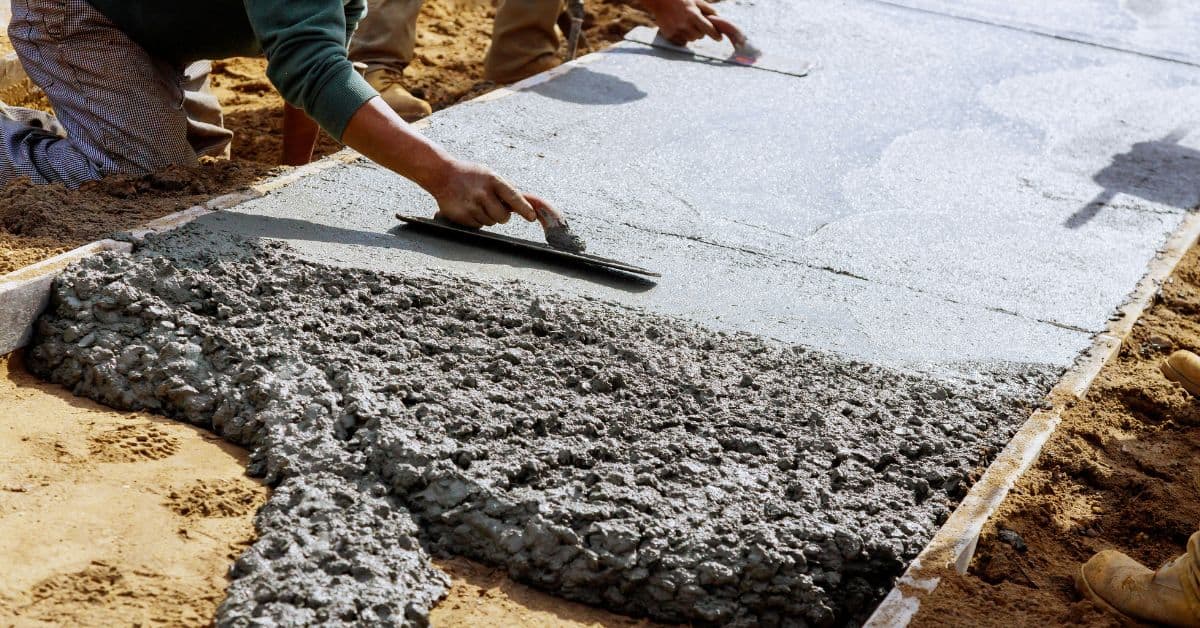
Accessing the leak: Once protected, technicians cut into the concrete or slab to expose the pipe at the leak location. They use saws with diamond blades for clean cuts that minimize dust and damage.
Long-term outcomes: when repiping or rerouting is preferable
In some cases, a full repipe or rerouting of pipes may be the best long-term solution. Here are signs that this might be recommended:
Widespread corrosion: If your pipes have extensive corrosion, it’s often more cost-effective to replace the entire system rather than performing multiple spot repairs.
Multiple leaks: When there are numerous leaks throughout the system, a full repipe can prevent future issues and save you money in the long run. It also allows technicians to upgrade your plumbing to newer, more efficient materials like PEX.
Very old system: If your home has an older plumbing system, it might be wise to consider a full repipe. Older pipes are more prone to leaks and failures, and replacing them can increase your home’s value and prevent future disasters.
Costs, Timelines, and Factors That Influence Price
Primary cost drivers inc