
Introduction
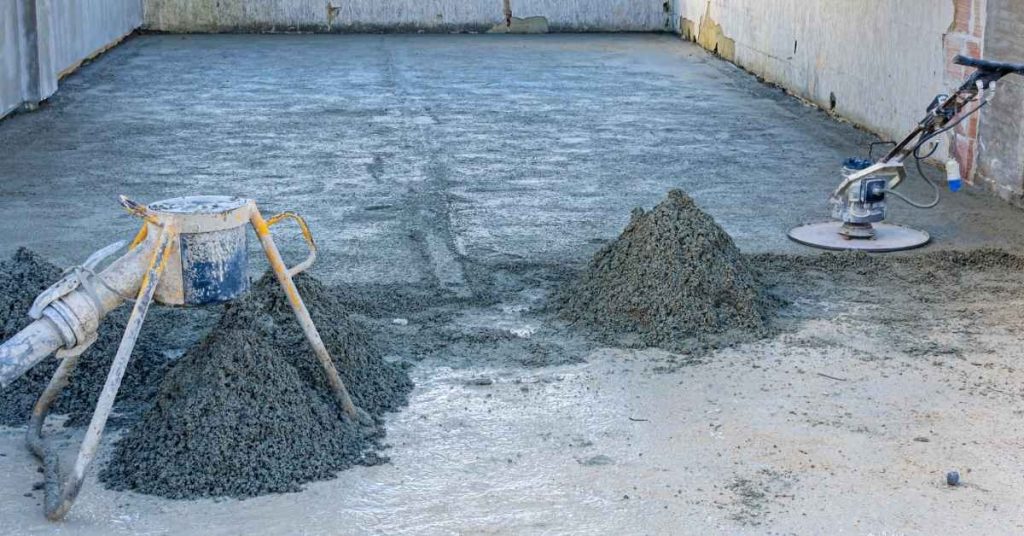
Pouring footings in wet soil means you must stabilize the site first, remove water, and control mud before concrete.
Assess drainage, stick to a plan for pumping, and set up barriers to keep mud from spreading. If conditions aren’t right, it’s safer to wait and check local guidance. Set up proper forms and ensure the area is kept clean and dry during the pour. Keep an eye on weather, avoid pouring in ongoing rain, and be ready to pause if the soil slicks up or water returns. Always double-check product labels, manufacturer instructions, and any local rules before proceeding.
Key takeaways
- Check local codes and manufacturer guidance before pouring on wet or unstable soil.
- Assess drainage, groundwater, and rainfall forecasts to decide if postponement is wise.
- Dewatering plans should include pump placement, discharge path, backup power, and safety alerts.
- Use mud control measures and erosion barriers to protect footing trenches.
- Verify formwork, rebar, and inspections meet project specs before concrete.
- Document any deviations and consult qualified supervision if conditions change.
Table of Contents
- Introduction
- Key takeaways
- Why Wet Soil Matters for Footing Performance
- Assessing Site Conditions Before You Pour
- Decision Rules: When to Delay Pouring
- Dewatering and Pumping Strategies for Excavations
- Mud Control and Erosion Prevention Best Practices
- Tools and Materials Checklist for Wet-Soil Pours
- Adjusting Concrete Mix and Placement for Wet Conditions
- Formwork, Reinforcement, Inspection, and Visual Checkpoints
- Conclusion
- FAQ
Why Wet Soil Matters for Footing Performance
Wet soils can reduce the soil’s bearing capacity, which affects how well footings transfer loads. It also makes concrete placement more challenging, from slump behavior to formwork stability. Long-term durability is at stake when sustained moisture weakens soils or causes differential settlement.
Saturated ground can lead to common foundation risks such as uneven support, increased settlement, and potential cracking if water migrates around the footing. These issues are more likely if drainage is poor or if fill soils were not compacted adequately.
How water interacts with soil and concrete
Wet soil has less strength. Water fills the spaces between particles, increasing pore water pressure. This reduces the soil’s ability to support your footing.
Water also affects concrete placement. It can promote segregation, where heavier aggregates sink and lighter cement paste rises. Or it can cause washout, where water dilutes the cement, reducing strength.
Key takeaway: Excess water weakens both soil support and concrete strength at the interface.
Typical failure modes to watch for
Wet soil can cause sloughing, where soil washes away from under your footing. This leaves a void that undermines your foundation.
Reduced concrete strength at the interface is another risk. Water weakens the bond between soil and concrete, making your footing less stable.
Increased settlement is also possible. Wet soil compresses more easily, leading to settling of your foundation over time.
Assessing Site Conditions Before You Pour
Check recent weather patterns and current conditions for standing water or seepage around the excavation. Look for soft edges, caved soil, or muddy pockets that suggest ongoing moisture intrusion. Note soil type and any visible signs of poor drainage.
If available, review geotechnical information or soil reports from the project. Document any observed moisture trends and plan adjustments accordingly. Use this information to decide whether conditions are acceptable for pouring or if postponement is wiser.
Simple field checks and indicators
Before you start, grab a probe/auger to dig into the soil. You’re looking for signs of wetness or instability.
Soft or pumpable soils are red flags. Mark out where you find standing water – it’s a map of trouble spots.
Check for any obvious signs of seepage too. If the soil seems okay, but recent weather was heavy, wait a few days to see if more water appears.
When to engage a geotechnical engineer or inspector
A high water table, significant seepage, or unusual soils – these are signs you need professional help.
Don’t guess. If you’re unsure about the soil’s stability, call in an engineer or inspector. They’ll test the soil, assess the site, and give you written guidance.
It might cost a bit, but it’s worth it to avoid costly mistakes later on. Better safe than sorry, right?
Decision Rules: When to Delay Pouring
Create a simple decision framework based on water control. If you observe active seepage that you cannot stop, consider delaying the pour. If a reliable forecast promises heavy rain, postpone until conditions improve.
Also factor in inspector or engineer advisories and the overall risk of washout or instability. Weigh the cost of waiting against the potential damage or rework from pouring in poor conditions.
Interpreting weather and site-drying timelines
Before you decide to wait, check the short-term forecast. You’re looking for a dry spell long enough for your site to dry out.
Remember, concrete needs a week or more to cure properly. So, if rain’s predicted within that timeframe, it might be best to wait.
Be conservative with your drying estimates. It can take longer than you think for waterlogged soil to dry out. Don’t rush into pouring if conditions aren’t right.
Permit, inspection, and contract considerations
Before you decide to postpone, make sure it won’t cause issues with your permits, inspections, or contracts.
- Check permit expiration: If your permit’s about to expire, waiting might not be an option.
- Inspection schedule: Reschedule any upcoming inspections if you plan to wait.
- Contract obligations: Review your contract. Some contractors may charge for delays or have strict timelines.
- Notify all parties: Keep everyone in the loop – your contractor, inspector, and anyone else involved.
- Re-inspection fees: If you’ve already passed an inspection, waiting might mean paying for another one later.
- Material storage: If materials are on-site, ensure they’re protected from the elements during any delay.
- Subcontractor schedules: Delays can disrupt other subcontractors’ work. Communicate openly to avoid conflicts.
- Quick rule: Always consult your contract and local regulations before making decisions that could cause delays or additional costs.
Dewatering and Pumping Strategies for Excavations
Explain common approaches such as setting up sumps and portable pumps to remove water. Submersible pumps and portable basins are often used for localized wet spots.
Wellpoint systems and staged pumping can be practical when groundwater is persistent. Choose the method that matches the water source, soil type, and depth of the excavation, and verify compatibility with local rules.
Sump and Portable Pump Setups
For shallow, localized water control, sumps and portable pumps are your go-to. Here’s how to use them right:
Placement: Place the sump at the lowest point of your excavation. Position the pump so it can drain the sump efficiently.
Monitoring: Keep an eye on water levels every few hours. When the sump’s half full, start the pump to keep up with incoming water.
Limitations: These setups work best in small areas and shallow excavations. They won’t handle large volumes or deep water effectively.
Larger-Scale Systems (Wellpoints and Submersibles)
When you’ve got a big job, consider wellpoint systems or submersible pumps. They’re powerful but need careful setup:
Wellpoints: These are ideal for deep excavations. Install them around your site, connected to a common header pipe. A pump at the end of the header draws water out.
Submersibles: For very deep or large-scale projects, use submersible pumps. They sit directly in the excavation, drawing water up and out. Both systems need regular monitoring and maintenance by qualified personnel.
Sequencing and Staged Pumping Tactics
Pumping can destabilize adjacent areas if not done right. Here’s how to manage it:
Sequence: Start pumping at the lowest point of your excavation, working upwards. This helps prevent water from flowing back in.
Staged pumping: For large excavations, divide the area into sections. Pump each section dry before moving on to the next. This minimizes sediment transport and keeps your site stable.
Mud Control and Erosion Prevention Best Practices
Use filter fabrics and silt fencing to reduce sediment washing toward fresh concrete. Establish settling basins or detention areas to capture sediment before water enters the pour zone.
Control access to the excavation and keep the work area organized to minimize mud tracked into the forms. Plan for equipment washing and material staging to limit erosion around the site.
Surface Runoff Interception and Sediment Traps
When working on wet sites, it’s crucial to intercept surface runoff before it reaches your pour area. This helps prevent excess water and sediment from contaminating your concrete mix.
Design a temporary settling area downslope of the pour site. This can be a simple depression or a lined pit. The key is to create a low point where water will collect naturally.
Install inlet controls at the entrance of this settling area. A simple sediment barrier, like a silt fence or a straw wattle, can do the trick. This helps trap fines and keep them from flowing into your settling pond.
Regularly inspect and maintain these systems. Remove any accumulated sediment and ensure inlet controls are functioning properly.
Access Stabilization and Traffic Management
Controlling access to your site is vital for preventing mud tracking and site contamination. Start by planning vehicle routes carefully. Keep them away from sensitive areas, especially when it’s wet.
Use rock pads or geotextile underlayment on high-traffic areas. These help stabilize the ground and prevent mud from being tracked around the site.
Set up wheel-wash stations at entry and exit points. This helps remove excess mud from vehicle tires, reducing the amount of sediment they carry onto the site.
Limit access to essential personnel only. Clearly mark out restricted areas and enforce these rules to keep your site clean and safe.
Tools and Materials Checklist for Wet-Soil Pours
Assemble pumping equipment, hoses, and portable power sources to handle moisture. Gather mud-control supplies such as silt barriers, fabric, and fencing for perimeter protection.
Include concrete placement aids, like vibrators and shims, and testing tools to verify temperature, slump, and early strength as required by local guidance or supplier instructions.
Pumping and dewatering equipment essentials
Before you start pumping concrete in wet soil, ensure you have the right gear to manage water and maintain a safe work environment.
- Portable pumps: Gasoline or electric, with enough capacity for your pour. Check they’re in good working order.
- Hoses: Sufficient length and diameter for your setup. Inspect for leaks or damage.
- Fittings: Elbows, tees, and couplings to connect hoses and adapt to different pipe sizes.
- Temporary power: Generators or extension cords if needed. Ensure they’re weatherproof and safe for use.
- Sump basins: To collect water before pumping. Make sure they’re large enough and properly installed.
- Piping: Schedule 40 PVC or HDPE pipe, with proper support to prevent collapse under pressure.
- Valves: Ball valves for controlling flow. Check they operate smoothly.
- Hose reels: To keep hoses organized and prevent tripping hazards.
Quick rule: Always have a backup pump and hose on site in case of failure during the pour.
Mud-control and sediment-management supplies
Controlling mud and sediment is crucial to prevent pollution, maintain access, and keep your site safe. Here’s what you need:
- Geotextile fabric: To filter water while retaining soil. Check roll sizes match your needs.
- Silt fence: Temporary erosion control barriers. Ensure they’re properly installed and anchored.
- Straw wattles: Erosion control logs filled with straw. Confirm they’re long enough for your site.
- Rock pads: To protect sensitive areas from damage by heavy equipment. Check rock size is suitable.
- Shovels and picks: For installing and maintaining controls. Ensure tools are in good condition.
- Post drivers: To install silt fence posts. Check they’re sturdy and safe to use.
- Signage: Warning signs for sediment control areas. Make sure they’re visible and clear.
Quick rule: Regularly inspect and maintain your mud-control measures to ensure they remain effective.
Concrete placement and testing gear
Having the right tools for concrete placement and testing ensures a strong, durable footing. Here’s what you need:
- Chute or tremie: For placing concrete underwater. Check they’re in good condition and the right size.
- Buckets: For lifting and placing concrete. Ensure they’re sturdy and have proper slings.
- Consolidation tools: Vibrators or poker vibes to remove air pockets. Check they work properly.
- Curing materials: Membranes, blankets, or sprays to maintain moisture during curing. Ensure they’re suitable for your climate.
- Air and slump tests: Basic testing supplies to check concrete quality on site. Confirm you have trained personnel to perform tests.
- Lab testing arrangements: Pre-arrange with a lab for compressive strength testing. Ensure samples are properly transported and preserved.
- Tape measures and levels: To ensure footings are the correct size and level.
Quick rule: Always test concrete at the start, middle, and end of each pour to ensure consistency.
Adjusting Concrete Mix and Placement for Wet Conditions
Discuss non-prescriptive strategies with concrete suppliers and engineers to manage slump and workability in damp soil. Consider appropriate admixtures or additives as recommended by the manufacturer or local codes.
Protect fresh concrete from washout and maintain placement continuity by planning pour sequences, forming, and curing procedures aligned with site moisture levels. Rely on documented guidance rather than guesswork when conditions are uncertain.
Role of admixtures and supplier coordination
When working with wet soil, you might need to adjust your concrete mix. But don’t go it alone. Consult your concrete supplier first. They know their product best.
Admixtures can help control slump and improve set time. Some even boost strength in wet conditions. But they’re not one-size-fits-all. Your engineer should be involved too. They’ll ensure the mix meets code and performs as expected.
Remember, changes to the mix might affect the concrete’s performance. So, always test your adjusted mix before pouring.
Placement techniques to minimize segregation and washout
Wet soil can cause concrete to segregate – that’s when the aggregates separate from the cement paste. This weakens your footing. To prevent it, maintain continuous placement. Don’t let the concrete sit in the forms too long.
Lower drop heights also help. The less the concrete has to fall, the less it can segregate. Use bottom-discharge methods where you can. This gets the concrete into the forms gently.
Protect your fresh concrete from flowing water. Water can wash out cement, leaving you with weak footings. Cover the forms if needed. Keep water away from the pour site.
Formwork, Reinforcement, Inspection, and Visual Checkpoints
Address hydrostatic pressure concerns by bracing formwork and keeping form surfaces clean for proper assembly. Ensure reinforcement is supported, covered, and free of mud contamination before pour.
Document pre-pour conditions with notes and photos to satisfy inspection needs. Use these visuals to confirm that formwork and rebar are in the required position and condition for the pour.
Form integrity and seepage control
Before pouring, ensure your forms are watertight to prevent washout. Use this checklist in wet excavations.
- Seal form joints: Check all vertical and horizontal joints for gaps. Fill with foam or rubber sealant to prevent water entry.
- Brace forms: Ensure forms are properly braced against hydrostatic pressure. Add temporary bracing if needed.
- Diversion: Temporarily divert surface runoff away from the excavation to reduce water entering forms.
- Check form base: Ensure the form base is level and well-compacted to prevent seepage.
- Form ties: Inspect form ties. Tighten if loose, replace if damaged.
- Water test: Before pouring, perform a water test. Fill forms with water, check for leaks.
- Sump pump: If water table is high, install a sump pump to remove water from the excavation.
- Debris removal: Remove any debris or obstructions that could cause leaks or weak spots in forms.
Quick rule: Regularly inspect and maintain form integrity. Water can quickly undermine your pour.
Reinforcement placement and cleanliness checks
Before pouring, ensure rebar is properly placed and clean to maximize bond with concrete. Use this checklist in wet excavations.
- Rebar spacing: Check that rebar is spaced correctly according to your plans. Use spacers or chairs to maintain proper cover.
- Rebar alignment: Ensure rebar is aligned properly and follows the form’s shape.
- Cleanliness: Remove all mud, silt, and debris from rebar surfaces. Dirty rebar reduces bond strength.
- Cover inspection: Check that rebar has the required cover (distance from the outer edge of the form to the rebar).
- Rebar ties: Inspect rebar ties. Tighten if loose, replace if damaged or missing.
- Splices and cuts: Ensure all splices and cuts are made according to specifications. Check for proper lap lengths.
- Concrete contact: Verify that every piece of rebar will be in direct contact with concrete, not just mud or water.
- Rebar ends: Ensure all rebar ends are properly supported and won’t move during pouring.
Quick rule: Clean, well-placed rebar is key to strong, durable concrete. Don’t skip these checks.
Conclusion
Pouring footings in wet soil is risky, but with solid checks and careful steps you can get a durable, clean result. The goal is safety, stability, and a good looking job that won’t crack or shift later.
Run through this practical checkout in order: confirm site conditions and water control are understood, verify the dewatering plan and pump setup, ensure mud control and erosion measures are in place, verify tools and materials match the revised plan, adjust the concrete mix and placement for the damp environment, and double-check formwork, reinforcement, inspection points, and visual cues before you pour.
Common mistakes to avoid are rushing a pour with standing water or soft soil, skipping a small test patch or field mix check, and ignoring warning signs like rising seepage, crumbling mud, or uneven formwork. Always err on the side of delaying if conditions aren’t solid, wear your PPE, keep escape routes clear, and don’t overwork fresh concrete. If you’re unsure about soil stability, backfill, or dewatering effectiveness, don’t push ahead; call in a professional and get a second pair of experienced eyes on the plan. Stay disciplined, finish strong, and you’ll save time, money, and future headaches.”
FAQ
How do I know if I should wait even if the trench is pumped and you can see water?
If water keeps seeping in from surrounding soil after dewatering, or the ground remains soft and yields under foot, pause. Check the site conditions again in daylight and re-check weather forecasts. Follow manufacturer instructions for any pumping equipment you’re using and local rules if applicable.
What signs tell me the soil is too soft to support footing forms?
Look for visible sinking or churned soil around the trench, and any persistent mud sticking to you or tools. If you push with a level or rod and it sinks or wobbles, don’t pour. Reassess compaction options and wait for firmer conditions before proceeding.
How can I protect forms and reinforcement if pumping continues?
Keep forms clean and well-braced; dewatering can cause form movement. Tie rebar properly and secure supports so they don’t shift if soil settles. If you can’t maintain stable forms and reinforcement, stop and reassess.
What should I do about mud, drag-out, or surface slickness around the pour?
Control runoff and keep the work area dry enough for setup. Remove excess mud from the footing edge and keep access paths clear. If mud starts to creep into the footing, delayPouring until the surface is stable again.