
Introduction
Soupy mortar mix is mortar that has too much water or too little aggregate, making it runny and hard to hold its shape. It often shows up when the ratio isn’t balanced, or conditions push the mix to loosen up. In DIY work, it’s a signal that you need to pause and re-balance the batch before you lay a single joint.
Tests to identify a soupy mix include checking how the mortar holds on a trowel or how it sticks to a finger when pressed lightly, and whether it slips off the vertical surface before it sets. To fix it, add dry mortar mix or clean aggregate gradually and mix thoroughly until it regains stiffness, avoiding constant water addition. Prevention is built into the habit of batching smaller amounts, measuring water carefully, and blending fully until the mortar feels workable but not runny.
Key takeaways
- Soupy mortar signals excess water, improper mix, or delayed ingredient addition.
- Do quick on-site tests: adjust with squeegee test and stiffness observation.
- Before application, reclaim consistency by remixing with minimal water and thorough mixing.
- If still soupy after remix, postpone use and source fresh batch with guidance.
- Protect joints and formwork; soupy mix risks slump, weak bond, and failures.
- Implement a QC checklist: soil-free aggregate, consistent slump, and proper water management.
Table of Contents
- Introduction
- Key takeaways
- What “Soupy” Mortar Mix Means and Why It Matters
- Common Causes of Soupy/Runny Mortar
- Quick Tests to Assess Mortar Consistency Onsite
- Immediate Fixes for a Soupy Batch (Before Application)
- Fixing Mortar After It Has Been Applied
- Preventing Soupy Mortar in Future Mixes
- Tools, Materials Checklist and Quality Specs to Control Consistency
- Safety, Cost and Project Planning Implications
- Conclusion
- FAQ
What “Soupy” Mortar Mix Means and Why It Matters
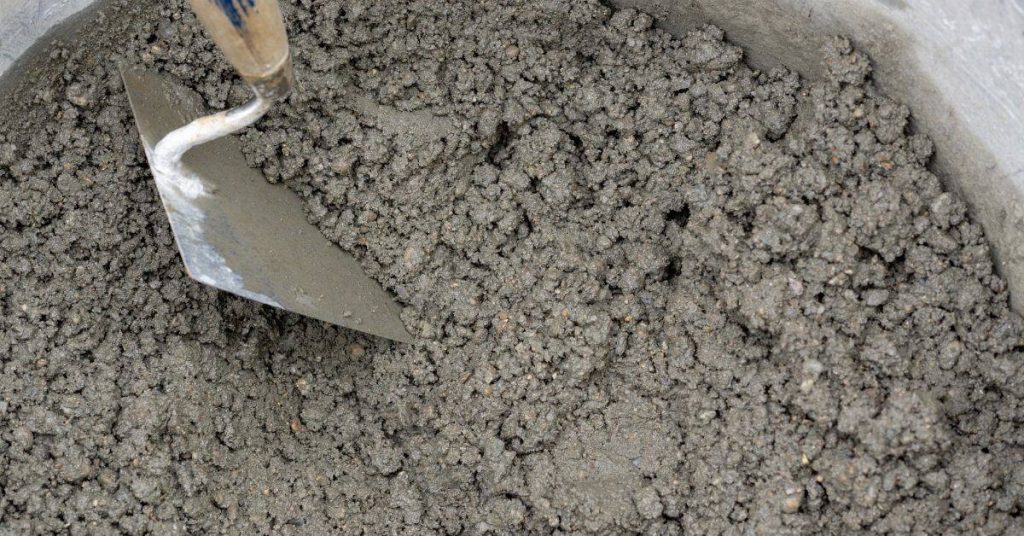
Soupy mortar is a mix that looks and feels overly wet or slack, with water clearly separating from the solid components. It is not the same as a workable yet stable batch, which should hold its shape and still be workable in the joint. This intro explains how to recognize soupy mix cues and why short-term performance and long-term durability can suffer.
Root causes include mismeasured cement-to-sand ratios, added water or slump additives, inadequate mixing time, and moisture in the substrate. Lime content or certain admixtures can shift flow and cohesiveness. The section also covers quick on-site checks and practical fixes to prevent recurrence and protect bond quality and appearance over time.
Visual and Tactile Signs to Watch For
Soupy mortar is easy to spot. Look for these telltale signs:
Slump: Mortar should hold its shape when scooped onto a trowel. If it slumps or spreads out like pudding, it’s too wet.
Sagging: Check vertical joints. Soupy mortar will sag and slide down, leaving gaps at the top of the joint.
Sheen: Overly wet mortar has a watery sheen to it. If it looks like there’s too much water on the surface, there probably is.
Structural and Durability Consequences
Excessive water in mortar weakens your work. Here’s how:
Reduced Bond Strength: Too much water dilutes the cement, reducing its ability to bond with bricks or blocks.
Increased Shrinkage and Cracking Risk: As the mortar dries, it shrinks. With too much water, this shrinkage is exaggerated, increasing the risk of cracks.
Shortened Lifespan: Excessive water can lead to premature deterioration of your masonry work, shortening its lifespan.
Common Causes of Soupy/Runny Mortar
This section breaks down why batches become soupy beyond just fixing the problem. You’ll learn to diagnose moisture balance and recognize when water content, aggregate moisture, or mismeasured ratios are at play. Simple checks give you a practical feel for the batch without complex testing.
We’ll look at how sand gradation, cement or lime content, and batch timing influence workability. The guidance focuses on tangible signs, like visual cues and hand tests, to help you pinpoint the dominant factor before you start adjusting. Use this to plan corrective steps that stick and don’t invite rework.
Incorrect ingredient proportions and mix design
The heart of a good mortar lies in its mix. A soupy mix often stems from wrong cement:sand:lime ratios or using the wrong type of mortar.
Check your product labels and technical data sheets for the right ratios. For common mortars, aim for:
Cement: 1 part
Sand: 3-4 parts (by volume)
Lime: Optional, but if used, around 0.5 part
Excess water and environmental influences
A soupy mix often means too much water. But it’s not just about what you add; sand can absorb water, and weather conditions can affect your mix.
Overwatering: Add water in small increments. A little goes a long way.
Saturated Sand: Check your sand before mixing. If it feels damp, let it dry or add less water to compensate.
Temperature & Humidity: Hot, humid conditions can cause batch separation. Work quickly and cover your mix when not in use.
Material contamination and admixtures
The quality of your materials greatly impacts your mortar’s strength and workability.
- Contaminated Sand: Dirty or clayey sand can weaken your mix. Sift your sand before use to remove impurities.
- Old/Compromised Cement: Old cement loses its potency over time. Use fresh, unopened bags for best results.
- Admixtures: These can improve workability or accelerate setting but can also destabilize your mix if not used correctly. Follow the manufacturer’s instructions carefully.
Quick Tests to Assess Mortar Consistency Onsite
These quick checks help you judge acceptability before you apply the batch. Look for uniform color, no clumps, and a cohesive texture that doesn’t sag excessively. The goal is to spot a batch that is too wet or too stiff early in the process.
The hand-squeeze, ribbon, and light slump tests give immediate feedback. You’ll also note surface skinning or separation as cues to adjust before proceeding. Keep a simple corrective plan ready for minor adjustments only.
Simple visual/touch checks with tools you have
Before applying mortar, perform these quick checks using basic tools to ensure it’s not too soupy.
- Margin Trowel Test: Spread a thin layer on the trowel. Good mix should hold its shape without sagging excessively. Too soupy? Add cement or sand.
- Trowel-Hold Test: Hold the trowel vertically for 15 seconds. Mortar shouldn’t slide off too quickly. If it does, stiffen with cement or reduce water.
- Color Check: Uniform color indicates proper mixing. Separated components? Remix and check again.
- Texture Feel: Run fingers through the mix. It should feel cohesive and sticky, not overly wet or dry.
- Clump Check: No clumps means aggregates are well distributed. Find any? Break them up and remix.
DIY consistency tests (thumbprint, angle test, catch-pan)
These simple, no-tool-needed tests help assess mortar consistency on the spot.
Thumbprint Test: Press your thumb into the mix. A good mix will hold its shape briefly before filling in. Too soupy? Stiffen with cement or reduce water.
Angle Test: Place some mortar on a flat surface, then tilt at a 45-degree angle. It should flow smoothly but not run off too quickly. Adjust as needed.
Catch-Pan Test: Pour a small amount into a pan. If it spreads out evenly and holds its shape without excessive bleeding or sagging, it’s likely good to go. Make adjustments if necessary.
When to order lab or standardized tests
For large jobs or structural applications, consider escalating to professional lab tests for peace of mind and compliance with building codes.
Flow Table Test: This measures mortar flow consistency. Order when working on major projects or where precise consistency is crucial. Expect around $50-$100 per test.
Compressive Strength Test: Assesses mortar’s strength under pressure. Ideal for structural work and ensuring longevity. Prices vary, but expect around $75-$200 per test.
To order, collect a fresh sample, follow lab instructions, and specify which tests you need. Results usually take 1-3 business days.
Immediate Fixes for a Soupy Batch (Before Application)
First, verify the current water content and remaining working time to decide if salvage is possible. If salvage is likely, add dry mix in small increments and remix thoroughly before rechecking. Avoid overcorrection that shifts the batch from soupy to overly stiff.
Do not add water, and if water was excessive, rely on dry mix only to rebalance. Recheck with a quick slump or finger-test and repeat as needed, ensuring uniform distribution of aggregates and consistent texture. If the batch remains too wet after a couple of adjustments, scrap and remake to protect adhesion and cure.
How to safely thicken the mix on-site
If your mortar batch is too soupy, you can thicken it by adding dry concrete mix or a properly graded sand. Start with small portions, around 5-10% of the total batch at a time.
Mix thoroughly after each addition to ensure even distribution and consistency. Be careful not to overcorrect; adding too much dry mix can make the mortar too stiff and reduce workability.
After each addition, perform a quick slump or finger-test to check progress. Recheck every few minutes as hydration continues to ensure the batch remains workable for application without setting prematurely.
Use of absorbents and quick-setting additives—cautions
Absorbents like dry sand or silica fume can help thicken a soupy batch by absorbing excess water. Commercial thickeners are also available, but always follow manufacturer guidance.
Caution: Be aware that absorbents and quick-setting additives may not be compatible with all admixtures used in your mix. Check compatibility before use to avoid adverse reactions that could weaken the mortar.
Absorbents work best when added early, while the batch is still fluid. Quick-setting additives can help control setting time but should be used sparingly as they can make the mix difficult to handle if overused.
When to discard and remake the batch
If your efforts to thicken the soupy batch aren’t successful, or if you’ve added more than 15-20% dry mix, it’s time to scrap the batch and start over. This is a hard rule to maintain structural integrity and durability.
Also, if after two adjustments the slump test still shows an overly wet mortar, consider discarding the batch. It’s better to lose some material and time than risk weakening your structure.
Document changes: Keep track of any adjustments made to the batch for future reference. This can help you make better mix designs in the future and avoid similar issues on other projects.

Fixing Mortar After It Has Been Applied
Assess the scenario: joints, veneers, or patches each demand a different approach. Remove or trim soft, sagging material without adding water to already-set mortar. Focus on surface handling and cleaning to avoid embedding weak zones.
For joints, you’ll typically repoint with the correct mix and proper tooling. Veneers may need feathering or skim-coats with attention to bonding and curing. Patches require back-cutting, edge preparation, matching the mix, feathering, and controlled curing to minimize texture differences.
Repairs for shallow joints and surface tack-up
If your mortar’s too wet, it might leave a slick sheen on surfaces or sag in joints. Here’s how to fix it:
First, remove excess moisture with a damp cloth or sponge. Don’t add water or cement; that’ll just make things worse.
For shallow joints, apply fresh mortar to top them up. Use your trowel to fill and tool the joint, then smooth it off. A thin re-pointing job can work wonders here.
If the surface is tacky but not sagging, you might get away with just scraping off the excess. Be gentle; you don’t want to damage the underlying masonry.
Removing and replacing compromised sections
Sometimes, a soupy mortar job needs more than just a top-up. If you’ve got mushy or sagging mortar, it’s time for some serious repairs:
First, assess the damage. Is it just the joints, or have whole units been compromised?
If it’s bad, you might need to remove masonry units and repoint. Use a chisel and hammer to carefully knock out damaged pieces. Rake out old mortar from joints to a depth of at least 1 inch.
Once you’ve got clean joints, mix up a fresh batch of mortar with the right proportions. Apply it, tool the joint, and let it cure properly. If units need replacing, do so carefully, ensuring they’re level and plumb.