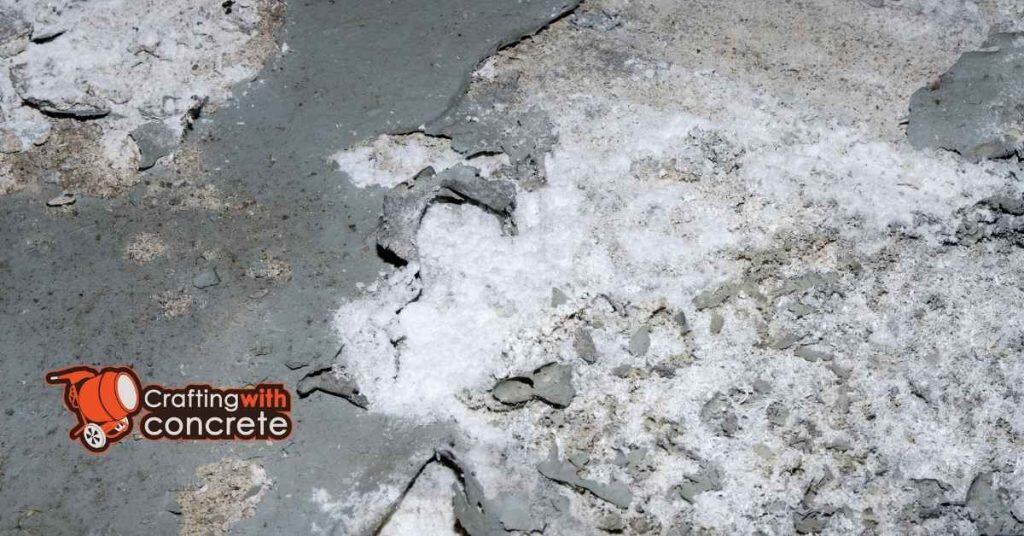
Why Most Homeowners Miss Efflorescence’s Ice Age Connection

Introduction

Efflorescence on a home’s exterior is driven by moisture migrating through masonry and freezing cycles, a link many homeowners overlook. In this article you’ll learn how freeze-thaw and moisture contribute to white salt deposits and what practical steps you can take to reduce it. The guide walks through simple observations, common causes, and broad strategies like improving drainage, addressing porous materials, and monitoring damp conditions.

Back to top ↑

Key takeaways

  • Understand efflorescence as salt deposits from moisture migrating through masonry.
  • Ice Age geology influences foundation salts and soil moisture paths.
  • Keep homeowners aware of visible salts and hidden moisture behind walls.
  • Inspect drainage, grading, and irrigation to prevent salt migration toward foundation.
  • Use proper materials and adhere to standards to minimize efflorescence risk.
  • Start with DIY fixes but know when to call a pro for remediation.

Back to top ↑

Table of Contents

What efflorescence is — basics every homeowner should know

Efflorescence isn’t a mysterious flaw; it’s the visible result of salt-laden moisture traveling through brick, concrete, or masonry and leaving behind salt crystals as it dries. Think of it as a weathered trail that tells you where water is moving and where salts are accumulating. It’s the warning light you don’t want to ignore.

Recognizing efflorescence helps you diagnose where moisture is entering and what salts are riding along. Because salts ride with water, ongoing white deposits mean persistent moisture issues that can affect finishes and even structural materials. Remedies usually begin with moisture control and targeted cleaning before sealing or repointing.

How salts and moisture create white deposits

Salt sits in building materials and in the ground. When water soaks into brick, block, or concrete, it dissolves those salts and carries them toward the surface.

As the water advances and evaporates, the dissolved salts concentrate and crystallize into visible deposits. It’s the same phenomenon you see when a damp patio dries after a rain—white, powdery residue where the salts were left behind.

The key point is that the white crust signals water movement. Stop the moisture source and you halt the salt migration; scrubbing the surface won’t cure the underlying cause.

Common materials and surfaces affected

Different materials hold and release salts in distinct ways, so the appearance and risk vary. Here’s how efflorescence tends to show up on typical home surfaces—and what to watch for.

  • Brick veneer — Powdery patches on the face or along mortar joints. Look for porous, low-fired bricks that readily absorb water; improper type or finish can lead to spalling or mortar failure.
  • Concrete block — White blooms near the top of pours or at vent openings. Use dense, low-absorption blocks and appropriate sealers; high-absorption units can crack or weaken a wall over time.
  • Poured concrete — Efflorescence on floors, patios, and sidewalks where moisture wicks upward. Ensure proper mix and curing, plus drainage; improper concrete or drainage fosters persistent staining and surface dustBack to top ↑

Cracked concrete wall surface with dark fissures visible
Visible cracks in concrete walls signal potential spalling and the need for repair.

The Ice Age connection explained — geology under your foundation

During the Pleistocene, glaciers carved and deposited soils that still lurk beneath our foundations. Those salt-bearing layers can outlive the last ice age, waiting to influence today’s basements and slabs. Today’s homeowners can still encounter salt-related challenges caused by those ancient deposits.

For DIYers, that means understanding where salty pockets sit helps you plan concrete mixes, drainage, and sealant choices. It explains why efflorescence shows up after rain or thaw and why some soils seem unusually thirsty or damp under a foundation.

Quick reference: Ice Age geology and efflorescence at a glance

  • What to know: salty pockets from ancient deposits can influence foundation moisture and salt transport to surfaces.
  • Where to look: zones beneath slabs that align with old shorelines, evaporite-rich soils, or buried marine sediments.
  • Immediate actions: ensure proper drainage away from the foundation, verify capillary breaks, and use moisture-aware concrete mixes.
  • Materials choices: consider low-alkali cement, supplementary cementitious materials (like fly ash or silica fume), and penetrating sealers for protection.
  • Maintenance cadence: inspect for fresh efflorescence after wet seasons, reseal exterior joints every 5–10 years, and re-test moisture if issues recur.

Glacial till, marine incursions, and ancient salt layers

Glaciers ground up bedrock and left behind a mixed blanket called till. That till can include bits of shale, limestone, and salts scoured from older formations. Where ice advanced over old seabeds it also buried salty sediments and evaporite layers.

Over millennia those buried marine deposits and evaporites can remain chemically active. Rain and groundwater slowly dissolve the soluble minerals. The result is pockets of salt-rich soil and shallow groundwater beneath many neighborhoods.

Think of it as old ocean water trapped under your feet. The rocks and sediments that once hosted seas now feed salts into the local subsurface environment.

How subsurface geology affects modern groundwater chemistry

Dissolved salts from those ancient deposits enter groundwater when water flows through salt-bearing layers. The groundwater picks up chlorides, sulfates and other soluble ions and carries them laterally and upward toward foundations.

Capillary action and evaporation at foundation walls concentrate those salts at the concrete surface. That concentration drives efflorescence and can accelerate concrete or mortar damage. Groundwater movement, seasonal water tables, and soil permeability all control how much salt reaches your foundation.

Back to top ↑

Homeowners often miss the Ice Age link because they chase immediate, visible causes like leaks or damp floors rather than deeper geological factors. They attribute problems to rain, poor sealing, or cleaning habits, and overlook ancient ground ice dynamics that can create hidden moisture issues.

Understanding this connection helps DIYers diagnose root causes more accurately and choose durable repairs, saving time and reducing recurring headaches. Subsurface thaw and ground movement can show up as surface symptoms, so early inspection and robust fixes are worthwhile for long-term stability.

Common myths and misdiagnoses

People often chalk staining or flaking up to bad paint, poor flashing, or sloppy workmanship. Those are real issues, but they’re also convenient covers. When problems keep showing up in the same spots, you need to look deeper.

Watch for signs that point below grade: recurring white salts, damp patches that don’t dry, and damage that follows the foundation line rather than roof edges. These clues suggest a geologic source rather than a simple surface failure. Don’t assume the patch job fixed it—diagnose before you throw money at the surface.

When surface fixes fail to stop recurrence

You can clean, repaint, and re-seal a

Back to top ↑

Visual checkpoints and diagnostic steps for homeowners

This section offers a simple, step-by-step checklist you can use to observe efflorescence and perform basic tests. These checks help you determine whether the salt deposits come from subsurface salts or groundwater movement.

By noting moisture patterns, tracing water sources, and watching how salt deposits change over a few days, you gain practical clues without specialized equipment. That context helps you decide whether a simple fix might suffice or if subsurface water movement warrants professional assessment.

Where to look, what to document, and seasonal patterns

Walk the building like you own it. Check basements, crawlspaces, and any below‑grade walls first. Also scan south‑facing exterior walls, window sills, and areas where runoff pools. Note wet spots that appear after rain and places that stay damp between storms.

Photograph each affected area from the same angle over time. Take a wide shot, a midshot, and a closeup of the crystals or stains. Log the date, recent weather (heavy rain, thaw, dry spell), and indoor conditions like running dehumidifiers or heating.

Track timing. Efflorescence tied to groundwater or rising damp often shows up after prolonged wet weather or in spring thaw. Salt deposits from surface leaks tend to follow individual events. That pattern helps a pro decide if the problem is subsurface or just a roof/gutter detail.

Simple at-home salt and moisture tests

Start with a quick moisture meter reading on the wall or floor. Consistently high readings near the base of walls point toward subsurface moisture. Check multiple spots: base, mid‑height, and outside face if accessible.

Use a vinegar test on a small powder sample: vinegar will dissolve many efflorescence salts but not paint or dirt. Test tap water pH with strips; very alkaline water can leave salts and suggest mineral-rich sources. Conductivity strips or inexpensive TDS meters show dissolved salts in water runoffs—higher readings mean more salts moving through the material.

Put results in your log. Record meter numbers, pH, and conductivity alongside photos and dates. These simple fields give a clear picture to a contractor and help decide if you need a deeper diagnostic like a borehole or lab salt analysis.

Back to top ↑

Patch of peeling concrete on wall exposing underlying surface
Peeling concrete signals spalling risk; address moisture and repair promptly.

Material specs, standards, and building practices that matter

Using the right mortar mix and following proven installation standards helps prevent efflorescence. Good drainage practices and proper sealing choices also play a critical role. Choosing compatible materials and applying them correctly reduces waterborne salts from migrating to the surface.

For DIY or jobsite work, this means selecting mortar with the right cement-to-sand ratio, using breathable sealers where appropriate, and ensuring slopes or drains direct water away. Proper detailing—like clean joints and controlled curing—minimizes moisture exposure and gives you durable, low-maintenance walls.

Masonry mixes, capillary breaks, and drainage details

Use a low-soluble-salt mortar and the right mix proportions — typically a moderate cement content with clean, well-graded sand. Too much cement increases salts; too little weakens the joint. Ask your supplier for a mix with low sulfate content if you’re worried about efflorescence.

Install continuous capillary breaks and a proper damp-proof course under the first masonry course. Flashing with through-wall weeps and head joints routed to drains keeps rising or penetrating water from reaching the face of the wall. A single missed flashing is often the root cause of recurring salts.

Grade the ground away from foundations and provide positive drainage. Gutters, downspouts, and soil grading direct water away. If moisture never sits at the base or behind the wall, salts can’t migrate to the surface.

Sealers and coatings — what helps and what can trap salts

Choose breathable sealers for masonry that needs to dry to the inside and outside. Breathable coatings let vapor escape and prevent salts from building up under the film. Impermeable coatings can trap moisture and make efflorescence worse over time.

Use a water-repellent, silane/siloxane-type product on faces that get wet but need to breathe. Test a small area first. If you see salt migration, clean the salts and address the moisture source before recoating — sealing over active salts only hides the problem.

Remember: coatings are a fix for dampness, not a cure. Fix drainage, flashing, and mortar issues first; use sealers as a supplementary protection, not the only line of defense.

Back to top ↑

Prevention and remediation — DIY first-aid and when to call a pro

Learn practical, short-term cleaning methods and simple repairs you can do yourself, plus clear criteria for when a pro is needed for subsurface or structural work. It helps you act quickly to limit damage while you assess next steps.

Knowing when to escalate to a specialist saves time and prevents bigger problems, especially with hidden moisture, mold risk, or foundation concerns. This guidance keeps you safe on the jobsite and helps you plan cost, timing, and sequencing for cleanups and repairs.

Cleaning methods and safe chemical treatments

Start with the simplest fix: dry brushing to remove loose salt and efflorescence. Use a stiff nylon brush and a shop vacuum or broom to get most of the powder off before you introduce moisture. Work from the top down and keep the area well ventilated.

For remaining deposits, rinse with clean water and scrub. If salts are stubborn, a mild acidic rinse—household white vinegar diluted 1:4 with water—can help dissolve mineral build-up. Test a small hidden spot first and wear gloves and eye protection; avoid strong acids on painted or delicate surfaces.

When damage is heavy or recurring, do not rely on repeated surface cleaning. Surface treatments and sealers can slow recurrence, but they won’t fix underlying moisture. For heavy contamination, staining, or structural compromise, move to the professional options below.

Professional interventions: soil remediation, sub-slab barriers, and drainage upgrades

If salts come from persistent groundwater or poor site drainage, you’ll need a professional. Contractors can install exterior French drains, regrade soil, or add downspout extensions to divert water away from the foundation. These fixes reduce the source of salts rather than just treating the symptom.

For salts migrating through slabs, pros can install sub-slab vapor barriers, membrane liners, or injection systems to stabilize soil and block moisture. In severe, stubborn cases there are advanced options such as electro-osmotic treatments and soil stabilization that change how water moves through the ground. These are specialist jobs and require testing and certification.

Call a pro when you see recurring efflorescence after DIY cleaning, visible structural cracks, a high moisture reading in walls or slabs, or when corrective work involves excavation or utilities. A licensed contractor will give a scope, cost estimate, and warranty for long-term control—worth the investment when the problem is below grade.

Back to top ↑

Landscaping, drainage, and property-level strategies to cut salt migration

Proper grading, plant selection, irrigation practices, and hardscape design help guide groundwater away from foundations and slow salt migration. These adjustments reduce the risk of salt damage and foundation dampness.

On a job site, even small changes to contouring and plant choices can have a big effect over time. Understanding how water moves lets you plan drainage and curb runoff to protect foundations without expensive fixes.

Yard grading, gutters, and downspout placement

Make the ground slope away from the foundation. Aim for about a 5% grade — roughly a quarter inch per foot for the first 5–10 feet. If soil settles over time, regrade and compact to keep water running away, not toward the wall.

Keep gutters clean and run downspouts at least 3–4 feet from the foundation. Use solid extensions, buried pipes, or a short swale to move discharge to a safe outlet. A splash block alone often isn’t enough if the soil slopes back toward the house.

Detail hardscape edges so they don’t trap water against the foundation. Set patios and walkways slightly lower than the house apron or add narrow gravel trenches at the foundation line to intercept surface flow. Small fixes here cut the wetting that drives salt migration.

Plant and soil choices that reduce salt problems

Pick plants that tolerate occasional salt and dry soils. Native grasses, many sages, rosemary, and some junipers handle salt better than shallow-rooted lawn mixes. Use vegetation to pull moisture from near the foundation and break capillary rise.

Avoid adding salt-rich amendments or using de-icing salts near beds. Instead build beds with a free-draining mix and a 2–3 inch mulch layer to keep salts from concentrating at the surface. For tight spots, a gravel strip against the foundation helps moisture drain and reduces evaporation that leaves salts behind.

Soil permeability matters. Prefer permeable borders and porous paving so runoff soaks in farther from the house. Limit overwatering and space plants so roots reach deeper — that reduces the shallow wetting that carries salts toward your foundation.

Back to top ↑

Long-term monitoring, case studies, and homeowner stories

A practical long-term monitoring plan helps you spot moisture trends and verify that remediation sticks. It also shares real case studies and homeowner stories showing how targeted fixes address Ice Age–linked efflorescence.

By logging readings and tracking outcomes, you gain confidence to tailor fixes to your space. These lessons translate to actionable steps you can take on a DIY project, keeping problem areas in check over time. Understanding what works in similar homes helps you set realistic timelines and priorities for remediation.

How to build a simple long-term monitoring log

Keep it basic and consistent. Record the date, recent weather (freeze/thaw, heavy rain), a short note on visible efflorescence, and any work you did that day. Add a photo each time from the same angle and a moisture reading where practical.

Use a notebook or spreadsheet and check weekly for the first month, then monthly after that. Look for trends: rising moisture readings or repeated bloom after freezes mean the source isn’t fixed. A steady drop in visible salts and moisture shows your interventions are working.

Tip: mark when you applied a fix so you can link cause and effect. Small, regular entries beat long, vague notes.

Two brief case studies (urban home, rural property)

Urban home: A brick rowhouse showed recurring white deposits under the sill after winter. Investigation found road salt-laden groundwater wicking up the wall. Crew installed a capillary break at the base, improved sill flashing, and added perimeter drainage. Within three months the blooms dropped and moisture readings fell to normal.

Rural property: An older farmhouse had heavy efflorescence in the basement tied to deep winter freeze–thaw cycles pushing saline groundwater. The solution combined interior salt removal, exterior grading to shed water, and a simple French drain. The homeowner logged monthly photos and humidity numbers; by the next spring the deposits were minimal and only appeared after extreme weather.

Lesson: find the salt source first, then fix water movement. Targeted, modest work often stops recurrence.

Back to top ↑

Conclusion

Efflorescence isn’t just a cosmetic issue—it’s a sign of how moisture and mineral migration work under your foundation. By tying the Ice Age site conditions to current symptoms, you fix not just the crust but the moisture path that keeps salt moving through the concrete. Stay practical, stay safe, and keep the structure dry.

Walk the exterior and follow a simple, steady routine: look for damp patches and white crusts, note any cracks, confirm that downspouts and grading push water away, identify any nearby landscaping that holds moisture, and test a small area with a mild clean and recheck after a rain. Keep a notebook of findings, take photos, and limit any major work to small patches at a time. If you can clean and seal an area without seeing fresh salt come back within a few weeks, you’re narrowing the problem. If not, treat it as a sign to pull back and reassess the drainage and subsurface conditions before you pour more effort or material into it.

Common missteps to avoid are trying quick fixes that don’t stop the underlying moisture, using aggressive cleaners or acids that can damage the concrete or finish, and sealing or painting over salt crusts without fixing the water path. Don’t jam new material into cracks or patches without verifying the source of moisture. Always test in a small, inconspicuous area first, and follow safe practices for any DIY remediation, including wearing eye protection and ventilating work areas. If you’re unsure, or you encounter active water intrusion, cracks that widen, or persistent salt reappear after remediation, stop and call a professional.

If you have active leaks, structural cracks, or ongoing water movement under the slab, or if the project would require significant grading, drainage redesign, or specialized materials, don’t push ahead alone. A pro can confirm the source, verify the local material specs, and set up a durable plan that fits your landscape and climate. Safety, measured steps, and clear monitoring are your fastest route to long-term durability and a clean, solid look you can live with for years. You’ve got this—start small, stay methodical, and stay firm on the goal: a dry, stable home.

Back to top ↑

FAQ

What is efflorescence?

Efflorescence is a white, powdery deposit on masonry. It comes from water pulling salts out of the brick or concrete as it dries. It won’t hurt the wall, but it signals moisture is getting in.

How does it connect to an “Ice Age” when you’re fixing a home?

Water freezes in tiny gaps. When it does, it pushes salts around and can crack or spall the surface. The “Ice Age” idea is about freeze-thaw cycles making moisture problems worse over time.

Why do I see efflorescence in winter or after a freeze?

The cold slows evaporation. Water sits longer, salts move to the surface as it dries, and you get that white crust. A freeze then worsens any small cracks or leaks you have.

What’s a quick, solid way to fix it without wasting time or money?

Address moisture first. Fix leaks, improve drainage, and seal cracks. Then scrub the salts off with a stiff brush and low-pressure wash, and keep area dry to slow return.

Back to top ↑

{“@context”: “https://schema.org”, “@type”: “FAQPage”, “mainEntity”: [{“@type”: “Question”, “name”: “What is efflorescence?”, “acceptedAnswer”: {“@type”: “Answer”, “text”: “Efflorescence is a white, powdery deposit on masonry. It comes from water pulling salts out of the brick or concrete as it dries. It won’t hurt the wall, but it signals moisture is getting in.”}}, {“@type”: “Question”, “name”: “How does it connect to an “Ice Age” when you’re fixing a home?”, “acceptedAnswer”: {“@type”: “Answer”, “text”: “Water freezes in tiny gaps. When it does, it pushes salts around and can crack or spall the surface. The “Ice Age” idea is about freeze-thaw cycles making moisture problems worse over time.”}}, {“@type”: “Question”, “name”: “Why do I see efflorescence in winter or after a freeze?”, “acceptedAnswer”: {“@type”: “Answer”, “text”: “The cold slows evaporation. Water sits longer, salts move to the surface as it dries, and you get that white crust. A freeze then worsens any small cracks or leaks you have.”}}, {“@type”: “Question”, “name”: “What’s a quick, solid way to fix it without wasting time or money?”, “acceptedAnswer”: {“@type”: “Answer”, “text”: “Address moisture first. Fix leaks, improve drainage, and seal cracks. Then scrub the salts off with a stiff brush and low-pressure wash, and keep area dry to slow return.”}}]}

More about this topic