

Introduction
Uneven plywood subfloor means the surface you install flooring on is not flat or level.
Causes include moisture damage, warping, improper installation, and issues with fasteners. If you notice high spots, soft areas, or uneven edges, those are signs to test and address.
To test, use a straightedge or a long level and check for high spots and soft zones, marking the problem areas as you go. Fixes can include sanding, shimming, or sistering patches and resecuring a loose panel, always following safe, practical guidance for your situation. Preventive steps involve addressing moisture and humidity and acclimating plywood before installing new flooring to reduce future movement.
Key takeaways
- Moisture damage and installation errors commonly cause uneven plywood subfloors; inspect staining, warping, and gaps.
- Use a long straightedge to locate high spots and bowed sections.
- Seal and dry exposed edges, fix leaks, and control humidity to prevent warping.
- Allow plywood to acclimate in the installation area per manufacturer guidelines.
- Wear eye protection and a dust mask when cutting and handling plywood.
- Or if obvious: significant movement, cracks, or persistent moisture; consult a pro.
Table of Contents
- Introduction
- Key takeaways
- Overview: Why Plywood Subfloors Become Uneven
- Inspecting and Diagnosing the Problem
- Testing for Moisture and Other Hidden Problems
- DIY Fixes for Common Uneven Subfloor Problems
- Professional Repairs and When to Call a Contractor
- Preventive Measures and Correct Installation Practices
- Tools, Materials Checklist, Safety, and Cost Considerations
- Conclusion
- FAQ
Overview: Why Plywood Subfloors Become Uneven
Uneven plywood subfloors show up as squeaks, deflection, visible gaps, and cupping or crowning. These symptoms indicate different underlying movements or moisture conditions that can mislead when you’re planning repairs. Understanding what is happening helps you avoid chasing the wrong problem and wasting time.
A quick on-site triage helps separate subfloor issues from problems in the finish floor or moisture sources. Start with simple checks like joist deflection, warped panels, loose fasteners, and any obvious moisture signs. Define the scope of fixes as either calming the surface for a new floor or tackling the root causes deeper in the structure.
Common causes (moisture, structural, installation errors)
Uneven plywood subfloors often result from preventable mistakes. Here are the most common culprits:
- Moisture intrusion: Water damage can warp and swell your subfloor. Keep water away with proper drainage and flashing.
- High humidity: Excess moisture in the air can cause plywood to expand and buckle. Ventilate your space to maintain low humidity levels.
- Inadequate fastening/spacing: Too few or poorly spaced screws can lead to deflection. Follow manufacturer’s guidelines for spacing and use appropriate fasteners.
- Joist problems: Sagging, twisted, or damaged joists cause subfloor unevenness. Inspect your joists and address any issues before installing the subfloor.
- Improper plywood grade/orientation: Using low-grade plywood or laying it improperly can result in warping. Choose high-quality plywood and follow proper installation techniques.
Addressing these causes early prevents costly repairs down the line.
How unevenness affects finished flooring
Subfloor problems don’t stay hidden under your finished floor. They manifest as visible issues and performance problems:
Squeaks: Uneven subfloors cause friction between layers, resulting in annoying squeaks.
Gaps and cracks: Deflection can create gaps or cause tiles to crack, leading to water damage and costly repairs.
Warping: Cupping or crowning of hardwood floors indicates an uneven subfloor. This not only looks bad but also makes it difficult to walk on and can lead to further damage.
Regularly inspect your finished floor for signs of subfloor issues, and address them promptly to maintain the longevity and appearance of your flooring.

Inspecting and Diagnosing the Problem
Begin with a visual scan to map high spots, low spots, and repeating patterns that suggest wide or narrow irregularities. Note board orientation, edge seams, and how transitions look between rooms. This mapping helps you spot likely problem areas at a glance.
Next, run a tactile check by feeling for ridges or cupping and by using a straightedge across multiple directions to gauge flatness. Compare fastening patterns and nail pops with any signs of moisture to separate moisture-driven movement from framing or subfloor issues. Keep a simple diagram and list to guide your next steps.
Visual checkpoints and measurement methods
Before you start any repairs, use this checklist to inspect your concrete surface. It’s best to do this on a dry day with good lighting.
- Check for dips: Use a straightedge (like a level or a long, straight piece of wood) and place it across the suspected dip. Mark any gaps between the straightedge and the surface with a pencil.
- Measure dip depth: Use feeler gauges to measure the depth of the dips you’ve marked. Acceptable tolerances vary by finish, but generally, it’s 1/8″ for every 10′ for flatwork and 3/16″ for driveways.
- Look for ridges: Inspect the surface for any high spots or ridges. These can be felt with your hand or seen by eye if they’re large enough.
- Check for deflection: Gently press on the concrete in suspected areas. If it feels spongy or moves more than 1/8″ under pressure, there may be a problem beneath the surface.
- Use a floor level app: There are apps available that can help you measure the slope and flatness of your concrete. Follow manufacturer instructions for best results.
- Check for cracks: Inspect the entire surface for any cracks, no matter how small. Cracks can indicate underlying issues and should be addressed.
- Look for scaling or spalling: These are signs of concrete deterioration where the top layer is flaking off. If left untreated, they can lead to more serious problems.
- Inspect joints: Ensure that control and expansion joints are in good condition. If they’re cracked or missing, water can get underneath the slab and cause further damage.
Quick rule: Always remember, prevention is better than cure. Regularly inspect your concrete surfaces to catch any issues early before they become expensive problems.
Signs of moisture vs structural failure
When checking your floor for issues, it’s crucial to know the difference between moisture damage and structural failures. Here are some telltale signs:
Moisture Damage: Keep an eye out for discoloration on the floor or walls, soft spots when you walk on them, and mold growth. These are all red flags that excess moisture is causing problems.
Structural Failures (Joist Issues): Cupping or crowning of the floorboards can indicate joist issues. Localized sagging in the floor could also be a sign. Listen for unusual creaking or popping noises when walking on the floor, as this might suggest structural problems.
Remember, moisture damage and structural failures often look different. If you’re unsure, consult a professional. Don’t guess; it’s your home, so get it right.
Testing for Moisture and Other Hidden Problems
Non-destructive moisture tests like wood meters or humidity probes can point to problem zones, while invasive tools reveal deeper issues. Use each method according to the manufacturer guidance and document readings over time. Look for readings that suggest trends rather than a single moment in time.
Target critical locations such as edges, centers, near walls or plumbing, under appliances, and areas with prior exposure to water. Combine moisture results with a visual check for rot, softness, staining, or musty odors to decide on repairs. Maintain a log with dates and notes to track progression.
Moisture testing methods and tools
Before you start any concrete work, you need to check for moisture. Here’s how:
Pin meters are cheap but not the best. They measure resistance between two pins driven into the slab. If it’s high (check your meter’s scale), there might be moisture.
Pinless meters are more accurate and easier to use. They send an electrical current through the concrete without damaging it. A low reading (<5%) indicates moisture. Check your meter’s instructions for exact ranges.
For relative humidity tests, you’ll need a probe that measures RH directly in the concrete. This is useful when you suspect moisture but pin/pinless meters aren’t showing it. Insert the probe into a core drill hole and check the reading.
Infrared cameras show temperature differences, which can indicate moisture. They’re great for finding hidden leaks or areas with high humidity. But they won’t give you a precise measurement like meters do.
When to use what? If you suspect moisture but aren’t sure, start with pinless meters. They’re quick and non-destructive. If that’s inconclusive, try an RH test. Use infrared cameras for leak detection or to check large areas.
When to open the subfloor: probes, core cuts, and underfloor inspection
Before you start any work on your subfloor, use this checklist to ensure it’s safe and sound. This is crucial to avoid expensive rework and safety hazards.
- Check for rot: Probe the subfloor with a screwdriver or awl at regular intervals (every 6-12 inches). If it goes in easily and feels soft, there might be rot. Confirm by checking moisture content (<5% is safe) as explained earlier.
- Core cuts: If probes suggest rot, cut small cores (around 1-2 inches diameter) to inspect deeper. Check for discoloration or fungal growth. Ensure you have proper permits and follow safety guidelines when using power tools.
- Inspect crawlspaces/basements: Look for signs of water damage, mold, or pests. Check for proper ventilation and moisture barriers. If you find issues, address them before proceeding with subfloor work.
- Check joist spacing: Ensure joists are evenly spaced (usually 16″ or 24″ on center). If not, there might be structural issues that need addressing.
- Inspect floor framing: Check for signs of damage, such as cracks, splits, or excessive movement. Ensure all framing members are securely attached to the foundation.
- Check load-bearing capacity: If your subfloor is part of a new build or major renovation, ensure it can support the intended loads (flooring materials, furniture, etc.). Consult local building codes and structural engineers if needed.
- Inspect underlayment: Check for any damage, delamination, or moisture issues with the underlayment. If present, address these before installing your final flooring material.
- Check for asbestos: If your home was built before 1980, check for asbestos in old flooring materials. If found, hire a professional for safe removal.
Quick rule: Always err on the side of caution when inspecting subfloors. It’s better to find and fix issues early than to deal with expensive rework later.
DIY Fixes for Common Uneven Subfloor Problems
Pinpoint the root causes first, then choose fixes that address the underlying movement rather than just the surface. Prioritize steps that stabilize the structure or reduce moisture before you fix seating or level differences. This approach minimizes recurring issues.
Prepare the space by drying any moisture, removing loose material, and protecting nearby finishes. Practical options include feathering high spots, shimming under high points, sistering joists for strength, and patching damaged sections with compatible material. Always note drying or curing times for any leveling products and verify flatness after each step.
Leveling and smoothing techniques
Before you start, ensure your subfloor is clean, dry, and free of debris. If it’s plywood, check for any delamination or soft spots.
Screeding: For minor unevenness, use a straight edge (like a long level) and screed compound over the high spots. Work in small sections to avoid creating low spots elsewhere.
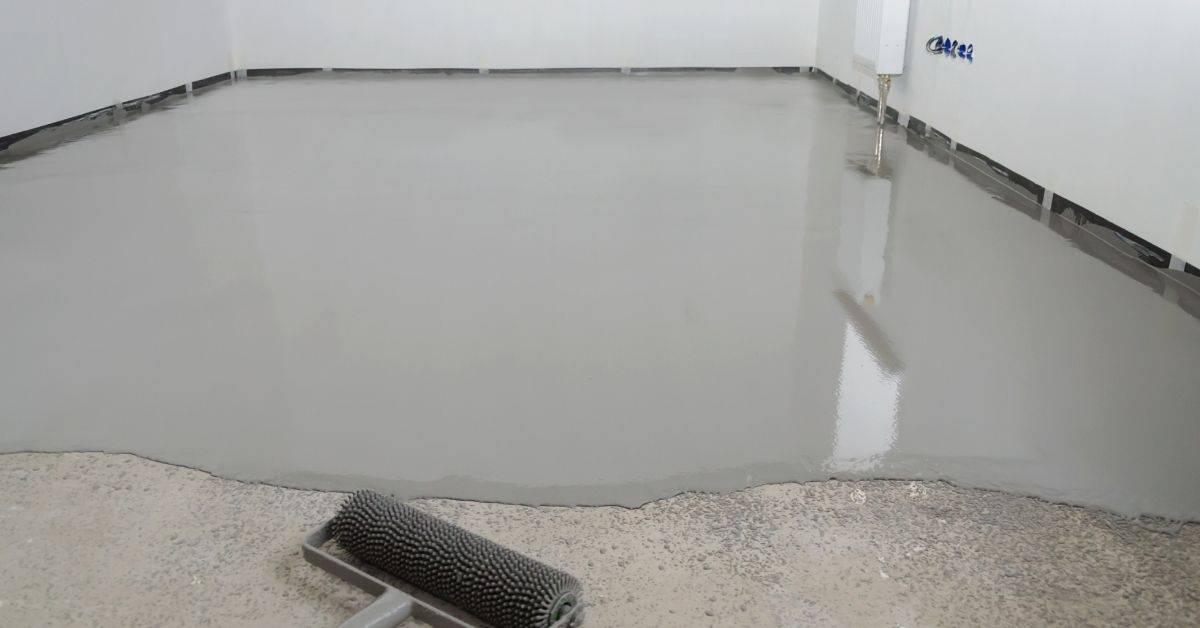
Self-leveling compounds: For larger gaps or voids, use self-leveling compounds. Follow manufacturer instructions for mixing and application. Check base compaction before applying; if it’s soft, consider adding a layer of sand or stone first. Remember, these compounds can’t fix major structural issues.
Sanding/Planing Plywood: If your subfloor is plywood with minor high spots, you can sand or plane them down. Be cautious: don’t remove more than 1/8″ at a time and ensure the moisture content of the plywood is below 12% to prevent warping. Always check local building codes before proceeding.
Fixes for joist and framing-related unevenness
If your subfloor’s uneven due to joists or framing issues, here are some DIY fixes. But remember, if you’re unsure, always check with a pro first.
Shimming: For minor gaps between joists and subfloor, use shims. Check the gap size, then cut shims to fit. Tap them in gently using a hammer. Don’t overdo it; too many shims can cause more problems.
Sistering joists: If joists are sagging or twisted, you might need to sister them – add new joists alongside the existing ones. This is a bigger job but still doable for DIYers. Make sure to use the same species and size of lumber as your existing joists.
Adding blocking or hangers: To reduce deflection, add blocking between joists or use joist hangers. Check local building codes for spacing requirements. Blocking should be at least 2×4, and hangers should match your joist size. Don’t forget to secure them properly with screws or nails.
Professional Repairs and When to Call a Contractor
Call a professional when you see widespread rot, obvious structural joist failure, ongoing moisture intrusion, or risk to finished flooring. These signs point to repairs that require structural assessment and higher certainty.
A typical pro route includes joist or subfloor replacement, moisture source remediation, and possibly ventilation improvements. Expect an initial assessment, a defined scope of work, and discussion of permits, timelines, and warranties. Use clear criteria to decide whether interim stabilization is appropriate or full replacement is needed.
Major remediation options (replace subfloor, full rehab)
When the damage is extensive, it’s time for major repairs. Here are your main options:
Subfloor Replacement: If more than 20-30% of the subfloor is damaged, a full replacement might be necessary. This involves removing the old subfloor, inspecting and replacing any damaged joists, then installing new plywood.
Joist Repair/Replacement or Leveling: If joists are damaged, they’ll need to be replaced or sistered (adding a new joist alongside the existing one). Severe sagging may require leveling using jacks and temporary supports.
These projects typically take 3-7 days each, depending on size and complexity. Expect some disruption to your living space during work.
Choosing the right pro and what to ask
Hiring a professional? Here’s how to pick the best one for your job:
First, ask about their moisture mitigation plan. They should understand how to prevent future issues. Also, inquire about warranties on labor and materials.
Ask for references, especially from jobs involving similar subfloor repairs. Check if they’re licensed, insured, and have relevant certifications (e.g., NAHB, NARI) for flooring and structural work.
Finally, ensure they understand local building codes and can pull necessary permits. Don’t hesitate to interview multiple contractors before making a decision.
Preventive Measures and Correct Installation Practices
Preventing movement starts with proper acclimation and moisture balance before installation. Check conditions in the space and give plywood time to reach equilibrium. This helps reduce post-installation movement and surprises during flooring installation.
Use appropriate moisture barriers and prepare the substrate correctly. Align plywood orientation with joists and maintain a consistent fastener pattern. Ensure proper ventilation under crawlspaces and manage moisture to protect the subfloor long term.
Acclimation, Moisture Control, and Barriers
Before you lay a single tile, you gotta let your flooring acclimate. This means letting it sit in the room where it’s gonna live for at least three days. Check the manufacturer’s instructions for their specific recommendations.
Subfloor moisture is your enemy here. Before you start, use a moisture meter to check your subfloor. It should be below 3% MC (moisture content). If it’s higher, wait until it drops or consider using a moisture mitigation system.
Now, vapor barriers and retarders. You use ’em to control moisture from below. In crawlspaces, you want a vapor barrier – usually a 6 mil poly sheet – on the ground. Seal all seams and edges tight. Upstairs, use a vapor retarder – like 6 mil poly or a dedicated product – between your subfloor and finish floor.
Fastening, panel layout, and material specs
The right materials and layout ensure a durable floor with minimal movement and squeaks. Here’s what you need:
- Subfloor fasteners: Use ring-shank or twisted shank nails (1-1/4″ to 2″) for plywood, and staples (1-5/8″) for OSB. Check local building codes for spacing.
- Plywood/OSB grade: Go for CDX or better. Avoid construction-grade as it’s too thin (less than 3/4″) and prone to squeaks.
- Panel size: Use standard sizes like 4′ x 8′. Larger panels can warp, causing issues later on.
- Expansion gaps: Leave a 1/2″ gap around the perimeter and between islands to allow for expansion. Don’t skip this; it’s cheap insurance against cracking.
- Staggered seams: Stagger joints at least 6″ from each other in adjacent panels to minimize movement and squeaks. It’s extra work but worth it.
- Subfloor adhesive: Use a construction adhesive (like PL Premium) for added strength and squeak prevention. It’s not a substitute for proper nailing, but it helps.
- Underlayment: Consider using an underlayment like QuietWalk or ProCore for extra soundproofing and moisture resistance. It’s pricey but worth it if you’re on a concrete slab.
Pro tip: Buy materials in small batches to ensure freshness, and store them properly to prevent damage from weather or pests. Always follow manufacturer mixing instructions for best results.
Tools, Materials Checklist, Safety, and Cost Considerations
Keep a core set of tools and materials ready: moisture meters, straightedge, level, fasteners, replacement plywood, leveling compounds, and PPE. Choose wood-grade or treated plywood as the job requires and understand each item’s role in leveling and stabilization.
Prioritize safety by addressing mold or water-damaged wood with proper containment and protective gear. Plan the assessment workflow and use level checks to decide between shims, patching, or panel replacement. Get multiple bids and verify timing for material delivery and crew availability.
Safety and Health Precautions
Before you start any work on your subfloor, safety should be your top priority. Here’s a checklist to ensure you’re protected from potential hazards.
- Wear PPE: Respirator, gloves, eye protection, and coveralls to protect against mold, dust, and other contaminants.
- Check for moisture: Use a moisture meter to test for dampness that could indicate water damage or mold growth. Skipping this can expose you to harmful spores.
- Ventilation: Ensure proper ventilation, especially when sanding or cutting. A fan or dust extractor can help keep the area clear.
- Electrical and plumbing checks: Turn off power and water supplies before opening up floors to prevent accidents.
- Containment: Seal off affected areas to prevent spreading mold spores to other parts of your home.
- Avoid cutting/sanding wet materials: Wet wood can cause harmful dust, so allow materials to dry first if possible. Cutting or sanding wet materials increases the risk of respiratory issues.
- Disposal of contaminated materials: Dispose of wet, damaged, or moldy materials properly to prevent further contamination.
- Protect occupants: Keep pets and family members away from work areas to minimize exposure to hazards.
Quick rule: Always prioritize safety over speed. Take your time to ensure you’re protected and that the area is contained.
Estimated Costs and Timelines by Repair Type
Repairing an uneven subfloor can vary greatly in cost and time depending on the extent of damage. Here’s a breakdown to help you budget and plan.
- Minor leveling: Using shims or fasteners for small adjustments. Cost: $50 – $200, Time: 1-4 hours
- Localized repairs: Patching with leveling compound or replacing a few panels. Cost: $200 – $800, Time: 4-16 hours
- Full subfloor replacement: Replacing all panels and checking joists. Cost: $800 – $3,000+, Time: 16-64+ hours
- Material quality: Higher-quality materials will cost more but may last longer.
- Square footage: Larger areas will require more materials and time to repair.
- Access: Difficult access can increase labor costs and time.
- Labor rates: Hiring help? Local labor rates vary, so get multiple quotes.
- Disposal fees: Removing old materials may incur disposal fees.
- Material delivery timelines: Order materials in advance to avoid delays in your project schedule.
Quick rule: Always get multiple quotes and confirm material specs before starting any major repair work. This helps ensure you’re getting the best value for your money and that the job will be done right.

Conclusion
Make it clear: a solid, level subfloor protects safety, durability, and finish looks, so do the checks, test honestly, and fix it right the first time. Stay methodical, respect moisture, and avoid rushing through operations that can trap problems under the floor.
First, run a simple, practical checklist in your head as you finish the job: check moisture levels in the area, verify the subfloor is truly flat with a straightedge and level, confirm all fasteners are secure but not overdriven, inspect joists for bowing or sag, test for spring with a light load in several spots, and address any high spots or soft areas before replacing or shimming, then finalize with a clean, dry surface and plan for prevention in the next install. Keep the process slow and deliberate, and document any fixes so you know what to repeat or adjust later.
Common mistakes to avoid are rushing the diagnosis, skipping moisture testing, overcorrecting with too much shim or patch material, and using the wrong fasteners or adhesive for plywood or subfloor, which can trap movement or cause squeaks. Always test in a small area first, work with dry materials, and wear eye and hand protection. If you see signs of rot, mold, twist, or widespread sag, stop and reassess rather than piling on patches.
When to call a professional: large or complex areas, persistent soft spots after fixes, suspected structural damage, or hidden rot and moisture that keeps returning. If you’re unsure about structural loads, joist integrity, or proper fastener patterns, it’s wise to bring in a contractor. Stay proactive, follow the checks, and you’ll finish strong with a safe, stable floor you can trust.
FAQ
What are the main causes of an uneven plywood subfloor?
Moisture damage makes plywood warp and cup. Poor installation, like misaligned seams or insufficient fasteners, can also cause bumps. Environmental changes, glue failure, and trapped air under thin spots can create hills or dips.
What quick tests can reveal an uneven subfloor?
Feel for high and low spots by walking the floor with a straightedge or long level. Check for soft spots by pressing with your weight and listening for give. Look for cupping or deflection near joints and edges when you tap along the seams.
How can I prevent future moisture problems and high humidity before installing flooring?
Control the space humidity and dry the subfloor before finishing. Use proper ventilation and run a dehumidifier in damp areas as needed. Make sure the subfloor is dry, sealed, and allowed to acclimate according to manufacturer guidance.
What are safe DIY fixes for an uneven subfloor, and how do I proceed?
Identify the problem area, remove loose material, and re-secure or shim as needed with proper fasteners or filler. Apply a self-leveling compound only after the area is clean, dry, and primed per product instructions. Follow the product label for curing time and surface prep, and test fit your new flooring before full installation.