
Introduction
Repairing spalling concrete can seem daunting, but with a clear timeline and understanding of each step’s duration, you’ll find it manageable. This guide walks you through the process, breaking down tasks into timeframes to help you plan your project effectively.
From initial assessment to final touch-ups, we’ve outlined the entire repair process by time, ensuring you stay on track and within budget.
Spalling Concrete Repair Timeline: Step-by-Step Duration
The total duration of your spalling concrete repair project depends on several factors, including the extent of damage, weather conditions, and your chosen repair method. Here’s a detailed timeline to help you estimate and plan:
- Inspection & Preparation (1-3 days): Inspect the damaged area, decide if patching or removal is needed, and gather materials.
- Removal of Damaged Concrete (1-2 hours per square foot): Use a chipping hammer or jackhammer to remove loose concrete, following safety guidelines.
- Cleaning & Prepping the Surface (30 minutes – 1 hour per square foot): Clean the area with a wire brush, remove dust, and apply primer if necessary.
- Mixing & Applying Repair Material (1-2 hours per square foot): Follow manufacturer instructions for mixing and application. Allow proper cure time before proceeding.
- Finishing & Sealing (30 minutes – 1 hour per square foot): Apply a protective sealant or coating, following manufacturer guidelines for cure times.
Total project duration can range from a few days to over a week, depending on the size and complexity of the repair. Keep in mind that weather conditions may affect curing times and overall project duration.
Key takeaways
Proper preparation is key to ensuring your repair lasts, so take the time needed for each step, even if it extends the overall timeline.
- Assess surface depth and soundness before starting repair to plan steps.
- Dry and clean cracking areas, removing loose concrete for solid patch adhesion.
- Choose patch materials labeled for structural repairs and exterior exposure conditions.
- Wear eye and skin protection; halt work if material shows swelling or cracking.
- Keep area well ventilated and control dust with a damp brush.
- Follow manufacturer instructions for cure times and protective coatings after repair.
- Document visual checkpoints and tests to verify bond and finish quality.
Table of Contents
- Introduction
- Key takeaways
- What Is Spalling Concrete and Why It Happens
- Safety Considerations and Clear DIY Stop Points
- Tools and Materials Checklist (DIY-Friendly)
- Material Specs and Standards Explained (How to Choose Products)
- Step-by-Step DIY Repair Workflow
- Visual Checkpoints and Quality-Control Tests
- Common Mistakes, Troubleshooting, and Quick Fixes
- Prevention and Maintenance to Stop Spalling Returning
- Conclusion
- FAQ
What Is Spalling Concrete and Why It Happens
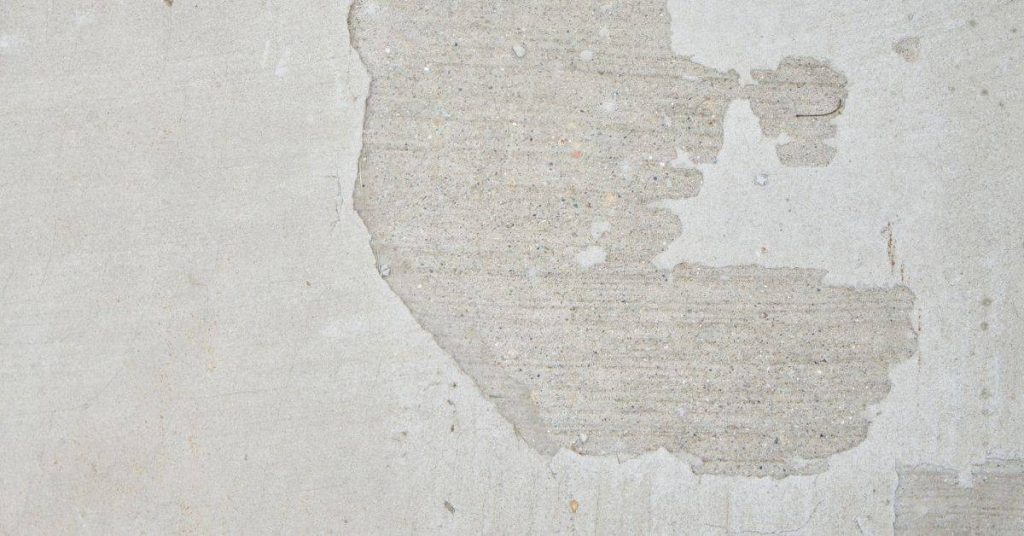
Spalling is when the surface of concrete flakes, chips, or scales away, leaving a rough, uneven face. It often shows up after years of wear, weather, or movement beneath the surface.
Common causes include moisture getting behind the concrete, freeze–thaw action, and problems with finishing or curing. Look to product labels and manufacturer guidance to understand the root issues for your job.
Common causes (freeze–thaw, corrosion, poor cover)
Spalling happens due to a few common reasons. First off, the freeze-thaw cycle is a big culprit. When water gets into concrete and then freezes, it expands. This puts pressure on the concrete surface, causing pieces to break off over time.
Corrosion of steel reinforcement can also lead to spalling. As the steel rusts, it expands and pushes against the concrete, eventually forcing pieces to pop off.
Poor concrete cover – that’s the layer of concrete over your rebar – can accelerate this process. If the cover is too thin or incomplete, moisture and oxygen can reach the steel more easily, speeding up corrosion.
Distinguishing spall from cracks, scaling, and delamination
Spalling isn’t the only concrete issue you might face. Here’s how to tell them apart with a simple inspection.
Cracks are usually narrow and deep, while spalls are wider and shallower. They also tend to run vertically rather than horizontally like cracks.
Scaling is when the surface layer of concrete flakes off in small pieces. Unlike spalling, it doesn’t leave a deep hole behind. To check, tap the area with a hammer – if it sounds hollow, it might be scaling.
Delamination happens when the layers of concrete separate from each other or from the substrate below. It feels like a loose or bubbly surface. Unlike spalling, delamination doesn’t leave deep holes.
Safety Considerations and Clear DIY Stop Points
Put on proper eye protection, gloves, and a dust mask before you start. Concrete work can create sharp edges and dusty debris that irritate the lungs and eyes.
Stop work and consult a professional if you notice deep cracks, hollow or crumbling areas, or signs of possible structural movement. If you suspect compromised reinforcement or contamination in the concrete, verify with local codes and manufacturer instructions before proceeding.
Immediate hazards to watch for during inspection and repair
Before you start inspecting or repairing spalling concrete, use this checklist to ensure your safety.
- Exposed rebar: Look for any broken or rusted steel reinforcement. If found, wear gloves and be careful not to cut yourself.
- Falling fragments: Check for loose pieces that could fall off. Wear a hard hat and clear the area below before starting work.
- Airborne dust: Concrete dust can cause respiratory issues. Wear a respirator when chipping or grinding.
- Electrical hazards: If the concrete is part of an electrical enclosure, turn off power at the main panel and test for current before touching.
- Structural instability: Check if the spalling has affected the structural integrity. Look for cracks or movement. If found, stop work immediately.
- Contaminated materials: Some concrete may contain asbestos or other hazardous materials. Test before disturbing to avoid exposure.
- Poor lighting: Ensure the area is well-lit. Use temporary lights if needed.
- Uneven surfaces: Be aware of any tripping hazards. Wear sturdy boots and keep the area clean.
Quick rule: Always prioritize safety over speed. Take your time to inspect and protect yourself before starting work.
Stop points: when to stop DIY and call a structural or concrete specialist
While some spalling can be fixed by a DIY homeowner, there are situations where you should stop immediately and consult a professional. Here’s when:
If the spalling is extensive, covering more than 20% of the surface or affecting multiple areas, it might be a sign of widespread deterioration. A specialist can assess the full extent and provide appropriate solutions.
If you notice active corrosion on the rebar, stop work immediately. This could lead to further damage if not addressed properly. A professional can apply specialized coatings or other treatments to prevent progression.
If there’s progressive movement or you see new cracks forming, it might indicate a structural issue. Do not attempt to fix this yourself. Call a structural engineer who can assess the situation and provide appropriate solutions.
Quick rule: If in doubt, stop and consult a professional. It’s better to be safe than sorry when dealing with structural issues.
Tools and Materials Checklist (DIY-Friendly)
Gather essential tools like chipping tools, a stiff brush, trowels, and a mixing container. Include PPE such as safety glasses, a respirator or mask, and gloves for protection.
Have the repair materials ready and check their datasheets or labels for compatibility. If you don’t have something on hand, consider rental options and verify suitability with the product instructions before buying.
Hand and power tools plus PPE
Before you start, ensure you have the right tools for the job. Here’s a checklist to help you.
- Work gloves: Protect your hands from sharp edges and cold temperatures.
- Safety glasses: Shield your eyes from debris during chipping and grinding.
- Ear protection: Use earplugs or earmuffs to protect against loud power tool noise.
- Dust mask: Wear a respirator to avoid inhaling concrete dust.
- Hard hat: Protect your head from falling debris and impact hazards.
- Hammer or chipping hammer: For removing loose concrete. Check it’s in good condition, no cracks or chips.
- Angle grinder with diamond blade: For grinding and smoothing surfaces. Ensure the blade is in good shape and fits the tool properly.
- Power drill with masonry bit: For drilling anchor holes. Make sure the bit matches your anchors’ size.
Quick rule: Always check your tools before starting work to avoid injuries and delays.
Repair materials, bonding agents, and rebar treatments
Choose the right repair materials for your job. Consider the environment and existing concrete properties.
- Repair mortar: Match type to damage severity – fine for small cracks, coarse for larger repairs. Check manufacturer datasheets for application guidelines.
- Bonding primer: Use to improve adhesion of new concrete to old. Ensure it’s compatible with your repair mortar.
- Rebar treatment: Apply corrosion inhibitor to exposed rebar before covering with new concrete. Check the product’s effectiveness in your specific conditions.
- Expansion joints: Use to control cracking due to shrinkage and temperature changes. Size and type depend on slab dimensions and loading.
Quick rule: Always follow manufacturer instructions for best results and safety.
Material Specs and Standards Explained (How to Choose Products)
Key product properties to focus on are adhesion to old concrete, compatibility with existing mixes, and any corrosion protection they offer. Understand how the product interacts with moisture and movement as you fix spalling.
Don’t rely on generic numbers. Always verify technical data, local code requirements, and instructions from the manufacturer or your spec sheet before selecting materials.
What to look for in repair mortars and primers
When choosing a repair mortar, check the label for these key performance attributes:
Adhesion: This is crucial. It ensures your repair sticks to the existing concrete.
Flexural Strength: Look for a product that matches or exceeds your original concrete’s strength.
Permeability: Check if it’s compatible with your existing concrete’s permeability to prevent water from getting trapped and causing further damage.
Corrosion protection and rebar repair options
Rebar corrosion is a common cause of spalling. Here are your repair options:
Epoxy Coating: Apply an epoxy coating to protect the rebar from moisture. This is suitable for minor corrosion.
Cathodic Protection: This involves installing an anode and a cathode, with the anode sacrificing itself to protect the rebar. It’s used when corrosion is widespread but hasn’t caused significant damage yet.
Rebar Replacement: If the corrosion has caused severe damage, you may need to replace the rebar entirely. This should be done by a professional.

Step-by-Step DIY Repair Workflow
Start with a safety assessment and a clean, sound surface. Then plan the repair approach based on the extent of spalling and the product you intend to use.
Move through surface prep, patching or resurfacing, and curing steps with clear handoffs where tests or inspections are needed. Always cross-check instructions from the material manufacturer during each stage.
Step-by-Step Repair Process
Follow these practical steps to repair spalling concrete like a pro. Safety first, then prep, main work, and finish.
- Safety check: Put on PPE (gloves, goggles). Inspect area for hazards.
- Prep tools: Gather chisel, hammer, wire brush, trowel, mortar mix, etc. from your checklist.
- Main work: Remove loose concrete, clean rebar, apply repair mortar, finish and cure.
- Final check: Inspect repair after curing. Ensure it’s level, smooth, and well-adhered.
- Clean up: Dispose of debris properly. Store tools for next time.
Preparation and removal of loose concrete
Expose sound concrete by removing loose material. Follow product guidance for depth and profile.
Use a chisel and hammer to chip away loose pieces. Work from the edge towards the center to avoid damaging surrounding good concrete.
Important: Remove until you reach solid, stable material. This ensures your repair has something strong to bond with.
Clean the area using a wire brush or compressed air to remove dust and debris. Ensure the surface is dry before applying any repair materials.
Rebar cleaning, treatment, and replacement
Clean corroded rebar using a wire brush or sandblasting. Remove all rust and loose material.
Treat cleaned rebar with an anti-corrosion primer or wrap it with a protective coating to prevent future corrosion.
When reinforcement is severely damaged: Replace it with new rebar, ensuring it’s properly anchored and embedded in the concrete.
If unsure about rebar condition, consult a structural engineer. Safety first!
Applying repair mortar, finishing, and curing
Mix repair mortar according to manufacturer’s instructions. Use clean water and mix thoroughly for even consistency.
Apply mortar using a trowel or sprayer, filling the prepared area completely. Ensure rebar is well-covered.
Finishing: Strike off excess mortar with a trowel, creating a smooth, level surface. Use a float to smooth out any imperfections.
Cure according to manufacturer’s instructions. This may involve keeping the repair moist and covered for a specific time period. Do not rush curing!
Visual Checkpoints and Quality-Control Tests
Inspect the area for clean edges, uniform patch thickness, and no loose material before finishing. Look for feathered transitions that blend with the surrounding concrete.
During and after cure, perform simple checks for adhesion and surface integrity as guided by the product instructions. If anything looks off, rework the area according to approved methods and safety guidelines.
On-the-job inspection checklist (adhesion, voids, finish)
Use this checklist immediately after applying repair mortar to ensure a quality patch.
- Adhesion: Gently scratch the surface with a coin. Good adhesion means it doesn’t flake off. Skipping this can lead to delamination over time.
- Voids: Tap the patch gently with a hammer. A hollow sound indicates voids, which weaken the repair and invite further damage.
- Surface finish: Check for any rough spots or imperfections. A smooth surface ensures even curing and prevents water pooling.
- Rebar visibility: Ensure rebar is not exposed after removing loose concrete. Exposed rebar can corrode and compromise the repair.
- Cracking: Look for any new cracks around the patch. Cracks indicate further structural issues that need addressing.
- Color match: Check if the patch color matches the surrounding concrete. A mismatch can indicate improper mixing or curing.
- Edges: Ensure edges are well-defined and not crumbling. Crumbling edges can lead to further deterioration.
- Moisture content: Check if the patch feels too wet or dry. Incorrect moisture levels can hinder curing and weaken the repair.
Quick rule: If anything seems off, recheck your workmanship and consider consulting a professional.
Simple field tests and indicators of proper cure
Use these non-invasive checks to ensure your repair is curing properly.
- Adhesion peel check: Gently pull a piece of duct tape off the surface after 24 hours. If it pulls away cleanly, the patch isn’t cured yet.
- Surface hardness: Lightly press a coin onto the surface. A proper cure will leave no indentation.
- Water absorption: Sprinkle water on the surface. If it beads up and doesn’t absorb, the patch is curing well.
- Moisture meter: Use a moisture meter to check for consistent readings across the patch. Inconsistencies may indicate improper curing.
- Manufacturer’s tests: Follow any specific field tests recommended by the repair mortar manufacturer.
Quick rule: If test results are inconsistent or unexpected, allow more time for curing and recheck. If issues persist, consult a professional.
Common Mistakes, Troubleshooting, and Quick Fixes
Some DIYers skip thorough cleaning or use incompatible materials, which leads to poor bonding. Overworking the patch can also trap air and weaken the repair.
When you see failures, re-clean, re-prep, and select a compatible system backed by manufacturer guidance. If you’re unsure, pause and verify with the product label or datasheet before proceeding.
Bond failure, shrinkage cracks, and delamination fixes
These issues often stem from improper preparation, moisture content, or using incompatible materials. Here’s how to tackle them:
Bond Failure: Ensure surfaces are clean, dry, and roughened. Use a bonding agent compatible with your repair mortar.
Shrinkage Cracks: Moisture-curing mortars can help minimize shrinkage. Keep the patch moist during curing to prevent rapid drying.
Delamination: This occurs when the new concrete doesn’t bond properly with the old. Remove any laitance (surface layer) from the existing concrete, and use a bonding agent.
Matching texture and color for visible patches
Blending repairs can be tricky. Here are some tips:
For texture: Use a stiff-bristle brush to mimic the broom finish of existing concrete. For smooth surfaces, use a trowel or float.
For color: Match as closely as possible with your chosen repair mortar. If it’s still noticeable, consider using a color hardener or stain after curing.
If blending is proving difficult, don’t hesitate to call in a professional for refinishing. It might save you time and money in the long run.
Prevention and Maintenance to Stop Spalling Returning
Use proper drainage, maintain joints, and apply appropriate sealers to protect the concrete surface. Address water paths and substrate movement to reduce future damage.
Establish a simple inspection routine and follow the manufacturer guidelines for re-sealing or re-coating when needed. If local rules or codes apply, verify the maintenance plan with the relevant authorities or product instructions.
Drainage, surface protection, and deicing practices
Proper drainage is key to preventing spalling. Water should flow away from your concrete, not pool on it.
Use expansion joints every 20-30 feet to control cracking and allow for movement. Seal these joints annually with a flexible sealant.
Apply a concrete sealer every 2-5 years, depending on traffic and weather conditions. This helps repel water and prevents it from penetrating the concrete. Avoid using deicing salts in winter as they can damage your concrete over time.
Routine inspections and small repairs before they grow
Inspect your concrete every spring and fall. This helps catch minor issues early, preventing them from turning into larger spalls.
- Check for cracks: Hairline cracks are normal but wider ones need attention. Seal them with a flexible crack filler.
- Inspect joints: Ensure they’re intact and not allowing water to seep through.
- Look for delamination: Peeling or flaking of the surface indicates a bond failure, which needs immediate repair.
- Check rebar: If visible, ensure it’s not rusting. Rust can cause spalling over time.
- Feel for voids: Hollow-sounding areas indicate a loss of aggregate and need to be filled.
- Inspect control joints: Ensure they’re working properly, allowing concrete to expand and contract naturally.
- Check for efflorescence: A white powdery substance on the surface can indicate moisture issues that may lead to spalling.
- Examine edges: Cracking or chipping at edges needs immediate repair to prevent further damage.
Quick rule: If you find any issues, address them promptly. Small repairs now mean bigger savings later.
Conclusion
Spalling is a durability and safety issue, and addressing it correctly protects your structure and your pocket. Stay focused on solid repair, proper curing, and a finish that resists future damage.
First, inspect small areas to confirm the extent, then remove loose material, clean the surface, choose a compatible repair product per the standards, mix and apply it as directed, let it cure fully, perform the visual checkpoints and tests, and finally seal or protect as needed while establishing a simple maintenance plan.
Common mistakes to avoid are pushing ahead with a bigger repair without confirming the underlying cause, using the wrong product or improper mix, and skipping proper safety steps or curing time. Always wear eye protection and gloves, ventilate, test a small patch first, and stop if you see ongoing spalling or unstable concrete before continuing.
If the damage is widespread, the substrate has significant depth loss, or moisture and cracking persist after a repair, call a professional. When in doubt, don’t push past clear stop points—the right move now is to secure the area, recheck product specs, and plan a methodical repair schedule that keeps people and property safe, durable, and looking right.
FAQ
How do I know if it’s safe to start a spalling repair today?
Check for signs of hollow or loose concrete and any standing water. If you hear crumbling or see deep cracks that expose rebar, pause and reassess. When in doubt, don’t proceed until you can safely remove loose material and protect yourself from falling chunks.
What steps should I take to prep the area before patching?
Clear the area, remove loose concrete, and clean the surface to bare, sound concrete. Dain any dust or debris and dampen the surface just before applying patch material if the product instructions allow it. Protect nearby surfaces and wear eye protection and gloves.
What patch materials are appropriate for DIY repairs?
Use a patch or repair mortar that is labeled for spalling or repair work and suitable for exterior or interior use as needed. Follow the product instructions for mixing, application, and curing. If you’re unsure, check the label, datasheet, or manufacturer instructions for cure times and environmental limits.
What are clear stop points that indicate I should stop and reassess?
Stop if you see new cracking after patching, continuing spalling, or exposed reinforcing that shows rust. If moisture returns after patching or if the repair fails to harden within the expected window, pause and consult guidance. Don’t continue working through active deterioration.