Search Results for: wood in concrete floor

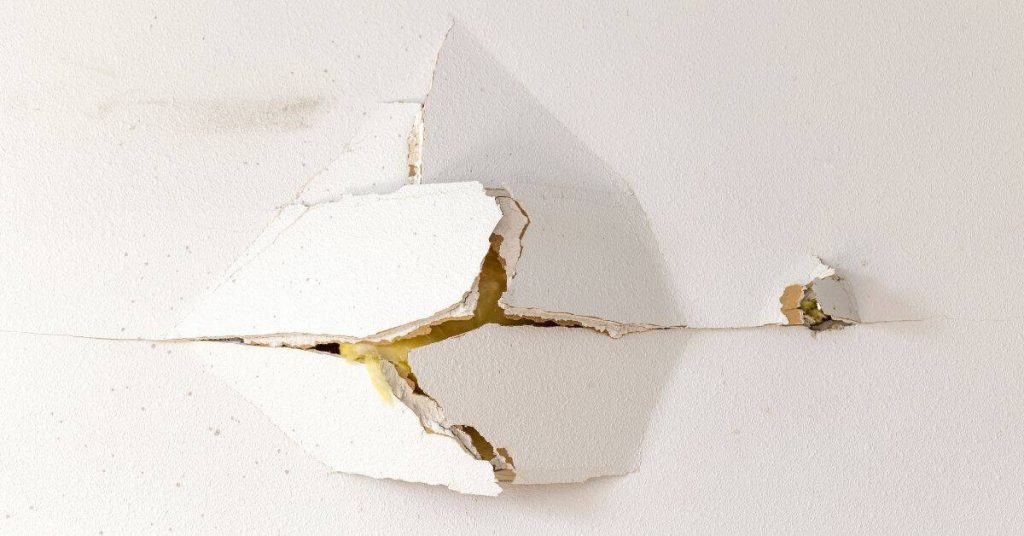
Closeup of cracked and peeling plaster on white wall

How to Repair a Failed Patch That Sounds Hollow: Cutback Rules and Reattachment Options

Introduction A failed patch that sounds hollow is a plaster area with voids that likely needs back-cutting and reattachment. In plain terms, you’ll check why it came loose and decide whether to trim the patch back or start fresh. This is a real-world, DIY job you can handle with basic tools and a patient approach. […]

How to Repair a Failed Patch That Sounds Hollow: Cutback Rules and Reattachment Options Read More »
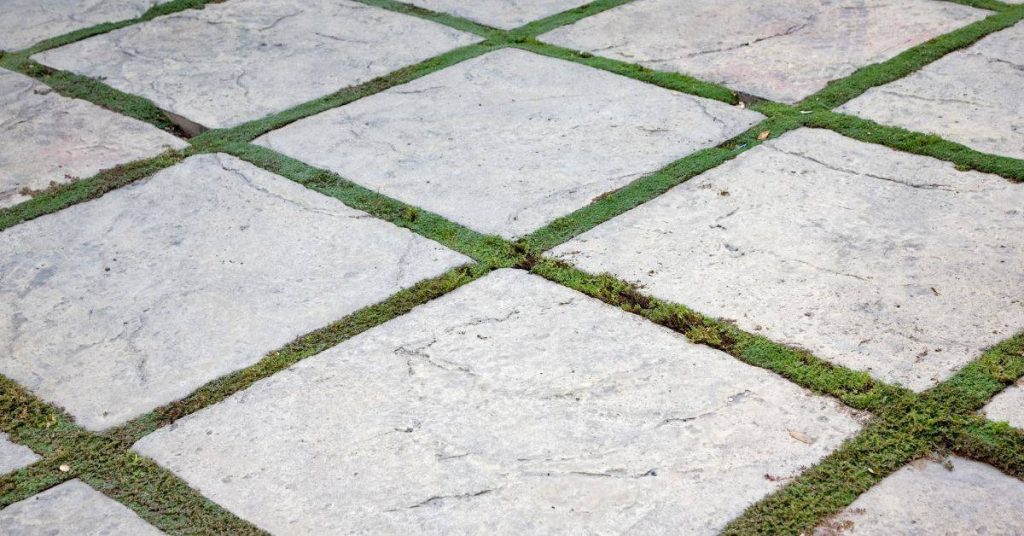

Square stone pavers with green moss in the joints

Sandblasted Finishes: Uniformity Tricks and How to Avoid Shadowing Around Joints

Introduction Sandblasted finishes are a textured surface created by blasting marble with abrasive media to reveal the stone’s grain. The result is a matte, slip-resistant look that hides tiny flaws and can add character to a space. As a DIY project, it’s important to understand that consistency comes from planning, the right media, and steady

Sandblasted Finishes: Uniformity Tricks and How to Avoid Shadowing Around Joints Read More »

Long white concrete pump arm extending over building roof

Sump Pit Design Basics: Lid Sealing, Radon Tie-In, and Pump Cycling Problems

Introduction Sump pit design basics are practical steps to contain groundwater, seal the lid, and manage the pump. Keep the pit clean, plan the lid fit, and consider ventilation paths for radon if applicable. Always check local rules and manufacturer guidance when selecting components. Lid sealing techniques involve a tight fit, gasket or sealant use,

Sump Pit Design Basics: Lid Sealing, Radon Tie-In, and Pump Cycling Problems Read More »

Cracked white mortar on red brick wall in sunlight

Latex (SBR) Modifiers in Repair Mortars: Strength Gains vs Breathability Losses

Introduction Latex (SBR) modifiers are synthetic rubber additives used in repair mortars to improve flexibility and adhesion. They help the mortar resist cracking as concrete moves, but they can reduce breathability if overused. Always check the product label and manufacturer instructions for recommended usage and cure expectations. In textile-reinforced mortars (TRMs), SBR modifiers can boost

Latex (SBR) Modifiers in Repair Mortars: Strength Gains vs Breathability Losses Read More »

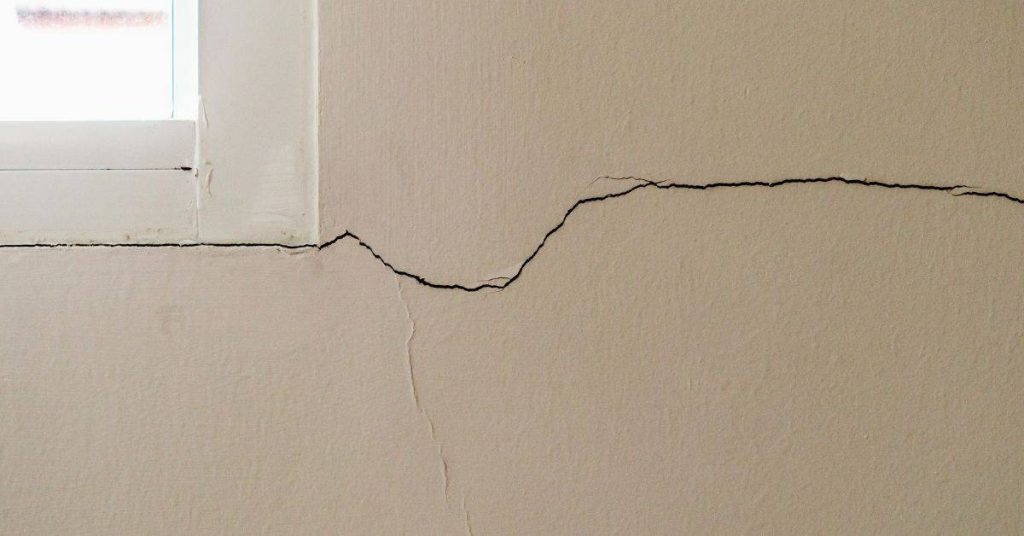
Close-up of wall crack near window frame indoors

Crack Monitoring on Slabs: Tell-Tales, Gauges, and When Movement Is Active

Introduction Crack monitoring on slabs is watching cracks for changes to tell if the slab is moving. You use simple tell-tales or gauges to notice width changes over time, so you can decide if action is needed. Keep it plain and repeatable, with measurements at the same spots. Start with an initial measurement of the

Crack Monitoring on Slabs: Tell-Tales, Gauges, and When Movement Is Active Read More »

Four rectangular concrete slabs with handwritten markings

Chloride Ion Testing in Old Slabs: When Salt Exposure Is the Real Problem

Introduction Chloride ion testing in old slabs is a way to find out whether salt exposure is the real problem behind concrete issues. It helps separate chloride-related damage from other moisture or subfloor failures. In plain terms, it’s part of diagnosing why a floor isn’t performing as you’d expect. Many times, moisture problems drive cracking,

Chloride Ion Testing in Old Slabs: When Salt Exposure Is the Real Problem Read More »

Close-up of rough light gray stucco wall texture

Stopping Mold Regrowth on Stucco: Fixing moisture sources, not just the surface

Introduction Stopping mold regrowth on stucco means addressing the moisture that feeds it, not just cleaning the surface. Mold on stucco tends to come back if you don’t fix leaks, condensation, or improper drainage. Look for obvious sources like roof or gutter leaks, cracked stucco, and flashing issues, and note what you can realistically repair

Stopping Mold Regrowth on Stucco: Fixing moisture sources, not just the surface Read More »

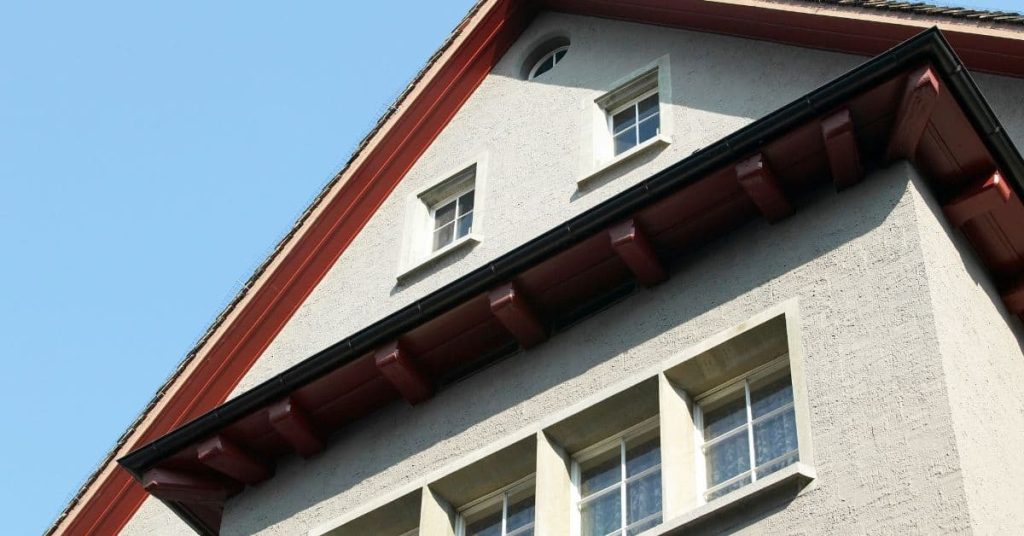
Close up of stucco exterior wall under windows with roof eaves

Water Staining on Stucco Under Windows: Causes and better details

Introduction Water staining on stucco under windows is damp marks caused by moisture seeping or condensing near the window area. It often shows as brown, gray, or darker streaks and can come from leaks, condensation, or improper flashing. Check the window flashing, sealants, and the siding above to find where moisture is entering. To address

Water Staining on Stucco Under Windows: Causes and better details Read More »