Search Results for: wood in concrete floor

Woman inspecting white painted plaster wall closely

Sealing Nicotine Stains on Plaster: Why Some Primers Fail and What Works

Introduction Sealing nicotine stains on plaster means using the right primer to lock in oils and prevent bleed-through. If the surface isn’t cleaned or the wrong primer is chosen, the stain can bleed through and darken again. This article stays practical, with hands-on steps you can follow. Start with thorough cleaning to remove surface grime […]

Sealing Nicotine Stains on Plaster: Why Some Primers Fail and What Works Read More »

White electrical outlet on a painted white wall

Limewash Over Previously Painted Walls: What Prep Makes It Stick (and What Doesn’t)

Introduction Limewash can be applied over previously painted walls with proper prep to let it stick. Start by cleaning and inspecting the surface, scraping off loose paint, and washing until it’s clean and dry. Then follow the product label directions and any local rules for bonding or priming as needed. In practice, the beginners’ approach

Limewash Over Previously Painted Walls: What Prep Makes It Stick (and What Doesn’t) Read More »

Paintbrush dipping into open can of blue paint

Paint Storage in Winter: Freezing Damage, Re-Mixing, and When to Toss a Can

Introduction Paint storage in winter means keeping paint properly so it doesn’t separate, freeze, or go bad and knowing when to toss leftovers. Cold conditions can cause damage to the mix or seal, so plan ahead to protect cans and contents. Keep lids tight, store upright, and avoid exposing cans to drafts or extremes. If

Paint Storage in Winter: Freezing Damage, Re-Mixing, and When to Toss a Can Read More »

Close up of textured stone-like tiles in various gray shades

Form Liner Basics: Getting Consistent Texture and Avoiding Trapped Air Patterns

Introduction Form liner basics mean using flexible surface liners in concrete forms to shape texture and finish. They define the pattern you pull from the concrete and help control air pockets as the mix cures. We’ll cover how to choose liners, how they sit in the frame, and what to look for during setup. To

Form Liner Basics: Getting Consistent Texture and Avoiding Trapped Air Patterns Read More »

Close-up of rusted steel rebar tied with metal wire chairs

Plastic Rebar Chairs vs Wire Chairs: Avoiding Rust Staining and Punch-Through

Introduction Plastic rebar chairs are non-metal, lightweight supports that keep rebar off the form and away from the wet concrete. Unlike wire chairs, they won’t rust and stain the concrete, which helps with a cleaner pour. Check that the chairs are rated for the cover you need and compatible with your rebar size before using.

Plastic Rebar Chairs vs Wire Chairs: Avoiding Rust Staining and Punch-Through Read More »

White concrete mixer truck at a construction site

Cold-Weather Mixing Station Setup: Keeping Water, Bags, and Tools Above Freezing

Introduction Cold-Weather Mixing Station Setup means keeping water, bags, and tools above freezing. In practice, you’ll set up a small, sheltered area and plan for material handling so everything stays usable in cold weather. Frost resistance of bags, containers, and tools is worth confirming before you set up the station. Check the product labels or

Cold-Weather Mixing Station Setup: Keeping Water, Bags, and Tools Above Freezing Read More »

Closeup of power drill chuck with drill bit attached

Thickened-Edge Slabs vs Grade Beams: Choosing the Simpler Detail That Still Meets Loads

Introduction Thickened-edge slabs and grade beams are two ways to carry loads from the surface to the soil. This article tells you how to pick the simpler option that still meets the load needs. I’ll keep it practical and straight to the point for a DIY build. You’ll get a plain-language view of when a

Thickened-Edge Slabs vs Grade Beams: Choosing the Simpler Detail That Still Meets Loads Read More »

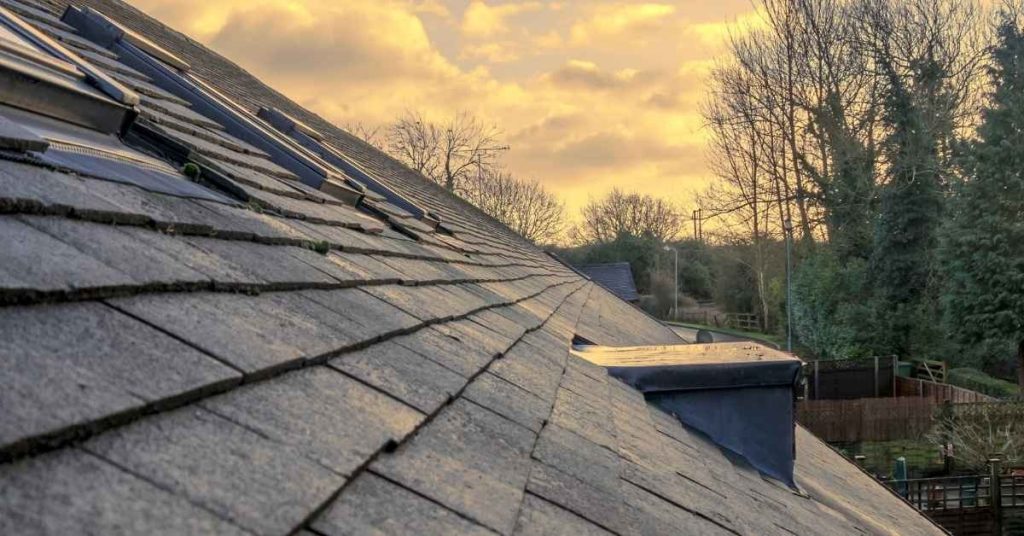
Slate roof with metal flashing under golden sky

Window Head Flashing Behind Stucco: Drip Caps, End Dams, and How to Stop Head Leaks

Introduction Window head flashing behind stucco is a weatherproofing detail that directs water at the top of the window away from the opening. It often relies on drip caps, end dams, and proper sealing to shed water behind the stucco rather than into the wall. When you’re working, look for gaps, torn flashing, or loose

Window Head Flashing Behind Stucco: Drip Caps, End Dams, and How to Stop Head Leaks Read More »

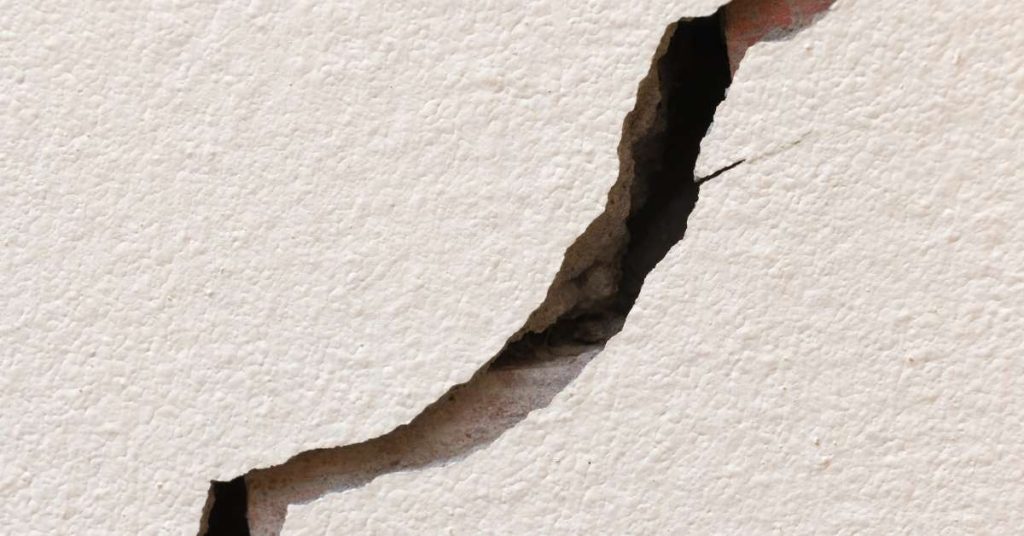
Close-up of a large crack in a stucco wall

Stucco Soffits and Overhangs: Crack Control at Framing Transitions and Vent Cutouts

Introduction Stucco soffits and overhangs are the sheltered edges under the roof where it meets the wall, and cracking happens where framing moves or openings exist. This article walks you through noticing those cracks early and keeping moisture out. You’ll learn simple, hands-on checks you can perform during a DIY project and what to fix

Stucco Soffits and Overhangs: Crack Control at Framing Transitions and Vent Cutouts Read More »