Search Results for: wood in concrete floor

Blue painted wooden doors with visible horizontal paint streaks

Why Paint Gets Sticky Behind Doors: Soft Films, Plasticizers, and Blocking Prevention

Introduction Sticky paint behind doors is when the film stays soft and tacky after it dries. That softness can come from plasticizers in the paint and a finish that cures slowly in tight spaces. Heat, humidity, and being pressed between door frames can make the film stay sticky longer. To prevent or fix it, read […]

Why Paint Gets Sticky Behind Doors: Soft Films, Plasticizers, and Blocking Prevention Read More »
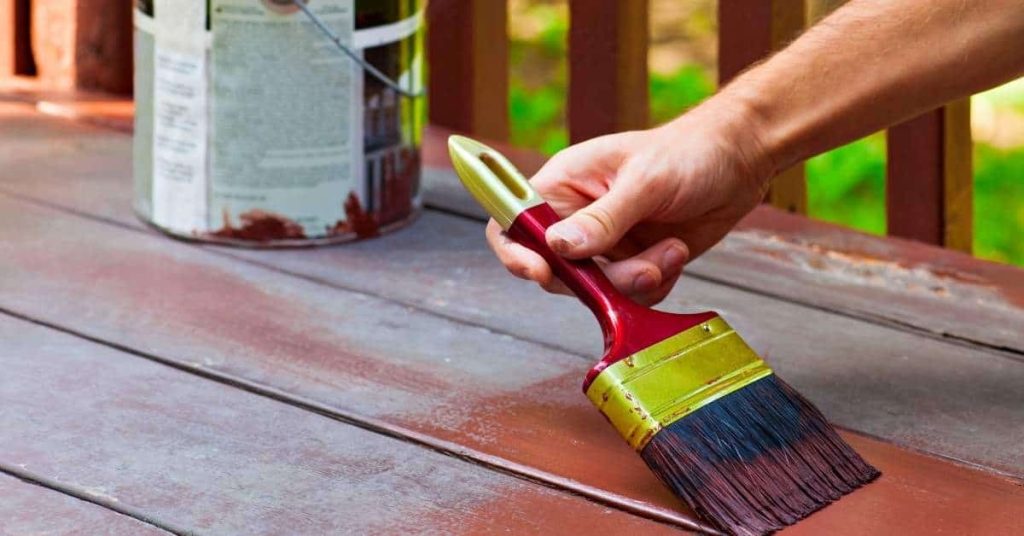
Hand painting wooden deck with red paint and brush

How to Paint When Nights Are Cold: Dew, Condensation, and Why Morning Painting Sometimes Fails

Introduction Cold nights create dew and condensation that can sabotage paint adhesion. If you paint when surfaces are damp or the surface is cooling through the night, you risk cloudy finishes and peeling. This article explains practical checks and timing to avoid those problems. To plan smartly, check the forecast and test surfaces for moisture

How to Paint When Nights Are Cold: Dew, Condensation, and Why Morning Painting Sometimes Fails Read More »

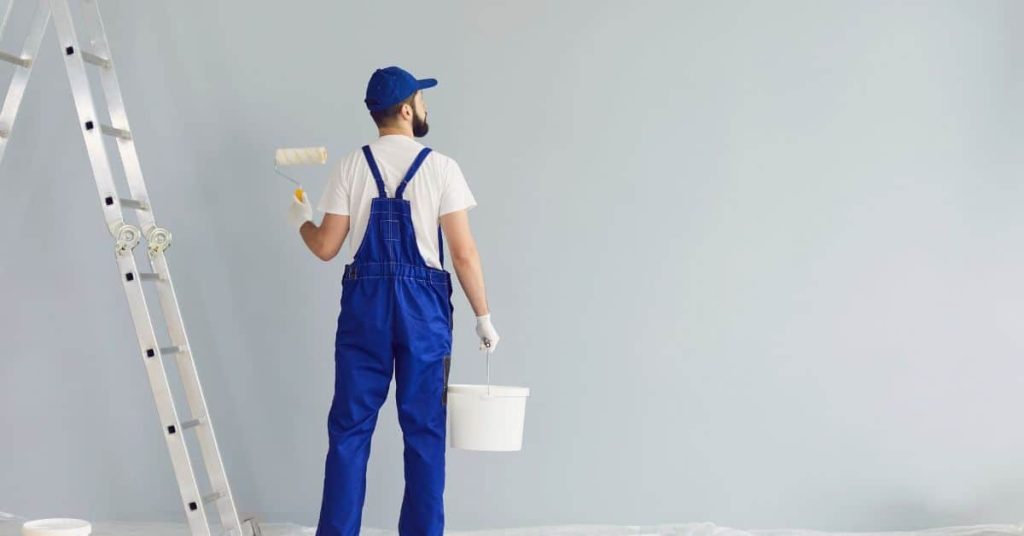
Man in blue overalls painting a plain interior wall

Painting Over Paint That Never Fully Cured: Why It Wrinkles and How to Reset the Surface

Introduction Wrinkling happens when a paint layer hasn’t fully cured, so a new coat can’t lay flat. That soft film traps solvents and moisture, causing bubbles and wrinkles as you apply fresh paint. Work with the surface you have, not against it, and you’ll improve the look. To reset the surface, start by cleaning and

Painting Over Paint That Never Fully Cured: Why It Wrinkles and How to Reset the Surface Read More »

Stone fireplace surrounded by plaster walls and large windows

Clay Plaster in Entryways: Scuff Resistance, Touch-Ups, and Protective Finishes

Introduction Clay plaster in entryways is a clay-based finish applied to walls to create a durable, breathable surface. In busy entry spots you’ll want to understand how it resists scuffs and how touch-ups go when scuffs happen. Check product labels and local rules for any limits on sealing or indoor use before you start. Touch-ups

Clay Plaster in Entryways: Scuff Resistance, Touch-Ups, and Protective Finishes Read More »

Hand holding trowel with wet concrete inside container

Feather-Edge Patch Failures: Minimum Thickness Rules and Better Edge Details

Introduction Feather-edge patch failures occur when the thin edge of a patch is not thick or stable enough to grip the surrounding concrete. In plain terms, the edge can erode or chip and the patch pulls away. Make sure you follow the material’s directions and local rules for edge prep. To avoid failures, clean and

Feather-Edge Patch Failures: Minimum Thickness Rules and Better Edge Details Read More »

Wire mesh secured flat on wet cement surface

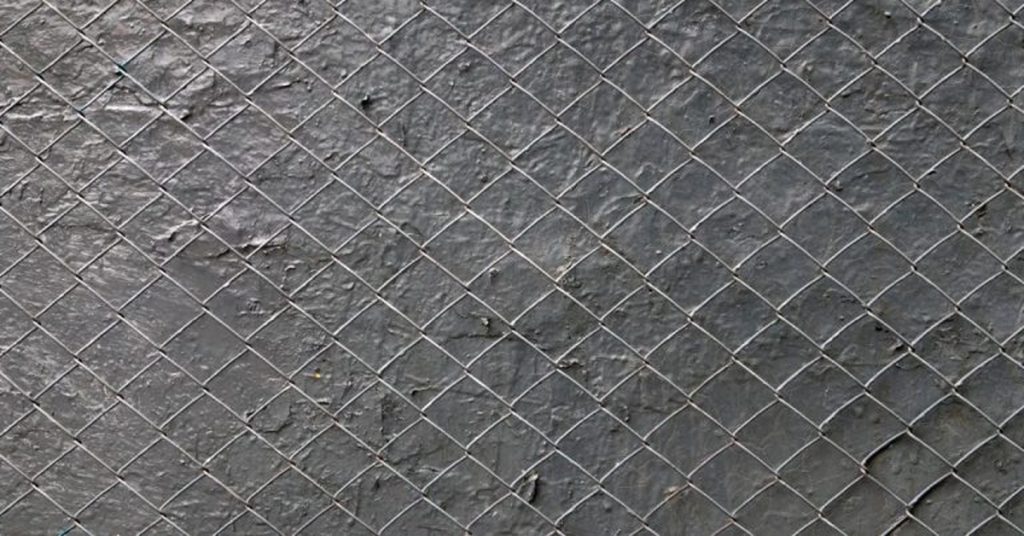
How to Keep Mesh Flat During a Pour: Pinning Methods That Beat ‘Hook and Pull’

Introduction Pinning mesh flat during a pour means using temporary fasteners to hold the wire or plastic mesh steady so it lays as you pour. The goal is to prevent sagging, curling, or fish-tailing as the concrete flows. You’ll position, secure, and adjust as you go. Try a few simple techniques: place temporary pins or

How to Keep Mesh Flat During a Pour: Pinning Methods That Beat ‘Hook and Pull’ Read More »

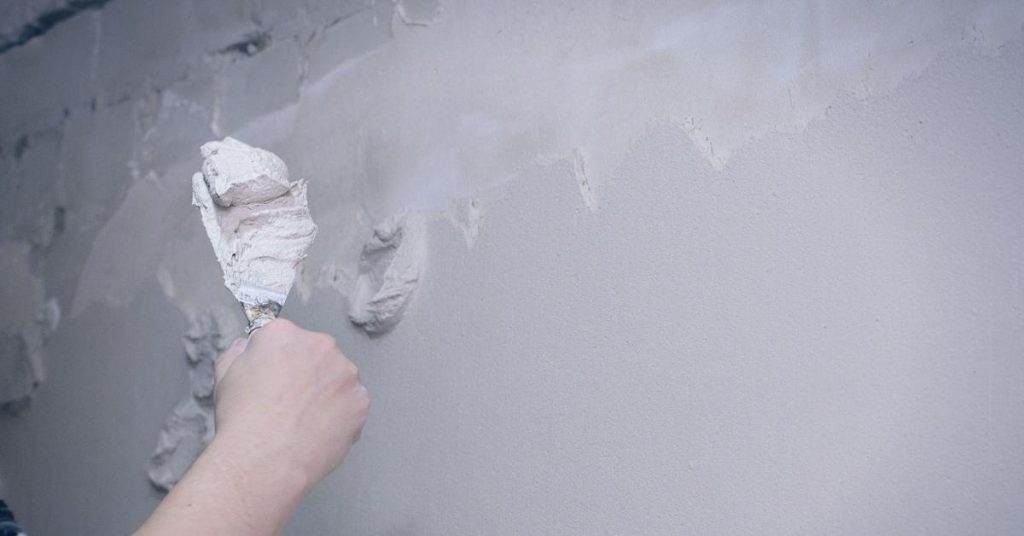
Hand applying plaster to damaged wall with trowel

Repairing Plaster Keys From the Back Side: When Access Exists and How to Lock It In

Introduction Repairing plaster keys from the back side means fixing the hidden anchors behind the plaster when you can reach them. You work from the cavity side, not the face, and you aim to reattach loose plaster to the lath or keys. This approach relies on solid access and careful placement to lock the repair

Repairing Plaster Keys From the Back Side: When Access Exists and How to Lock It In Read More »

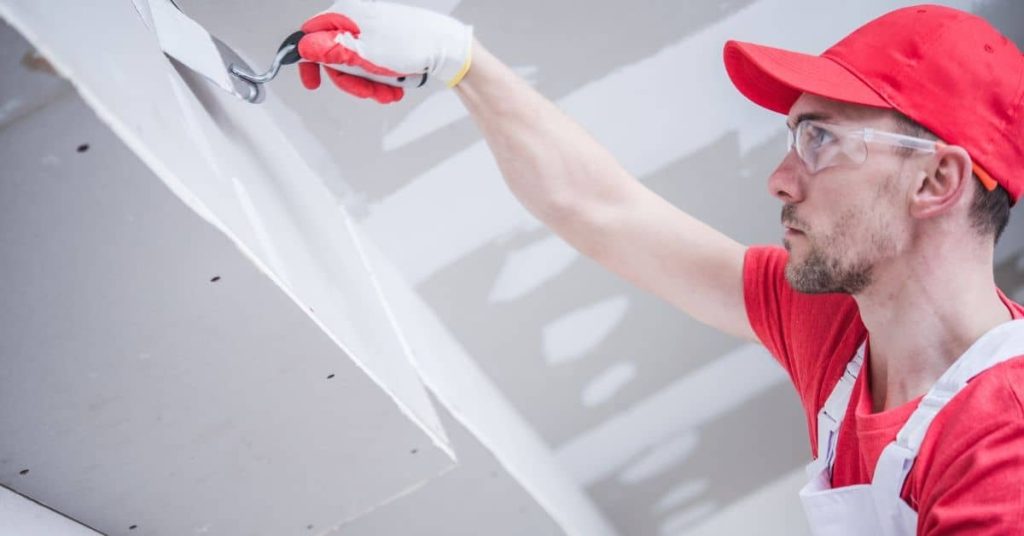
Man in red cap applying joint compound to drywall ceiling

Plaster vs Joint Compound for Repairs: Where Each Cracks and How to Combine Them

Introduction Plaster and joint compound are traditional wall repair options that serve different purposes. Plaster gives a hard, durable finish when applied over lath or backing, while joint compound is a softer patch material for seams and small repairs. Your choice depends on the location, the surface, and the level of patch you need. In

Plaster vs Joint Compound for Repairs: Where Each Cracks and How to Combine Them Read More »

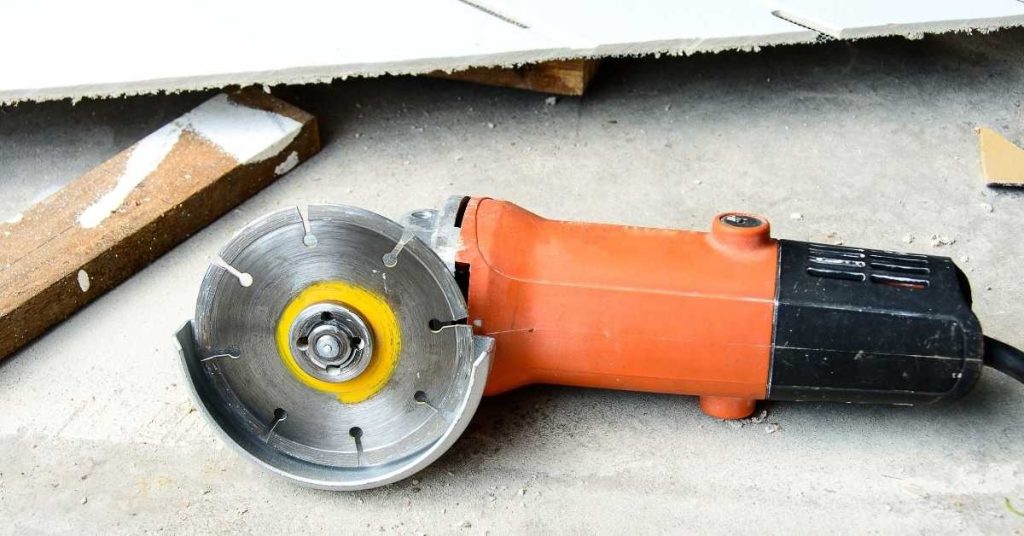
Corded angle grinder lying on dusty concrete floor

How to Avoid Grinder ‘Swirl Marks’: Technique, Tool Path, and When to Cross-Hatch

Introduction Grinder swirl marks are fine scratches left by abrasive motion, and you avoid them with the right technique. Choose the right grinder and disk for the wood task, keep the surface clean, and maintain steady, even pressure. Work in small, overlapping passes and check your progress often before moving to a finer abrasive. Use

How to Avoid Grinder ‘Swirl Marks’: Technique, Tool Path, and When to Cross-Hatch Read More »

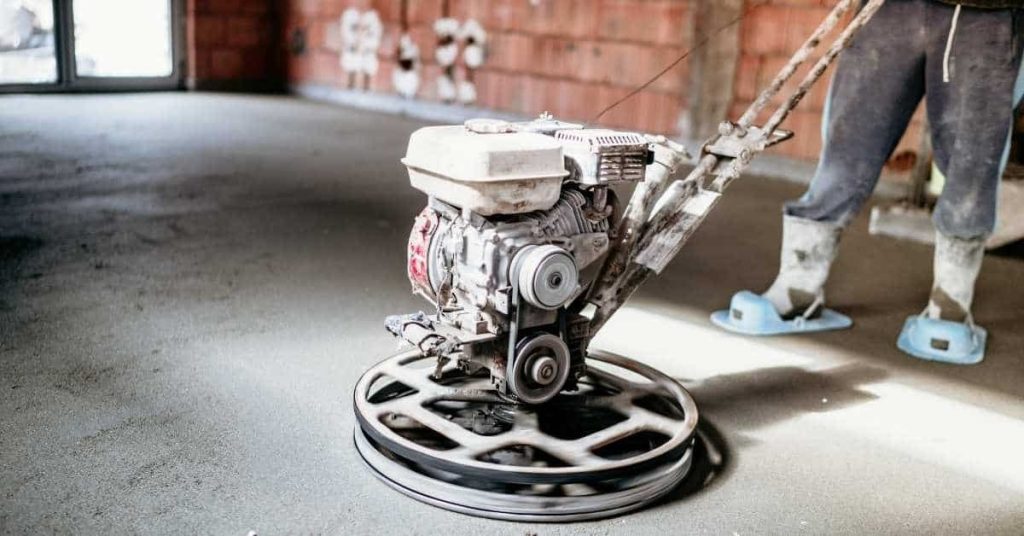
Concrete power trowel smoothing freshly poured floor

DIY Knee Board for Finishing: How to Spread Weight Without Leaving Marks

Introduction A knee board for finishing is a lightweight, portable surface that distributes your weight to prevent marks on finished floors while you work. It helps you keep your lines clean and your knees comfortable as you move along the job. Check the product label or manufacturer instructions for max load and surface grip, and

DIY Knee Board for Finishing: How to Spread Weight Without Leaving Marks Read More »