Search Results for: wood in concrete floor

Decorative plaster corbel on brick wall under sill

Adding a Drip Groove Under Brick Sills: Cutting, Sealing, and Stopping Stains

Introduction A drip groove under brick sills is a small channel cut into the sill edge or underside to guide water away from the wall. Cutting it helps prevent standing water and staining, while proper sealing keeps materials from wicking moisture. It’s a practical DIY step that reduces moisture problems behind brick. To do it, […]

Adding a Drip Groove Under Brick Sills: Cutting, Sealing, and Stopping Stains Read More »
Man holding plastering hawk with fresh plaster

Sagging Plaster Ceilings: When Washers Help—and When Strapping Is Smarter

Introduction Sagging plaster ceilings can be stabilized temporarily by using washers under fasteners to pull the plaster back up. This is a short-term fix that can buy time while you plan a more permanent repair. Make sure you’re hitting solid framing, not just flaky plaster. Strapping is usually the smarter long-term approach when the ceiling

Sagging Plaster Ceilings: When Washers Help—and When Strapping Is Smarter Read More »

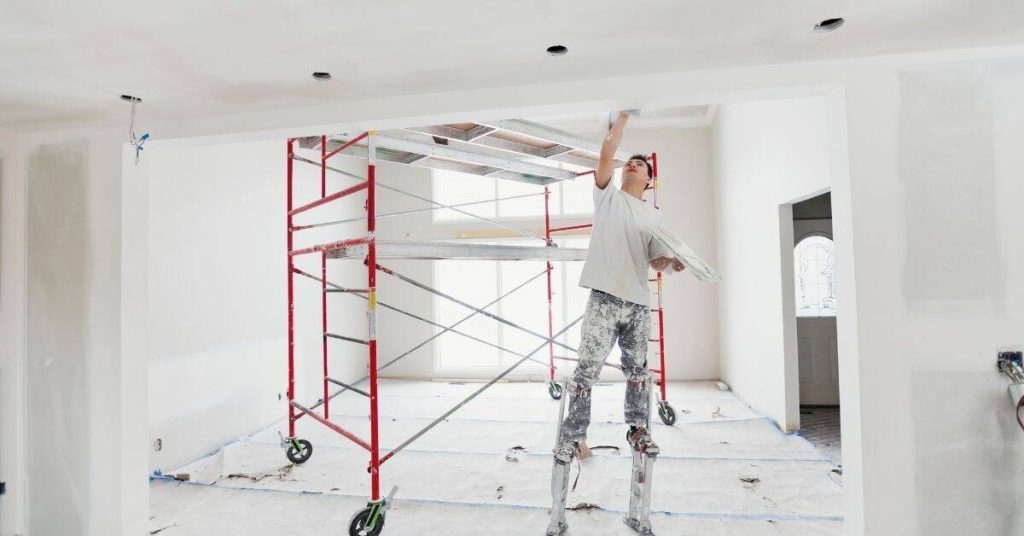
Worker on stilts applying plaster to ceiling near scaffolding

Plaster Ceiling Cracks Along Joists: Why They Return and How to Bridge Them

Introduction Cracks along ceiling plaster near joists happen when the ceiling system moves and the plaster loses grip. They often reopen because framing shifts or settling continues after repair. This is DIY-friendly but you must inspect joist movement and check for underlying causes. Bridge them by stabilizing the joint area and smoothing a patch over

Plaster Ceiling Cracks Along Joists: Why They Return and How to Bridge Them Read More »

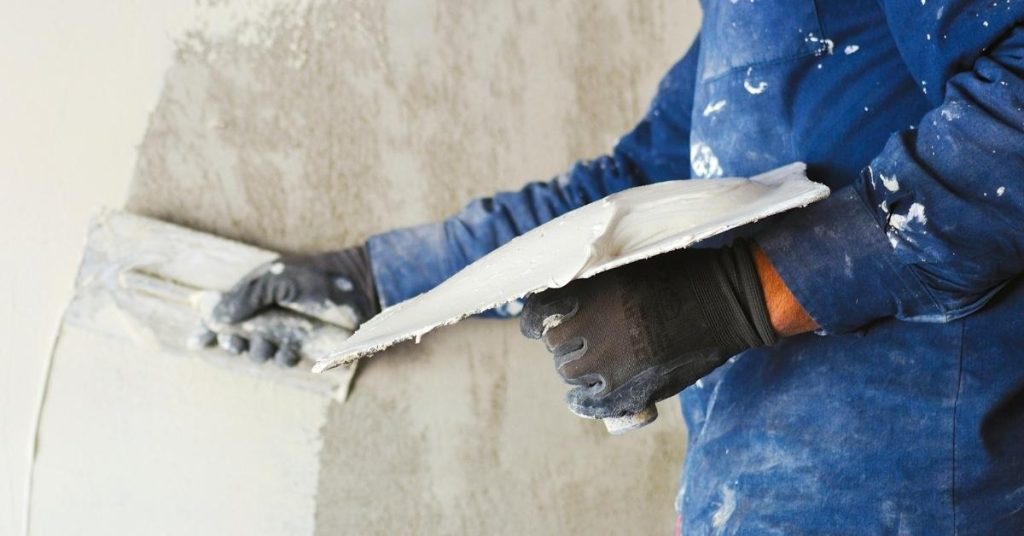
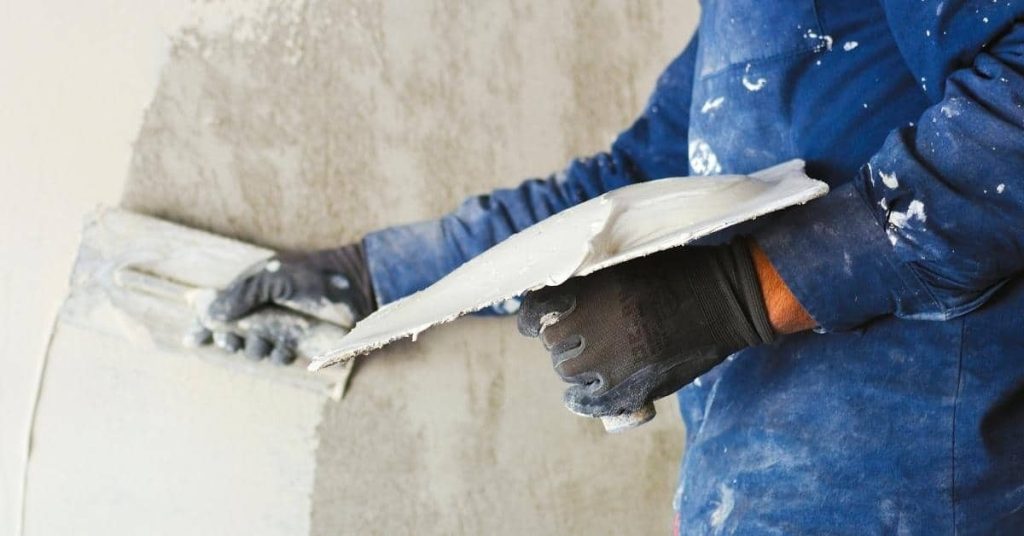
Worker applying plaster to wall with trowel and hawk

Venetian Plaster Over Existing Tile: Prep, Bond Bridges, and Edge Detailing

Introduction Venetian plaster over existing tile is applying plaster onto a tile surface to create a seamless, stone-like finish. Prep and bond are critical, because you’re sticking plaster to a non-porous base. You’ll need to clean, roughen, and seal as needed, then choose a compatible bonding product and follow its directions. Start with careful prep,

Venetian Plaster Over Existing Tile: Prep, Bond Bridges, and Edge Detailing Read More »

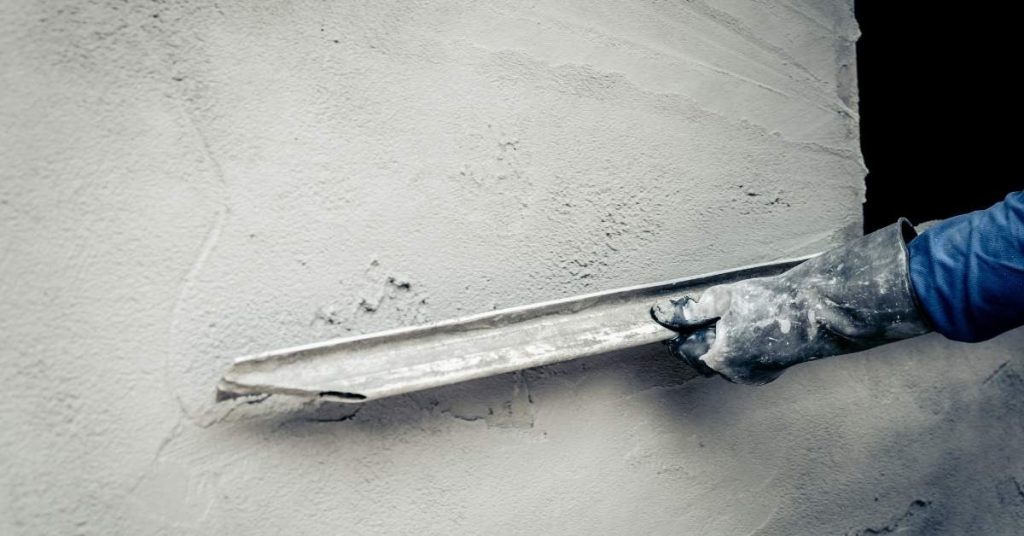
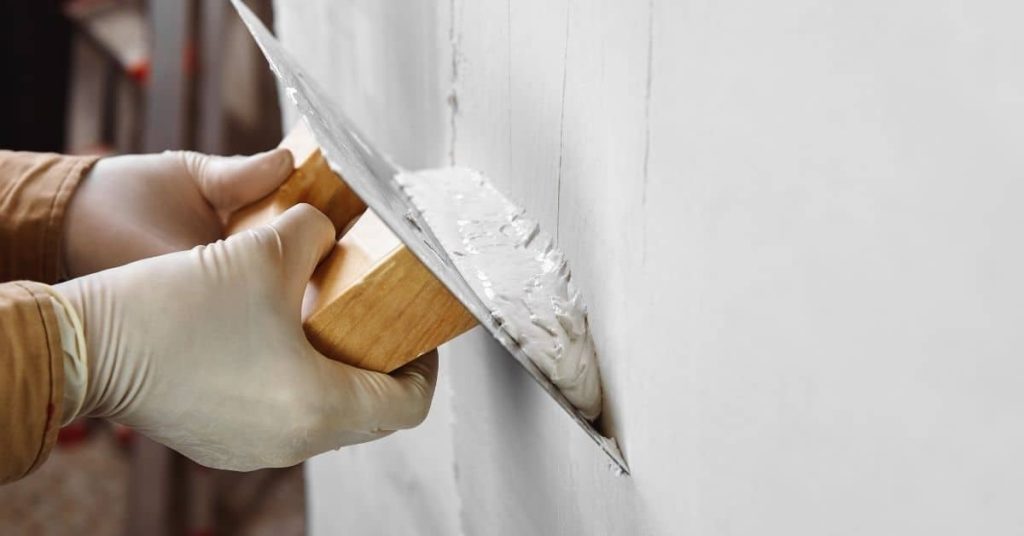
Gloved hand holding a metal trowel against a plaster wall

Hollow-Sounding Plaster Walls: Tap Maps, Key Failure Patterns, and Targeted Stabilization

Introduction Hollow-sounding plaster walls hide voids behind the plaster, so tapping sounds hollow. This usually means the lath or backing has failed or separated from the surface. Understanding this helps you map where stabilization work is needed. To map the problem, tap in several spots and note where the sound is the weakest. Look for

Hollow-Sounding Plaster Walls: Tap Maps, Key Failure Patterns, and Targeted Stabilization Read More »

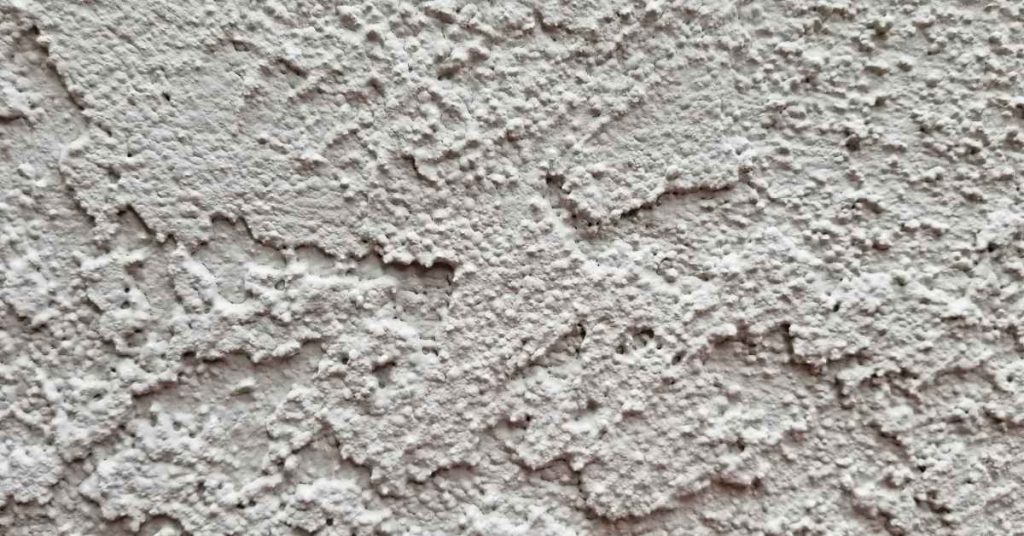
Close-up of white stucco wall texture

Mounting Heavy Items on Stucco: Spacers, Blocking, and Not Crushing the Finish

Introduction Mounting heavy items on stucco means creating solid backing behind the finish and using spacers to keep the surface intact while fasteners carry the load. Choose an anchor type appropriate for stucco and plan spacers and backing to avoid crushing the finish. Follow installation steps for the chosen anchor, check for proper spacing and

Mounting Heavy Items on Stucco: Spacers, Blocking, and Not Crushing the Finish Read More »

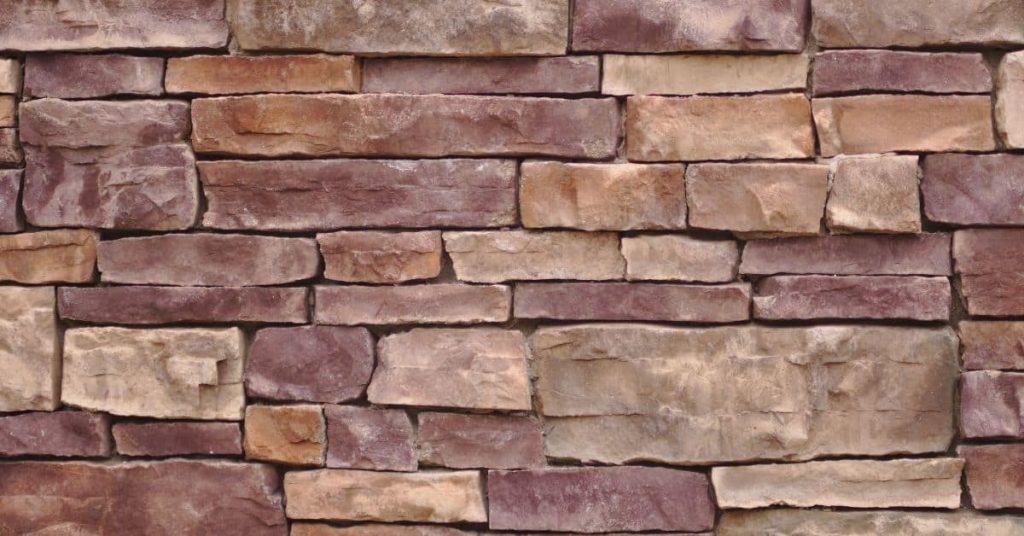
Close-up of stacked stone veneer wall with varied shapes

Brick Veneer 101: Air Gaps, Weeps, and Why “Stuck-On” Systems Fail

Introduction Brick veneer is a non-structural facing that sits on a wall with an intentional air gap to vent moisture. Understanding why air gaps and weep holes matter helps you spot issues before they show up. This setup is what keeps brick veneer performing without relying on the wall itself for support. Stuck-on brick systems

Brick Veneer 101: Air Gaps, Weeps, and Why “Stuck-On” Systems Fail Read More »

Gloved hands applying plaster on wall with trowel

Gypsum Over Lime Plaster: Compatibility Traps and Smart Primers

Introduction Gypsum over lime plaster is when you apply gypsum-based finish over a lime plaster substrate, which calls for checking compatibility first. Lime and gypsum cure differently, so mismatches can cause peeling or cracking, and a proper primer or bond coat helps. Plan your prep and follow manufacturer or product guidance for the exact steps.

Gypsum Over Lime Plaster: Compatibility Traps and Smart Primers Read More »

Person applying fresh plaster to wall with trowel and hawk

When Plaster Cracks Matter: Cosmetic Lines vs Movement Red Flags

Introduction Cosmetic cracks are fine, non-structural lines that don’t indicate movement. Movement-related cracks show ongoing change in the wall and may signal settlement or moisture problems. In DIY terms, sturdy plaster can crack from drying or shrinkage, but bigger concerns require closer checks for movement. Visual signs to watch include hairline cracks that stay the

When Plaster Cracks Matter: Cosmetic Lines vs Movement Red Flags Read More »