Search Results for: weep

Close-up of blue painted stucco wall texture

Patch “Picture Framing” on Painted Stucco: Prime Zones and Feathered Coating Steps

Introduction Patch “Picture Framing” on painted stucco means touching up small areas so the patch blends with the surrounding paint while keeping the texture. This guide introduces how to spot the framing, choose basic tools, and apply a feathered coat with primer over patches. Keep it practical and straightforward, like a real hands-on repair. Before […]

Patch “Picture Framing” on Painted Stucco: Prime Zones and Feathered Coating Steps Read More »

close-up of rough textured coarse stucco surface

Stucco Terminations at Patios: Splashback Zones, Capillary Breaks, and Grade Fixes

Introduction Stucco terminations at patios are the edge details that stop water and keep finishes from failing. They cover splashback zones, capillary breaks, and grade-related fixes in practical terms. Look to manufacturer guidance for any specific installation steps or local rules. You may see alternate terms for these details like termination trims or kickouts. Make

Stucco Terminations at Patios: Splashback Zones, Capillary Breaks, and Grade Fixes Read More »

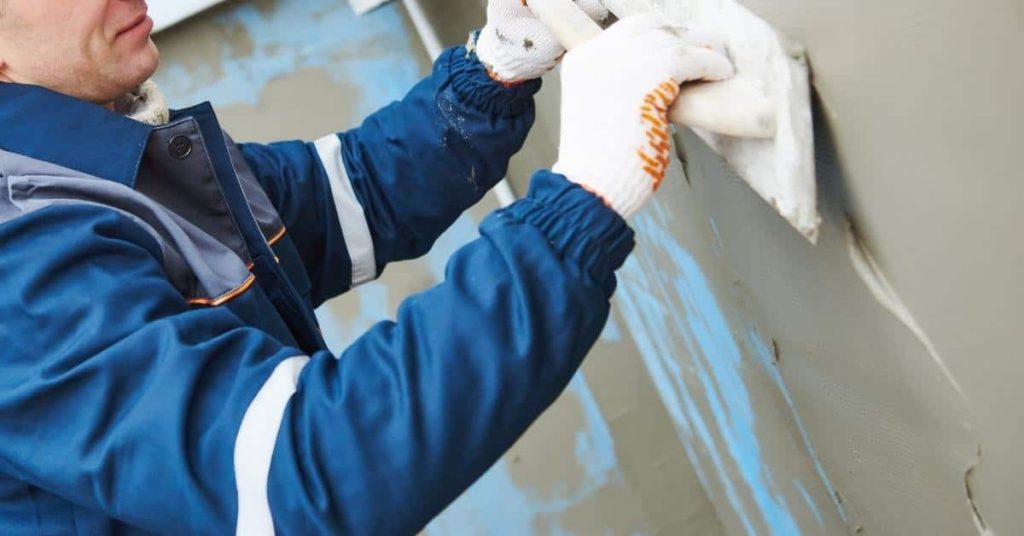
Worker smoothing stucco plaster on wall

Stucco Around Solar Mounts: Standoffs, Sealants, and Keeping Drainage Paths Open

Introduction This article covers how to stucco around solar mounts to seal, support, and keep drainage clear. It’s a hands-on, DIY approach that balances protection with easy maintenance. Use proper technique for applying stucco around mounts, choosing standoffs that keep panels level and allow drainage paths. Select sealants rated for roof penetrations and check manufacturer

Stucco Around Solar Mounts: Standoffs, Sealants, and Keeping Drainage Paths Open Read More »

Hands marking a wall using a stud finder and pencil

Kickout Flashing Retrofits Behind Stucco: Safe Cutbacks and Correct Lap Order

Introduction Kickout flashing is the metal flange that directs water away from the stucco at a wall opening, helping water not to get behind the siding. This article covers safe cutbacks and how to keep the lap order correct when retrofitting behind existing stucco. If in doubt, check the product label and local rules for

Kickout Flashing Retrofits Behind Stucco: Safe Cutbacks and Correct Lap Order Read More »

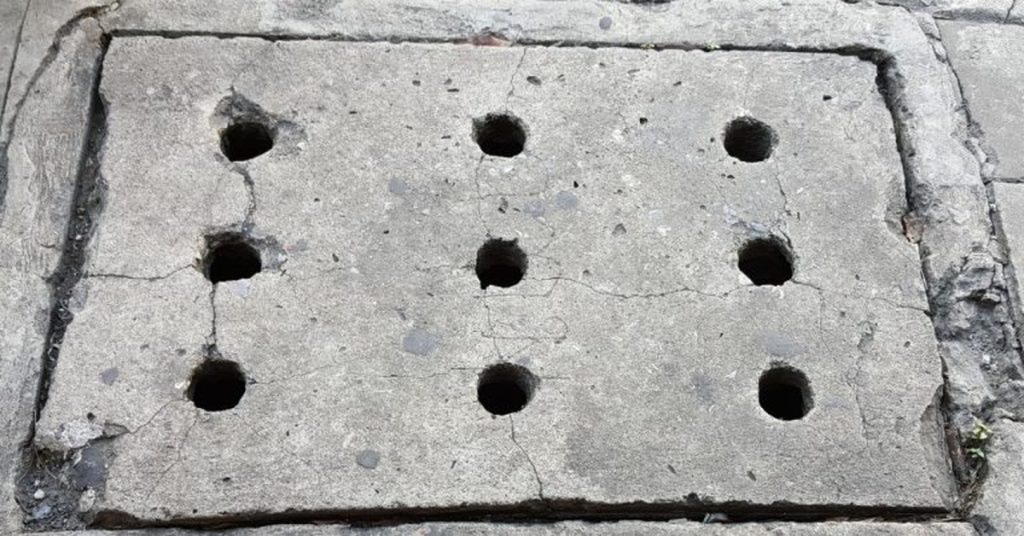
Concrete slab with multiple drainage holes and visible cracks

Concrete Planters Without Efflorescence: Mix Design, Drainage, and Breathable Waterproofing

Introduction Concrete planters without efflorescence come from a careful mix, proper drainage, and breathable waterproofing that lets moisture escape. This is a hands‑on guide, built from real-world steps you can follow in a DIY project. Always check product labels and local rules if a spec or method seems unclear. We touch on practical techniques for

Concrete Planters Without Efflorescence: Mix Design, Drainage, and Breathable Waterproofing Read More »

Pile of crushed concrete outdoors under clear sky

GFRC Concrete Face Coat Troubleshooting: Pinholes, Fiber Behavior, and Timing

Introduction GFRC face coat troubleshooting is diagnosing and fixing common issues like pinholes, fiber behavior, and timing mistakes in GFRC mixes. This guide aims to give practical, hands-on steps you can check on the job site. Start by confirming your mix design and how the fibers are added, since those drive surface quality. Pinholes tend

GFRC Concrete Face Coat Troubleshooting: Pinholes, Fiber Behavior, and Timing Read More »

Person applying white plaster on wall with trowel

White Haze on New Brickwork: Efflorescence vs Lime Run vs Mortar Wash (and what to do)

Introduction White haze on new brickwork is usually caused by moisture pulling salts to the surface, which can show up as efflorescence, lime run, or mortar wash. These issues look similar, so you’ll want to observe when it appeared and how the surface feels. Check if the haze is on all bricks or just near

White Haze on New Brickwork: Efflorescence vs Lime Run vs Mortar Wash (and what to do) Read More »

Decorative plaster corbel on brick wall under sill

Adding a Drip Groove Under Brick Sills: Cutting, Sealing, and Stopping Stains

Introduction A drip groove under brick sills is a small channel cut into the sill edge or underside to guide water away from the wall. Cutting it helps prevent standing water and staining, while proper sealing keeps materials from wicking moisture. It’s a practical DIY step that reduces moisture problems behind brick. To do it,

Adding a Drip Groove Under Brick Sills: Cutting, Sealing, and Stopping Stains Read More »

Caulking gun applying expanding foam sealant in corner gap

Keeping Brick Sealant Lines Clean: Masking, Tooling, and Smear-Free Cleanup

Introduction Keeping brick sealant lines clean means masking, tooling, and cleanup practices that prevent smear. Masking the surround surface with tight edges helps you control where the sealant goes. Work in small sections and wipe excess before it skins. Keep a damp rag handy to clean up as you go and protect the brick face.

Keeping Brick Sealant Lines Clean: Masking, Tooling, and Smear-Free Cleanup Read More »

Worker applying plaster to interior wall using trowel and hawk

Plaster Repairs Around HVAC Registers: Heat, Vibration, and Sharp Edges

Introduction Plaster repairs around HVAC registers are patches that seal gaps and restore a smooth surface where the duct opening meets the wall. These repairs must account for heat, vibration, and sharp edges created by the register. Keep it simple: assess the damage, choose appropriate patch materials, and plan a clean joint with the surrounding

Plaster Repairs Around HVAC Registers: Heat, Vibration, and Sharp Edges Read More »