Search Results for: weep

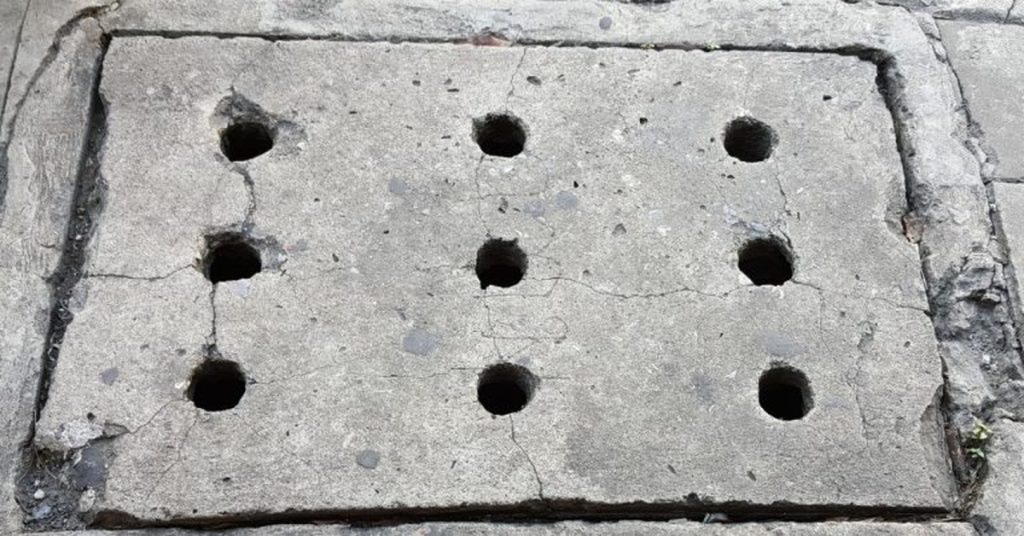
Concrete slab with multiple drainage holes and visible cracks

Concrete Planters Without Efflorescence: Mix Design, Drainage, and Breathable Waterproofing

Introduction Concrete planters without efflorescence come from a careful mix, proper drainage, and breathable waterproofing that lets moisture escape. This is a hands‑on guide, built from real-world steps you can follow in a DIY project. Always check product labels and local rules if a spec or method seems unclear. We touch on practical techniques for […]


Concrete Planters Without Efflorescence: Mix Design, Drainage, and Breathable Waterproofing Read More »

Pile of crushed concrete outdoors under clear sky

GFRC Concrete Face Coat Troubleshooting: Pinholes, Fiber Behavior, and Timing

Introduction GFRC face coat troubleshooting is diagnosing and fixing common issues like pinholes, fiber behavior, and timing mistakes in GFRC mixes. This guide aims to give practical, hands-on steps you can check on the job site. Start by confirming your mix design and how the fibers are added, since those drive surface quality. Pinholes tend

GFRC Concrete Face Coat Troubleshooting: Pinholes, Fiber Behavior, and Timing Read More »

Person applying white plaster on wall with trowel

White Haze on New Brickwork: Efflorescence vs Lime Run vs Mortar Wash (and what to do)

Introduction White haze on new brickwork is usually caused by moisture pulling salts to the surface, which can show up as efflorescence, lime run, or mortar wash. These issues look similar, so you’ll want to observe when it appeared and how the surface feels. Check if the haze is on all bricks or just near

White Haze on New Brickwork: Efflorescence vs Lime Run vs Mortar Wash (and what to do) Read More »

Decorative plaster corbel on brick wall under sill

Adding a Drip Groove Under Brick Sills: Cutting, Sealing, and Stopping Stains

Introduction A drip groove under brick sills is a small channel cut into the sill edge or underside to guide water away from the wall. Cutting it helps prevent standing water and staining, while proper sealing keeps materials from wicking moisture. It’s a practical DIY step that reduces moisture problems behind brick. To do it,

Adding a Drip Groove Under Brick Sills: Cutting, Sealing, and Stopping Stains Read More »

Caulking gun applying expanding foam sealant in corner gap

Keeping Brick Sealant Lines Clean: Masking, Tooling, and Smear-Free Cleanup

Introduction Keeping brick sealant lines clean means masking, tooling, and cleanup practices that prevent smear. Masking the surround surface with tight edges helps you control where the sealant goes. Work in small sections and wipe excess before it skins. Keep a damp rag handy to clean up as you go and protect the brick face.

Keeping Brick Sealant Lines Clean: Masking, Tooling, and Smear-Free Cleanup Read More »

Worker applying plaster to interior wall using trowel and hawk

Plaster Repairs Around HVAC Registers: Heat, Vibration, and Sharp Edges

Introduction Plaster repairs around HVAC registers are patches that seal gaps and restore a smooth surface where the duct opening meets the wall. These repairs must account for heat, vibration, and sharp edges created by the register. Keep it simple: assess the damage, choose appropriate patch materials, and plan a clean joint with the surrounding

Plaster Repairs Around HVAC Registers: Heat, Vibration, and Sharp Edges Read More »

Empty indoor concrete parking garage floor with white lines

Fixing an Acid-Etched Concrete Garage Floor: Neutralize, Profile, and Recoat Systems

Introduction This article explains how to neutralize an acid-etched concrete garage floor and prepare it for a new coating. You’ll compare surface preparation methods like acid etching versus mechanical grinding and pick the approach that fits your space and budget. Always verify what your chosen method requires by reading the product instructions and your local

Fixing an Acid-Etched Concrete Garage Floor: Neutralize, Profile, and Recoat Systems Read More »

Close-up of cracked gray concrete surface

Downspout Drainage Beside Concrete: Channel Drains vs. Buried Pipe

Introduction For runoff at a driveway, garage threshold, patio, or walkway, choose a channel drain when water must be intercepted at the concrete surface. Choose a buried solid-pipe run when the main need is to carry downspout water through a landscaped area to an approved, maintainable outlet. Neither system is the outlet itself: water still

Downspout Drainage Beside Concrete: Channel Drains vs. Buried Pipe Read More »

Hand holding blue caulking gun near white ceiling corner

Stucco-to-Window Caulk Lines: Where to Seal and Where to Leave Drainage

Introduction Caulking between stucco and window frames should be sealed where moisture can enter and left unblocked where drainage is needed. This article keeps it simple for DIYers: look for gaps, cracks, and misfitting edges and decide what to seal. Use the right sealant and apply cleanly, then check drainage paths. Identify gaps around windows

Stucco-to-Window Caulk Lines: Where to Seal and Where to Leave Drainage Read More »