Search Results for: weep

rough textured grey concrete wall surface with marks

Concrete post base pockets and voids: where they come from and how to patch invisibly

Introduction Concrete post base pockets and voids are hollow spaces that form around a post base when concrete doesn’t fill evenly. They can occur from improper forms, settling, or air pockets during pouring. These gaps can weaken the attachment if not addressed. To patch invisibly, clean the area, mix a compatible repair mortar, and fill […]

Concrete post base pockets and voids: where they come from and how to patch invisibly Read More »
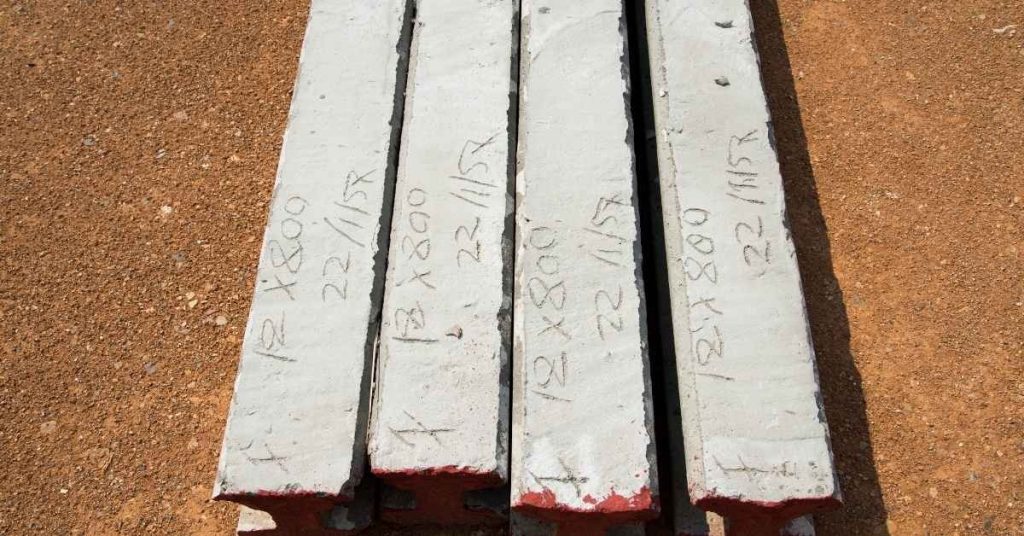
Four long concrete test slabs with handwritten markings

Troubleshooting DIY mixes with a slump test: what bad numbers look like in real concrete

Introduction A slump test checks how fluid your concrete mix is by measuring how much it slumps or settles. It’s a quick way to see if the mix is too dry or too watery before you lay it. If the numbers seem off, check the product label, manufacturer instructions, and any local guidelines for your

Troubleshooting DIY mixes with a slump test: what bad numbers look like in real concrete Read More »

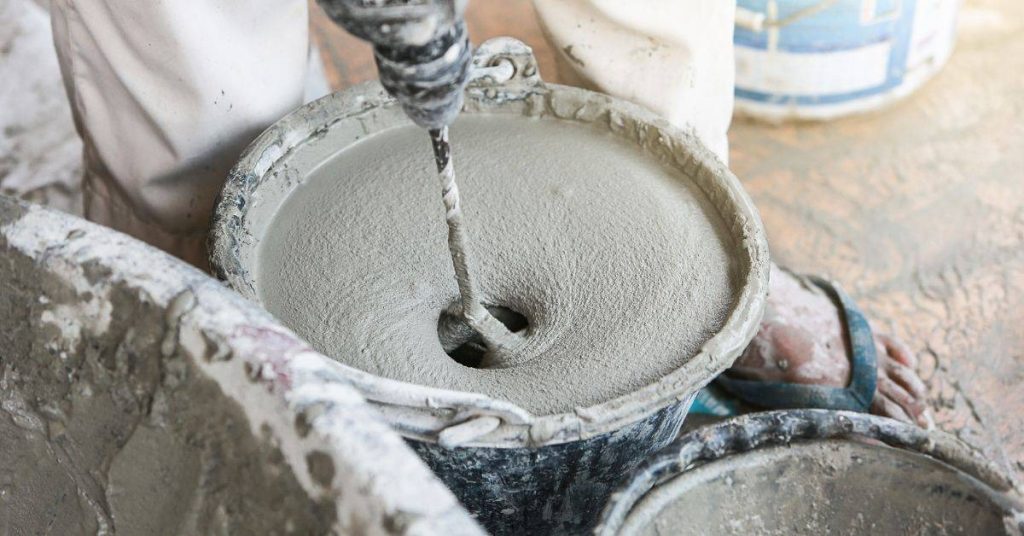
electric drill mixing cement in a bucket on dusty floor

Small-batch mixing: keeping ratios honest with buckets and a cheap scale

  Introduction Small-batch mixing means measuring everything in tiny, consistent portions so ratios stay true when you mix in buckets with a cheap scale. Keep it simple: use one bucket per component, tare the scale, and double-check labels before you start. Plan a batch size you can manage, and write down your target ratios in

Small-batch mixing: keeping ratios honest with buckets and a cheap scale Read More »

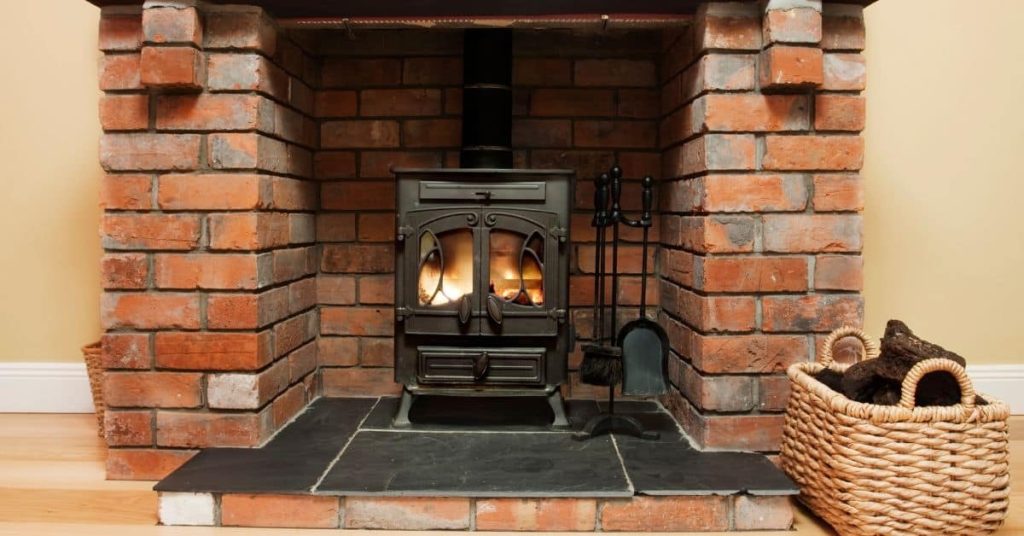
Black wood stove inside brick fireplace with fire tools and basket

Cleaning soot on fireplaces: products that won’t etch and how to avoid streaks

  Introduction Cleaning soot on fireplaces means removing soot and smoke marks without harming the surface. Use non-etching cleaners and test on a hidden spot first, then work in gentle, small sections. Avoid abrasive scrubbers and harsh acids; follow label instructions and local rules. To avoid streaks, wipe from top to bottom and use a

Cleaning soot on fireplaces: products that won’t etch and how to avoid streaks Read More »

Close-up of blue textured stucco wall surface

Repairing Stucco Behind Hose Reels and Brackets: Keeping the WRB Intact

Introduction Repairing stucco behind hose reels and brackets means fixing cracks and damage without compromising the wall and its weather barrier. Keep the WRB intact by protecting it while you remove hardware and apply patches. Use appropriate repair materials that match the stucco type and follow label directions, and avoid overloading or trapping moisture. If

Repairing Stucco Behind Hose Reels and Brackets: Keeping the WRB Intact Read More »

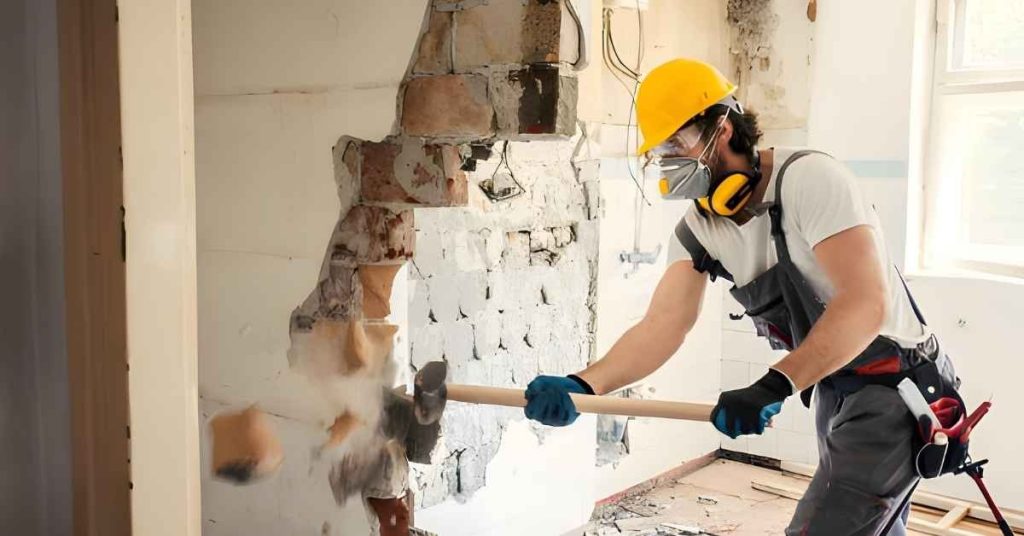
Worker with sledgehammer demolishing interior wall

Hollow-Sounding Stucco: Tap Testing, Cut Windows, and When to Stop Spot-Patching

Introduction Hollow-Sounding stucco occurs when tapping the surface reveals a hollow or loose layer beneath the finish. It’s a signal that the underlying material or lath may be compromised. Listen and feel for soft spots, and note where the sound changes as you tap around the area. Start with surface preparation by removing loose material

Hollow-Sounding Stucco: Tap Testing, Cut Windows, and When to Stop Spot-Patching Read More »

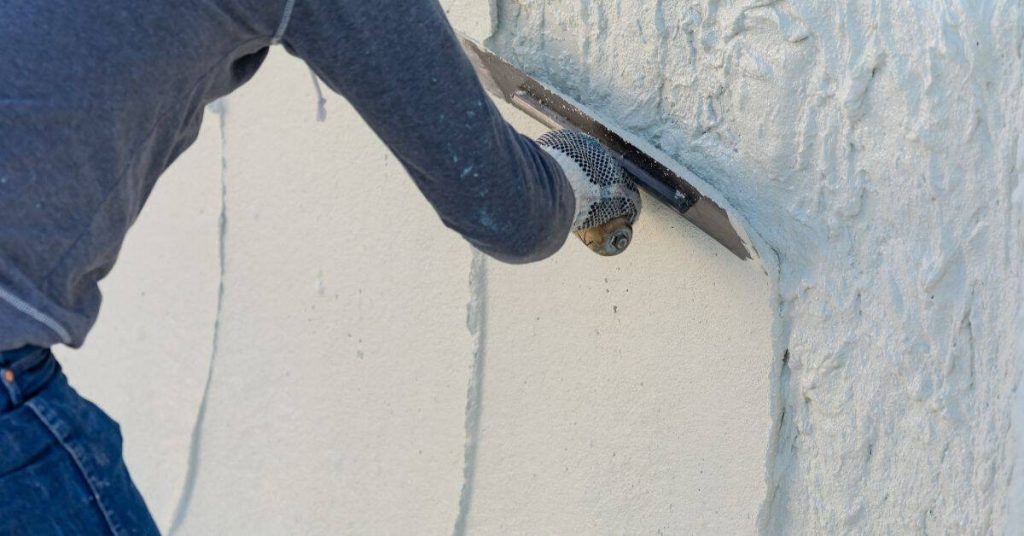
Person applying stucco texture on exterior wall with hawk and trowel

Stucco Around Gas Meters: Clearances, Mounting, and Leak-Safe Sealing

Introduction This article explains how to stucco around gas meters with proper clearances, mounting, and leak-safe sealing. Work must follow safety rules and local codes, and you should verify with the meter installer and building department. Use this as a practical, hands-on guide rather than a theory manual. You’ll learn how to plan the stucco

Stucco Around Gas Meters: Clearances, Mounting, and Leak-Safe Sealing Read More »

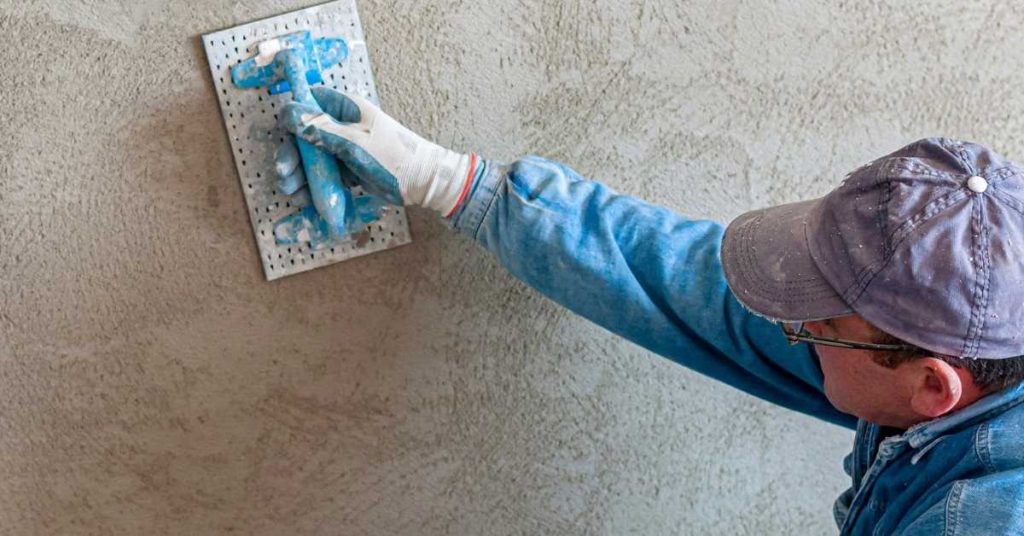
Hand holding a float tool smoothing plaster on wall

Traditional Plaster Corners Without Metal Bead: A Clean Corner-Float Method

Introduction Traditional plaster corners without metal beads are built by floating plaster to a clean, sharp edge. Key takeaways Prepare raw corner by removing paint, dust, and protrusions for plaster bonding. Establish guides and screeds to create a true 90-degree plaster edge. Apply backing coat evenly before corner float to avoid laitance. Use a controlled

Traditional Plaster Corners Without Metal Bead: A Clean Corner-Float Method Read More »

Close-up of textured polished plaster wall surface

Sanding vs Burnishing Polished Plaster: Fixing Trowel Tracks Without Haze

Introduction Sanding and burnishing polished plaster is the process of smoothing and finishing the surface to remove trowel tracks and haze. This is done after the plaster has cured enough to work but while it’s still workable, using gentle abrasion and polish. The goal is a uniform, matte or soft sheen without gouges. Before you

Sanding vs Burnishing Polished Plaster: Fixing Trowel Tracks Without Haze Read More »

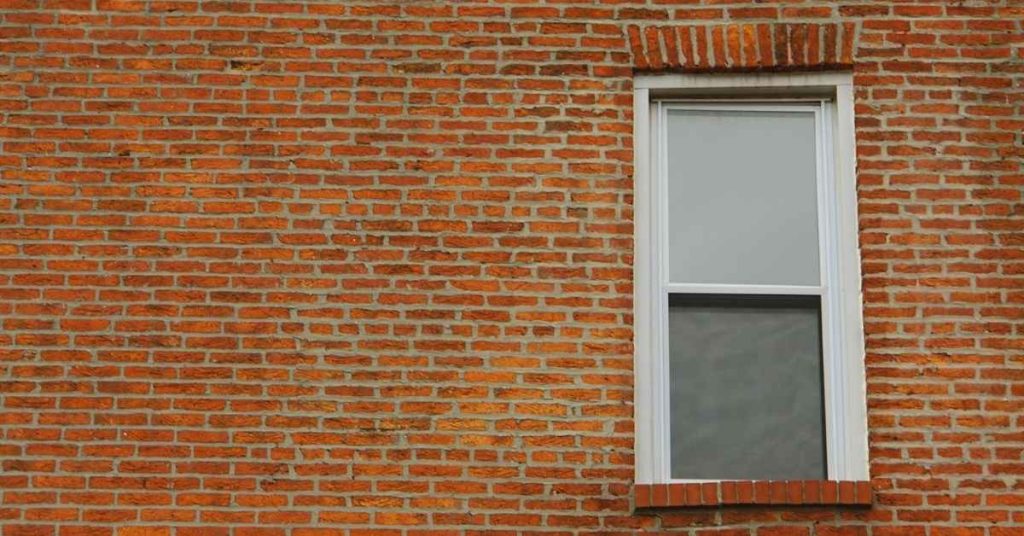
Brick wall with window and brick lintel above

Replacing a Rusted Brick Lintel: Supporting the Wall and Preventing Future Stains

Introduction Replacing a rusted brick lintel means removing the corroded support above an opening and installing a proper replacement to keep the wall carrying loads. Before you touch it, set up temporary shoring to hold the wall while you work, and inspect the surrounding brick and mortar for damage. Check local rules and the manufacturer’s

Replacing a Rusted Brick Lintel: Supporting the Wall and Preventing Future Stains Read More »