Search Results for: vapor barrier

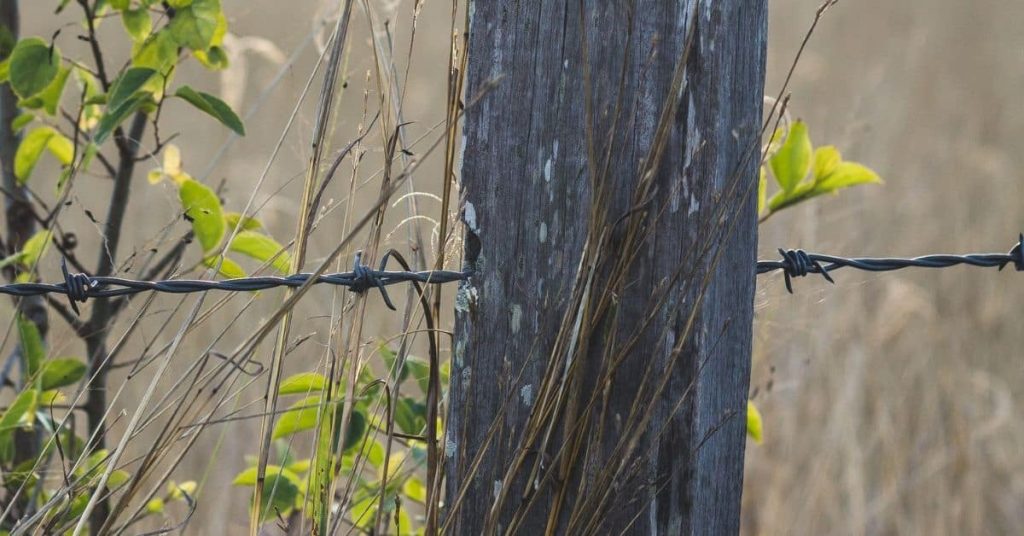
Close-up of weathered wooden fence post with barbed wire and dry grass

Concrete Post Base Pockets and Voids: Where They Come from and How to Patch Invisibly

Introduction Concrete post base pockets are hollow or voided areas that form under a post base in poured concrete. They develop when formwork fails to support the concrete properly, when settlement occurs, or when air and water leave gaps before the concrete cures. These voids can compromise the base and the surrounding footing if not […]

Concrete Post Base Pockets and Voids: Where They Come from and How to Patch Invisibly Read More »
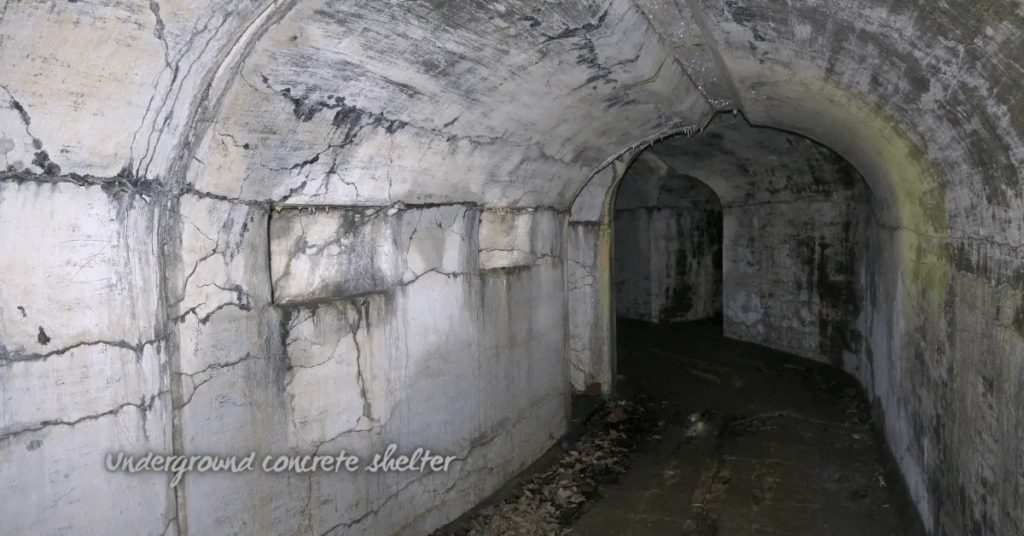
Cracked concrete walls and ceiling inside underground tunnel

Concrete Overlay Vs Full Replacement: a Decision Guide Based on Movement, Moisture, and Thickness

Introduction Concrete overlay is a thin surface layer applied over an existing floor to refresh or repair it without removing the old substrate. Full replacement requires removing the existing concrete and pouring a new slab or substrate. Both options have tradeoffs in durability, cost, and installation time. Choosing between them depends on movement, moisture, and

Concrete Overlay Vs Full Replacement: a Decision Guide Based on Movement, Moisture, and Thickness Read More »

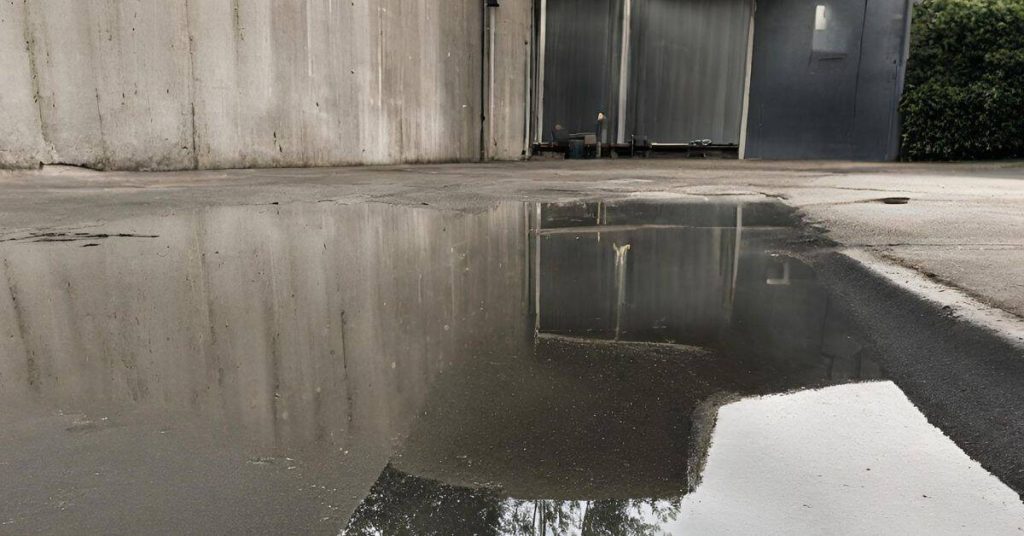
Water puddle on concrete surface near wall and door

Reading Water Stains Around Concrete Slabs: Simple Drainage Diagnostics Before You Start Digging

Introduction Water stains around concrete slabs indicate moisture movement from beneath or around the slab rather than a surface spill. This article helps you spot early signs and assess the basic drainage setup before any digging. Use plain checks and safe steps to decide what to fix first. Common signs include damp patches, mineral buildup,

Reading Water Stains Around Concrete Slabs: Simple Drainage Diagnostics Before You Start Digging Read More »

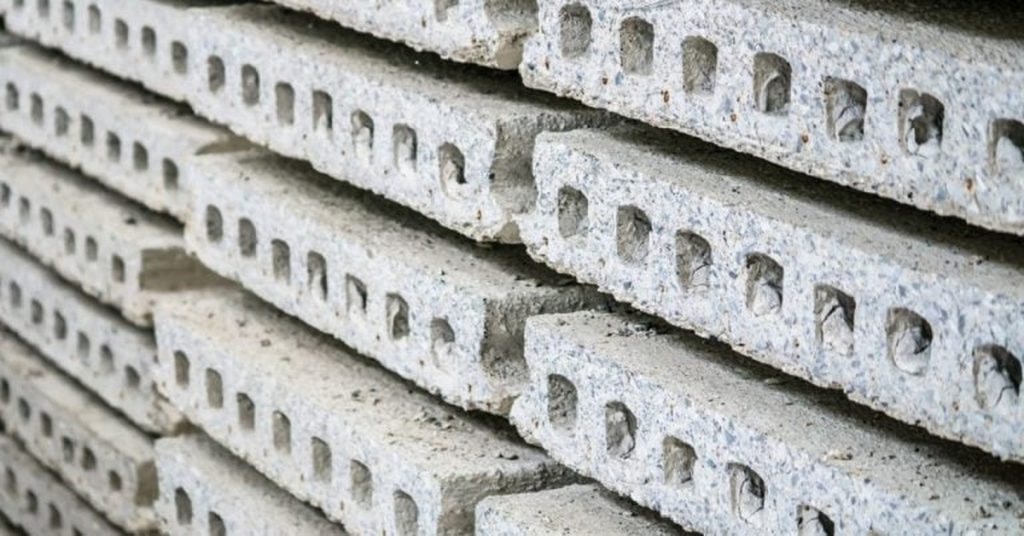
Stacked hollow core concrete slabs with visible edges

Random Cracks on Concrete Slabs: How to Read the Pattern and Find the Real Cause

Introduction Random cracks on concrete slabs are cracks that appear without a clear, repeating pattern. They can be the surface result of shrinkage, settlement, or temperature changes that stress the slab. Understanding when a crack is random helps you decide which steps to take next. To read the pattern, look at crack direction, length, width,

Random Cracks on Concrete Slabs: How to Read the Pattern and Find the Real Cause Read More »

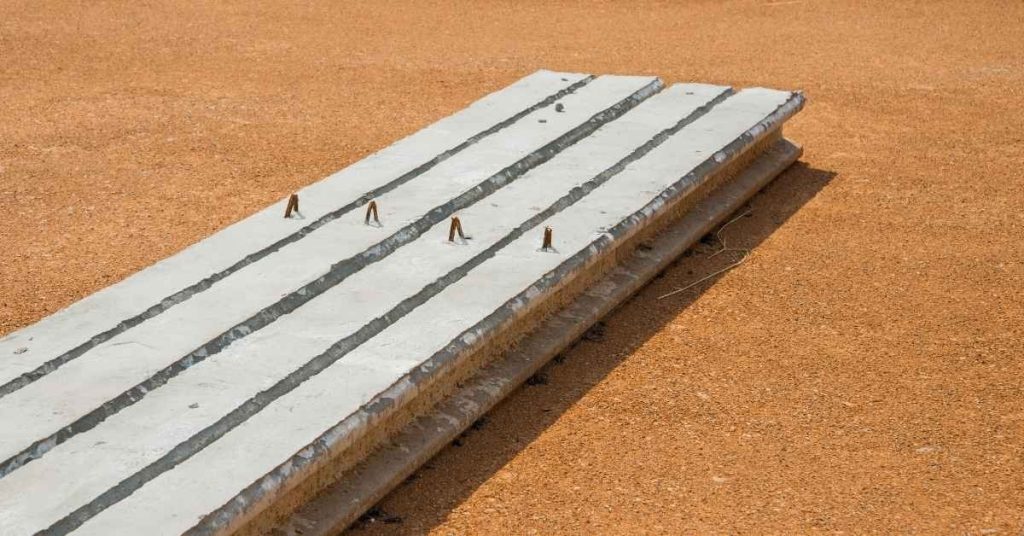
Concrete precast panel with exposed rebar on sandy ground

Penetrating Sealers Vs Film Sealers on Concrete: Picking One That Won’t Peel Outdoors

Introduction Penetrating sealers soak into the concrete and block moisture from within. Film sealers stay on the surface and create a protective film. Both aim to slow water and stain absorption, but they behave differently outdoors. Choose penetrating sealers for natural look and breathability on outdoor slabs. Film sealers can enhance color and provide a

Penetrating Sealers Vs Film Sealers on Concrete: Picking One That Won’t Peel Outdoors Read More »

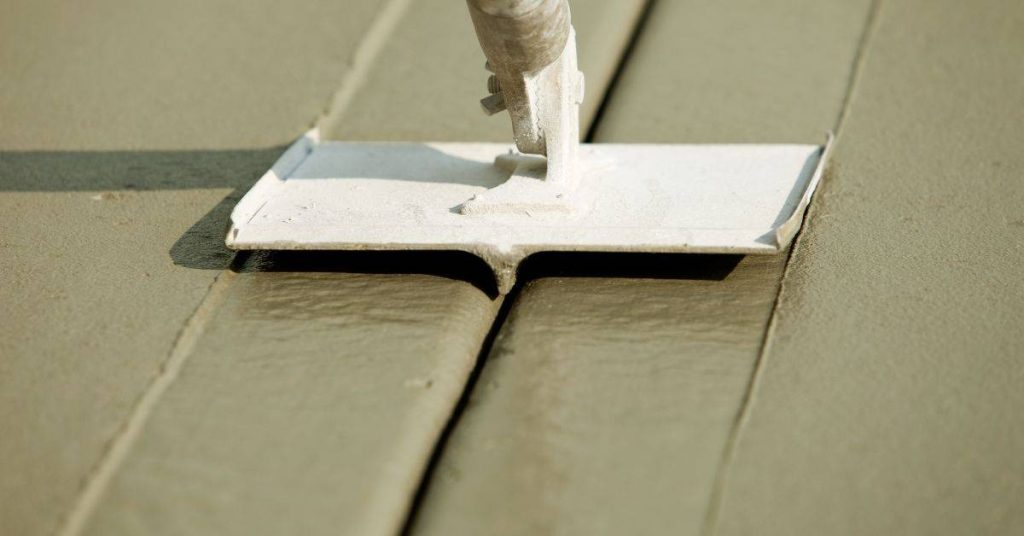
Concrete joint being tooled with a hand trowel

Concrete Finishing Sequence for Beginners: Bull Float, Edge, Joint, Then Walk Away (Sometimes)

Introduction For a simple slab, the dependable finishing order is: place concrete using the approved placement method, screed it to grade, bull float it when the float will glide properly, wait for bleed water to disappear, edge and hand-tool joints if that is your joint method, apply the chosen finish at the right surface firmness,

Concrete Finishing Sequence for Beginners: Bull Float, Edge, Joint, Then Walk Away (Sometimes) Read More »

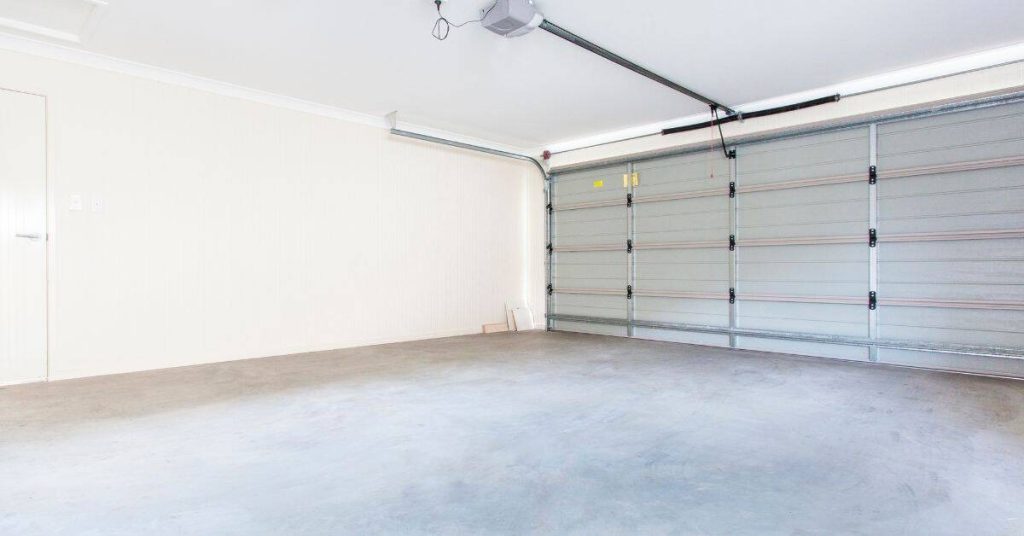
Empty garage with concrete floor and closed metal door

Dusty garage slabs: when sweeping and densifiers help and when resurfacing is the only fix

Introduction Dusty garage slabs are concrete floors that shed fine dust from the surface as you walk on them. Causes include worn surface, moisture, and exposure to chemicals or abrasion from vehicles and tools. Keeping the area swept and free of grit helps you see how bad the dust problem is and what needs doing

Dusty garage slabs: when sweeping and densifiers help and when resurfacing is the only fix Read More »

wooden pier house standing above calm water at dusk

DIY slump control: consistent water measurement and batch-to-batch matching

Introduction DIY slump control means keeping the water in your concrete mix at a consistent level so every batch pours with the same workability. Use a single, clean container for water and add it in small, measured portions, then note the amount for each batch. Always follow the mix designer’s or product label guidance and

DIY slump control: consistent water measurement and batch-to-batch matching Read More »