Search Results for: vapor barrier

Stucco exterior walls on a house under clear blue sky

Stucco color fade on south walls: UV reality, pigment choices, and repaint intervals

Introduction Stucco color fade on south walls happens when sun exposure and UV light fade the pigment over time. This is common on exterior surfaces that receive strong afternoon sun. Understanding what to expect helps plan when to repaint and what finishes stand up best. Choosing the right paint type and pigment can improve durability […]

Stucco color fade on south walls: UV reality, pigment choices, and repaint intervals Read More »

Close-up of stucco edge with foam insulation and sealant

Bottom edge stucco moisture wicking: diagnosing capillary rise and fixing the drainage plane

Introduction Bottom-edge stucco moisture wicking occurs when capillary rise pulls moisture from the foundation into the lower stucco courses. This guide helps you spot the signs and understand why the drainage plane matters. Look for damp patches, staining, softening, or peeling where the stucco meets the foundation, and check for poor drainage or blocked weep

Bottom edge stucco moisture wicking: diagnosing capillary rise and fixing the drainage plane Read More »

Stucco wall with three boarded openings and rust stains below

Tracking hidden metal in stucco: stopping rust stains from coming back after repairs

Introduction Tracking hidden metal in stucco is the process of locating metal components behind the stucco to prevent rust-related damage. Rust stains can reappear if metal isn’t found and treated. This introduction covers practical steps for checking, repairing, and preventing future issues. Techniques for detecting hidden metal include visual clues and non-destructive checks. Common causes

Tracking hidden metal in stucco: stopping rust stains from coming back after repairs Read More »

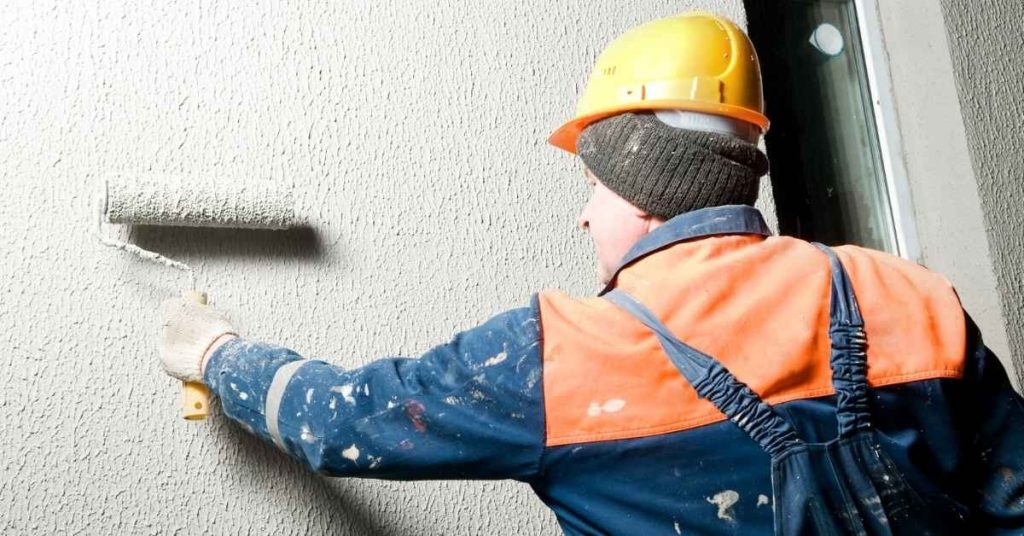
Worker applying textured stucco to exterior wall with paint roller

Hairline cracks in stucco: when elastomeric paint helps and when it hides bigger problems

Introduction Hairline cracks in stucco are very thin cracks in the exterior plaster that can form from settling, temperature changes, or minor shrinkage. They often appear as pale lines and may run across walls or around windows. Understanding what they are helps you decide whether to address them before painting. Elastomeric paint can bridge small

Hairline cracks in stucco: when elastomeric paint helps and when it hides bigger problems Read More »

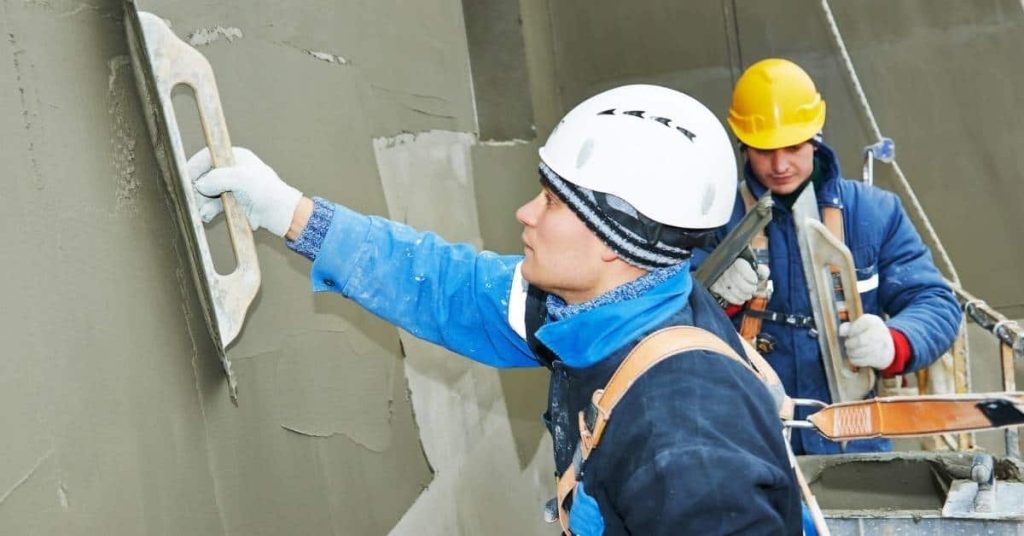
Two workers applying stucco finish coat on wall outdoors

Stucco finish coat batch matching: keeping color consistent across multiple days

Introduction Batch matching for stucco finish coat means keeping the color and texture consistent between mixes produced on different days. This article offers practical, hands-on guidance for achieving a uniform look across project days. You’ll learn basic steps to test color, record your results, and adjust as needed. Materials you’ll need include the finish coat

Stucco finish coat batch matching: keeping color consistent across multiple days Read More »

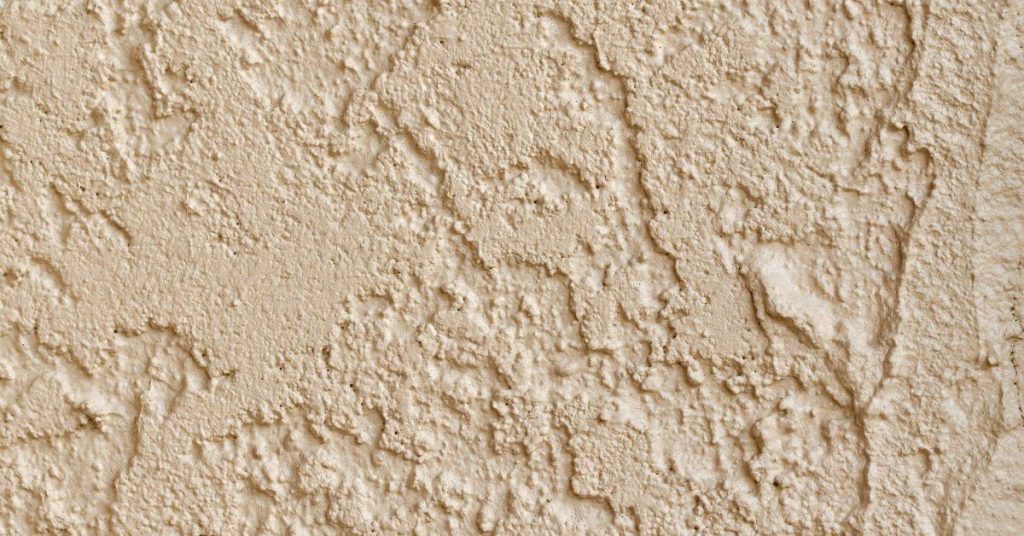
Closeup of beige textured stucco wall surface

Efflorescence on colored stucco: cleaning without bleaching or streaking the finish

Introduction Efflorescence on colored stucco is mineral salts that migrate to the surface and form a white, powdery or crusty residue. It signals salts moving through the wall from within the substrate or from moisture in the wall. The appearance doesn’t reflect color fade in the finish itself, but a surface phenomenon you can address

Efflorescence on colored stucco: cleaning without bleaching or streaking the finish Read More »

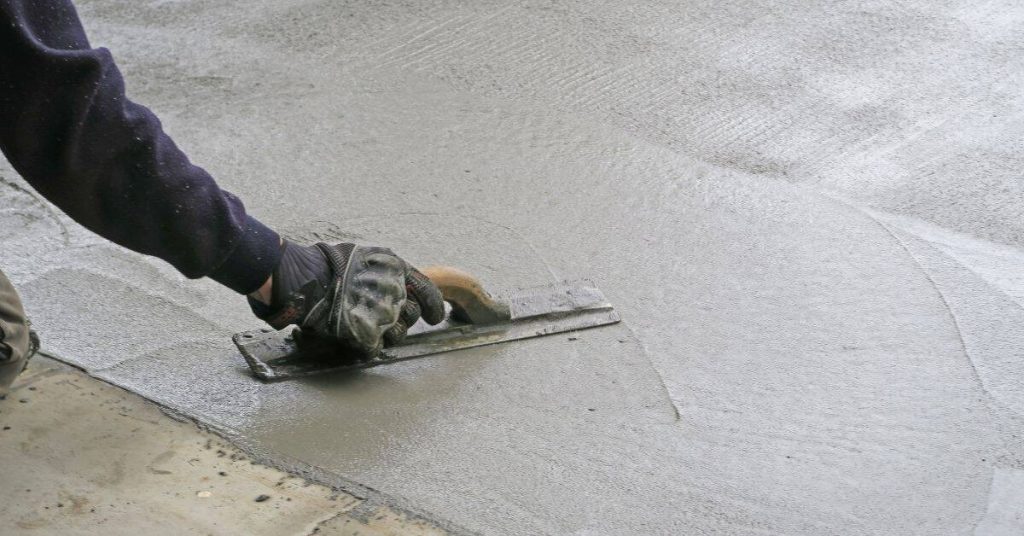
Worker pouring liquid concrete on ground wearing safety vest and gloves

Rain during concrete finishing: rescue steps that avoid permanent scaling and streaks

Introduction Rain during concrete finishing is when rain hits the surface while concrete is still finishing, risking a poor surface. This article shares practical steps to limit damage and keep the finish looking even. It covers how weather affects curing and what to check before you proceed. If rain arrives, assess the surface and consider

Rain during concrete finishing: rescue steps that avoid permanent scaling and streaks Read More »

Person using power trowel on fresh concrete slab

Crazing and hairline map cracks in concrete: over-finishing clues and how to keep it subtle

Introduction Crazing and hairline map cracks are fine surface fractures that develop on concrete as it dries and cures. They often appear as delicate networks across countertops or floors and can be challenging to hide with finishing alone. Understanding why they form helps you decide when a subtle finish is appropriate and when to address

Crazing and hairline map cracks in concrete: over-finishing clues and how to keep it subtle Read More »

Worker smoothing fresh concrete slab with trowel

Laitance on fresh concrete pours: quick tests and the right removal method before coatings

Introduction Laitance is the thin, weak film of cement and fine particles that rises to the surface of freshly poured concrete. It forms when fines and moisture push to the top, leaving a smooth but poor bonding layer. Quick checks include a light skim with a dull tool or a damp wipe to feel for

Laitance on fresh concrete pours: quick tests and the right removal method before coatings Read More »

Unfinished multi-story concrete building structure outdoors

Self-leveling overlays on concrete: dams, primers, and stopping pinholes and ripples

Introduction Self-leveling overlays are pourable surface toppings designed to flow into low spots and produce a flat, smooth concrete surface. They rely on proper surface preparation, containment dams at edges, and primer or bond agents to promote adhesion. Always follow the material manufacturer’s instructions for mixing, compatibility with the concrete, and cure requirements. Before you

Self-leveling overlays on concrete: dams, primers, and stopping pinholes and ripples Read More »