Introduction
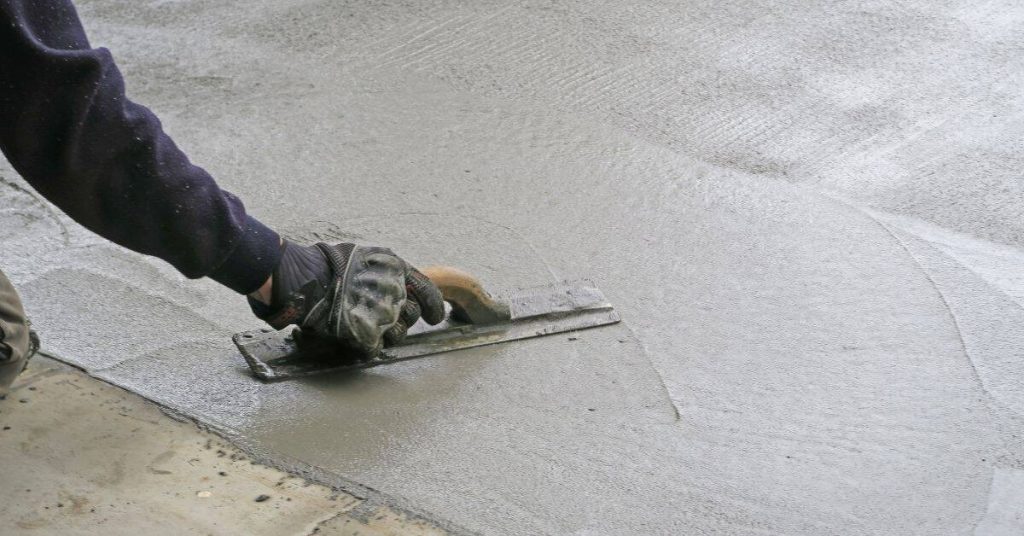
Laitance is the thin, weak film of cement and fine particles that rises to the surface of freshly poured concrete. It forms when fines and moisture push to the top, leaving a smooth but poor bonding layer. Quick checks include a light skim with a dull tool or a damp wipe to feel for dustiness or powdery residue.
Removal methods vary, but the goal is to expose sound concrete without damaging it. Common approaches include light mechanical abrasion or grinding, done in small passes and tested on a discreet area first. Always follow manufacturer instructions, check surface moisture, and consider the coating’s adhesion requirements before proceeding.
Key takeaways
- Laitance is a weak surface layer of fines interfering with coatings.
- Quick onsite tests: skim coat peel, water bead, or rub with finger shows laitance.
- Mechanical removal followed by surface profile verification ensures coating adhesion.
- Chemical poultices or solvents may help; ensure ventilation and PPE, disposal.
- Prepare a step-by-step workflow: identify laitance, abrade, clean, degrease, dry before coating.
- Select coatings compatible with prepared concrete; poor prep leads to early failures.
Table of Contents
- Introduction
- Key takeaways
- What Is Laitance and Why It Matters for Coatings
- Visual and Tactile Identification — Quick Onsite Checks
- Lab and Field Tests to Confirm Laitance and Surface Readiness
- Removal Methods — Mechanical, Chemical, and Combined Approaches
- Step-by-Step Surface Preparation Workflow Before Coating
- Tools, Materials, and Equipment Checklist
- Safety, Environmental Controls, and Disposal
- Choosing Coatings and Long-Term Consequences of Poor Preparation
- Conclusion
- FAQ
What Is Laitance and Why It Matters for Coatings
Laitance is a thin, weak surface layer composed of cement, fines, and bleed water that forms on fresh concrete as it hydrates. It often appears when the surface dries too quickly or the mix has high fines content. Understanding laitance helps protect coating adhesion and long-term performance.
Leaving laitance in place can create a porous, low-adhesion surface that can debond under coatings, leading to pinholes, delamination, or moisture entrapment. On-site indicators include a glossy or powdery film you can wipe away, or a surface that dusts when scratched. Preparation methods range from mechanical abrasion to chemical etching, with care to avoid over-roughening the substrate.
Definition and formation
Laitance is a thin, weak surface layer that forms on fresh concrete pours during the early stages of hydration. It consists primarily of cement, fines, and bleed water.
This layer appears due to the migration of bleed water towards the surface as the concrete cures. Finishing operations, such as troweling or floating, also contribute to its formation by bringing these materials to the top.
Understanding laitance’s composition and origin is crucial for effective removal. It helps in identifying when it typically appears on a concrete surface, allowing you to plan your coating application accordingly.
Why coatings fail over laitance
Laitance poses significant challenges for coating adhesion and durability. Its porous nature and low bond strength can lead to premature coating failure, including issues like pinholes, delamination, and blistering.
When a coating is applied over laitance, it may not adhere properly due to the weak mechanical bond. Over time, this can result in the coating lifting or peeling off, exposing the underlying concrete to further damage.
Recognizing the impact of laitance on coating performance is vital for preventing these issues. It’s crucial to address and remove laitance before applying any coatings to ensure optimal adhesion and longevity.
Visual and Tactile Identification — Quick Onsite Checks
Look for a glossy, slick patch or a pale powdery film that cleans off with a finger swipe, contrasted with the deeper matrix color. These cues help flag laitance without extensive testing. A gloved finger and a blunt tool can reveal a soft, powdery, or easily removable layer.
Light tests such as a small water sprinkle can show whether laitance beads or wipes away readily compared with sound concrete. A tape pull or gentle scrape may expose a superficial paste layer versus the solid substrate. If abrasion produces flakes or smears, plan for further assessment or removal.
Scratch/Smear (Scrape) Test
Perform a simple scratch or smear test to check for laitance. Use a blunt tool like a screwdriver, trowel, or even your gloved finger to gently scrape the concrete surface.
If you encounter a powdery layer that comes away easily, this indicates weak surface laitance. The intact substrate beneath should feel solid and resist scraping.
Note: Be gentle to avoid damaging the concrete. This test is designed to be low-impact.
Wetting/Ponding and Absorption Checks
Observe how water behaves on the concrete surface. Sprinkle or mist a small area with water, then check for any beading, sitting as a separate film, or slow absorption.
Laitance often repels water, causing it to bead or sit on top of the surface. If the water absorbs slowly or not at all, this could indicate laitance present.
Note: This test is most effective when performed soon after the concrete pour, before the surface has had time to cure and seal itself.
Adhesion and Sounding Checks
Check for delamination or loose surface material by performing a simple tape pull test. Apply a piece of adhesive tape to the concrete, press firmly, then remove it quickly.
If the surface comes away with the tape, this indicates weak adhesion and potential laitance. Alternatively, use a hammer and a blunt object (like a coin or nail) to gently tap the surface. Listen for a hollow sound, which could indicate loose material.
Note: Be careful not to damage the concrete during these tests. The goal is to assess the surface condition without causing harm.
Lab and Field Tests to Confirm Laitance and Surface Readiness
Explain how laitance differs from the underlying concrete and why its removal matters for coating adhesion. Field checks help determine whether the surface is ready for bonding.
Common quick checks include a water bead test, a textured scrub adhesion check, and a simple depth indicator that gauges surface readiness. Nondestructive checks like pull-off tests or roughness estimates help quantify the preparation needed. When results are inconclusive, consider sending cores or samples for laboratory analysis and documentation of curing and moisture history.
Field test protocols (spot adhesion and surface pH)
Before applying coatings, perform field tests to confirm concrete’s surface readiness. These quick checks help ensure coating adhesion and longevity.
Spot Adhesion Tests: Apply small patches of the intended coating system to assess its bond with the concrete surface. Allow them to cure under conditions similar to the actual application. Use a pull-off test or chisel and hammer to evaluate their adhesion.
Surface pH Check: Conduct a simple pH test using litmus paper or a pH meter to detect any residual alkalis or curing compounds that could compromise coatings. Neutral concrete has a pH between 7 and 9. If the pH is significantly higher, re-clean the surface and retest before proceeding with coating application.
When to use lab analysis
For complex or high-risk projects, lab analysis can provide deeper insights into concrete’s surface readiness. Evaluate the need for lab analysis based on field test results and visual observations.
Inspect project conditions such as suspected high laitance, inconsistent surfaces, poor bond with coatings, or irregular curing. If any of these conditions are present, consider requesting:
- Petrographic Examination: To identify hidden laitance layers or other surface defects.
- Adhesion Pull Tests: For a more accurate assessment of coating adhesion under controlled laboratory conditions.
- Chemical Analysis: To determine the composition and concentration of any contaminants or curing compounds on the surface.
If lab results indicate issues not apparent in field tests, adjust surface preparation and coating application methods accordingly.
Removal Methods — Mechanical, Chemical, and Combined Approaches
Mechanical methods include grinding, scarifying, and light blasting to remove laitance and create a suitable profile. Chemical approaches can assist where coatings demand a cleaner surface, but they require careful handling and compatibility checks. A combined approach may offer the best balance for difficult pours.
Decision criteria focus on laitance level, substrate health, presence of contaminants, and moisture conditions. The goal is to achieve a clean, adequately rough surface without over-roughening or underlying damage. Post-treatment verification should confirm adhesion readiness with appropriate tests.
Mechanical options (grinding, shotblasting, scrubbing)
Mechanical methods physically remove laitance using abrasive or impact techniques. These approaches are suitable for thick laitance layers and surfaces requiring a rough profile.
Grinding uses rotating discs with abrasive material to cut into the concrete surface. It’s effective on thick laitance but can overcut if not monitored carefully. Always use test patches to determine optimal depth and duration.
Shotblasting propels small, high-velocity projectiles at the surface, chipping away laitance. It’s ideal for tough laitance but may generate significant dust and require containment. Ensure proper ventilation and dust control measures are in place.
Scrubbing, while less aggressive than grinding or shotblasting, can still effectively remove thin to moderate laitance layers using rotating brushes with stiff bristles. It’s gentler on the substrate but may require multiple passes for complete removal.
Chemical options (acid etching, alkaline cleaners)
Chemical treatments dissolve or loosen laitance using acids or alkalis. These methods are effective on thin laitance layers and sensitive substrates but require proper neutralization and rinsing.
Acid etching uses dilute acid solutions to dissolve laitance. It’s gentle on the substrate but can cause pitting if left too long. Neutralize with a base after treatment and rinse thoroughly. Always check compatibility with intended coatings.
Alkaline cleaners use bases like sodium hydroxide to loosen and lift laitance. They’re effective on thin layers but may require mechanical action for complete removal. Neutralize with an acid after treatment, rinse, and test surface pH to ensure proper neutralization.
Always follow safety guidelines when handling chemicals. Wear appropriate PPE, use containment measures, and ventilate the area as needed.
Combined and low-impact methods
For thin laitance or sensitive substrates, consider combined or low-impact methods that pair mild mechanical action with cleaners. These approaches are gentle on the substrate and suitable when minimal profile change is desired.
Start by using a mild abrasive cleaner or an alkaline solution to loosen laitance. Then, employ a soft-bristled brush or orbital sander to gently remove the loosened material. Monitor progress closely using test patches to avoid overcutting.
After mechanical action, rinse the surface thoroughly and perform adhesion tests to ensure surface readiness for coatings. If necessary, follow up with a mild acid etch to further prepare the surface.
These methods may require more time and effort but offer a gentler touch on delicate surfaces or when preserving the original concrete profile is crucial.
Step-by-Step Surface Preparation Workflow Before Coating
Perform a clear inspection of laitance texture, contaminants, moisture, and coating compatibility, then use practical tests to decide if the surface is ready or needs removal or processing. Outline removal methods appropriate for the concrete age and coating needs, followed by cleaning, moisture management, profiling, patching of defects, and priming as required by the coating system.
This matters because a reliable surface helps coatings adhere and perform as intended. Use test records, surface profiling, and moisture readings to document results, support warranty requirements, and guide any rework if adhesion tests fail or moisture/contamination reappears; include a simple feel test and ensure proper anchor-pattern creation after laitance removal for best coating performance.
Step-by-Step Process
The following sequence ensures a reliable surface for coatings by addressing laitance, contaminants, moisture, and other issues in a practical, step-by-step manner.
- Preparation and Safety Checks: Inspect the area for laitance texture, contaminants, moisture, and coating incompatibilities. Prepare safety gear, tools, and materials according to manufacturer instructions.
- Laitance Removal: If laitance is present, proceed with the selected removal method (mechanical, chemical, or combined).
- Moisture Management: If moisture is detected or surface tests indicate it’s not ready, delay coatings and recheck later.
- Surface Profiling and Patching: Profile the surface to an anchor pattern suitable for the coating system. Patch any defects with a compatible material.
- Cleaning and Sealing/Priming: Clean the surface thoroughly, then apply a sealant or primer as required by the coating system. Allow it to dry according to manufacturer recommendations.
Pre-removal planning and containment
Efficiently plan and control potential hazards during surface preparation by following these steps:
Identify sensitive areas: Locate and protect sensitive components such as electrical equipment, HVAC units, or other installations that could be damaged or affected by the removal process.
Select appropriate methods: Choose removal techniques based on concrete age, film thickness, durability needs, and manufacturer guidelines. Consider mechanical (grinding, shotblasting), chemical (acid etching, alkaline cleaners), or combined approaches.
Control runoff and dust: Implement containment measures to prevent environmental impact from chemical runoff and dust generation. Use barriers, absorbents, or other methods as needed.
Removal, verification, and rework loops
Iteratively remove laitance until the surface is ready for coatings by following these guidelines:
Remove laitance: Follow the selected removal method’s guidelines (grinding, shotblasting, chemical cleaning) to eliminate laitance.
Retest surface: Use spot adhesion, surface pH, or other field tests to confirm the absence of laitance and readiness for coatings. If laitance remains or tests fail, repeat removal and retesting.
Proceed with final cleaning and drying: Once the surface is ready, proceed with final cleaning and drying before primer or coating application.
Final cleaning, drying, and surface profile checks
Ensure a clean, dry, and properly profiled surface before primer or coating application by following these steps:
Rinse the surface: Thoroughly rinse the surface to remove any residue from removal methods. Use fresh water and ensure complete rinsing.
Dry the surface: Allow the surface to dry according to manufacturer recommendations for coatings. Ensure it’s completely dry before proceeding with primer or coating application.
Check surface profile: Inspect the surface visually and using adhesion tests to ensure it meets the required profile for the chosen coating system. If not, re-evaluate and adjust cleaning/drying methods as needed.
Tools, Materials, and Equipment Checklist
Tools for laitance removal cover mechanical options such as grinders, scarifiers, and scrapers, chemical or chemical-assisted methods, and water-based cleaning, all supported by dust control equipment and appropriate PPE. The checklist also guides selecting primers, bonding agents, surface cleaners, etchants if applicable, abrasive media, and disposable rags, plus a full PPE ensemble and the space needed for safe operation. It is prudent to plan for equipment planning and logistics, noting rental versus purchase, power needs, workspace layout, and ventilation, as well as clear inspection checkpoints for accessibility and safety.
On-site testing and acceptance criteria are included to help confirm laitance removal through practical tests like surface hardness feeling, blade-scrape feedback, and basic water or chemistry compatibility checks, with results documented to inform next steps before coatings. Understanding documentation and compatibility considerations helps you record tool usage, surface preparation results, and coating system compatibility with the cleaned substrate, reducing the risk of failure. If chemical methods are used, ensure compatibility with the chosen coating system and follow manufacturer guidelines for handling and disposal, and wear the PPE specified on product labels to maintain safety and performance.
Hand tools and personal protective equipment
Ensure worker safety and efficiency during laitance removal by using the right hand tools and personal protective equipment (PPE).
- Respirator: Protects from dust and chemical fumes. Choose a respirator with a particulate filter or an air-purifying respirator for specific chemicals.
- Eye/face protection: Goggles or face shields protect eyes from debris and splashes. Ensure they meet relevant safety standards (e.g., EN 166, OSHA).
- Gloves: Use cut-resistant gloves for handling sharp objects and heat-resistant gloves for hot surfaces.
- Hearing protection: Earplugs or earmuffs protect from loud equipment. Choose a noise reduction rating (NRR) that meets the job’s decibel level.
- Boots: Safety boots with good grip and toe protection are essential for working on concrete surfaces.
- Disposable rags: For cleaning up spills and residue. Ensure they are lint-free to avoid leaving marks on the surface.
Power equipment and rental considerations
Select suitable power tools for efficient laitance removal, considering renting or purchasing based on your needs and budget.
- Grinders: With diamond discs, they remove laitance mechanically. Rent or purchase depending on frequency of use.
- Shotblasters: For heavy-duty laitance removal. Consider renting for single-use jobs to save costs.
- Pressure washers: For water-based cleaning. Ensure they have the required pressure and flow rate for your task.
- Scarifiers: For deep laitance removal. Rent or purchase based on frequency of use and budget.
- Dust shrouds: Attachable to power tools, they control dust emission. Ensure compatibility with your tool.
Chemicals, neutralizers, and consumables
Before starting laitance removal, ensure you have the right cleaning agents, neutralizers, and consumables to effectively clean the surface and prepare it for coatings.
- Acid etchants: For concrete with acid-resistant coatings. Check product data sheets for dilution ratios and application guidelines.
- Alkaline cleaners: For laitance removal from concrete with acid-sensitive coatings. Follow manufacturer instructions for use.
- Neutralizing agents: Sodium bicarbonate for strong acids, citric acid for strong alkalis. Use according to product guidelines.
- Bonding primers: To improve adhesion of coatings. Check compatibility with your coating system before application.
- Surface cleaners: For removing dirt and grease. Choose a cleaner compatible with your surface and coating type.
- Abrasive media: For mechanical cleaning methods. Select the appropriate grit size for your task.
- Sealants: To protect the cleaned surface from moisture and contaminants before coatings are applied. Choose a sealant compatible with your coating system.
Quick rule: Always consult product safety data sheets (SDS) and coating manufacturer guidance for compatibility and safe handling procedures.
Safety, Environmental Controls, and Disposal
Safe removal of laitance from fresh concrete requires a clear plan for worker protection, ventilation, spill containment, runoff control, and proper waste handling. Define essential PPE (gloves, eye/face protection, respirators where needed, hearing protection), safe tool handling, and orderly access and egress during mechanical or chemical removal. Establish ventilation plans for enclosed spaces and use local exhaust or fans to minimize dust. Set acceptable dust/air quality targets and plan simple monitoring if needed. Have spill kits, absorbents, drip pans, and secondary containment ready.
Plan for runoff and site controls by installing barriers and silt fences, and designate wash water controls so sediment or chemicals cannot reach drainage. Separate debris into mechanical concrete waste and chemical waste or solvents, label containers, and follow local rules for hazardous waste. Arrange recycling or proper disposal where available, and document waste streams for traceability. Pre-job safety briefings, lockout/tagout if equipment is powered, clearly posted procedures, accessible spill kits, and an emergency contact plan help responders act quickly and reduce risk. A qualified crew member should verify PPE is worn correctly before work starts, and the area should be checked for trip hazards and ventilation effectiveness.
Chemical handling and PPE
Always consult the Safety Data Sheet (SDS) before handling chemicals. Wear appropriate Personal Protective Equipment (PPE) as directed, including gloves, eye/face protection, and respiratory protection where needed.
Ensure you have spill-response materials on hand to quickly contain any accidents. This includes absorbents, drip pans, and secondary containment for equipment and chemicals.
Regularly review the SDS to stay informed about potential hazards and proper handling procedures. Train staff on proper response to spills to minimize risks and maintain chemical integrity.
Dust, runoff, and containment measures
Minimize airborne dust by using local exhaust or fans in enclosed spaces. Establish acceptable dust/air quality targets and monitor levels during removal operations.
Implement ventilation plans to keep dust levels within safe limits. If dust exceeds acceptable targets, increase ventilation or pause operations until conditions improve.
Prevent contaminated water from entering drains or soil by using barriers, silt fences, and designated wash water controls. Plan for stormwater management to avoid sediment or chemicals reaching drainage systems.
Waste classification and disposal
Check local regulations for the disposal of rinse water, slurries, and spent materials. Segregate waste into mechanical concrete waste and chemical waste/solvents.
Label and pack waste containers appropriately. If any waste is hazardous, dispose of it according to local hazardous solid waste rules. Arrange recycling or proper disposal for all waste streams.
Document all waste streams and disposal actions for compliance purposes. Regularly review and update records as needed.
Choosing Coatings and Long-Term Consequences of Poor Preparation
Properly prepared concrete means laitance removed, a suitable surface profile, and controlled moisture or vapor; without this, coatings won’t bond well or last. For primers and coatings, use compatible types such as epoxy, acrylic, or epoxy-modified systems, and verify that they work with the concrete finish and any sealer or patches. Before applying, run quick readiness checks for laitance, moisture, and dust or curing compounds to confirm the surface is ready.
Skipping laitance removal can lead to delamination, blistering, or increased porosity that drags down durability under UV, abrasion, and chemical exposure. Quick checks like a solvent wipe test help confirm laitance is gone; if residue remains, re-prepare the surface. An experienced installer ensures proper laitance removal and surface readiness, and if laitance is present, remove it and re-test before proceeding, since a failed coating often means stripping and reapplication.
Coating Compatibility and Specification Checks
Ensure coating system longevity and adhesion by verifying its requirements with the prepared concrete surface. Properly removing laitance is crucial for optimal coating performance.
Conduct quick tests to confirm coating compatibility:
- Solvent Wipe Test: Verify no residual contaminants remain after laitance removal.
- Tape Pull Test: Ensure surface adhesion is adequate before applying the coating.
- Visual Inspection: Check that the surface profile (SP) is suitable for the chosen coating system.
If coating does not adhere properly or shows signs of incompatibility, re-evaluate your selection and redo preparation steps. Always consult manufacturer’s datasheets and instructions to ensure compatibility with any residual cleaners or primers.
Durability, Warranty, and Common Failure Modes
Maintaining long-term performance and warranty coverage relies on thorough laitance removal and proper surface preparation. Remaining laitance can lead to specific failures that may void warranties.
Inspect the surface for signs of:
- Laitance: Hazy or powdery residue indicating incomplete removal.
- Inadequate Cleaning: Visible contaminants that could compromise coating adhesion.
- Improper Curing: Discoloration or other signs of improper curing processes.
Understand manufacturer’s warranty terms regarding proper surface preparation, including laitance removal. If issues are present, re-perform proper laitance removal and cleaning before coating application.
Cost, Scheduling, and Common Mistakes to Avoid
Efficiently managing resources and minimizing rework requires careful planning and attention to detail during the preparation process.
- Skipping Tests: Always perform quick tests to verify surface readiness before coating application.
- Inadequate Rinsing: Thoroughly rinse the surface after laitance removal to eliminate residual cleaning agents.
- Improper Tool Usage: Use appropriate tools and techniques for effective laitance removal and cleaning.
- Insufficient Drying Time: Allow sufficient time for the surface to dry completely before applying coatings.
Budget for proper preparation, including laitance removal tools, materials, and labor. Allocate adequate time for planning, containment, removal, verification, cleaning, drying, and surface profile checks. Address any identified mistakes promptly by redoing affected steps and verifying surface readiness before proceeding.
Conclusion
Ensuring laitance is properly removed before coating protects the long-term durability, appearance, and safety of the finished surface. When you verify readiness and follow a careful workflow, you reduce the risk of coating failure and costly repairs later.
In practical terms, proceed with a simple, real-world check: test a small area for removability, confirm the surface shows no laitance after the chosen method, and complete the final surface readiness tests before committing to coatings. Move in a logical sequence: isolate the work area, apply the removal method according to the manufacturer or project guidelines, clean and neutralize as required, then recheck with the visual/tactile method and any recommended field tests. If any test indicates residual laitance or moisture risk, stop and address it before proceeding.
Common mistakes to avoid include pushing through coatings after incomplete removal, using overly aggressive methods that damage the substrate, and neglecting residue, moisture, or cure-state issues. Do not overlook safety—wear appropriate PPE, manage dust and chemical exposure, and dispose of residues according to guidelines. Always verify that the surface is clean, dry to the required specification, and compatible with the selected coating system.
If the laitance is widespread, or if you are uncertain about the coating compatibility or disposal requirements, it is prudent to call a professional. When in doubt, prioritize safety, confirm with the coating manufacturer’s instructions, and plan a measured approach. With careful testing and disciplined work, you can achieve a reliable, durable finish that stands up to use and time.
FAQ
What is laitance on fresh concrete surfaces?
Laitance is a thin, weak, and often powdery layer that can form on the surface of new concrete. It consists mainly of fine cement and unsettled fines that are easier to lift than the underlying concrete.
What causes laitance to form?
Laitance forms when excess fines and moisture migrate to the surface during curing. Factors include early finishing, bleeding, and rapid drying, which prevent proper bond with the underlying material.
What quick tests help detect laitance?
Perform a light scratch test to see if the surface flakes or powders off easily. A simple moisture or water-absorption check can indicate a weak surface layer. If the surface dusts or powders when brushed, laitance may be present.
How should laitance be removed before coating?
Use mechanical methods that remove the weak surface layer, such as careful grinding or abrading, followed by thorough cleaning. If using chemical cleaners, follow the manufacturer’s instructions and test a small area first to confirm compatibility with the coating system.

