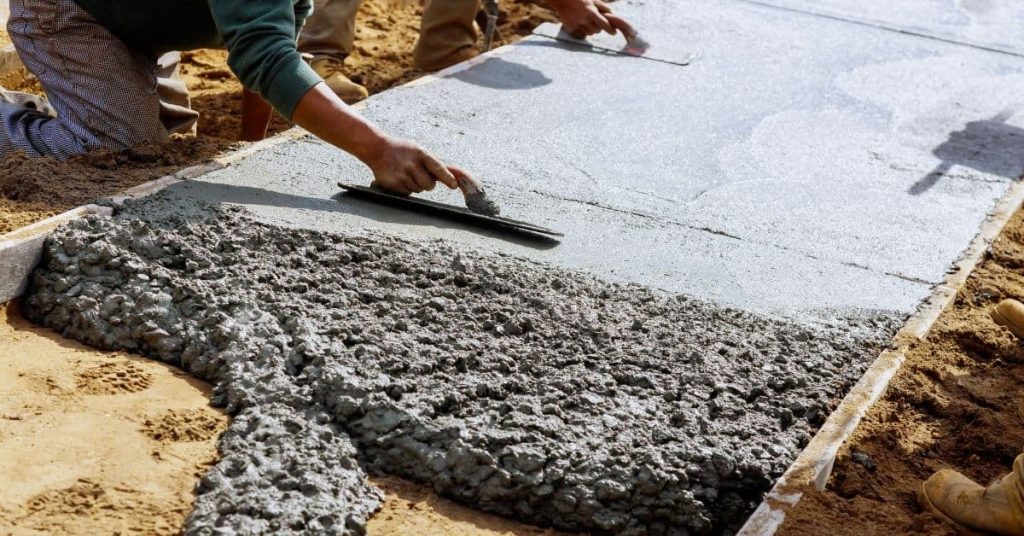
Person using power trowel on fresh concrete slab

Crazing and hairline map cracks in concrete: over-finishing clues and how to keep it subtle

Introduction

Crazing and hairline map cracks are fine surface fractures that develop on concrete as it dries and cures. They often appear as delicate networks across countertops or floors and can be challenging to hide with finishing alone. Understanding why they form helps you decide when a subtle finish is appropriate and when to address the underlying drying process.

Over-finishing the surface or polishing too early can exaggerate these cracks, making them more noticeable. Choices in sealing also affect how subtle the look remains, with topical sealers drying differently from penetrating ones. If you encounter flaws, assess humidity, curing time, and the finishing steps, then check the manufacturer guidelines or local rules before choosing a fix.

Key takeaways

  • Subtle crazing requires controlled aggregate exposure and careful surface leveling during finishing.
  • Diagnose root causes by inspecting curing conditions, mix consistency, and finishing timing.
  • Over-finishing cues include burnishing glare, feathered edges, and closed texture inconsistencies.
  • Design and mix choices influence drying, cracking tendency, and long-term durability.
  • Use contrasting sealing approaches: topical for surface sheen, penetrating for best moisture control.
  • Wear PPE and ventilation when grinding or sealing; prepare dust containment measures.
Table of Contents

Quick Overview: What Crazing and Hairline Map Cracks Are and Why Subtlety Matters

Crazing refers to a network of fine cracks on the concrete surface, often creating a web-like or map-like pattern. Hairline map cracks are especially narrow lines that can resemble a decorative map rather than structural flaws. Distinguishing between terms helps set expectations for finish quality and maintenance.

Cosmetic cracking does not indicate structural failure but may affect appearance and feel. When patterns remain subtle, they can be acceptable in decorative applications; when they widen or spread, inspection or correction may be warranted. Practical checks help homeowners judge visibility, width, and distribution, and document observations for future repairs.

Concrete Crack Types: Definitions & Visual Differences

Crazing appears as fine surface checks resembling a spider web or cracked eggshell. These cracks are typically narrow (less than 0.2mm) and closely spaced.

Map cracking, also known as plastic shrinkage cracking, forms interconnected hairline patterns. Unlike crazing, map cracks are slightly wider (0.2-0.4mm) and less dense but still visually subtle.

Inspect crack details using a magnifying glass or camera with zoom to determine the type of crack. Fine, interconnected cracks indicate either crazing or map cracking.

Assess Crack Severity: Cosmetic vs Structural Concerns

Cosmetic issues such as crazing and minor map cracking do not affect concrete’s structural integrity. These cracks are usually narrow (less than 0.4mm), infrequent, and stable.

Structural problems may be indicated by wider (greater than 0.4mm) or frequent cracks, along with signs of movement or widening. Regularly inspect crack width, frequency, and any signs of movement.

If cracks are wide, frequent, or show signs of movement, consult a professional for potential structural issues. If cracks are fine, infrequent, and stable, monitor periodically; they may be cosmetic only.

Back to top ↑

Common Causes and How to Diagnose the Root Problem

Typical causes include rapid drying, finishing too soon, and mix issues that influence paste consistency. Thermal or shrinkage stresses from temperature changes or restrained movement also contribute. A practical approach links visible cues to likely sources without guessing.

Begin by noting crack timing, location, and texture. Verify mix specs and water content, and compare curing conditions to the project plan. Simple field tests and a clear log help differentiate rapid drying from shrinkage or thermal effects and guide remedies.

Drying and Curing Problems to Check First

Rapid moisture loss can accelerate skin formation on concrete surfaces, leading to crazing. Insufficient curing or exposure to windy, hot conditions exacerbates this issue.

Quick check: Observe the surface for tight, dry skin or early powdering, which are signs of excessive drying.

Pro check: Inspect your curing methods and environmental conditions. If the surface is excessively dry or the skin is tight and brittle, re-evaluate your curing methods and consider additional protection such as water misting, blankets, or humidity control to slow down the drying rate.

Mix, Water, and Admixture Clues

Excess water or inappropriate admixtures can weaken the surface paste of concrete, contributing to cracking. Inconsistent batching can also lead to these issues.

Quick check: Look for signs of weak paste such as excessive bleeding, honeycombing, or easily dislodged aggregate.

Pro check: Verify your mix design, water-cement ratio, and admixture usage according to specifications. If they are not up to spec, review and adjust your mix design accordingly to improve surface paste strength.

Environmental and Placement Factors

Temperature swings, direct sun exposure, form stripping timing, and substrate movement can all affect surface checking in concrete. Understanding these factors can help diagnose the root problem.

Quick check: Observe crack location (surface-only vs through-thickness) and pattern clues (craze vs map cracks).

Pro check: Monitor environmental conditions, form removal schedule, and slab temperature differentials during curing. If cracks appear due to thermal or shrinkage stresses, review and adjust your placement schedule, form removal timing, and jointing plan.

Back to top ↑

Over-Finishing: Visual and Process Clues That Indicate You’ve Gone Too Far

Over-finishing means the surface skin becomes too thin and stressed, increasing the chance of hairline map cracks. This tends to occur with excessive troweling or burnishing after the surface has begun to set. The result is a surface that looks tight but is prone to micro-cracking.

Expected signs include a glossy or mottled finish and very fine cracking around joints or edges. A surface that feels unusually hard or slick can also signal over-work. Use a practical checklist to determine if stopping earlier would have preserved resilience for future pours.

Tools and techniques that commonly overwork the surface

The use of certain tools and techniques can lead to an overstressed concrete surface, resulting in hairline map cracks and crazing. Understanding these common culprits helps prevent over-finishing.

  • Excessive Troweling: Too many passes with a steel trowel can compact the surface too much, leading to an overstressed skin. Tip: Limit excessive passes and allow bleed water to recede between passes.
  • Early Steel Troweling: Starting troweling before bleed water has fully receded can cause a weak, overstressed surface. Rentable tool: A magnesium float can help control early-stage bleeding without overworking the surface.
  • Hard Trowel on Soft Surface: Using a hard trowel (like a steel trowel) on still-soft concrete can compact and stress the surface. Tip: Use a magnesium float or other soft trowel initially, then switch to a steel trowel as the surface firms up.
  • Excessive Pressure: Applying too much pressure with the trowel can overcompact the surface. Pro tip: Check trowel datasheets or instructions for recommended pressure ranges and adjust accordingly.
  • Multiple Passes After Bleed Recedes: Making too many passes after bleed water has receded can still overwork the surface. Tip: Allow the surface to rest between passes and monitor its firmness.

Visual and tactile clues of over-finishing

Identifying signs of over-finishing helps prevent further damage and allows for timely intervention. Regular visual and tactile inspections can reveal these clues.

Visual Clues: Look for a glassy sheen, mottled appearance, fine crazing patterns, micro-shadows around form seams, or an unnaturally uniform sheen. These signs indicate that the surface has been overworked.

Tactile Clues: An unusually hard or slick surface, or a brittle, glassy skin can also indicate over-finishing. Gently scratch the surface with a non-abrasive tool to check for brittleness.

If any of these signs are present, investigate further and consider adjusting finishing techniques to prevent hairline map cracks and crazing.

Quick diagnostic checks on-site

Non-destructive checks help confirm over-finishing and prevent further damage. Regularly perform these safe, simple tests to monitor the concrete’s condition.

Visual Timing Logs: Maintain a log of when troweling began and how long it has been in progress. This helps track the concrete’s age and development, allowing you to determine if troweling started too early.

Touch Tests: Gently scratch the surface with a non-abrasive tool or observe how moisture behaves on the surface (e.g., water droplets beading up excessively). These tests can reveal an overstressed, brittle skin.

Regularly inspect shaded vs exposed areas for signs of over-finishing. If timing logs indicate troweling began too early or signs of over-finishing are present, re-evaluate and adjust finishing techniques as needed to prevent hairline map cracks and crazing.

Back to top ↑

Prevention at Design and Mix Stage

Plan mix design with the finish in mind, selecting aggregates and cement content that support a balanced surface. Admixtures chosen for controlled shrinkage can reduce plastic cracking while preserving workability. Align these choices with the intended decorative effect and use.

Consolidation and joint planning should prevent soft paste from rising to the surface. Consider reinforcement placement and spacing to intercept crack growth. Establish a joint layout early and coordinate with formwork and curing plans for a consistent result.

Mix Design and Aggregate Choices

The mix design of your concrete plays a significant role in minimizing crazing risk. Here’s how you can align it with your finish goals:

Well-graded aggregates help reduce the likelihood of crazing by providing a consistent, dense surface. Ensure your aggregate is well-graded and free from excessive fines before pouring.

Moderate cement content is crucial for achieving appropriate workability without creating a glossy, craze-prone surface. Adjust the mix design with your supplier to achieve a moderate cement content that meets project goals for strength, durability, and finish.

Additionally, incorporating appropriate air-entraining and shrinkage-reducing admixtures can help minimize plastic shrinkage and reduce crazing potential. Verify that these admixtures are included in your mix design to meet project requirements.

Reinforcement, Thickness, and Control Joints

Adequate thickness, proper reinforcement, and well-placed control joints are essential for limiting crack propagation in your concrete. Here’s how to ensure these elements work together to minimize crazing:

Adequate thickness helps distribute stress evenly across the slab, reducing the likelihood of cracks. Ensure that your slab thickness aligns with project requirements and anticipated shrinkage.

Proper reinforcement intercepts crack growth by providing tensile strength. Verify that your reinforcement strategy meets project specifications for type, placement, and spacing to effectively manage cracking potential.

Well-placed control joints allow concrete to shrink and contract naturally, preventing random cracks from forming. Ensure that joint layout aligns with slab thickness and anticipated shrinkage, and coordinate with formwork and surface finishing techniques to minimize micro-cracking.

Consolidation and Form Practices to Avoid Voids

Proper consolidation and form practices are crucial for achieving strong, durable concrete with a high-quality finish. Here are some mistakes to avoid:

  • Improperly braced or leveled forms can lead to weak surface paste and trapped air. Ensure that your forms are properly braced, leveled, and sealed before pouring to prevent these issues.
  • Inadequate vibration/compaction can result in trapped air voids, reducing concrete’s strength and durability. Use appropriate vibration and compaction techniques during placement to minimize voids.
  • Excessive bleeding or segregation during placement indicates improper consolidation techniques. Adjust your consolidation methods to maintain proper workability and minimize voids.
  • Improper form release can leave marks on the concrete surface, affecting its finish quality. Ensure that forms are properly released before stripping to avoid this issue.

By addressing these common mistakes, you can help ensure that your concrete has a strong, durable structure with a high-quality finish that minimizes crazing risk.

Back to top ↑

close-up of crushed concrete aggregate stones

Finishing and Curing Methods to Keep Crazing Subtle

Timing of finishing passes matters. Start after bleed water has diminished and avoid pushing the surface to a strained state. The goal is to minimize surface stress while achieving the desired sheen.

Choose curing methods that maintain humidity during the critical period and prevent rapid drying. Temperature and ambient conditions influence the final appearance, so monitor these factors and plan protection against early shrinkage and sun exposure.

Timing of finishing—when to float, when to trowel

Proper timing is crucial in concrete finishing to minimize surface stress and crazing. Wait for bleed water to dissipate before starting any finishing passes.

Gently press on the surface; if it feels firm and no water appears, proceed with light finishing passes. This indicates that the bleed water has dissipated, and the concrete is ready for troweling.

Starting too early with aggressive troweling can cause micro-cracking and increase the risk of crazing. Verify that bleed water has dissipated before starting finishing passes to ensure a smooth, stress-free surface.

Curing strategies to control drying rate

Controlling the drying rate is vital in preventing excessive stress and crazing. Use appropriate curing methods based on ambient conditions.

In high temperatures, use misting, curing compounds, or wet coverings to slow evaporation. In low humidity conditions, consider using plastic sheets or wet burlap for extended cure periods to maintain surface moisture levels.

Monitor surface moisture levels and maintain humidity as recommended for the chosen method. Re-evaluate your curing strategy if crazing occurs due to rapid drying to minimize appearance in future pours.

Finishing choices for a subtle aesthetic

Selecting the right finishing technique is essential for achieving a low-contrast, subtle pattern and minimizing crazing visibility. Choose methods that create gentle textures rather than aggressive patterns.

For a low-contrast, subtle pattern, consider using:

  • A light broom or brushed finish
  • Fine grind
  • Gentle satin buff

Inspect the finished surface to ensure it meets project requirements for subtlety and evenness. If the surface appears too harsh or crazing is prominent, consider reworking using lighter finishing techniques or applying a sealant to minimize appearance.

Back to top ↑

Repair and Remediation: Fixing Flawed Topical Finishes and Filling Voids

Diagnose whether film failure stems from over-finishing, improper curing, or substrate movement. Assess sheen, color, and edge lift to guide repair steps. A clear diagnostic path reduces guesswork and identifies suitable remedies.

Prepare surfaces as needed and select repair materials compatible with the existing coating. For voids and pits, use patches or skim coats that blend with surrounding texture. When addressing hairline cracks, choose appropriate sealing or injections and ensure topcoat compatibility.

Remedies for flawed topical sealers and films

If your concrete surface has a flawed topical sealer or film, it’s crucial to address the issue promptly to maintain adhesion, uniform appearance, and protection. The first step is to determine whether stripping and reapplying coatings, sanding or solvent cleaning, or applying a penetrating sealer is the best course of action.

Stripping and Reapplying: If the existing sealer shows signs of failure such as peeling, bubbling, or discoloration and is not compatible with repair products, it’s best to strip and reapply coatings. This ensures proper adhesion and prevents further damage.

Sanding or Solvent Cleaning: For minor imperfections where the sealer is still intact and compatible with repair products, sanding or solvent cleaning followed by a touch-up application of the existing sealer may be sufficient. This helps maintain the original sheen and appearance.

Penetrating Sealer: In some cases, applying a penetrating sealer can enhance the concrete’s natural look while providing protection against moisture and stains. This method is particularly useful when the surface has minor imperfections but is structurally sound.

Addressing Voids and Hairline Cracks in Concrete

Maintaining structural integrity, preventing water intrusion, and achieving a consistent aesthetic are key when addressing voids and hairline cracks in concrete. Begin by identifying active cracks or voids that require immediate attention.

Epoxy or Polyurethane Injections: For wide cracks (>0.3mm) or those actively moving, epoxy or polyurethane injections followed by surface sealing can restore structural integrity and prevent water intrusion. This method is suitable for larger cracks and those compromising concrete’s strength.

Surface-Sealing Agent: For narrow (<0.3mm), stable hairline cracks that are part of the desired aesthetic, applying a surface-sealing agent can help prevent water intrusion without altering appearance. This method maintains the natural look of the concrete while providing protection against moisture.

Leaving as Character: In some cases, leaving hairline checks as character can enhance the concrete’s unique aesthetic. However, ensure these cracks do not compromise structural integrity or allow water intrusion. Regular inspection is crucial to monitor any changes in crack width or stability.

When grinding and repolishing is the better option

Improving overall appearance while maintaining durability and avoiding unnecessary patching are key considerations when deciding between grinding and repolishing versus patching. A simple visual inspection can help identify any major blemishes that may require patching instead of grinding.

Light Grind/Polish: If the surface has light scratches, discoloration, or minor imperfections but is structurally sound, a light grind/polish can improve appearance without compromising strength. This method helps restore the concrete’s original sheen and enhances its overall aesthetic.

Patching and Repair: For surfaces with significant damage such as deep scratches, cracks, voids, or structural issues, patching and repair should be prioritized before grinding and repolishing. Patching ensures that any compromised areas are restored to their original strength, preventing further damage and maintaining the concrete’s integrity.

Proper Grinding Technique: When grinding, it’s crucial to use a gentle touch to avoid removing too much material and compromising the concrete’s strength. Aggressive grinding can lead to new cracks forming due to differential movement, so it’s essential to follow proper techniques and monitor the surface closely during the process.

Back to top ↑

Post-Finish Sequence: Grinding, Polishing, Sealing, and Avoiding Glare or Efflorescence

A clear post-finish evaluation flow focuses on achieving even sheen and true color, with reassessment of surface uniformity, glare potential, and efflorescence risk as conditions change. Moisture and curing factors influence appearance, including drying timelines and ambient conditions that can affect reflections and halos around imperfections.

This matters for a DIY reader because planning a consistent sealing strategy balances durability with appearance and guides edge‑to‑edge uniformity and communication of expected sheen levels. Practical checks for texture and sheen, plus environmental controls and post‑application touchups, help prevent glare and efflorescence, while documentation supports future maintenance and adjustments if reflections or micro‑roughness are noticed.

Grinding and Polishing Considerations

Before grinding or polishing, assess the surface uniformity. Look for any unevenness, voids, or imperfections that could lead to visual issues later on.

Follow a progressive abrasion philosophy, starting with coarse grits and gradually moving to finer ones. This helps avoid deep scratches and ensures a smooth finish.

Always test your grinding and polishing process on a small, inconspicuous area first. This allows you to adjust your technique or equipment as needed before working on the entire surface.

Choosing Sealers and Reducing Glare

Consider both topical and penetrating sealers. Topical sealers provide a glossy finish but can highlight imperfections, while penetrating sealers offer a more natural look with less reflection.

Check manufacturer ratings for food-contact approval if the surface will come into contact with food or beverages. This ensures the sealer is safe for use in such environments.

Durability is another key factor. Choose a sealer that can withstand expected foot traffic and cleaning methods.

To reduce glare, opt for sealers with lower sheen levels. However, keep in mind that lower sheen may also make the surface appear darker.

Efflorescence Prevention and Mitigation

Moisture management is crucial to prevent efflorescence. Ensure proper curing of the concrete, allowing it to dry slowly and evenly.

Use breathable sealers or cleaners that can allow moisture vapor to escape while preventing salt deposits from forming on the surface.

If efflorescence does occur, use a suitable cleaner designed to remove white salts. Always follow manufacturer instructions for safe and effective use.

Regular inspection of the surface is key. Check for any signs of efflorescence early, as it’s easier to treat when it first appears.

Back to top ↑

Practical Pre-Pour Checklist, Safety, DIY Cost-Saving Tips, and Common Mistakes to Avoid

A practical pre-pour plan centers on substrate readiness, formwork timing, and a concise stop-once-before-pour checklist. It also highlights essential PPE and a compact tool kit, plus low-cost practices to curb plastic cracking, such as controlled finishing and careful consolidation. Common mistakes to avoid include late pours, rushed finishing, uneven substrate, and improper joint placement.

On-site discipline matters for a subtle, durable finish: keep moisture under control, prep the surface, and follow a simple curing plan, with wind protection and a goal of maintaining a consistent slump without overworking the surface. This approach reduces risk for DIY projects and fits budget-friendly safety items and basic sealers or surface retarders as needed. If substrate shows signs of moisture, apply a suitable moisture barrier or allow the substrate to dry further; if crazing appears during finishing, stop work immediately and consult with a concrete specialist.

Pre-pour planning and visual checkpoints

Use this checklist before every pour to ensure optimal concrete performance.

  • Confirm mix design: Verify with suppliers that the concrete mix meets your project’s requirements. Incorrect mixes can lead to plastic cracking.
  • Check delivery schedule: Ensure supplies arrive on time to avoid delays and rushed work.
  • Assess weather conditions: Postpone pours in adverse weather; extreme temperatures or humidity can cause issues.
  • Inspect formwork: Check for alignment, stability, and proper bracing. Misaligned forms can result in uneven surfaces.
  • Examine substrate: Ensure the base is clean, dry, and structurally sound to prevent cracking.
  • Test finishing methods: Conduct mock-ups to practice techniques and adjust as needed.
  • Plan curing strategy: Determine when and how to apply curing coverings or membranes.
  • Check joint placement: Ensure joints are properly spaced and aligned to control cracking.

Quick rule: Always double-check these points before pouring to minimize risks.

Tools, materials checklist, and safety essentials

Gather the right tools and safety gear for a smooth, safe pour.

  • Hard hat: Protects against falling objects. Ensure it’s in good condition and fits properly.
  • Safety glasses: Shields eyes from debris and chemicals. Choose impact-resistant ones for added protection.
  • Gloves: Provides hand protection during mixing, placing, and finishing. Opt for durable, flexible gloves.
  • Steel-toed boots: Protects feet from heavy objects and sharp edges. Ensure they’re comfortable for extended wear.
  • Trowels and floats: Essential for finishing concrete. Inspect before use to ensure cleanliness and functionality.
  • Grinder with diamond blade: Needed for cutting and grinding. Rent or borrow if necessary to save costs.
  • Respiratory protection: Wear when working with silica-based concrete to prevent inhalation of harmful dust.
  • Curing coverings: Protects concrete from moisture loss during curing. Choose based on project requirements and weather conditions.

Cost-effective DIY methods and common pitfalls

Avoid these mistakes to keep costs low without compromising quality.

  • Practice finishing techniques: Test on small panels before the main pour to avoid costly errors.
  • Stage finishing operations: Avoid overworking the surface by breaking down tasks into manageable stages.
  • Avoid excess water: Adding too much water weakens concrete and increases the risk of cracking. Follow mix design guidelines.
  • Do not rush curing: Allowing adequate curing time ensures proper strength development and reduces the likelihood of cracks.

By avoiding these pitfalls, you can minimize costs while maintaining high-quality results.

Back to top ↑

Conclusion

Keeping crazing and hairline map cracks subtle is about balancing appearance with long-term durability, while prioritizing safety at every step. The goal is to finish in a way that minimizes visible cracks and avoids actions that could worsen wonder or compromise structural integrity.

To move forward, verify conditions on a small, inconspicuous patch first, confirm the substrate and mix choices align with your design intent, proceed with finishing and curing steps in careful stages, test the surface after each stage, and document any changes before applying final sealers. Check the surface for enthusiasm of finish, watch for signs of over-worked concrete, and adjust curing and sealing choices based on observed results and manufacturer guidance. If anything looks uncertain, rely on the label directions, local codes, and contractor or manufacturer advice before proceeding.

Common mistakes to avoid include pushing the finish too far with aggressive grinding or polishing, skipping a proper cure window, and applying sealers or patches without testing first. Always follow safety rules: wear eye and skin protection, work in a ventilated area, and handle all materials according to their instructions. If a project feel exceeds your comfort level or you encounter unexpected cracking patterns, it is wise to consult a professional rather than continuing a risky DIY path.

Back to top ↑

FAQ

What drying problems commonly affect concrete countertops and how can you spot them early?

Look for uneven surface hardening, persistent dull patches, or surface cracking that appear after demolding. Drying problems often show as rapid water loss leading to curling edges or warping. Check manufacturer guidance for cure times and avoid placing hot or heavy loads on the surface during the initial cure.

What techniques help achieve a smoother finish without over-finishing?

Use a controlled trowel pass and consistent pressure to reduce ridges and trowel chatter. Allow ample set time before the next finishing pass and use a fine-grit fill or skim coat if needed. Follow product labels for recommended finishing sequence and avoid excessive grinding on the final pass.

When should you choose sealing methods and what are the key differences to consider?

Sealants are chosen based on exposure and desired look. Topical seals sit on the surface and can enhance color, while penetrating seals soak in for protection with less visible film. Check the product’s coverage, curing requirements, and compatibility with any colorants or acid-stain used.

How can you troubleshoot flaws from finishing, grinding, or color treatments?

Identify whether issues stem from improper mixing, timing, or tool pressure. If color treatments show uneven tones, re-check compatibility with sealers and ensure even application. For surface defects, review the finishing sequence, cleaning steps, and whether the surface was allowed to reach appropriate hardness before sealing.

Back to top ↑

More about this topic