
Introduction
Penetrating sealers soak into the concrete and block moisture from within. Film sealers stay on the surface and create a protective film. Both aim to slow water and stain absorption, but they behave differently outdoors.
Choose penetrating sealers for natural look and breathability on outdoor slabs. Film sealers can enhance color and provide a weather resistant surface, but may peel if the film is damaged. Check product labels for outdoor suitability, recoat times, and maintenance needs.
Key Takeaways
- Penetrating sealers penetrate the substrate and cure without forming surface film, remaining invisible.
- Film-forming sealers form a protective surface film that can peel with moisture, possibly altering color.
- Choose based on porosity, exposure, traffic, and maintenance expectations for outdoor concrete.
- Penetrants reduce slip risk and maintain texture; films strengthen surface yet risk peeling.
- Follow manufacturer instructions; never apply in rain or frozen conditions.
- Reapplication intervals depend on use, but anticipate resealing before wear.
Table of Contents
- Introduction
- Key Takeaways
- How Penetrating Sealers Work
- How Film-Forming Sealers Work
- Choosing the Right Sealer for Specific Outdoor Uses
- Application Best Practices to Prevent Peeling
- Maintenance, Lifespan, and Cost-Effectiveness
- Safety, Environmental, and Regulatory Considerations
- Tools, Materials, and Planning Checklist for a Successful Resealing Project
- Conclusion
- FAQ
How Penetrating Sealers Work
Penetrating sealers interact with concrete by responding with minerals in the substrate or by occupying tiny pores while leaving the surface breathable. Some sealers rely on a chemical reaction that forms new compounds within the capillary network. Others mainly fill micro-pores without creating a continuous film on the surface.
Breathability and vapor permeability are central advantages, helping to reduce moisture buildup that can lead to peeling in outdoor cycles of rain and sun. Consider how a breathable barrier affects long-term durability, freeze–thaw resilience, and maintenance needs when choosing this type of sealer for exterior concrete.
Common Chemistries and How They Act
Penetrating sealers for concrete typically fall into two categories: silane-based and siloxane-based.
Silane sealers react chemically with the minerals in concrete, forming a stable bond that repels water. They are often used on dense surfaces like driveways or interior floors.
Siloxane sealers also react with concrete but create a more flexible barrier. They are ideal for outdoor applications and surfaces subject to freeze-thaw cycles.
Outdoor Performance Strengths
Penetrating sealers excel in outdoor environments due to their breathability and resistance to weathering.
Breathability allows moisture vapor to escape, preventing buildup that could lead to peeling or cracking. This is particularly important outdoors where concrete is exposed to rain and sun cycles.
Freeze-thaw resistance makes these sealers suitable for regions with harsh winters. They can withstand multiple freeze-thaw cycles without losing their effectiveness.
UV stability ensures that the sealer does not degrade under prolonged exposure to sunlight, maintaining its protective properties over time and minimizing maintenance intervals.
How Film-Forming Sealers Work
Film-forming sealers rely on adhesion of a continuous surface film to the concrete, with flexibility to accommodate substrate movement. Key performance drivers include the film’s ability to resist cracking, wear, UV exposure, and moisture intrusion. Proper adhesion to the substrate is essential for durability outdoors.
Practical limits exist: peeling or delamination can occur if surface prep is insufficient, if the coating is incompatible with the substrate, or if environmental conditions are not suitable. Be mindful of how temperature and humidity, maintenance cycles, and reapplication plans influence overall performance when planning a project with film formers.
Film Types and Finish Options
Selecting the right film type and finish ensures optimal performance and aesthetic appeal. Review the label or datasheet for available film types and finishes to ensure compatibility with your substrate and project needs.
Film types include solvent-based, water-based, and hybrid sealers. Each has its own application method, drying time, and environmental impact. Choose the one that best suits your project requirements.
Finish options typically range from gloss to matte or textured. Consider the desired look of your finished surface when making your selection. If a specific aesthetic finish is required, ensure the chosen sealer can provide it.
If peeling, delamination, or poor adhesion occurs, re-evaluate your surface preparation, substrate compatibility, and film selection. Reapply with the correct product and proper preparation to achieve optimal results.
Typical Outdoor Failure Modes for Films
Identifying potential failure modes helps prevent premature sealer degradation and maintains long-term performance. Inspect your site for existing issues or conditions that may cause film sealers to fail, such as excessive heat, humidity, or heavy foot traffic.
Common failure modes include peeling, cracking, UV degradation, moisture damage, and wear. Assess the risks specific to your project and select a sealer with enhanced resistance to these potential issues.
If your project faces high risk of UV exposure or moisture intrusion, choose a sealer with enhanced UV and moisture resistance. If your substrate experiences significant movement or stress, select a flexible film sealer to minimize cracking.
Should failure modes occur, address the root cause (e.g., insufficient surface prep, incompatible substrate, or inadequate sealer selection). Reapply with the correct product and proper preparation to resolve the issue.
Choosing the Right Sealer for Specific Outdoor Uses
Start by assessing the substrate finish and condition, including porosity, repairs, and any existing coatings. Determine whether a pre-seal treatment or thorough cleaning is required before applying a sealant. This helps ensure the chosen system will bond and perform as intended outdoors.
Match the sealer to traffic level and exposure, such as high-traffic or chemical contact versus low-traffic or shaded areas. Consider exterior elements like freeze–thaw cycles and salt exposure when making a decision, and use a brief workflow or decision aid to guide selection.
High-Traffic and Industrial Exterior Surfaces
Abrasive resistance and low maintenance are crucial for heavy use areas. Verify sealer’s abrasion resistance claims on the label or datasheet before application.
Assess your substrate for any repairs, coatings, or pre-seal treatments needed before sealing. If heavy wheel loads and frequent cleaning cycles are expected, consider densifying or penetrating sealers to avoid decorative films that may peel under these conditions.
If your surface shows signs of wear or damage, consider reapplying a suitable sealer or repairing the substrate before resealing.
Residential Patios, Driveways, and Decorative Concrete
Aesthetics and easy maintenance are key for residential outdoor surfaces. Ensure the sealer’s finish options align with your desired aesthetic, such as gloss, satin, or matte.
Evaluate your existing surface texture, porosity, and any coatings or repairs before sealing. If you have decorative concrete with intricate patterns or colors, opt for film-forming sealers to protect and enhance surface details.
If the sealant appears dull or discolored, consider cleaning and reapplying a suitable sealer.
Extreme Climates (UV, Freeze-Thaw, Salt)
The sealer must withstand harsh environmental conditions to prevent premature failure. Verify the sealer’s resistance to UV degradation, freeze-thaw cycles, and de-icing salts on the label or datasheet.
Inspect your substrate for any damage or weaknesses before sealing in extreme conditions. If severe UV exposure is expected, choose a sealer with high UV resistance. If frequent freeze-thaw cycles or salt exposure are expected, select a sealer designed for extreme cold and de-icing salts.
If the sealant shows signs of cracking, peeling, or discoloration due to environmental factors, consider reapplying a suitable sealer or addressing substrate issues before resealing.
Application Best Practices to Prevent Peeling
Control environmental and substrate conditions before sealing, including suitable temperature and moisture ranges and noting any outdoor exposure risks. Plan for wind and ambient conditions that could affect curing and adhesion. Document the concrete age and curing status as part of the readiness check.
Follow a clear technique playbook for surface conditioning, mixing, and application. Use proper tools and methods, and observe recommended recoat or cure times between coats. Provide a simple prep and moisture log and a type-specific checklist for quick on-site reference.
Surface Preparation and Moisture Management
Proper surface preparation and moisture control are crucial for sealer bonding and longevity. Begin by using a moisture meter to confirm slab moisture levels are within acceptable ranges, as specified on the product label or datasheet.
Verify that the concrete is clean, dry, and free of contaminants. Inspect for and address any efflorescence or delamination. If the concrete shows signs of active moisture issues or is too wet, identify and resolve the source of moisture, then allow the concrete to dry completely before proceeding.
Improper surface preparation or moisture management can lead to sealer peeling. If this occurs, strip the sealer and reapply after correcting the underlying issues.
Apply Sealers Under Optimal Conditions
Ensure proper curing and adhesion by applying sealers when ambient conditions are suitable. Monitor wind speed to avoid application issues. Follow product instructions for ideal temperature (typically 50-90°F/10-32°C) and relative humidity (40-70%) ranges.
If environmental conditions fall outside the recommended ranges, delay application until suitable conditions are met. Incorrect application or cure management may lead to sealer failure. If this occurs, strip the sealer and reapply under the correct conditions.
Compatibility Checks and Test Patches
Before applying the sealer to your entire surface, perform small-area adhesion and aesthetic tests on the actual substrate and existing coatings. This helps prevent costly mistakes. Use the intended sealer product for these tests, observing for signs of delamination, discoloration, or other adverse reactions within 24-72 hours.
If a test patch indicates incompatibility or an unwanted appearance, consider using an alternative sealer product or consult with the manufacturer. If full application results in similar issues, strip the sealer and reapply a compatible one after addressing any underlying problems.
Maintenance, Lifespan, and Cost-Effectiveness
Penetrating and film sealers differ in outdoor performance over time, including UV exposure, wear, and how often you should recoat. Understanding maintenance steps and indicators helps avoid premature failures.
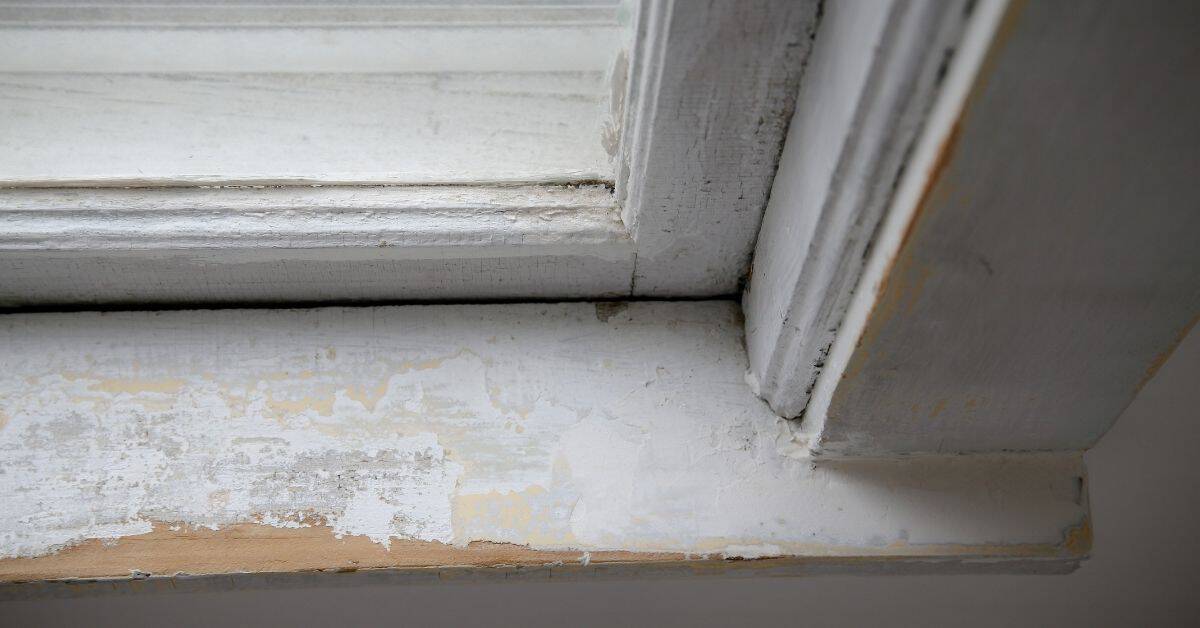
A simple on-site check is to confirm the concrete is dry, clean, and free of debris before any coating. If a film sealer is present, remove it first to prevent peeling, and monitor for chalking, color fade, or peel risk as part of a maintenance workflow. For exterior slabs exposed to de-icing salts or harsh cleaners, choose a sealer with suitable chemical resistance, and use surface prep and timing cues to manage recoat frequency and overall cost.
Concrete Sealer Maintenance Schedule
Maintaining your concrete sealer ensures optimal performance. Follow this checklist for regular upkeep.
- Visual Inspection: Examine surfaces for signs of peeling, cracking, or discoloration every 6 months.
- High-Traffic Zones: Inspect frequently used areas quarterly. Reapply sealer if the surface appears dull or shows wear.
- Vehicle Traffic Surfaces: Examine driveways and parking lots annually, focusing on tire marks and oil stains.
- Cleanliness: Remove dirt, debris, and stains promptly to prevent buildup. Use a mild detergent and soft-bristle brush.
- Moisture Content: Ensure surfaces are dry before applying sealer. Check for efflorescence (white powder) indicating excess moisture.
- UV Exposure: Inspect areas with direct sunlight exposure twice a year, as UV rays can degrade sealers over time.
- Freeze-Thaw Cycles: In cold climates, inspect surfaces annually for signs of frost damage or delamination.
- De-icing Salt Damage: Check for salt residue and its impact on the sealer’s integrity once a year, especially in winter.
Maintenance Tip: Regularly inspect your concrete to catch issues early and extend the lifespan of the sealer.