Search Results for: tar paper and sand concrete

Close-up of rough stucco dash finish texture surface

Stucco Texture Blending 101: How to Hide a Patch in Sand Float, Dash, and Lace Finishes

Introduction Stucco texture blending is the art of disguising a repair by matching texture and sheen under common finishes like sand float, dash, and lace. Treat the patch as a small project inside the bigger wall, plan to feather edges and adjust trowel pressure. Start by inspecting the surrounding texture and choosing a blending technique […]

Stucco Texture Blending 101: How to Hide a Patch in Sand Float, Dash, and Lace Finishes Read More »
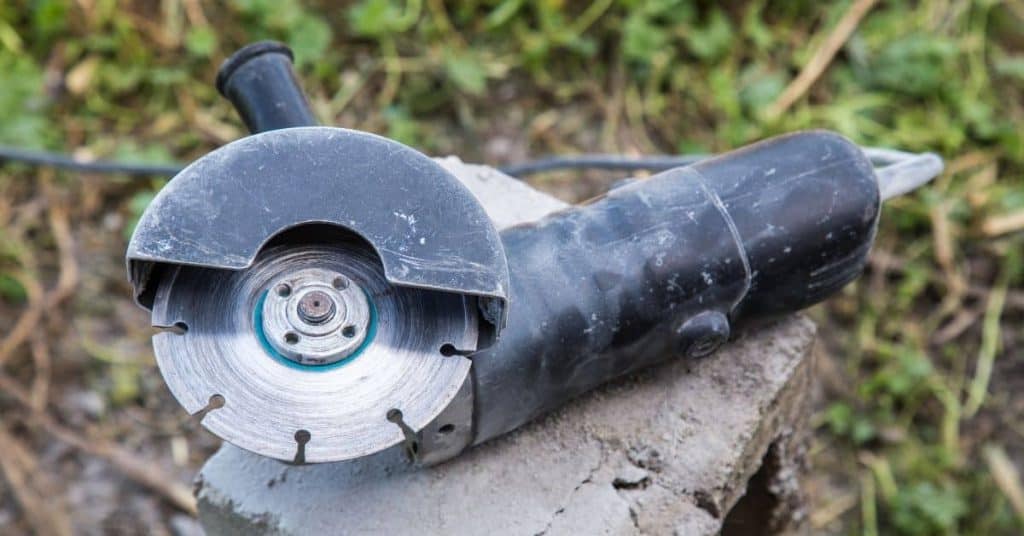
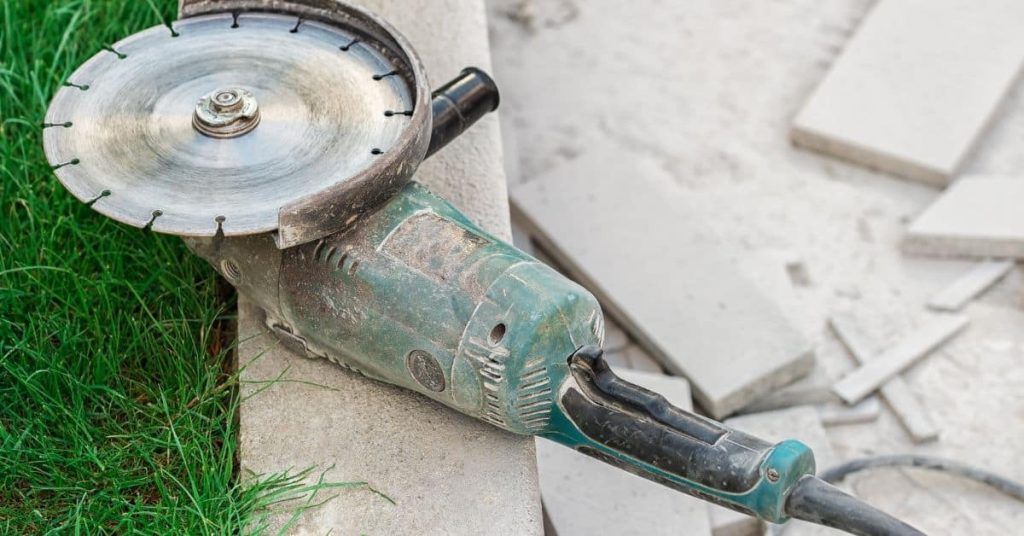
Angle grinder resting on concrete block outdoors

Repairing Stucco Behind Downspouts: Rebuilding the WRB and Getting the Termination Right

Introduction Repairing stucco behind downspouts means fixing the weather-resistant barrier and ensuring proper edge termination to prevent water intrusion. This is a hands-on DIY task that focuses on reestablishing a continuous moisture barrier and a clean transfer of water away from the wall. You’ll need to work behind the downspout area, where access and flashing

Repairing Stucco Behind Downspouts: Rebuilding the WRB and Getting the Termination Right Read More »

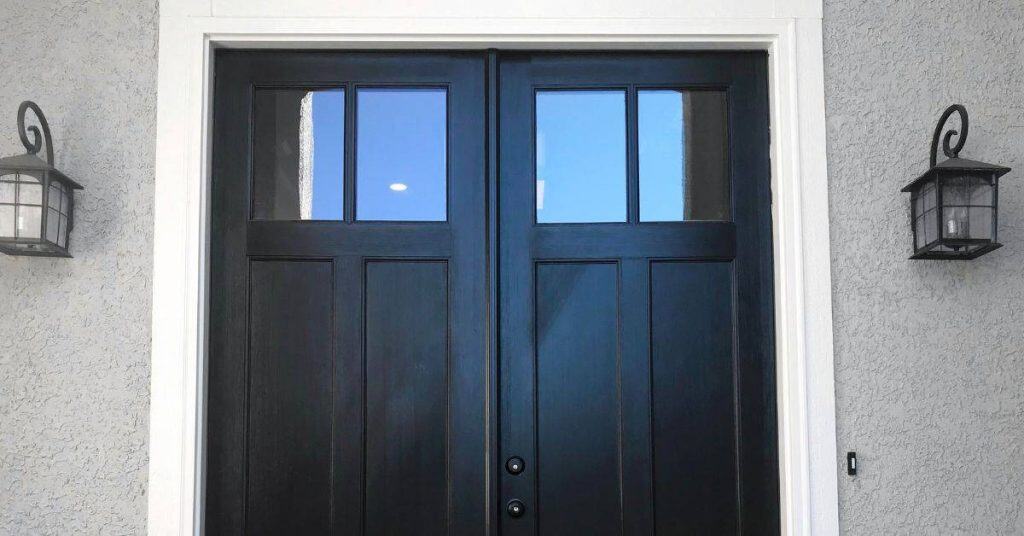
Black wooden double entry doors with glass panels and exterior wall lights

Backwrapping EIFS at Windows and Doors: What It Is and Why DIY Patches Fail Without It

Introduction Backwrapping EIFS at windows and doors means wrapping the exterior foam, weather barrier, and flashing around the rough opening to protect and seal it. It helps prevent water intrusion and wind-driven leaks where the openings meet the wall. DIY patches often fail when the edge around the opening isn’t wrapped and flashed properly. Without

Backwrapping EIFS at Windows and Doors: What It Is and Why DIY Patches Fail Without It Read More »

Old hammer and chisel on wood shavings covered surface

DIY Concrete Overlay Over Tile: When It’s Possible and the Bond-Breakers to Avoid

Introduction Yes, you can overlay concrete over tile if the tile is sound and properly prepared for bonding. Make sure the existing surface is firmly adhered and free of movement. If you’re unsure, check the manufacturer’s instructions or local rules before you start. Watch for bond-breakers like sealants, coatings, or residue that can prevent adhesion

DIY Concrete Overlay Over Tile: When It’s Possible and the Bond-Breakers to Avoid Read More »

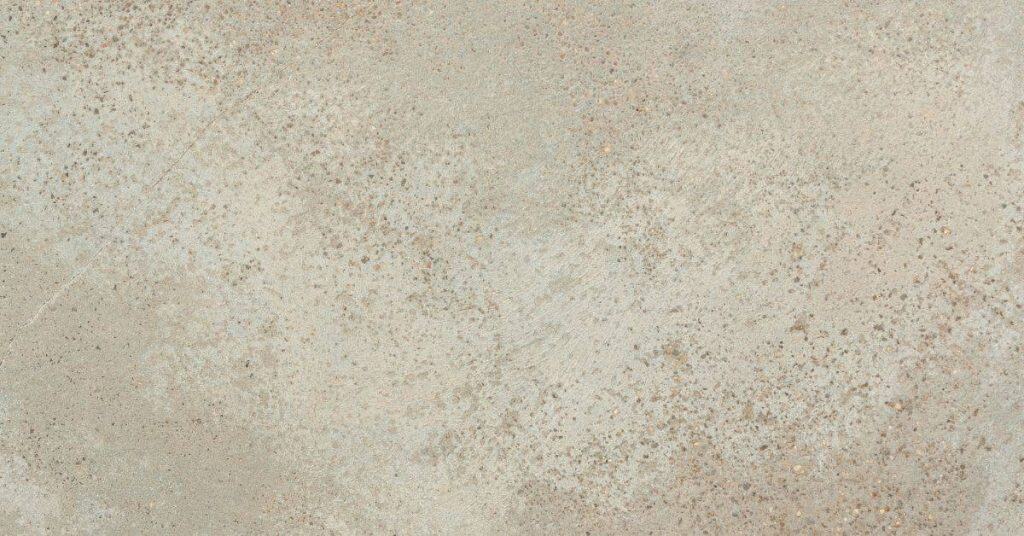
Close-up of concrete countertop surface with pinholes and texture

Fixing Pinholes in Concrete Countertops Without Regrinding the Whole Surface

Introduction A pinhole is a tiny void or air gap in cured concrete that shows as a small surface pore. You can fix it without regrinding the entire countertop by targeting the defect with the right repair approach. This intro covers identifying pinholes and choosing practical repair materials for a DIY fix. Prepare the surface

Fixing Pinholes in Concrete Countertops Without Regrinding the Whole Surface Read More »

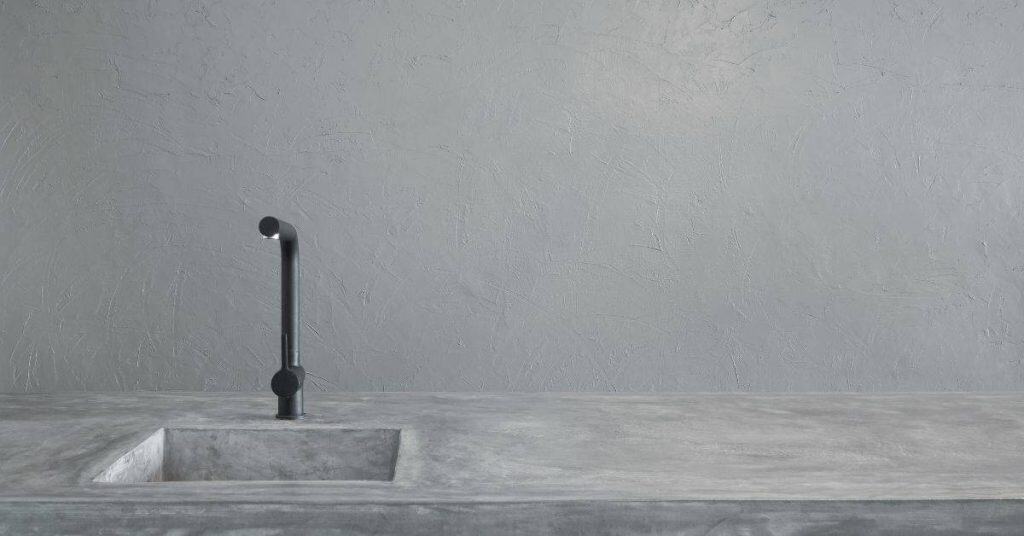
concrete countertop with integrated sink and black faucet

DIY Concrete Countertop Heat Damage: Trivets, Sealers, and Spot Repair Options

Introduction Concrete countertop heat damage protection and repair basics are practical steps to prevent scorch marks from hot items. Think in terms of using heat-resistant trivets, choosing appropriate sealers, and planning simple spot repairs when needed. This guide covers easy, hands-on steps you can follow in a DIY kitchen project. Regular inspection and maintenance of

DIY Concrete Countertop Heat Damage: Trivets, Sealers, and Spot Repair Options Read More »

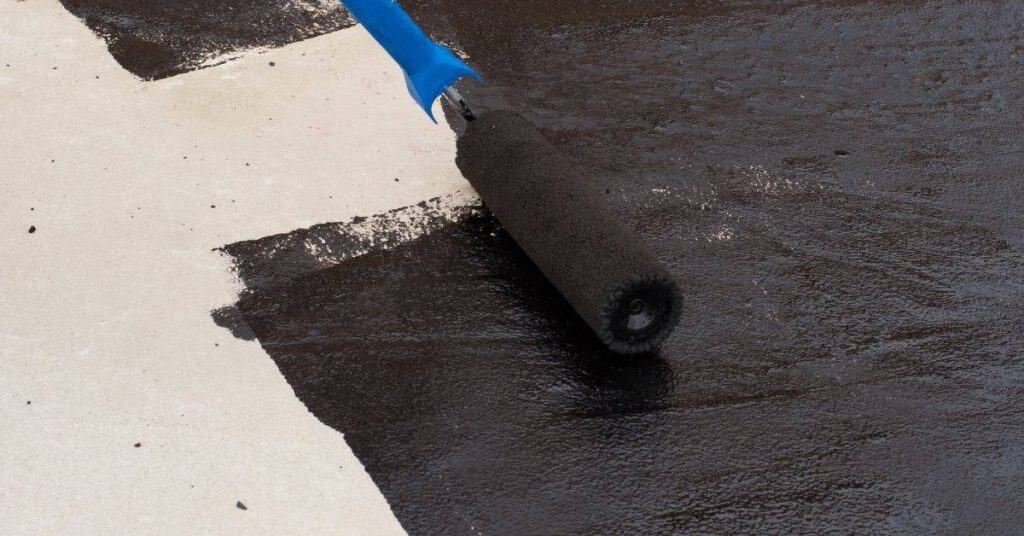
Paint roller applying black concrete sealer on light concrete surface

Concrete Sealer Lap Marks: Why They Happen and How to Prevent ‘Shiny Stripes’

Introduction Concrete sealer lap marks are shiny stripes that appear when sealer dries unevenly along the edges of a previous pass. They often come from pooling, overlapping strokes, or applying too many coats too quickly. In practice, you can spot them as brighter lines where the finish looks different from the surrounding surface. To prevent

Concrete Sealer Lap Marks: Why They Happen and How to Prevent ‘Shiny Stripes’ Read More »

Peeling gray coating on concrete surface near wall

How to Recoat a Concrete Sealer Without Peeling: Adhesion Tests and Prep Steps

Introduction Recoating a concrete sealer means applying a fresh layer over a sealed concrete surface after confirming the old layer sticks well. Before you open a new can, inspect the old finish for peeling or staining and prepare to clean and roughen the surface as needed. Keep the goal simple: the new coat should bond

How to Recoat a Concrete Sealer Without Peeling: Adhesion Tests and Prep Steps Read More »

Close-up of concrete floor grinding machine in use

Concrete Driveway Oil Stain Removal: Enzyme vs. Poultice vs. Grinding (What Works When)

Introduction Oil stain removal on a concrete driveway comes down to enzyme treatment, poultice, or grinding. Enzymes break down the oil, poultices draw it out, and grinding physically removes the surface. What works best depends on the stain depth, age, and your tolerance for dust or smell. Check product labels and manufacturer instructions, and local

Concrete Driveway Oil Stain Removal: Enzyme vs. Poultice vs. Grinding (What Works When) Read More »