Search Results for: tar paper and sand concrete

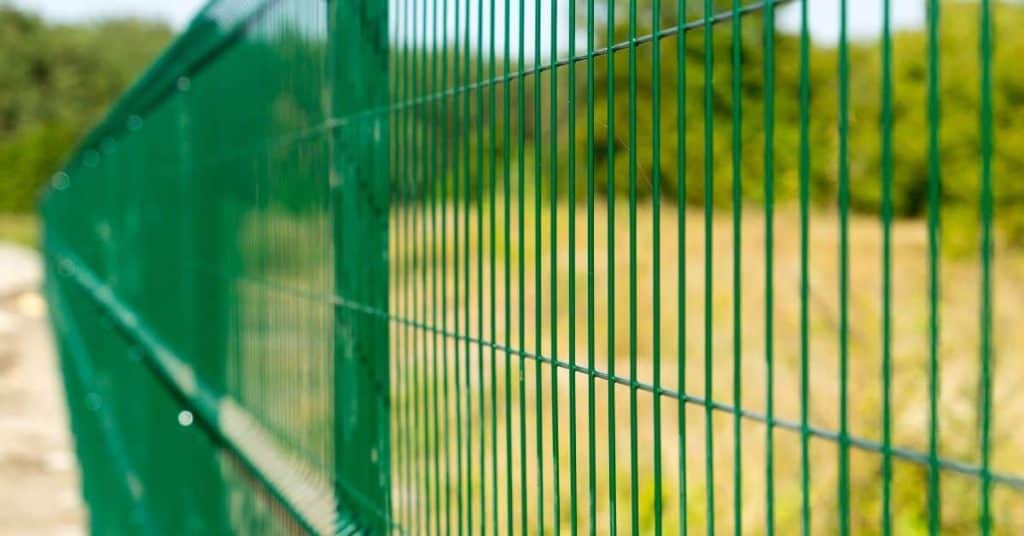
Green painted metal wire panel fence outdoors

Painting Galvanized Metal Outdoors: New vs. Weathered Zinc and Proper Primers

Introduction Galvanized metal is steel or iron coated with zinc to resist rust, and painting it outdoors requires the right primer and prep. Galvanizing can be done by hot-dip in zinc, which creates a sacrificial coating that will weather and may need surface prep before paint. New galvanized metal versus weathered material matters because the […]

Painting Galvanized Metal Outdoors: New vs. Weathered Zinc and Proper Primers Read More »
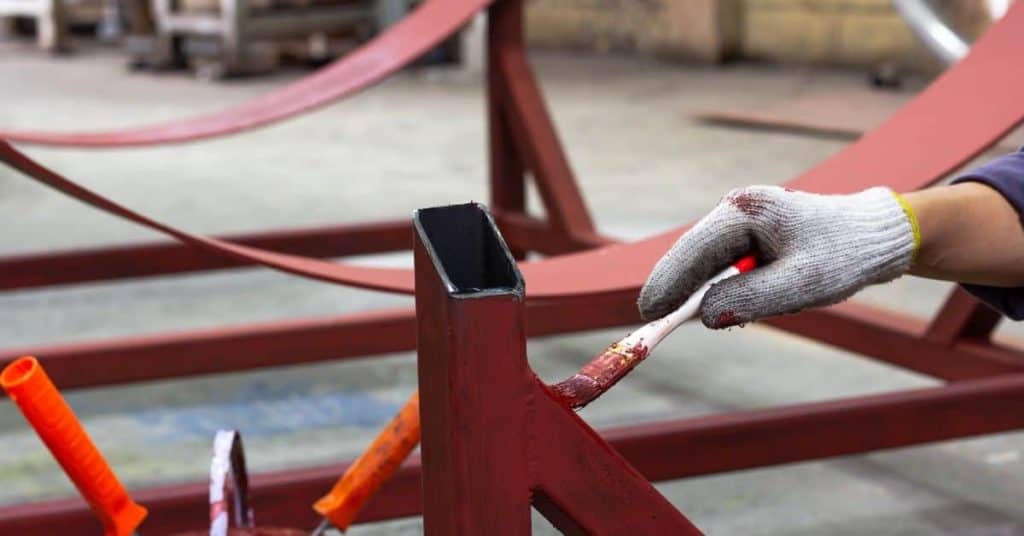
Hand with glove painting red metal structure with brush

Painting Over Powder-Coated Metal: Scuffing, Primers, and When to Skip Painting

Introduction Painting over powder-coated metal is applying a new finish on top of a powder-coated surface after proper prep. The job hinges on scuffing the surface, choosing a compatible primer, and knowing when painting isn’t worth the effort. Take time to clean and dry the metal before you start. This DIY introduction walks you through

Painting Over Powder-Coated Metal: Scuffing, Primers, and When to Skip Painting Read More »

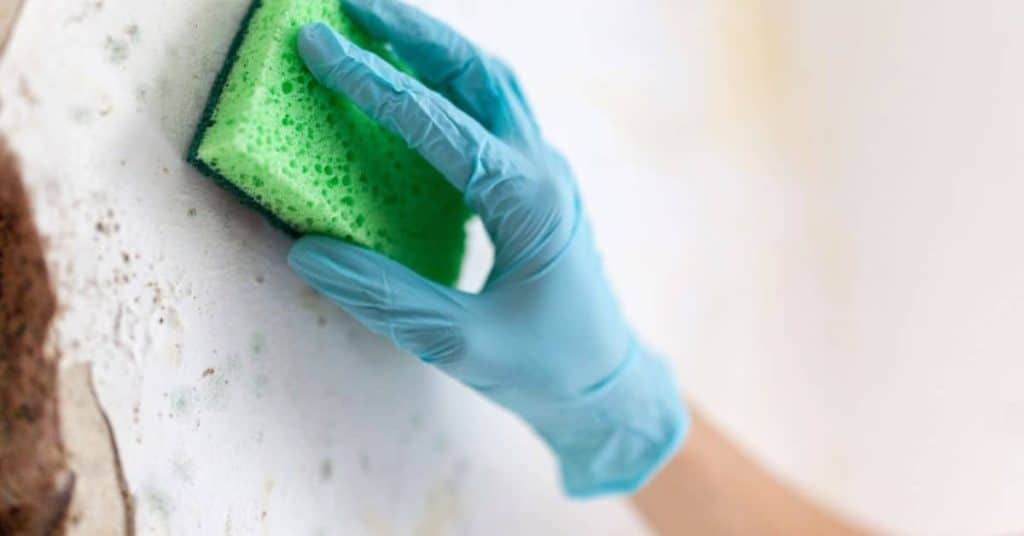
Hand in blue glove scrubbing wall with green sponge

How to Choose a Bathroom Vanity Paint That Survives Water and Cleaning Chemicals

Introduction A bathroom vanity paint that survives water and cleaning chemicals is a moisture-tolerant coating chosen for cabinetry in wet areas. Start by matching your finish to the vanity material and plan proper prep like cleaning, sanding, and priming per manufacturer instructions. Check labels for water resistance and chemical resistance, and follow the guidance on

How to Choose a Bathroom Vanity Paint That Survives Water and Cleaning Chemicals Read More »

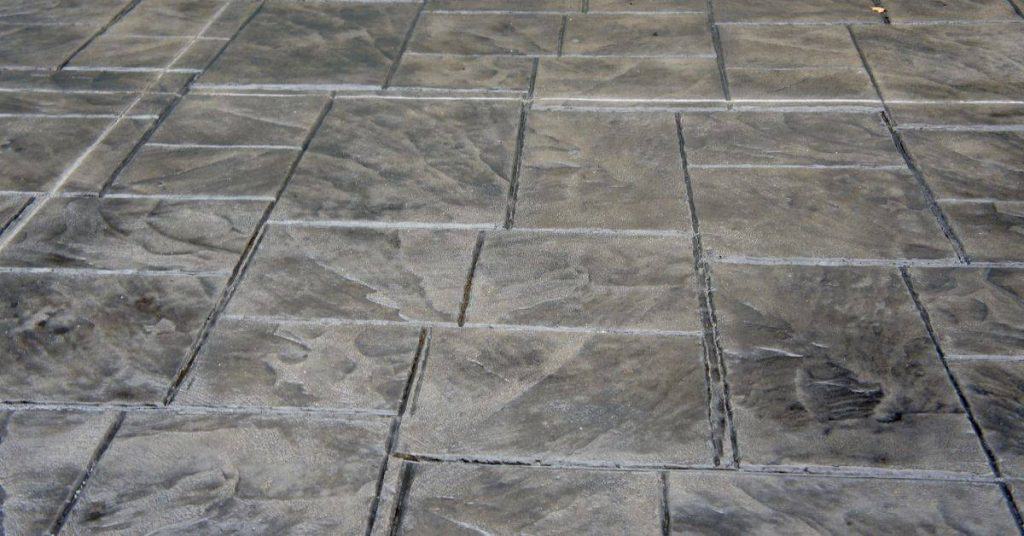
Close-up of textured stamped concrete surface with square pattern

Best Paint Systems for Concrete Block Walls Indoors (Breathability vs. Washability)

Introduction Breathable paint systems allow moisture in the wall to escape while still providing a decorative finish. Washable coatings resist scuffs and stains, but may seal too tight and trap moisture if used improperly. For block walls indoors, balance the needs of humidity, moisture migration, and cleaning ease. Check the product label for breathability ratings

Best Paint Systems for Concrete Block Walls Indoors (Breathability vs. Washability) Read More »

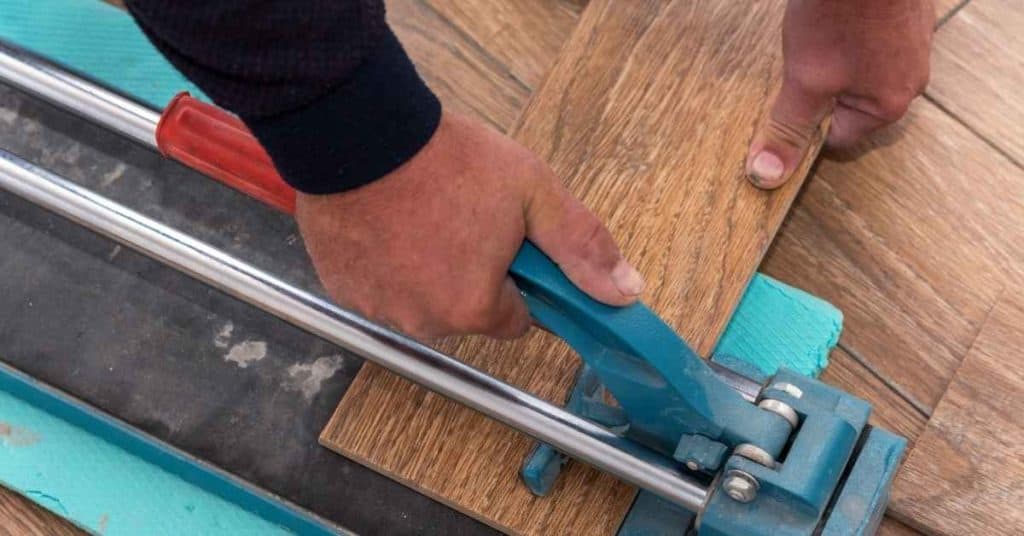
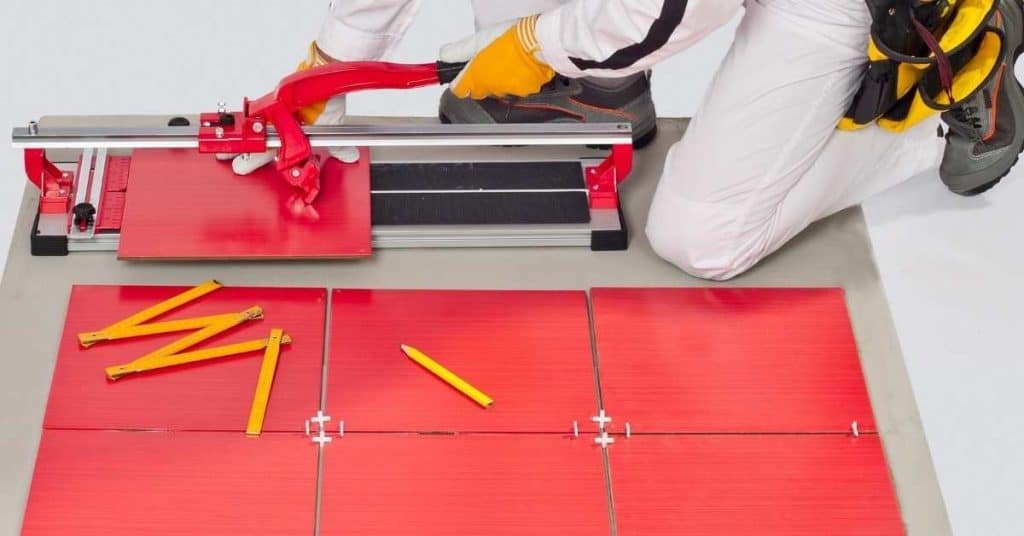
Hands cutting wood-look tile with manual tile cutter

Transition Strips That Don’t Look Cheap: Flush Transitions, Scribes, and Custom Saddles

Introduction Flush transitions are finish pieces that create a seamless edge between floor surfaces without a visible drop or lip. In this article, we’ll cover how to get flush transitions, have clean scribes, and build custom saddles that look like part of the install. Focus on matching height, marking where trim meets the floor, and

Transition Strips That Don’t Look Cheap: Flush Transitions, Scribes, and Custom Saddles Read More »

Herringbone patterned wooden floor in empty room with blue walls

Bamboo Flooring Scratch Repair: Touch-Up Kits vs. Screen-and-Recoat Options

Introduction Touch-up kits and screen-and-recoat are two common ways to repair scratches on bamboo flooring. Bamboo floors are durable, but everyday wear can show scratches, especially in high-traffic areas. This guide will help you decide which method fits your situation and budget. Scratch causes include grit, furniture movement, and moisture exposure, so address the underlying

Bamboo Flooring Scratch Repair: Touch-Up Kits vs. Screen-and-Recoat Options Read More »

Living room with hardwood floor and furniture

Hardwood Floor Cupping vs. Crowning: Diagnosing Moisture Direction and Fixing It

Introduction Cupping happens when boards bow with edges higher than the center due to moisture imbalance, and crowning is when the center swells above the edges. In practice, cupping shows as edges higher than the center, with a concave profile across boards, while crowning shows the opposite where the center sits higher than the edges.

Hardwood Floor Cupping vs. Crowning: Diagnosing Moisture Direction and Fixing It Read More »

Packed cardboard boxes and household items in sunlit room

Engineered Hardwood Over Concrete: Glue-Down vs. Floating and Vapor Barrier Strategy

Introduction Engineered hardwood over concrete can be installed either glued down or floated, with a moisture plan in place. This is a practical, hands-on topic that matters for a stable floor and a smooth finish. You’ll see how pre-install steps set the stage and what to check before you start cutting or laying material. Choosing

Engineered Hardwood Over Concrete: Glue-Down vs. Floating and Vapor Barrier Strategy Read More »

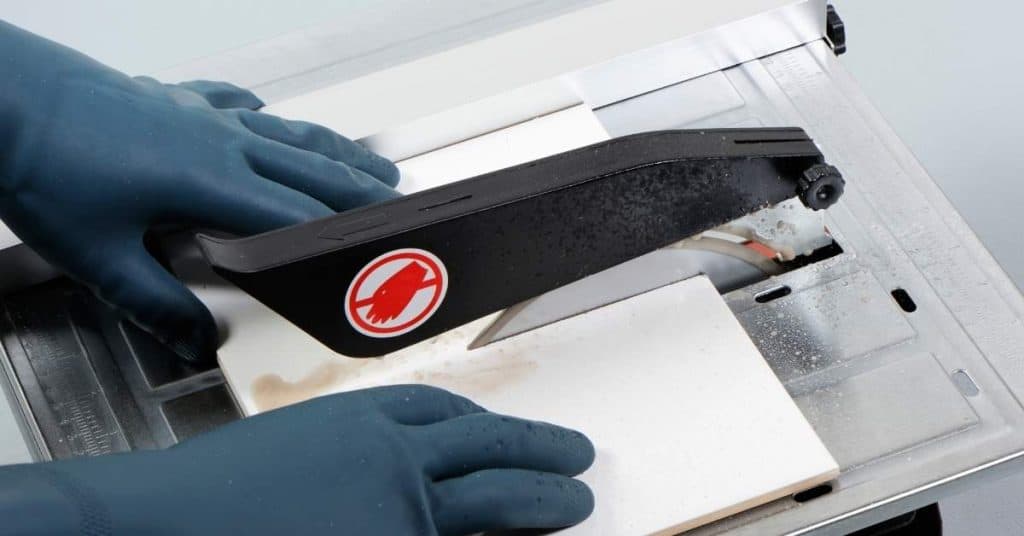
Hands in gloves cutting tile on a wet tile saw

Cutting Tiny Tile Slivers Safely: Jigs and Alternatives That Look Better

Introduction Cutting tiny tile slivers safely means trimming small tile offcuts with stable guides to avoid breakage. This article covers practical jigs and simple alternatives that help you keep the edge clean. It stays hands-on and avoids guessing, with tips you can verify on the job. You’ll find options that pair a steady fence with

Cutting Tiny Tile Slivers Safely: Jigs and Alternatives That Look Better Read More »

Person cutting red ceramic tile with manual tile cutter

How to Tile Over Radiant Heat Mats: Layout, Thickness Buildup, and Sensor Placement

Introduction Tile over radiant heat mats means installing tile on top of an electric floor heating mat with a careful layout plan. This introduction covers how to plan tile layout, where to place sensors, and how to account for depth as you build up. It’s a hands-on DIY approach, not a product pitch, so check

How to Tile Over Radiant Heat Mats: Layout, Thickness Buildup, and Sensor Placement Read More »