Search Results for: surface prep

Close-up of cracked concrete surface with fine fissure

Concrete Moisture Testing for Coatings: Plastic Sheet vs RH Probes vs Real-World Clues

Introduction Concrete moisture testing for coatings is how you check if a slab is dry enough for coatings using plastic sheet tests, RH probes, or real-world clues. Plastic sheet tests give a quick yes/no read, RH probes measure in-the-mix or at the surface over time, and real-world clues come from how coatings behave in practice. […]

Concrete Moisture Testing for Coatings: Plastic Sheet vs RH Probes vs Real-World Clues Read More »
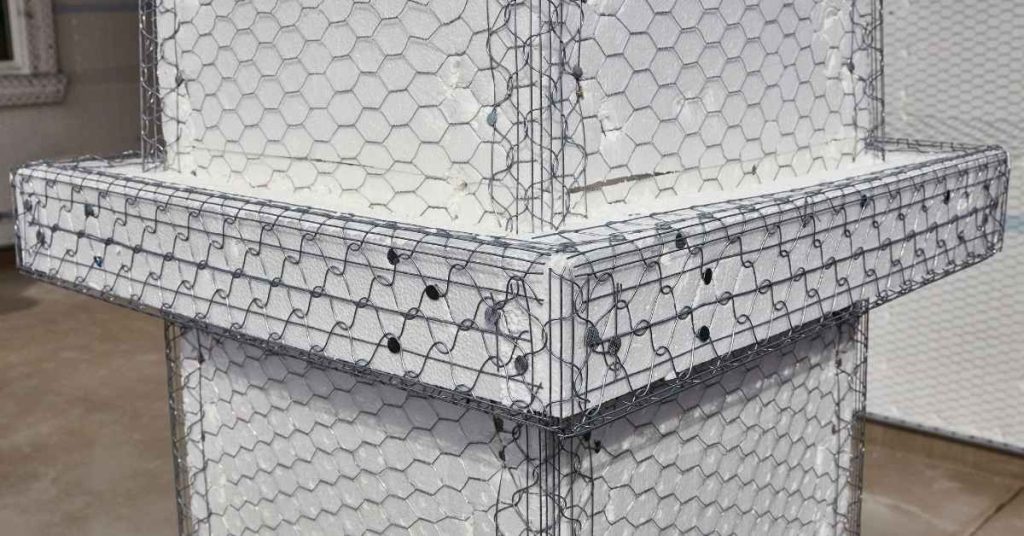
Wire lath attached over foam insulation at inside corner

Inside-Corner Stucco Cracks: Reinforcement That Works Without Bulking

Introduction Inside-corner stucco crack reinforcement is a way to strengthen the joint without making it bulky. It focuses on tying the corner back together and borrowing the surrounding material’s strength so the crack doesn’t widen. Check local guidelines and product instructions to choose a method that fits your wall and climate. Different stucco types and

Inside-Corner Stucco Cracks: Reinforcement That Works Without Bulking Read More »

Hand holding blue caulking gun near white ceiling corner

Stucco-to-Window Caulk Lines: Where to Seal and Where to Leave Drainage

Introduction Caulking between stucco and window frames should be sealed where moisture can enter and left unblocked where drainage is needed. This article keeps it simple for DIYers: look for gaps, cracks, and misfitting edges and decide what to seal. Use the right sealant and apply cleanly, then check drainage paths. Identify gaps around windows

Stucco-to-Window Caulk Lines: Where to Seal and Where to Leave Drainage Read More »

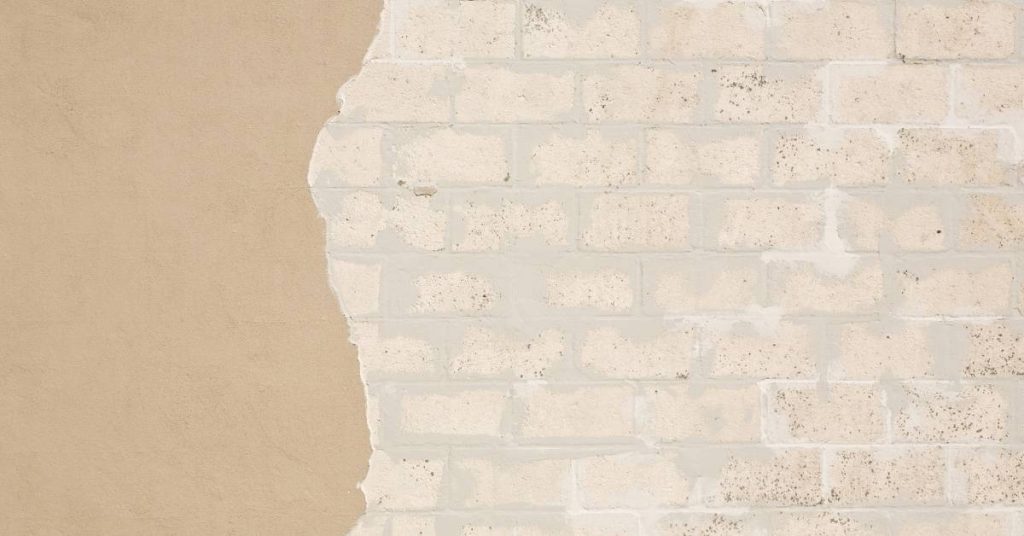
Partially removed stucco revealing brick wall underneath

Crumbling Stucco Bottom Edges: Rebuild Steps and Keeping the Base Dry

Introduction Crumbling stucco bottom edges are where the material pulls away from the base near the ground, often letting moisture into the wall. This article shows you how to inspect the problem, remove damaged stucco safely, and plan repairs in plain, hands-on terms. You’ll learn what to look for so you can decide what needs

Crumbling Stucco Bottom Edges: Rebuild Steps and Keeping the Base Dry Read More »

Stucco exterior walls of beige house with visible horizontal control joints

Stucco Control Joint Layout for Big Walls: Spacing That Prevents Map Cracking

Introduction Control joints are designed gaps in stucco that allow movement and prevent cracks on big walls. They give the plaster somewhere to flex instead of tearing apart as the wall expands and contracts. If you skip them on a large surface, you’re inviting map cracking and uneven textures. Plan joint placement based on wall

Stucco Control Joint Layout for Big Walls: Spacing That Prevents Map Cracking Read More »

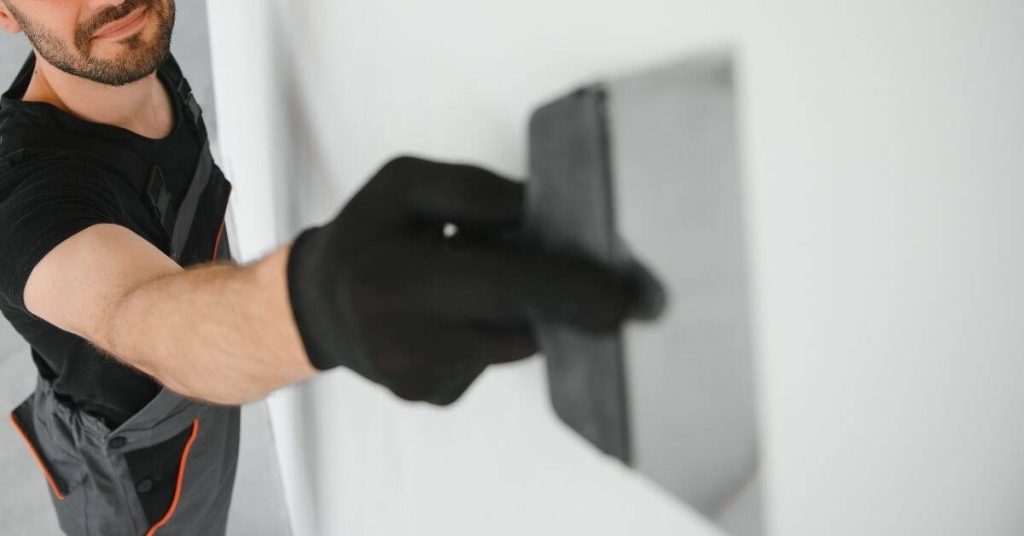
Worker applying plaster to wall with trowel

Smoothing Interior Concrete Block Walls: Skim Coats, Bonding, and Moisture Concerns

Introduction Smoothing interior concrete block walls means applying a skim coat to create a flat, paint-ready surface. It’s a light, even layer that fills small voids and helps the wall accept finish coats. The key is good bonding and proper moisture handling before you start. Lean on simple steps: clean and rough up the surface,

Smoothing Interior Concrete Block Walls: Skim Coats, Bonding, and Moisture Concerns Read More »

Man applying plaster on wall with a trowel

Heat-Resistant Plaster Finishes Near Wood Stoves: Safer Choices and Topcoats

Introduction Heat-resistant plaster finishes are durable coatings designed to survive nearby wood stoves without cracking or posing a fire risk. Choose a plaster system that is non-combustible with a solid backing and proper joints, and follow the manufacturer’s instructions for installation and curing. For topcoats, look for options labeled for high-heat areas and apply them

Heat-Resistant Plaster Finishes Near Wood Stoves: Safer Choices and Topcoats Read More »

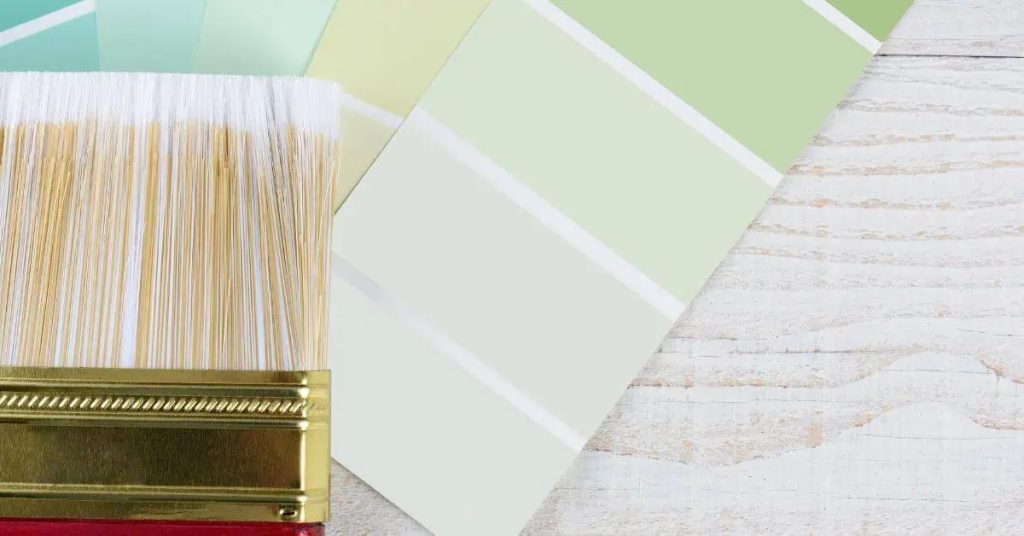
Paint brush next to green color swatch cards on wooden surface

Marmorino Color Layering: Building Depth Without Blotches or Lap Marks

Introduction Marmorino Color Layering is a plaster technique that builds depth by layering pigments and lime plaster to avoid blotches. You’ll apply thin coats, blend colors wet-on-wet, and smooth to keep it even. Work in small areas and test a patch first to learn how your mix behaves. Start with a clean, damp surface and

Marmorino Color Layering: Building Depth Without Blotches or Lap Marks Read More »

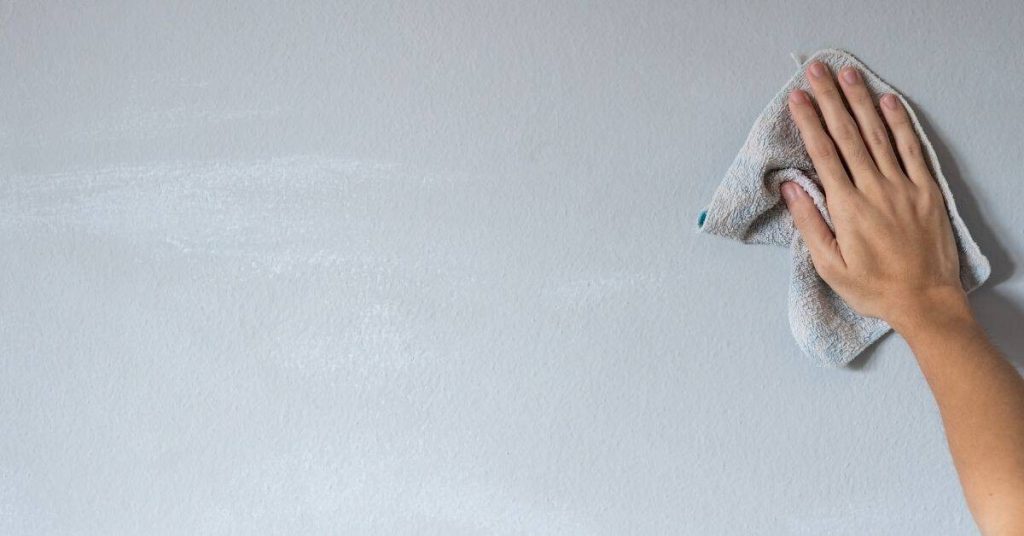
Hand wiping plaster wall with gray cleaning rag

Restoring Plaster After Smoke Damage: Cleaning, Sealing, and When Skims Won’t Bond

Introduction Restoring plaster after smoke damage means cleaning soot from surfaces, sealing with an appropriate primer, and addressing spots where skim coats won’t bond. This is a hands-on job you can tackle with basic tools, but you’ll need to verify suitability with product labels and local rules. Start with a gentle cleaning method that won’t

Restoring Plaster After Smoke Damage: Cleaning, Sealing, and When Skims Won’t Bond Read More »