Search Results for: surface prep

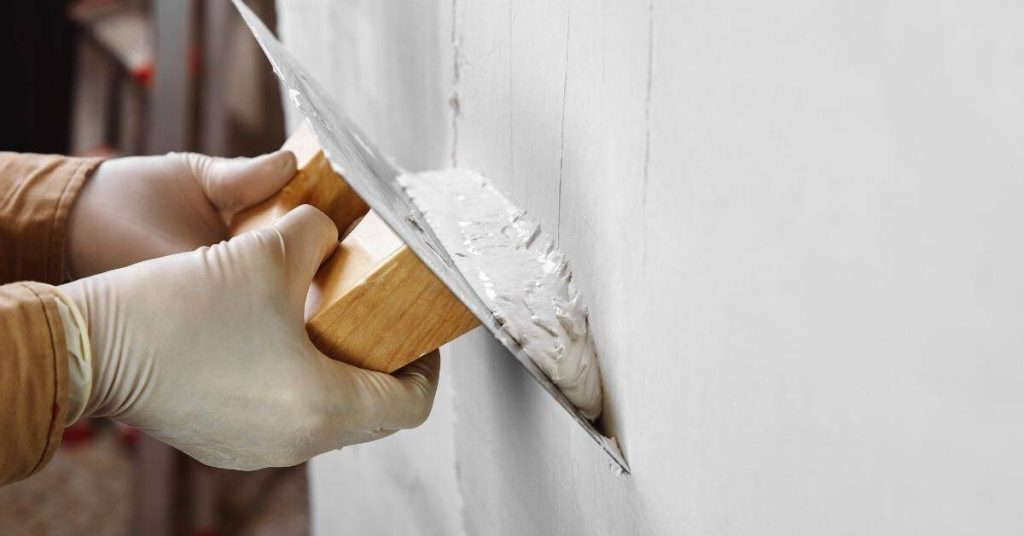
Hands wearing gloves applying plaster with a trowel on wall

Lime Plaster Over Foam Indoors: Mechanical Keys, Mesh, and Fire-Safety Notes

Introduction Lime plaster over foam indoors is applying a breathable lime-based coating on foam insulation or foam boards inside a building. It needs proper keys, mesh, and surface prep so the plaster grips the foam. Work slowly, check that the foam is compatible with lime, and follow local rules. Use mechanical keys and mesh to […]

Lime Plaster Over Foam Indoors: Mechanical Keys, Mesh, and Fire-Safety Notes Read More »
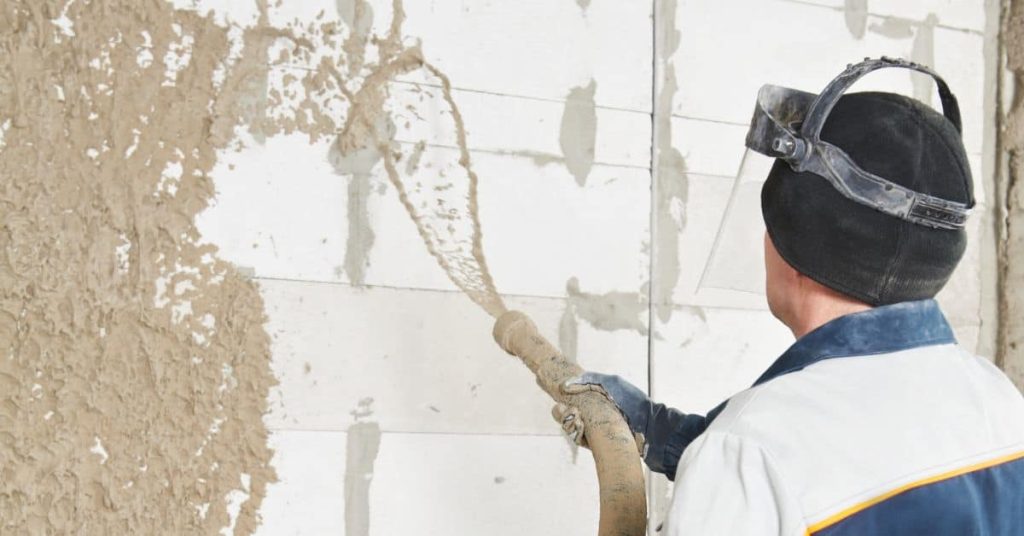
Worker spraying wet stucco onto wall surface

Plaster Base Coats on Metal Lath: Thickness Targets and Scratch Patterns That Hold

Introduction A plaster base coat on metal lath is the first plaster layer that bonds to the lath and creates a solid surface. Apply it over clean, prepared metal lath and follow the guidance on the product label or manufacturer instructions. Keep the mix at a workable consistency and follow any local rules or instructions

Plaster Base Coats on Metal Lath: Thickness Targets and Scratch Patterns That Hold Read More »

Close-up of patterned decorative plaster with floral design

Patterned Decorative Plaster Patches: Aligning Repeats and Hiding Seams

Introduction Patterned decorative plaster patches are small, repeatable designs applied to damaged plaster to create a seamless look. The goal is to line up the pattern so the patches blend with the surrounding wall and hide the seams. Work with the existing texture and color as a guide. Start by cleaning the area and roughing

Patterned Decorative Plaster Patches: Aligning Repeats and Hiding Seams Read More »

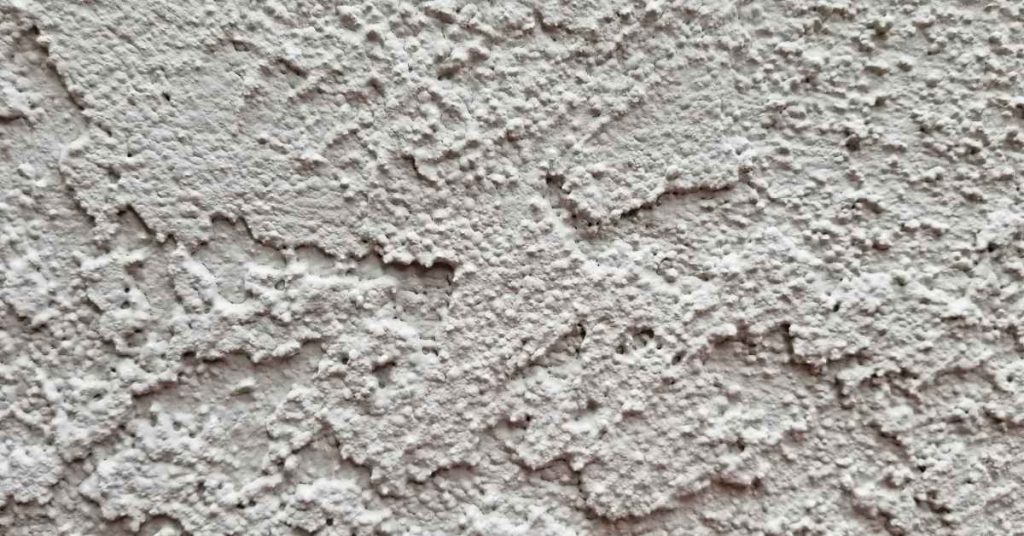
Close-up of white stucco wall texture

Stucco Wicking from Concrete: Base Details and Capillary Break Fixes

Introduction Stucco wicking from concrete happens when moisture travels through the concrete and into the stucco layer. This article covers how to prep the base and prevent capillary pull that brings dampness into the finish. Think of base details as the first line of defense: clean, dry, and properly framed to keep water away. Capillary

Stucco Wicking from Concrete: Base Details and Capillary Break Fixes Read More »

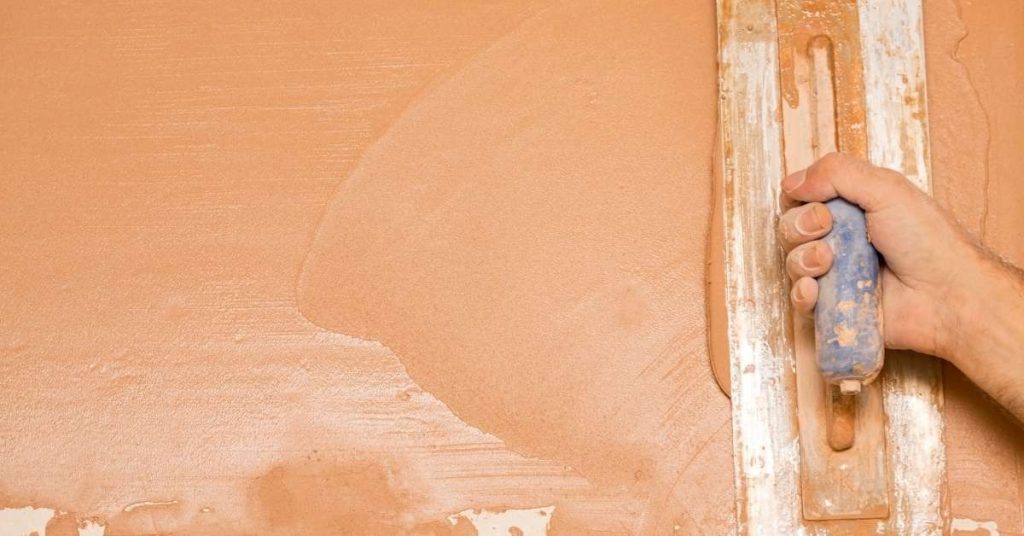
Hand applying brown stucco coat with trowel on wall

Stucco Over AAC or Soft Masonry: Suction Control and Base Coat Choices

Introduction Stucco over AAC or soft masonry requires managing suction and choosing a suitable base coat to ensure a durable finish. Prepare the substrate properly and assess suction levels before applying any finish coat. Always check the product labels and manufacturer instructions for compatible base coats and local requirements. Practice proper application techniques for plaster

Stucco Over AAC or Soft Masonry: Suction Control and Base Coat Choices Read More »

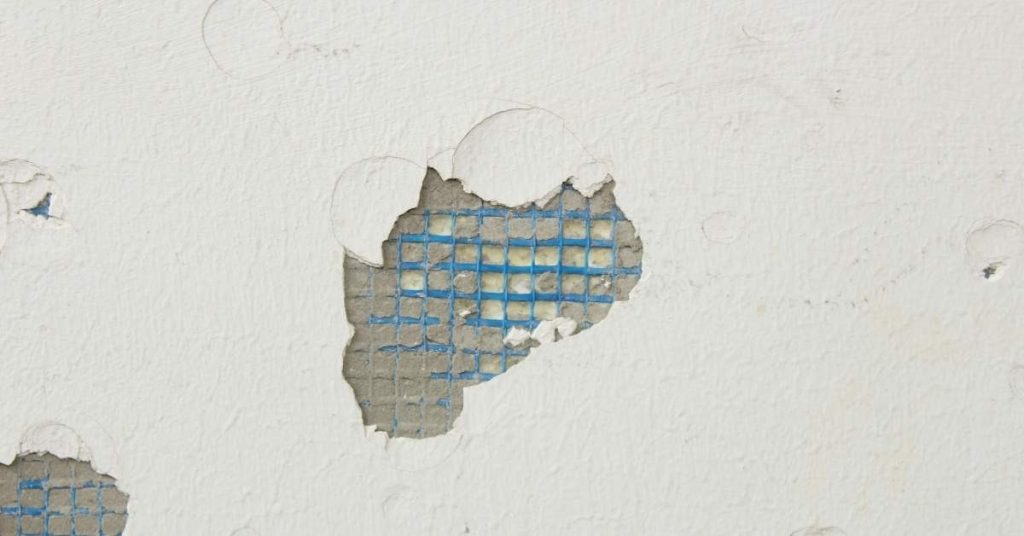
White stucco wall with damaged areas showing blue reinforcing mesh

Damaged Stucco Control Joints: When to Reseal and When to Replace the Accessory

Introduction Damaged stucco control joints require resealing or replacement to restore movement control and weather sealing. Look for cracks, loose edges, out-of-plane movement, or water staining that indicate the joint has been compromised. Carefully tape off surrounding surfaces, inspect behind the joint, and note whether the substrate shows movement or spalling before choosing a repair

Damaged Stucco Control Joints: When to Reseal and When to Replace the Accessory Read More »

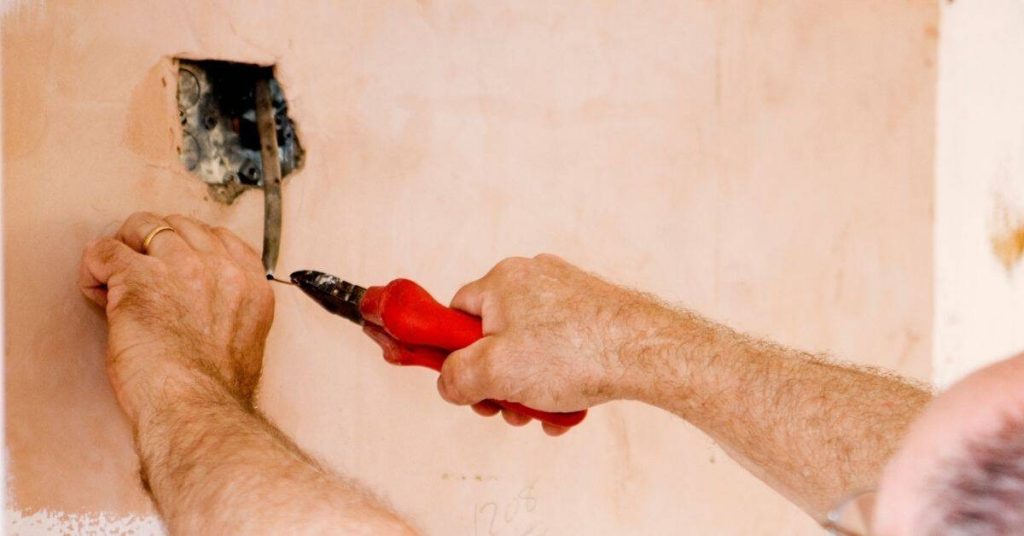
Hands using pliers to pull wire from electrical box in stucco wall

Stucco Around Electrical Meter Bases: Water Management Without Caulk Dams

Introduction Stucco around electrical meter bases is the careful detailing of stucco up to the meter box while managing water to prevent leaks. This approach keeps the enclosure dry and minimizes pathways for water intrusion. Follow manufacturer instructions and local rules to align with safe installation practices. Key methods include planning flashing and weep paths

Stucco Around Electrical Meter Bases: Water Management Without Caulk Dams Read More »

Polished concrete floor reflecting windows and lights

Kitchen Polished Concrete Sealers: Heat Rings, Food Reality, and Maintenance Plans

Introduction Kitchen polished concrete sealers are coatings that protect and enhance a smooth concrete surface in food prep areas. This article gives a practical, hands-on look at what types exist and how they work in real kitchens. We’ll cover basics you can check on labels and what questions to ask when choosing a sealer. Key

Kitchen Polished Concrete Sealers: Heat Rings, Food Reality, and Maintenance Plans Read More »

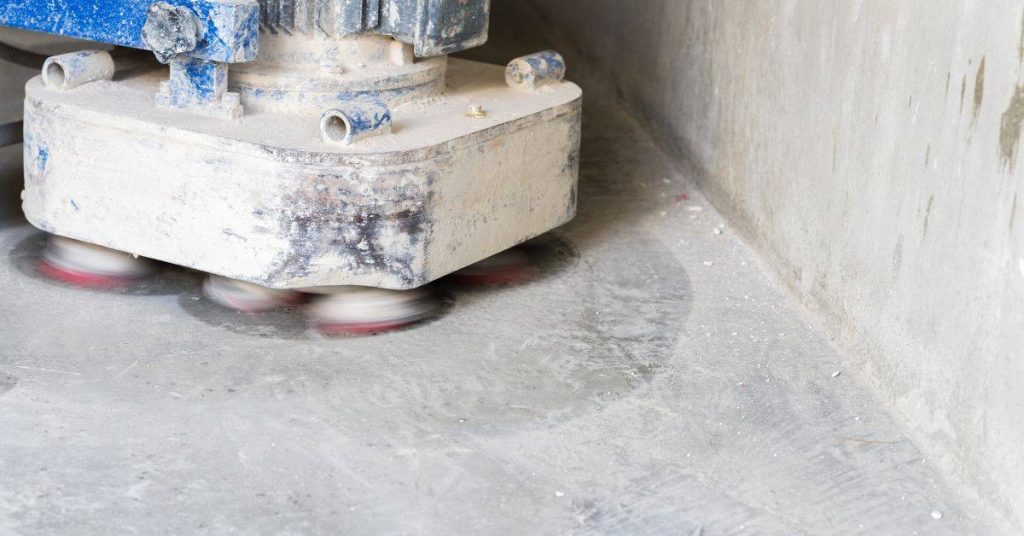
Close-up of concrete floor grinding machine in action

Grinding High Spots on Concrete: How Deep Is Safe Before You Hit Trouble

Introduction Grinding high spots on concrete is the process of removing tiny amounts of surface to bring the floor to a level plane. It’s a hands-on job that starts with locating the high spots and planning the approach, not blasting away blindly. Check your grinder’s guard, power rating, and the manufacturer’s instructions before you begin,

Grinding High Spots on Concrete: How Deep Is Safe Before You Hit Trouble Read More »

Stone-look concrete gate pillars with metal fence panels

Stone-Look Concrete Finishes: Rub Techniques, High Spots, and Sealer Choices

Introduction Stone-Look Concrete Finishes are achieved by rubbing and refining a concrete surface to resemble natural stone. On the job, you’ll use hand tools and trowels to work the surface while it’s still workable, then wipe, rub, and burnish to blend colors. Check product labels and manufacturer instructions for cure times and safety before starting.

Stone-Look Concrete Finishes: Rub Techniques, High Spots, and Sealer Choices Read More »