Search Results for: surface prep

Person smoothing plaster on wall with trowel wearing red glove

Matching a 1920s plaster finish: how to recreate subtle trowel marks and sheen

Introduction A matching 1920s plaster finish is a subtle, handmade wall surface that uses light trowel marks and a soft, aging sheen. The goal is to recreate the quiet texture and depth of period walls without looking overdone. It involves careful surface work, controlled plaster mixes, and patient application. Before you start, assess the existing […]

Matching a 1920s plaster finish: how to recreate subtle trowel marks and sheen Read More »

Corner of a stucco exterior wall with glass block windows

Using efflorescence on stucco as a leak map: how to trace water paths inside the wall

Introduction Efflorescence on stucco is mineral salt deposits left behind when moisture moves through the wall, and it can indicate where water is traveling inside the structure. These deposits can hint at the paths moisture takes through the cavity. Use the visible salt deposits as a map to trace moisture paths and observe patterns around

Using efflorescence on stucco as a leak map: how to trace water paths inside the wall Read More »

Hand applying sponge to textured plaster wall

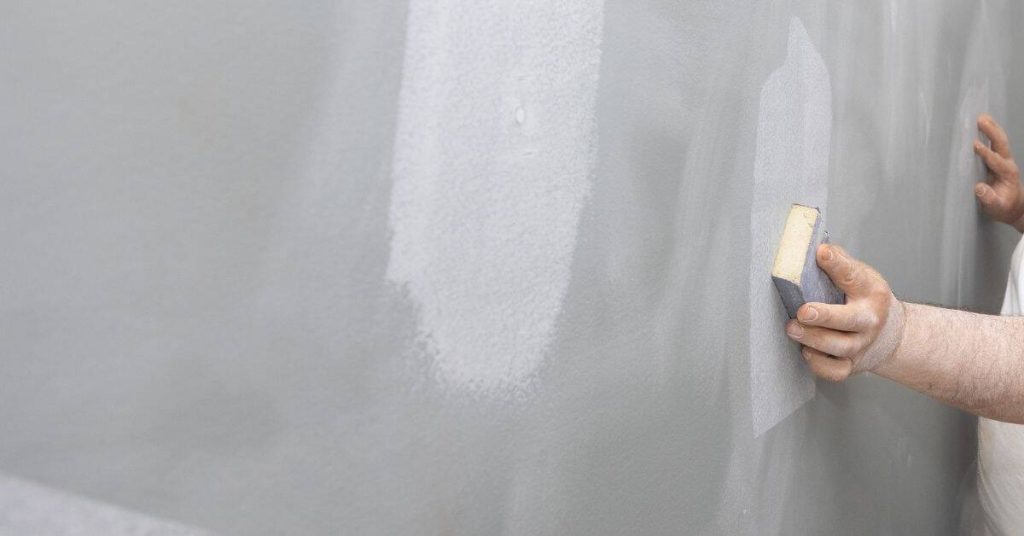
Blending textures on old plaster walls: sand grading tricks and sponge timing

Introduction Blending textures on old plaster walls means smoothing uneven surfaces by using sand grading and sponge timing to achieve a cohesive finish. This article focuses on practical, hands-on steps you can follow in a DIY setting. You’ll balance texture retention with a softer final look while it remains within safe expectations for plaster repair.

Blending textures on old plaster walls: sand grading tricks and sponge timing Read More »

Construction worker applying stucco to wall with trowel

Stucco in Hot, Dry Conditions: Misting Schedules and Preventing Rapid Set During Troweling

Introduction Hot, dry weather can shorten stucco working time and pull moisture from a fresh coat before it can be finished and cured correctly. The practical answer is not a universal misting interval: first dampen the substrate as your product requires, keep batches and spreads small while troweling, then begin curing only after the finished

Stucco in Hot, Dry Conditions: Misting Schedules and Preventing Rapid Set During Troweling Read More »

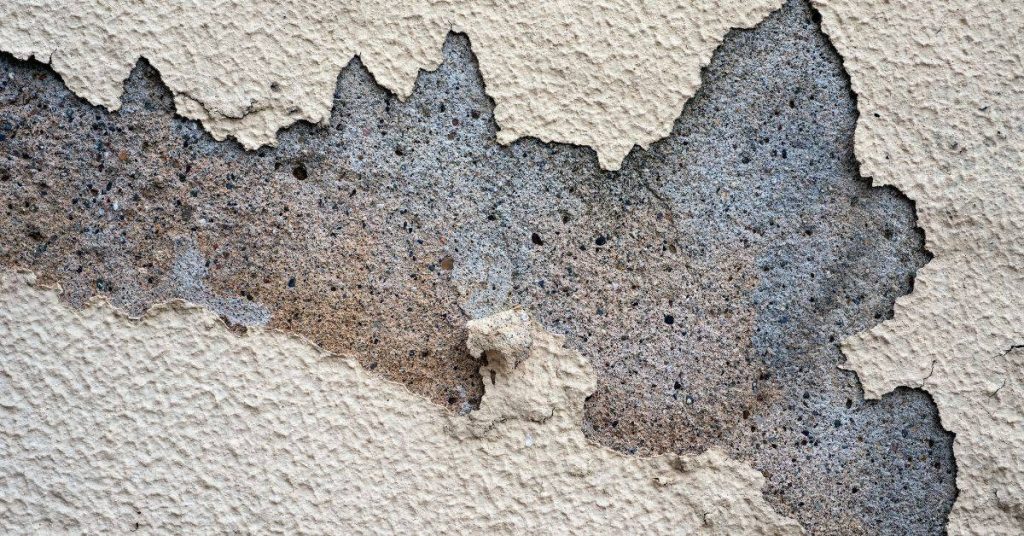
Peeling beige stucco revealing rough concrete underneath

Freeze-thaw damage on stucco base coats: recognizing it early and rebuilding the right way

Introduction Freeze-thaw damage occurs when trapped moisture in stucco base coats freezes and expands, causing cracking and delamination. It can weaken the surface and open pathways for water to enter surrounding layers. Damage often starts on the exterior and can spread if not addressed with proper repairs. Common signs include hairline cracks, chipped or powdery

Freeze-thaw damage on stucco base coats: recognizing it early and rebuilding the right way Read More »

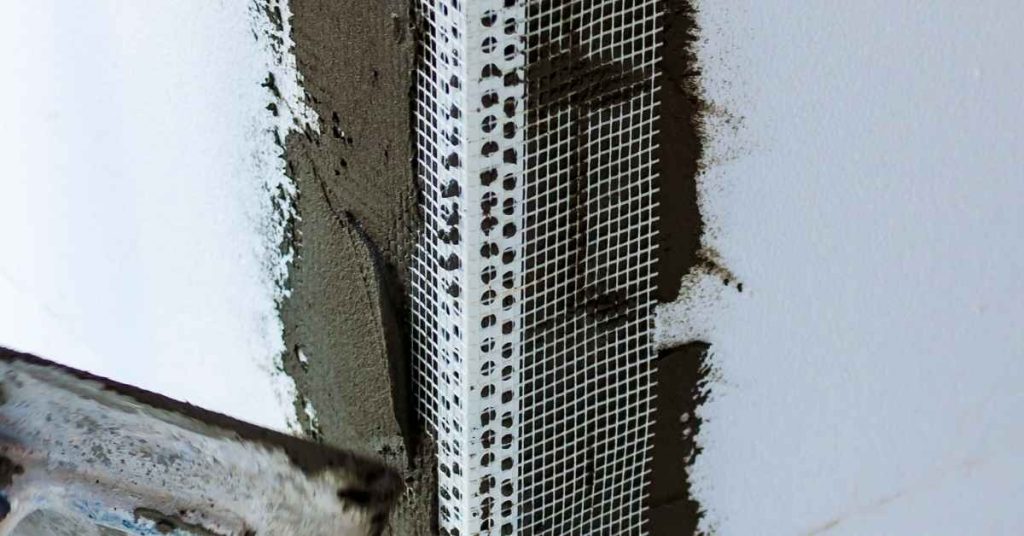
Stucco corner with reinforcing mesh being applied

Cracks at stucco corners: stress points, mesh placement, and how to keep them from returning

Introduction Cracks at stucco corners are stress-related failures at the joints where surfaces meet. They form when the wall moves or settles and the outer layer can’t flex enough. Addressing them starts with understanding where the stress concentrates and how the mesh supports the patch. Repair technique should reinforce corners with proper mesh at joints

Cracks at stucco corners: stress points, mesh placement, and how to keep them from returning Read More »

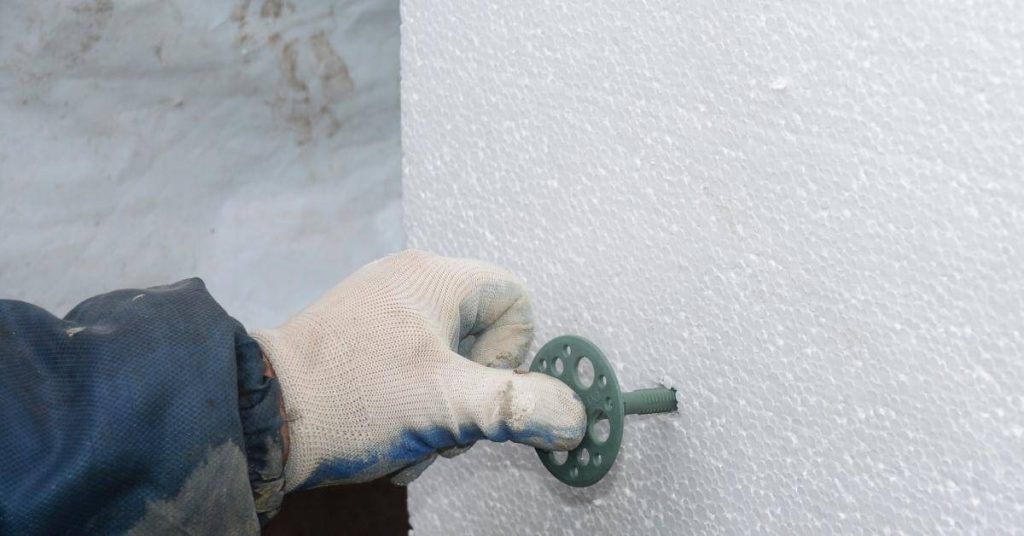
Hand with glove pushing plastic anchor into foam board insulation

Anchors that work in stucco over foam vs stucco over wood sheathing

Introduction Anchors that work in stucco over foam versus stucco over wood sheathing are fasteners chosen for different backing materials used in exterior walls. Foam-backed stucco requires considerations for how the anchor transfers load and how the insulation is protected, while wood sheathing provides a solid, continuous surface for grip. This introduction sets up what

Anchors that work in stucco over foam vs stucco over wood sheathing Read More »

Stucco wall with three boarded openings and rust stains below

Tracking hidden metal in stucco: stopping rust stains from coming back after repairs

Introduction Tracking hidden metal in stucco is the process of locating metal components behind the stucco to prevent rust-related damage. Rust stains can reappear if metal isn’t found and treated. This introduction covers practical steps for checking, repairing, and preventing future issues. Techniques for detecting hidden metal include visual clues and non-destructive checks. Common causes

Tracking hidden metal in stucco: stopping rust stains from coming back after repairs Read More »

Close-up of damaged stucco wall with peeling and exposed underlying surface

Bulging or hollow stucco spots: tap testing, cut windows, and when patching is a trap

Introduction Bulging or hollow spots in stucco indicate hidden voids or moisture behind the surface. Use a light tapping test to distinguish solid backing from hollow areas, and treat any suspect spot as a sign to inspect further. Avoid rushing to patch; confirm what you’re dealing with before sealing. If you decide to open a

Bulging or hollow stucco spots: tap testing, cut windows, and when patching is a trap Read More »

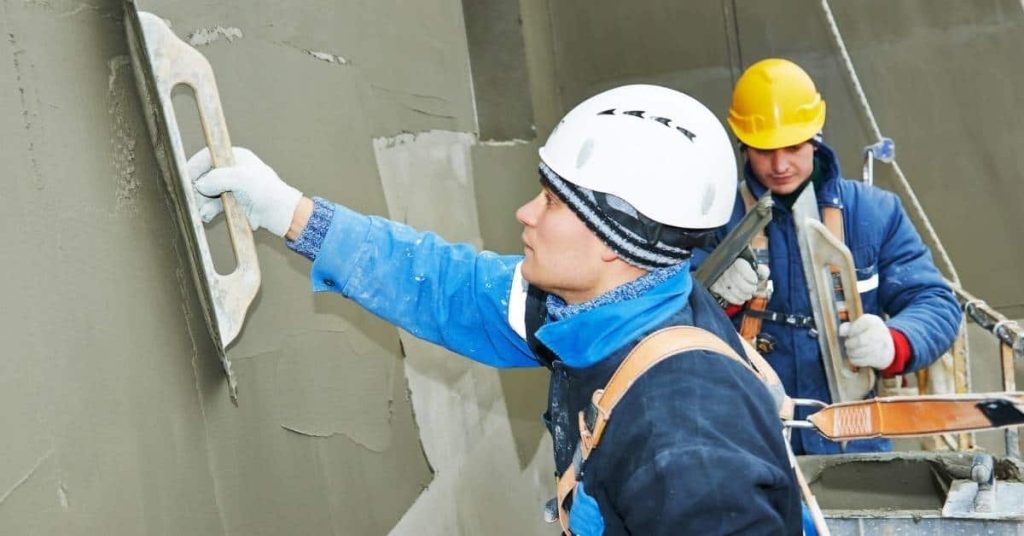
Two workers applying stucco finish coat on wall outdoors

Stucco finish coat batch matching: keeping color consistent across multiple days

Introduction Batch matching for stucco finish coat means keeping the color and texture consistent between mixes produced on different days. This article offers practical, hands-on guidance for achieving a uniform look across project days. You’ll learn basic steps to test color, record your results, and adjust as needed. Materials you’ll need include the finish coat

Stucco finish coat batch matching: keeping color consistent across multiple days Read More »