
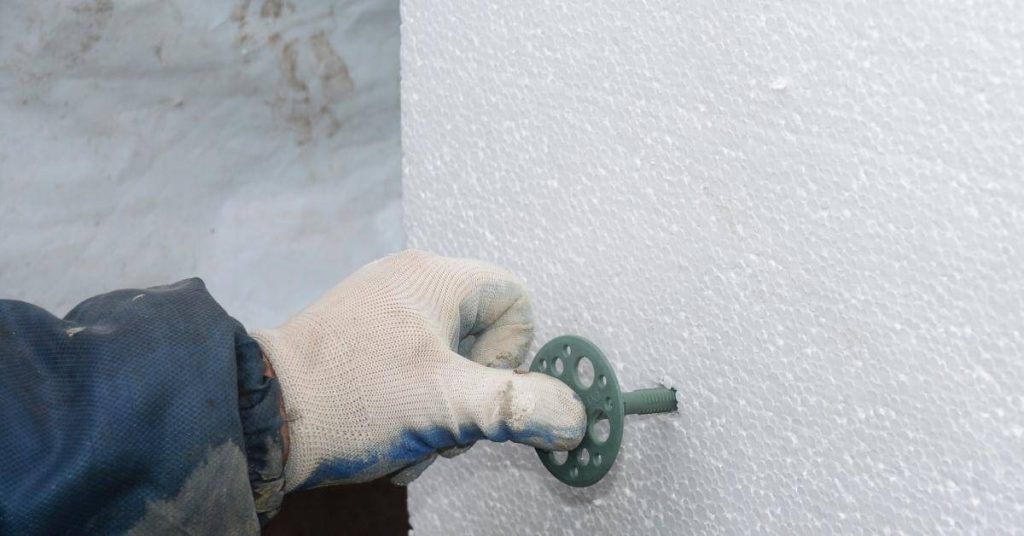
Introduction
Anchors that work in stucco over foam versus stucco over wood sheathing are fasteners chosen for different backing materials used in exterior walls. Foam-backed stucco requires considerations for how the anchor transfers load and how the insulation is protected, while wood sheathing provides a solid, continuous surface for grip. This introduction sets up what to look for and how to approach a hands-on installation without jargon.
We’ll explore common anchor types for each backing, how metal and plastic options behave, and practical installation tips. You’ll find straightforward guidance on material compatibility, how to assess strength for typical uses, and what to check in manufacturer instructions and local rules before you start.
Key takeaways
- Current Community: Compares two major forums discussing stucco anchoring methods.
- More Stack Exchange Communities: highlights two additional SE communities for related topics.
- Post as a Guest: guidance on posting as guest across two competitor platforms.
- Types of Anchors for Stucco over Foam vs Wood: practical anchor types for different substrates.
- Installation Methods and Techniques: summarize safe methods to install anchors in both cases.
- Safety warnings, common mistakes, troubleshooting steps, and long-term durability considerations.
- Tools, Materials, and Cost Considerations: depend on anchor types and substrate choice.
Table of Contents
- Introduction
- Key takeaways
- Current Community
- More Stack Exchange Communities
- Post as a Guest
- Types of Anchors for Stucco over Foam Vs Stucco over Wood Sheathing
- Installation Methods and Step-by-Step Techniques
- Strength Comparison and Impact on Structural Integrity
- Tools, Materials, and Cost Considerations
- Safety, Common Mistakes, Troubleshooting, and Long-Term Durability
- Conclusion
- FAQ
Current Community
DIY forums and Stack Exchange discussions emphasize practical, experience-based guidance for anchoring to stucco over rigid foam versus stucco over wood sheathing. Common points highlight the importance of corrosion-resistant fasteners, proper embedment, and mindful moisture management. Debates often center on preferred anchor types, whether pull-out tests are necessary, and how long-term performance is framed by different practitioners.
Installers typically outline prep work such as clearing foam, considering sealant pot life, and establishing moisture barriers. Fastener choices often reference sleeved screws or corrosion-resistant metal options suitable for foam, with spray-foam compatible anchors as an option. The sequence usually runs from pre-drilling to avoiding damage to the foam, and it may include backer or support considerations to maintain a uniform mounting plane.
Typical recommendations
The community generally agrees on certain anchor types and mounting strategies for stucco over foam (EIFS) or wood sheathing. For EIFS, consider using sleeve screws or spray-foam compatible anchors designed for foam substrates.
When working with wood sheathing, opt for corrosion-resistant metal fasteners suitable for wood, following appropriate nailing patterns. Always ensure embedment depth meets substrate requirements to secure attachment.
Pro tip: Verify anchor compatibility with the substrate and intended use, such as corrosion resistance.
Limitations of community advice
While crowd-sourced answers can provide valuable insights, they may vary due to differing local conditions and personal experiences. Always consult multiple sources and consider seeking professional input for complex or critical installations.
Before proceeding with any recommended method, verify substrate specifics and local building codes. If substrate details are unclear, escalate to a professional inspector or engineer for assessment.
Caution: For critical installations (e.g., structural, safety-related), consult a licensed professional to ensure compliance with relevant codes and standards.
More Stack Exchange Communities
Beyond DIY, Engineering-oriented forums contribute insights on structural performance, fastener specifications, and load calculations relevant to stucco on different substrates. Civil/Construction-focused communities add perspectives on building codes, field performance data, and real-world installation constraints. Each forum brings a distinct lens that helps round out practical DIY guidance with professional standards.
Use DIY for actionable steps and tool choices, Engineering for shear and tension considerations, and Civil/Construction for code alignment and performance context. When framing cross-site questions, summarize constraints clearly and reference sources from each community. This approach helps readers compare foam-backed versus wood-backed assemblies with informed nuance.
Best places to ask follow-up questions
After initial discussions here or in other DIY forums, you may have electrical, structural, or code-related follow-up questions. Here are the best Stack Exchange communities to consult:
Electronics Stack Exchange: For electrical aspects, such as wiring considerations or power requirements for your stucco over foam assembly.
Engineering Stack Exchange: If your question involves structural performance, load calculations, or anchor shear/tension capacity. They can provide precise, actionable answers based on engineering principles.
When posting, briefly summarize constraints and cite sources from previous discussions to provide context. This helps experts understand your specific situation and offer tailored advice.
Interpreting Diverse Expert Input
When seeking advice from multiple communities, you may receive differing answers. Here’s how to weigh and interpret this varied input:
- Compare and contrast recommendations, identifying common themes or consensus among experts.
- Evaluate answers based on their relevance, expertise, and adherence to established standards such as building codes or manufacturer guidelines.
- If answers conflict significantly, cross-check with these sources to ensure an informed decision.
- Prioritize advice that has a clear consensus among experts. Always verify it aligns with your specific project requirements and local regulations.
Post as a Guest
Posting as a guest on a DIY forum focuses the discussion on anchoring in stucco assemblies while avoiding account-specific distractions. Clearly identifying the scenario aids responders in giving precise guidance. The goal is to gather targeted, actionable input without the friction of a full account.
Include scenario details such as stucco over foam or stucco over wood, the type of anchor, loads, location, and environmental considerations. Visuals and measurements help responders assess backing and access. Framing a concise, answerable question improves the quality of responses you’ll receive.
What to Include in Your Guest Post
When posting as a guest on DIY forums about anchoring in stucco assemblies, providing sufficient details is crucial for responders to offer practical advice.
Include the following:
– Clear photos of the wall assembly cross-section, showing substrate details, thickness of foam/foamboard, flashing, and any existing fasteners or anchors.
– Dimensions (thicknesses) of all relevant components.
– Intended load for the anchor.
If initial responses indicate lack of clarity, be prepared to supply additional visuals or measurements.
Maximizing Engagement in Anonymous Posts
When posting as a guest on DIY forums, limited engagement can hinder the quality and quantity of responses. Here are some strategies to attract expert input:
Be concise, specific, and reference sources where possible.
– Select relevant tags (e.g., anchors, stucco, foam insulation, sheathing) to reach appropriate experts.
– Check if your post is in the right category or subforum.
– If engagement is low, update your post with additional details or clarify your question.
Promptly follow up on responses and engage in discussion to encourage further input. This will increase the likelihood of receiving reliable follow-up advice.
Types of Anchors for Stucco over Foam Vs Stucco over Wood Sheathing
Understanding substrate differences clarifies how backing affects fastener choice, load paths, and allowable shear. Foam-backed stucco and wood-backed stucco each respond differently to various anchors. The goal is to match the anchor to the substrate’s characteristics without compromising the stucco surface.
Anchor families include through-fasteners, toggle/expansion anchors, adhesive anchors, and furring or backing solutions. For foam, look for low-profile, corrosion-resistant hardware and materials compatible with foam insulation to avoid compression. For wood, consider screw types, appropriate pilot holes, and timber strength guidelines to maintain grip and safety.
Anchors suited to stucco over foam (EIFS/rigid foam)
Avoid relying on foam for load-bearing when installing anchors in stucco over foam. Instead, consider the following approaches:
Through-fastening to structural backup is ideal if accessible. Use appropriate fasteners that can reach and secure into the structure behind the foam.
Adhesive systems approved for use with EIFS (Exterior Insulation and Finish Systems) are another option. Ensure the adhesive is compatible with both the foam and your chosen hardware.
Surface-mounted furring can also provide a solid base for mounting, preventing hardware from penetrating the insulation or stucco film. Always check that your chosen hardware is suitable for use with the backer material.
Anchors suited to stucco over wood sheathing
When working with stucco over wood sheathing, choose anchors that can engage the sheathing and underlying framing for secure medium-to-heavy loads.
Use appropriate screw types suitable for timber strength. Pilot holes may be required to prevent splitting. Ensure your chosen fasteners are long enough to reach and securely engage the framing behind the sheathing.
For heavier loads, consider blocked-through mounting. This involves using a blocking material (like wood) between the studs to provide additional support for your anchor.
When to use furring strips or mounting blocks
Furring strips and dedicated mounting blocks can help distribute loads and avoid penetrating insulating foam while still achieving a strong connection.
Furring strips are ideal for lighter loads and when uniform support is needed. They provide a flat surface to attach hardware, preventing the need to penetrate the foam.
For medium-to-heavy loads or where concentrated support is required, consider using mounting blocks. These can be made from various materials like wood or plastic and are designed to provide additional support for your anchor.
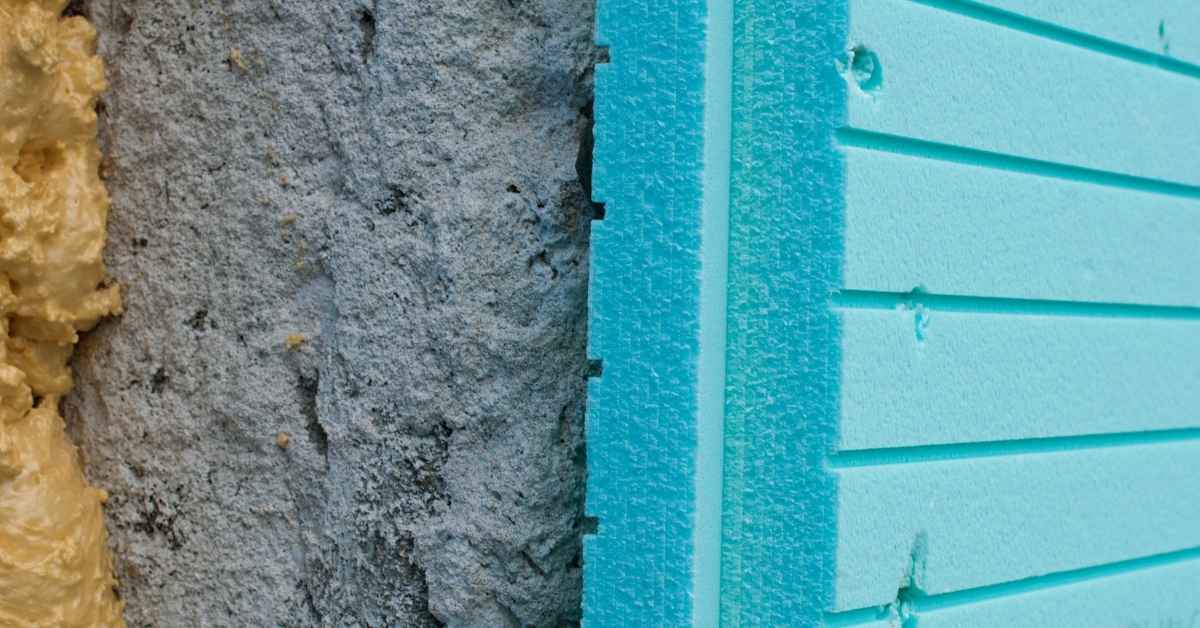
Installation Methods and Step-by-Step Techniques
A universal workflow applies to both foam-backed and wood-backed stucco: identify backing, choose an anchor, determine engagement depth, drill, install, and test hold. Prioritize safety and weather considerations throughout the process. Establish a clear sequence to minimize damage to existing surfaces.
Backing identification methods include locating studs, metal lath, or foam panel seams, and assessing foam thickness. Use appropriate drill bits and depth controls, protect edges, and manage dust. Step-by-step installation should cover pre-inserted anchors, anti-corrosion measures, sealing, and practical load checks.
Step-by-Step Installation Process
This step-by-step guide walks you through the process of installing anchors in stucco over foam or wood sheathing, ensuring a secure attachment and longevity.
- Gather necessary tools, materials, and safety gear. This includes drill, appropriate drill bits, chosen anchors, safety glasses, gloves, and any specific tools required for your anchor type.
- Review the anchor type, substrate condition (foam or wood), and load requirements to ensure compatibility.
- Locate backing using methods described in the ‘Locating and confirming backing’ section. For foam-backed stucco, use a magnet to detect metal lath or studs, and probe seam edges gently with a flathead screwdriver. For wood-backed stucco, use a stud finder to locate solid studs.
- Drill holes following the guidelines in the ‘Drilling, hole preparation, and anchor engagement’ section. Ensure you’re using the correct drill bit size and type for your chosen anchor and substrate (foam or wood).
- Insert anchors into the drilled holes, ensuring they engage the intended substrate properly. If installing pre-inserted anchors, follow the manufacturer’s instructions.
- Apply sealant around the anchor penetration using a compatible, flexible sealant suitable for your substrate (foam or wood), following the guidelines in the ‘Sealing penetrations and restoring weatherproofing’ section.
- Perform a load test or pull-out check to confirm a secure attachment. This can