Search Results for: surface prep

Worker in red overalls holding a toolbox in a garage

Shot Blasting Alternatives for DIY Prep: What Actually Works in a Garage

Introduction Shot blasting alternatives for DIY garage prep are practical mechanical or chemical methods you can do without industrial equipment; think grinders, diamond pads, acid etch, or degreasing depending on what the slab needs. In plain terms: grinding or diamond-sanding removes coatings and profile, chemicals etch and clean, and heavy degreasers strip oil—check product labels […]

Shot Blasting Alternatives for DIY Prep: What Actually Works in a Garage Read More »

Close-up of concrete floor grinding machine in use

Grinding vs Scarifying for Concrete Prep: Choosing the Right Texture for Coatings

Introduction Grinding means removing surface material with rotating diamond wheels to smooth or level concrete, while scarifying uses a drum of carbide cutters to aggressively cut grooves and remove heavy coatings; pick grinding for light profiling and scarifying for fast, deep removal. This is a practical, hands-on choice: think about how much material you must

Grinding vs Scarifying for Concrete Prep: Choosing the Right Texture for Coatings Read More »

Hand using float tool smoothing fresh concrete joint

Polyurethane Crack Sealants in Concrete: Joint Prep, Backer Rod, and Tooling Tips

Introduction Polyurethane crack sealant is a flexible caulk used to fill and seal concrete joints and cracks to keep water and debris out while allowing movement. For a good DIY result, clean the joint, set an appropriate backer rod if the crack is deep or wide, and follow the sealant manufacturer’s instructions for temperature, priming,

Polyurethane Crack Sealants in Concrete: Joint Prep, Backer Rod, and Tooling Tips Read More »

Concrete formwork with metal rebar reinforcement inside

DIY Concrete Footings for Pergolas: Sizing Basics, Rebar Cages, and Inspection Prep

Introduction DIY concrete footings for pergolas are the concrete bases that carry the post loads down to the soil and keep your structure stable; size them based on post size, soil conditions, and local inspection requirements. Think practical: pick a footing diameter and depth that your local rules accept, choose concrete mix and cure time

DIY Concrete Footings for Pergolas: Sizing Basics, Rebar Cages, and Inspection Prep Read More »

close-up of gray concrete surface with small holes and spots

Fixing Concrete Surface Pop-Offs From Rusty Wire: A Step-by-Step Timeline for Quick Repairs

Introduction Tackling concrete surface pop-offs from rusty wire can seem daunting, but with a clear timeline and efficient steps, you can complete the repair in a single weekend. This guide walks you through the process, breaking down each task into manageable timeframes to help you stay on schedule. Before you start, gather your tools and

Fixing Concrete Surface Pop-Offs From Rusty Wire: A Step-by-Step Timeline for Quick Repairs Read More »

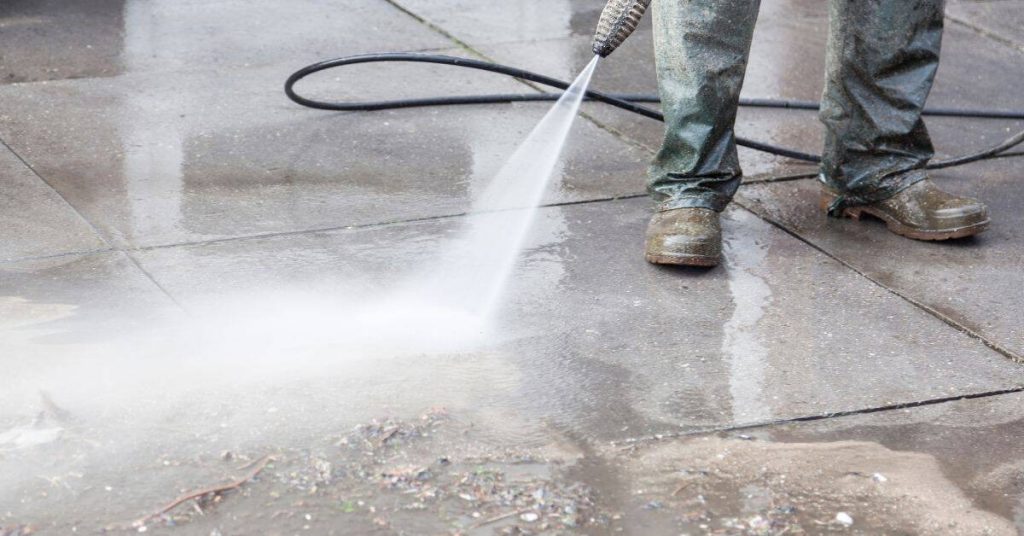
Person pressure washing concrete patio surface

Degreasing Concrete: A Step-by-Step Timeline to a Soap-Free Surface

Introduction Degreasing concrete is a crucial process that requires careful planning and timing. Understanding the duration of each step ensures you achieve a soap-free surface without damaging your concrete. In this guide, we’ll walk you through a comprehensive timeline, from preparation to final checks, ensuring you complete each task at the right time for optimal

Degreasing Concrete: A Step-by-Step Timeline to a Soap-Free Surface Read More »

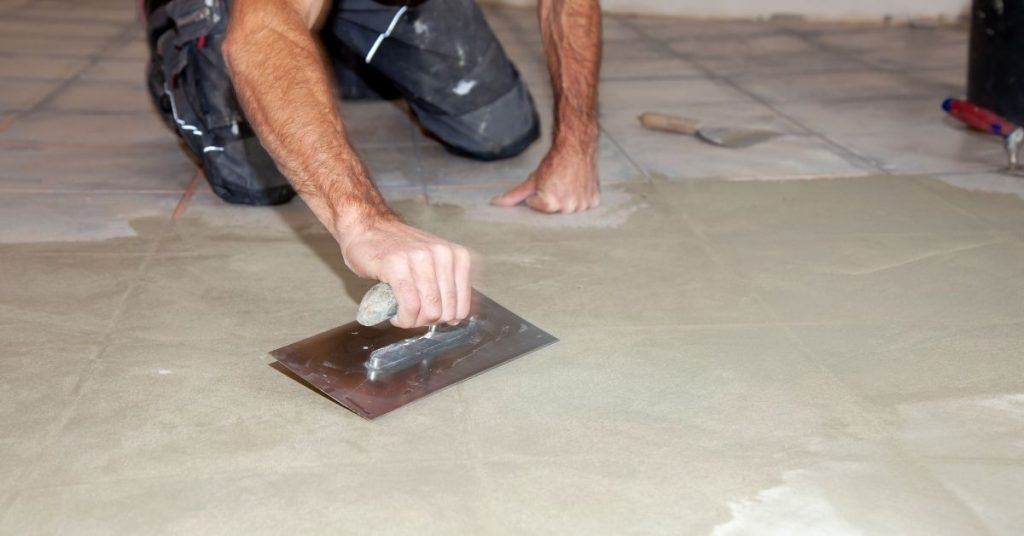
Trowel spreads leveling compound over floor during bathroom prep

Self-Leveling Compound Prep on “Problem Subfloors”: Primers, Seams, and Edge Dams That Stop Leaks

Introduction Self-leveling compound prep on problem subfloors means getting a board-backed surface ready so the liquid compound spreads and cures without running into gaps or flaking off. Think practical steps: pick a primer the compound maker recommends, seal seams and penetrations so water and dust won’t break the bond, and build temporary edge dams where

Self-Leveling Compound Prep on “Problem Subfloors”: Primers, Seams, and Edge Dams That Stop Leaks Read More »

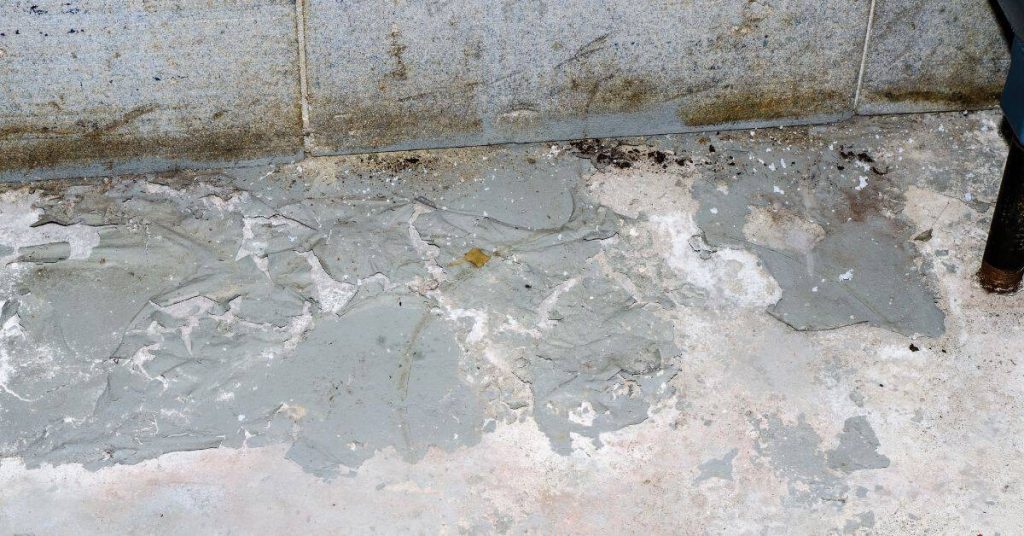
Concrete surface with peeling and scaling damage

Concrete Scaling From De-Icers: Diagnosing Salt Damage and Resetting the Surface

Introduction Concrete scaling from de-icers is surface flaking and loss of the concrete paste caused or accelerated by salt exposure and freeze-thaw action. I’ll walk you through how to spot salt damage, what causes it, and practical ways to reset the surface so your slab is safe and serviceable again. This is written for a

Concrete Scaling From De-Icers: Diagnosing Salt Damage and Resetting the Surface Read More »

Gas-powered power trowel smoothing wet concrete with rotating blade ring.

DIY Concrete Surface Hardener Application: Broadcast vs Spray and How to Avoid Dusty Spots

Introduction Concrete surface hardeners are coatings or dry-shake materials applied to fresh or cured concrete to increase surface abrasion resistance and reduce dusting. They can be clear or amber-tinted; the tint changes appearance and may help hide scratches but check the product label or manufacturer instructions for compatibility and coverage. Think like a foreman: choose

DIY Concrete Surface Hardener Application: Broadcast vs Spray and How to Avoid Dusty Spots Read More »