Search Results for: surface prep

Hand smoothing plaster on wall with a trowel

Bull Floating vs Magnesium Floating: When Each Surface Is Better for Finishes

Introduction Bull floating uses a wide, rigid tool to flatten and level fresh concrete quickly while magnesium floating uses a lighter, textured board to work the surface finer; choose the tool that matches where you are in the finishing sequence and the look you want. In practice that means use a bull float early to […]

Bull Floating vs Magnesium Floating: When Each Surface Is Better for Finishes Read More »
Close-up of beige textured stucco wall surface

Silicate Mineral Paint on Stucco: Breathability, Prep, and Why It Bonds Differently

Introduction Silicate mineral paint is a water-based, mineral-bound finish that bonds chemically to masonry and remains vapor-permeable. It soaks into and reacts with mineral substrates rather than sitting on top like many organic paints, which is why it behaves differently on stucco. For a DIYer that means fewer film failures but you need the right

Silicate Mineral Paint on Stucco: Breathability, Prep, and Why It Bonds Differently Read More »

Hands using scraper to remove blue paint from wall

Cratering in Paint: Contamination Tests and Fixes for Pitted Surfaces

Introduction Cratering in paint is when small pits or craters appear on the painted surface, leaving uneven spots. It usually happens when the surface is contaminated or the coating fails to bond properly. Pitted areas can also result from poor surface prep or moisture under the film. To detect it, start with a careful visual

Cratering in Paint: Contamination Tests and Fixes for Pitted Surfaces Read More »

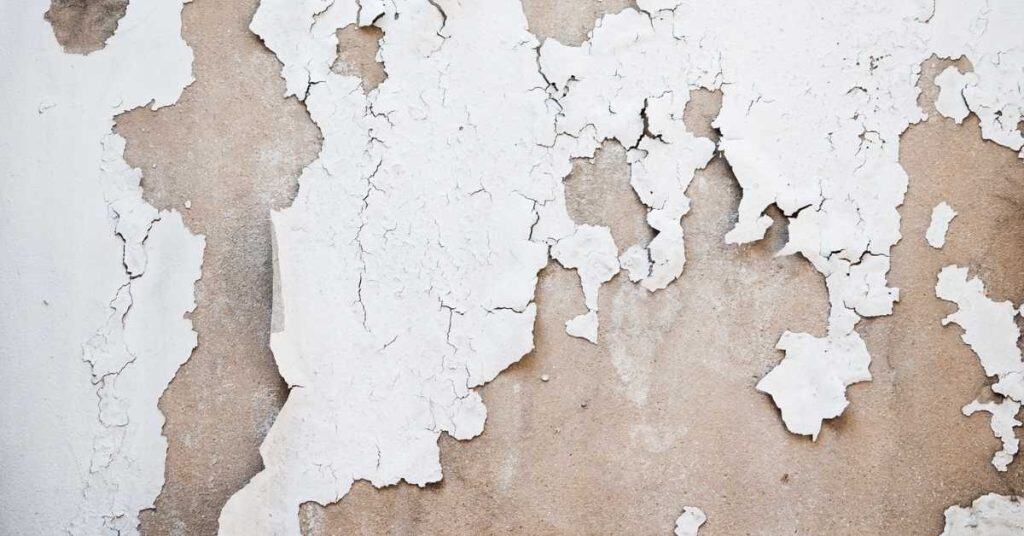
Close-up of peeling white paint on a wall surface

Fixing Peeling Paint at Bathroom Ceilings: Ventilation Checks and Mildew-Killing Prep

Introduction Peeling bathroom ceiling paint happens when moisture gets behind the coating and the film loses adhesion. In a DIY fix, you must cut away loose paint, dry the area, and prep for fresh coating. Always check local rules and follow label directions when choosing cleaners and primers. Ventilation is the first line of defense.

Fixing Peeling Paint at Bathroom Ceilings: Ventilation Checks and Mildew-Killing Prep Read More »

Person holding plaster on trowel and hawk

Feathering Plaster Into Painted Surfaces: Where to Sand, Where Not To, and Why

Introduction Feathering plaster into painted surfaces means blending the edge of new plaster into the existing paint so the transition is smooth. Keep the plaster slightly proud and wipe away excess as you work to avoid hard lines. Work in small, overlapping passes and check the edge from different angles. Be careful not to sand

Feathering Plaster Into Painted Surfaces: Where to Sand, Where Not To, and Why Read More »

Close up of blue painted stucco wall texture

Stucco Patches on Painted Surfaces: Bonding Agents, Scratch Keys, and When to Strip Paint

Introduction This article explains how to patch stucco on painted surfaces, including prep, bonding, and deciding when to strip paint. It covers bonding agents, scratch keys, and the little checks you need to avoid a failed patch. Keep it DIY-friendly with practical steps you can do on a weekend. Start by inspecting the painted area

Stucco Patches on Painted Surfaces: Bonding Agents, Scratch Keys, and When to Strip Paint Read More »

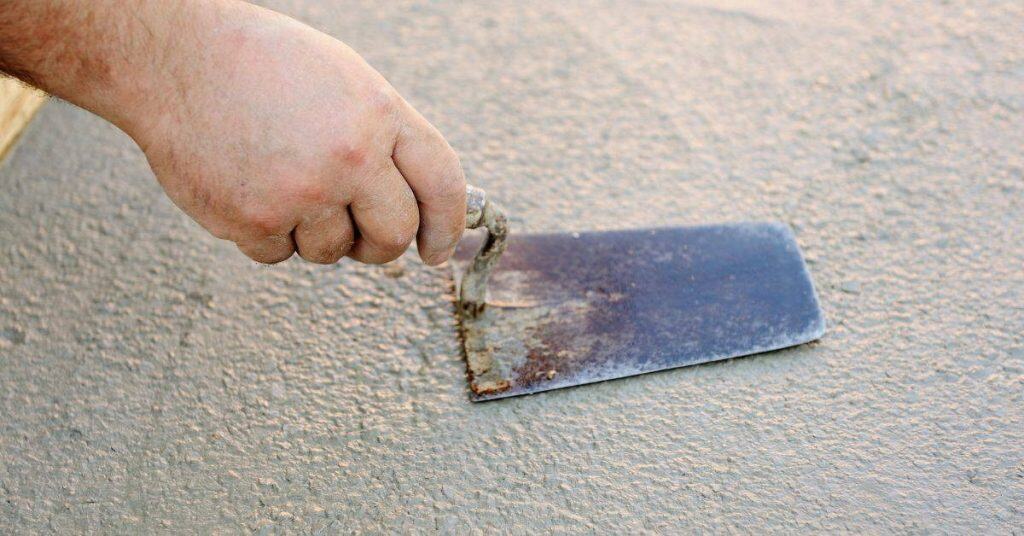
Hand holding a rusty trowel on a stucco surface

Diagnosing ‘Soft’ Stucco: Simple Probing Tests to Separate Surface Erosion From Lath Failure

Introduction Diagnosing soft stucco means using simple probing to tell if the issue is surface erosion or actual lath failure. This hands-on approach helps you identify trouble without tearing the whole wall apart. You’ll base any next steps on what the probe reveals about attachment and depth. Start with gentle, vertical and horizontal probing at

Diagnosing ‘Soft’ Stucco: Simple Probing Tests to Separate Surface Erosion From Lath Failure Read More »

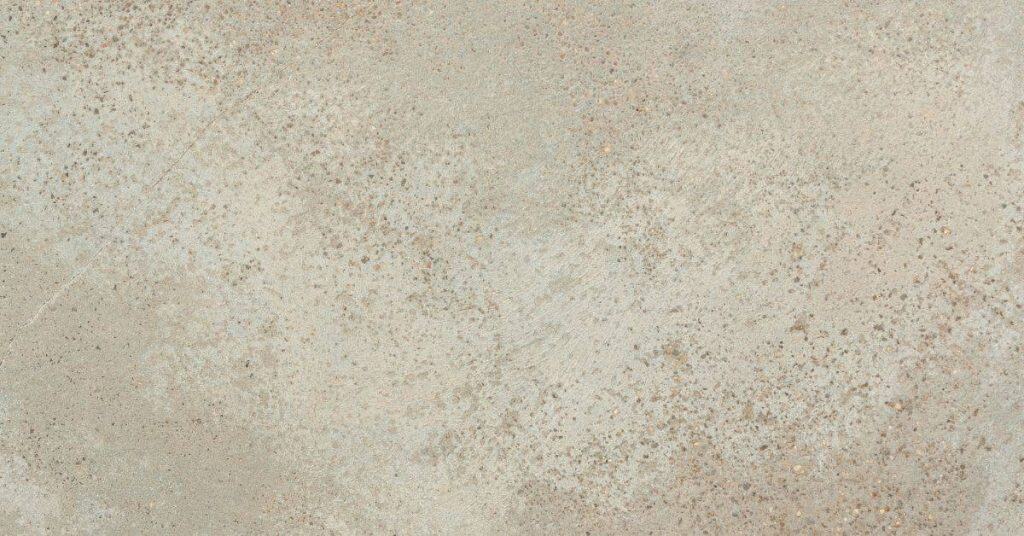
Close-up of concrete countertop surface with pinholes and texture

Fixing Pinholes in Concrete Countertops Without Regrinding the Whole Surface

Introduction A pinhole is a tiny void or air gap in cured concrete that shows as a small surface pore. You can fix it without regrinding the entire countertop by targeting the defect with the right repair approach. This intro covers identifying pinholes and choosing practical repair materials for a DIY fix. Prepare the surface

Fixing Pinholes in Concrete Countertops Without Regrinding the Whole Surface Read More »

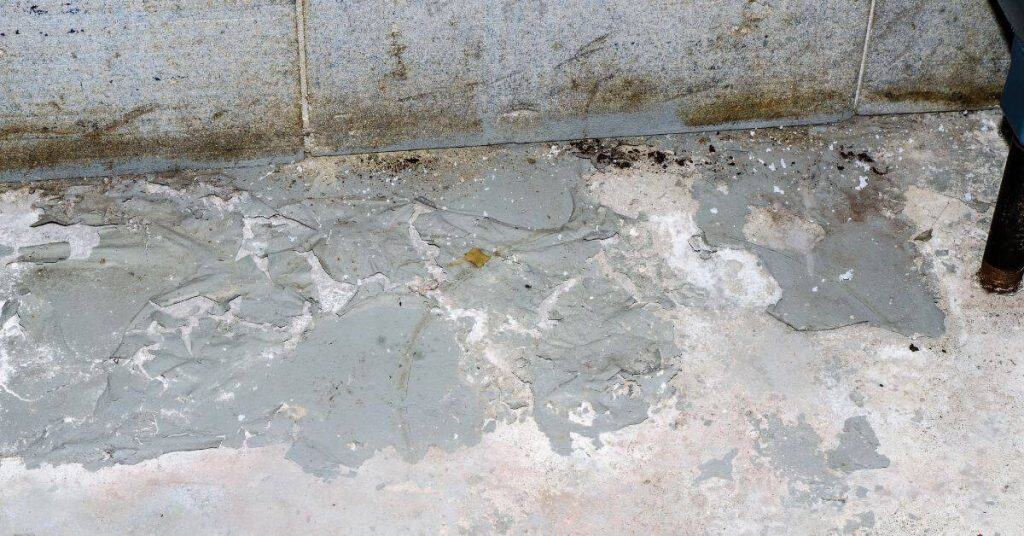
Peeling gray coating on concrete surface near wall

How to Recoat a Concrete Sealer Without Peeling: Adhesion Tests and Prep Steps

Introduction Recoating a concrete sealer means applying a fresh layer over a sealed concrete surface after confirming the old layer sticks well. Before you open a new can, inspect the old finish for peeling or staining and prepare to clean and roughen the surface as needed. Keep the goal simple: the new coat should bond

How to Recoat a Concrete Sealer Without Peeling: Adhesion Tests and Prep Steps Read More »

Closeup of smooth fresh gray concrete surface

How to Strip Tire Marks Off Concrete Without Etching the Surface

Introduction Tire marks on concrete can be removed without etching the surface by using gentle cleaners, proper scrubbing, and controlled water flow. First, identify what caused the marks and choose a method that won’t roughen or dull the floor. Always follow the product label and manufacturer instructions, and check local rules before you start. Begin

How to Strip Tire Marks Off Concrete Without Etching the Surface Read More »